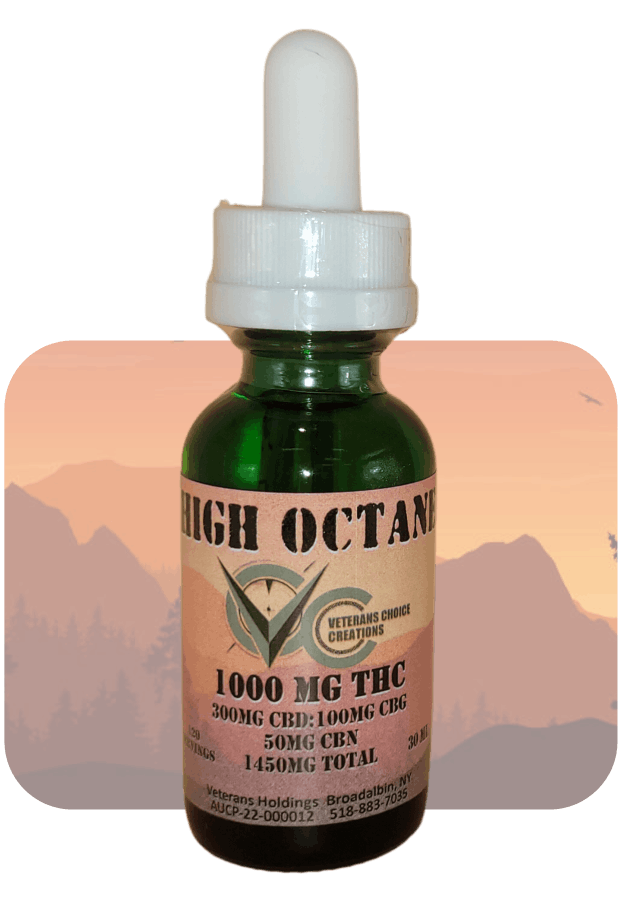
THC 4.41%·CBD 1.58%Hybrid
Veteran's Choice CreationsVETERANS CHOICE CREATIONS | 30ML | TINCTURE | HIGH OCTANE · .1g
$53.10
$60after tax
weeddispensarynearme.com
You must be 21 years or older to enter. By entering, you confirm you’re of legal age in your state to purchase cannabis.
For use only by adults 21+ • Keep out of reach of children
Tribeca's cast-iron lofts and cobblestoned side streets have long attracted a discerning crowd that prizes quality over noise. For adults 21 and older exploring cannabis tinctures in ZIP codes 10007 and 10013, that same sensibility applies — slow, considered, precisely dosed, and sourced from New York's licensed adult-use market.
About Tinctures
Cannabis tinctures occupy a distinct and quietly sophisticated corner of the licensed New York adult-use market. Unlike flower or vaporizers, tinctures are liquid cannabis extracts — typically suspended in a carrier oil such as MCT, hemp seed oil, or fractionated coconut oil — delivered sublingually or added to food and beverage. The format asks something of its user: a moment of intentionality, a measured dropper, a brief pause beneath the tongue. In a city that rarely slows down, that ritual carries genuine appeal. New York's licensed dispensaries carry tinctures produced under the state's Office of Cannabis Management framework, meaning every product has passed rigorous testing for potency, residual solvents, pesticides, and microbial contamination. Shoppers can expect clearly labeled cannabinoid content — total THC and CBD per milliliter — alongside batch-specific Certificates of Analysis accessible via QR code on most packaging. This transparency is not incidental; it is the baseline expectation for any reputable licensed retailer operating in New York County. Tinctures occupy a middle ground between the immediacy of inhalation and the extended arc of an edible. Sublingual absorption through the mucous membranes beneath the tongue typically produces onset within fifteen to forty-five minutes, with effects that can be modulated by how long the product is held before swallowing. For those new to the format, the standard guidance — start low, go slow — is especially apt, since titrating a dropper by small fractions is far more precise than splitting a gummy or estimating a puff count. The New York licensed market has expanded meaningfully, and tincture shelves now reflect genuine range: broad-spectrum and full-spectrum formulations that retain minor cannabinoids and terpene profiles alongside distillate-based isolate blends offering predictable, repeatable experiences. Understanding the difference before you shop is worthwhile.
Tinctures for Tribeca shoppers
Tribeca is a neighborhood defined by restraint and refinement. The cobblestones along Franklin Street and the converted warehouse facades on Hudson Street project a certain quietude that distinguishes this stretch of lower Manhattan from the more kinetic energy found a dozen blocks north. Residents here — many of them professionals, architects, gallery owners, and long-tenured New Yorkers who remember when this was a working textile district — tend to approach lifestyle choices the same way they approach interior design: thoughtfully, with a preference for things that function well over time rather than dazzle momentarily. Tinctures fit that aesthetic with unusual precision. They require no equipment, produce no odor, and tuck into a coat pocket or kitchen cabinet without ceremony. For a Tribeca resident commuting via the 1 or A/C/E trains at Chambers Street, or walking to a Franklin Street studio after a long day, a tincture offers a way to decompress on a considered schedule rather than at the mercy of onset variability. The neighborhood's proximity to the Hudson River waterfront also makes evening walks a common ritual — a sublingual dose taken before a stroll along the esplanade near North Moore Street aligns well with the format's gentle, graduated quality. Tribeca's demographics skew toward adults who are comfortable doing their own research, reading labels, and asking specific questions of their budtenders. The 10007 and 10013 ZIP codes are not impulse-purchase territory. Tincture shoppers here tend to arrive with intentions — sleep support, edge-softening after a demanding workday, or simple curiosity about cannabinoid ratios — and they respond well to formats that offer measurable, repeatable results rather than guesswork.
What to look for
When evaluating a cannabis tincture, the first factor worth examining is the cannabinoid ratio. A product labeled 1:1 THC to CBD will behave very differently from one that is THC-dominant or CBD-forward. For someone seeking a calming evening experience without pronounced psychoactive intensity, a higher CBD ratio or a balanced formulation is generally the more measured entry point. For those with more familiarity, a full-spectrum THC-forward tincture may be appropriate — but the per-milliliter potency should be reviewed carefully before committing to a serving size. Terpenes matter in tinctures, though they are less discussed in this format than in flower. Full-spectrum and broad-spectrum products retain the terpene profile of the source cultivar — myrcene, linalool, and beta-caryophyllene are commonly associated with a more relaxing character, while limonene and alpha-pinene tend toward brighter, more alert expressions. If the label or Certificate of Analysis lists terpene content, it is worth a few moments of comparison. Isolate-based tinctures, by contrast, strip these compounds out in favor of pure cannabinoid content, which can be useful for users who want absolute predictability but sacrifice some of the nuance associated with the entourage effect. For Tribeca residents specifically, the format trade-off most worth considering is onset versus duration. If the use occasion is a pre-dinner ritual at a Duane Street loft or a winding-down moment after a late Hudson Street gallery opening, sublingual delivery offers relative promptness. If the tincture is swallowed directly or stirred into a beverage, expect a slower onset closer to that of a traditional edible — potentially sixty to ninety minutes. Carrier oil also influences mouthfeel and palatability; MCT-based tinctures tend to be lighter, while hemp seed oil formulations carry a more pronounced botanical flavor that some shoppers find appealing and others prefer to mask in a drink.
Why ZenZest for tinctures in Tribeca
ZenZest Cannabis Dispensary operates a Staten Island location at 2343 Forest Ave, Staten Island, NY 10303 — approximately 9.9 miles from the heart of Tribeca, an accessible distance for residents willing to make a purposeful trip across the water or through the tunnel for a curated licensed-dispensary experience. The store's inventory spans the full adult-use licensed New York market, with knowledgeable staff who can walk tincture shoppers through cannabinoid ratios, carrier oil differences, and third-party lab documentation without pressure or rush. For Tribeca residents in ZIP codes 10007 and 10013 who prefer to shop from home, ZenZest offers free same-day delivery on orders exceeding $100, covering more than 80 New York ZIP codes. That means a carefully selected tincture — reviewed at leisure on a quiet Tuesday evening before the Thursday dinner party — can arrive at a Franklin Street or Hudson Street address the same day it is ordered. Delivery is available to qualifying adult-use customers 21 and older, and the catalog reflects the same licensed, tested, label-compliant products available in-store.
ZenZest Staten Island · 2343 Forest Ave, Staten Island, NY 10303 · 9.9 miles from Tribeca.
$60after tax
$50after tax
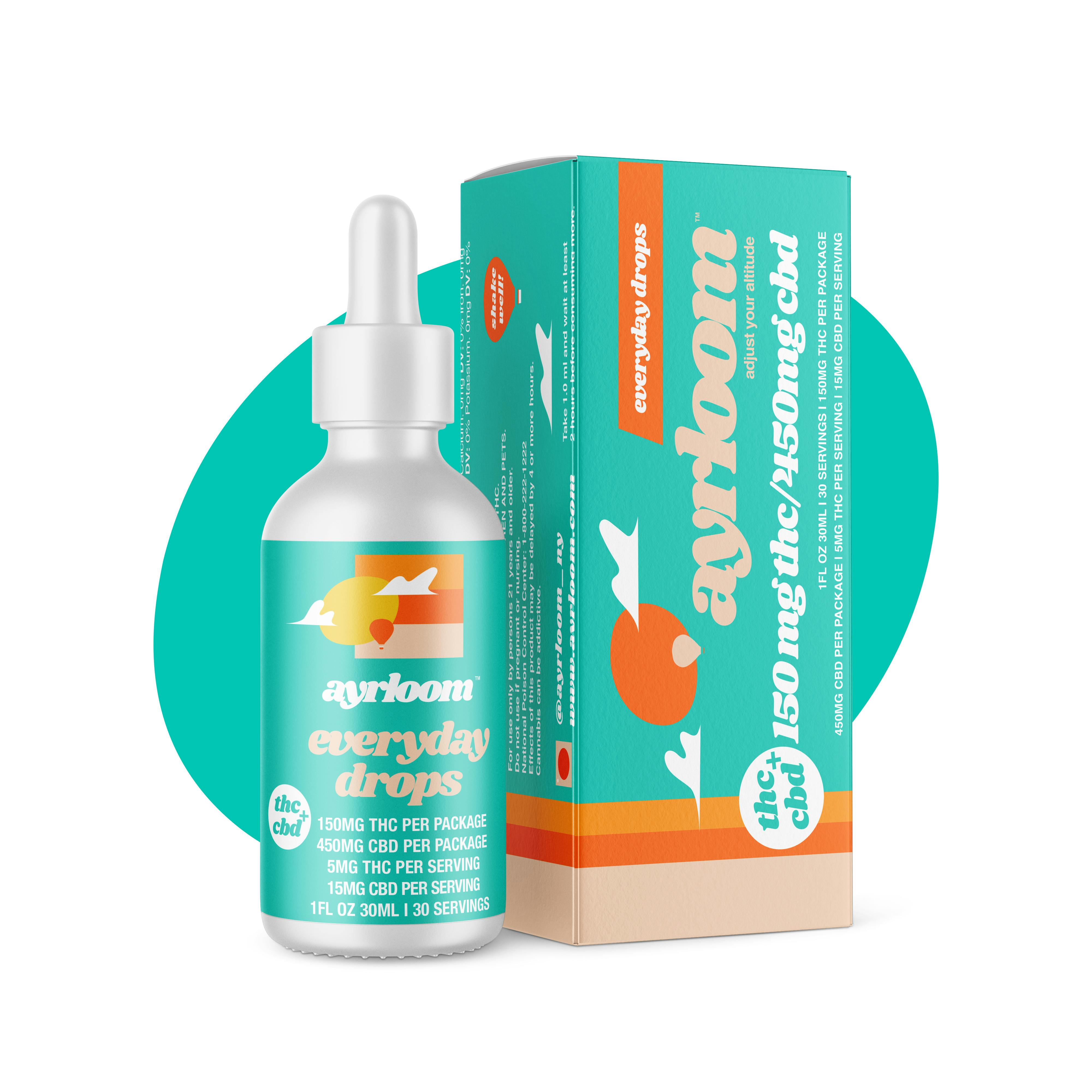
$34after tax
$49after tax
Tinctures and edibles are both ingestible cannabis formats, but they diverge meaningfully in onset and control. A tincture held sublingually for sixty to ninety seconds absorbs directly through the mucous membranes, typically producing effects within fifteen to forty-five minutes — considerably faster than most edibles, which pass through the digestive system before cannabinoids enter circulation. For a Tribeca resident who values predictability and wants to calibrate their experience on a schedule — before an evening walk along the Hudson River esplanade, for instance — the tincture's faster and more modifiable onset is often the more practical choice.
Every licensed tincture sold through New York's adult-use market must display total THC and total CBD content per milliliter and per container. Look for those figures first. A product with 5 mg THC per milliliter in a 30 ml bottle contains roughly 150 mg total THC — that context matters when you are calibrating a starting point. The label should also note the carrier oil, extraction method where disclosed, and a QR code or batch number linking to a Certificate of Analysis. If any of those elements are missing, that is a signal to ask your budtender for clarification before purchasing.
Yes, and the distinction is worth understanding before you select. Full-spectrum tinctures retain the complete cannabinoid and terpene profile of the source plant, including trace amounts of minor cannabinoids such as CBG and CBN. Broad-spectrum products undergo additional processing to remove detectable THC while preserving other compounds. Isolate-based tinctures contain a single refined cannabinoid — typically THC or CBD — in a carrier oil, with everything else removed. For shoppers on Hudson Street or Franklin Street who appreciate complexity and nuance in their products, full-spectrum formulations often offer a more layered experience, while isolates suit those who prioritize absolute consistency.
Terpenes associated with more relaxing, grounding experiences include myrcene — earthy and musky, commonly found in indica-leaning cultivars — as well as linalool, which also occurs in lavender, and beta-caryophyllene, a spicy, woody compound that interacts with the endocannabinoid system directly. Not every tincture will list its terpene profile, particularly isolate-based products, but full-spectrum and some broad-spectrum formulations will include this data on the Certificate of Analysis. Ask your ZenZest budtender to pull up the COA for any tincture you are considering before purchasing.
Yes, and many adult-use tincture users find this an appealing approach — particularly those who prefer not to take the product sublingually. Adding a tincture to a beverage converts the delivery method to oral ingestion rather than sublingual absorption, which means the onset timeline extends considerably, often approaching sixty to ninety minutes or longer, similar to a traditional edible. If you are mixing into a cold drink on a winter evening in Tribeca, account for that delay and resist the urge to redose prematurely. Oil-based tinctures do not fully emulsify in water-based liquids; stirring well and consuming promptly helps distribute the dose more evenly.
For a first-time tincture user, a starting dose of 2.5 to 5 mg of THC is a commonly cited general benchmark in adult-use education contexts — though individual responses vary considerably based on body chemistry, prior cannabis experience, and the specific formulation. The phrase 'start low, go slow' is not a platitude in this context; tinctures allow incremental adjustment in a way that many other formats do not. Hold the dose sublingually, wait a full hour before assessing, and resist adding more until you have a clear sense of how the product affects you. Your first session is not the time to optimize — it is the time to observe.
Cannabis tinctures are sensitive to light, heat, and air exposure — three variables that are manageable in a Tribeca loft but worth addressing deliberately. Store tinctures in a cool, dark location such as a cabinet or drawer away from direct sunlight and kitchen heat. Most products come in amber or dark glass bottles specifically to limit light degradation. Ensure the cap is sealed tightly after each use to minimize oxidation. Properly stored, most tinctures maintain potency and stability for six to twelve months, though checking the manufacturer's expiration date on the packaging is always the most reliable reference.
ZenZest Cannabis Dispensary offers free same-day delivery on orders exceeding $100 to qualifying addresses across more than 80 New York ZIP codes. Tribeca residents in both 10007 and 10013 are eligible for delivery under this program, provided the order meets the minimum threshold and the recipient is a verified adult-use customer aged 21 or older. If you prefer to visit in person, the nearest ZenZest location is the Staten Island store at 2343 Forest Ave, approximately 9.9 miles from central Tribeca, accessible via the Staten Island Ferry connection and local transit.
All adult-use cannabis products sold through New York's licensed dispensary network are required to undergo third-party laboratory testing under the standards set by the Office of Cannabis Management. For tinctures specifically, this testing covers cannabinoid potency — confirming that the labeled THC and CBD milligrams per milliliter are accurate — as well as residual solvents, pesticide residue, heavy metals, and microbial contamination. The resulting Certificate of Analysis is typically accessible via a QR code or batch number on the packaging. Purchasing exclusively through licensed retailers such as ZenZest is the most reliable way to ensure that a product has passed these requirements.
The tincture format is among the more streamlined in the adult-use lineup precisely because it requires so little infrastructure. A small bottle fits in a jacket pocket, a desk drawer, or a bag without attracting attention. There is no device to charge, no grinder to clean, no packaging to dispose of publicly. For a professional commuting from the Chambers Street station into a demanding workday and looking to decompress on a reliable schedule at home on Franklin Street or Hudson Street, a tincture taken sublingually shortly after returning home offers a consistent, measured experience without the preparation overhead that some other formats demand.
Pick your store
We'll show pricing, deals, and delivery zones for the store you pick. You can switch any time from the header.