
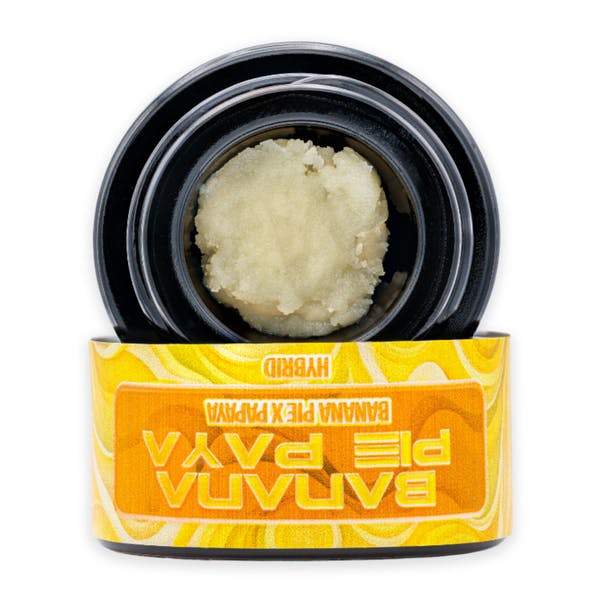
Queens · Rosin
Best Rosin in Richmond Hill, Queens
Richmond Hill's layered streetscape — where Jamaica Avenue's elevated train rattles above indie grocers and Liberty Avenue hums with South Asian and Caribbean commerce — deserves a concentrate that matches its complexity. Rosin, the solventless extract prized for preserving every terpene the original cultivar ever held, is precisely that concentrate: dense, aromatic, and uncompromising in its craft.
About Rosin
Rosin occupies a singular position in New York's licensed cannabis market. Unlike hydrocarbon or CO2 extracts, rosin is produced without chemical solvents — only calibrated heat and pressure coax resin from either cured flower, bubble hash, or fresh-frozen material. The result is a full-spectrum concentrate that retains the cannabinoid and terpene ratios as close to the living plant as current extraction science allows. In a state where licensed dispensaries must source from New York-permitted cultivators and processors, rosin also serves as a meaningful signal of craft: relatively few producers have the infrastructure and starting-material quality to yield rosin worth the premium shelf price. Within the concentrate category, rosin further subdivides by texture and process. Jar tech — whipping and cold-curing the fresh press — produces a sauce or budder with pronounced terpene expression and a more forgiving, spoonable consistency. Live rosin, made from fresh-frozen biomass, skews toward brighter top-note terpenes: limonene, terpinolene, ocimene. Cured-flower rosin often reads earthier, leaning into myrcene and caryophyllene for a heavier, more sedative lean. Hash rosin, pressing solventless bubble hash as the starting material, represents the category's apex: purity, clarity, and a return yield that justifies its higher price point. New York's Office of Cannabis Management licenses the cultivators and processors whose goods appear on any compliant dispensary shelf. Shoppers can verify a product's certificate of analysis — cannabinoid panel and residual-solvent test — at the point of sale. Because rosin contains no introduced solvents by definition, that residual-solvent line should read zero across the board; any COA that shows otherwise warrants a question to the budtender. THC potency in licensed rosin commonly ranges from the high fifties to the low eighties by percentage, a figure that can be misleading without context. Potency alone does not predict effect; terpene load, minor cannabinoids, and individual tolerance all modulate the experience. First-time concentrate users are encouraged to adopt a start-low, go-slow approach — a grain-of-rice-sized portion on a dab rig or an appropriate concentrate vaporizer is more than sufficient to assess response before considering more.
Rosin for Richmond Hill shoppers
Richmond Hill sits between the 11418 and 11419 ZIP codes in southwestern Queens, a dense, transit-reliant neighborhood where the J and Z trains trace the spine of Jamaica Avenue and the Q9 and Q112 buses thread through Liberty Avenue and Myrtle Avenue's commercial corridors. The neighborhood's residents skew toward working professionals with long commutes into Manhattan or Downtown Brooklyn — people who understand the value of efficiency and tend to be deliberate about how they spend discretionary income. Rosin, for this demographic, functions less as a casual impulse purchase and more as a considered weekend or after-work ritual. The climate of southern Queens amplifies certain use-case considerations. Summers along Jamaica Avenue are genuinely humid, with concrete retaining heat well into the evening; rosin, being temperature-sensitive, benefits from cool, dark storage — a factor worth planning for in a third-floor walkup without central air. Conversely, the long, grey winters that settle over Myrtle Avenue from December through March lend themselves to slower, more deliberate evenings at home, where a well-chosen live rosin's aromatic complexity can be appreciated properly. Richmond Hill residents who entertain within its vibrant Caribbean and South Asian social fabric will find that rosin's flavor fidelity — its ability to genuinely taste of the cultivar — makes it a conversation piece among peers who value artisanal quality. The neighborhood's proximity to JFK Airport along the Van Wyck Expressway also means a meaningful portion of residents work irregular or shift-based schedules, making on-demand delivery a practical necessity rather than a luxury. The ability to order rosin from a licensed Queens dispensary and receive it same-day, without navigating a subway transfer, fits neatly into Richmond Hill's pragmatic, time-conscious rhythms.
What to look for
Selecting rosin at a licensed New York dispensary rewards a methodical eye. Begin with the starting material: flower rosin is the most accessible entry point, with approachable pricing and a broad terpene range; hash rosin commands a premium but delivers a cleaner, more refined melt and superior clarity on a dab nail. If a product lists 'live rosin,' confirm whether the starting material was truly fresh-frozen — this distinction drives the brighter, more volatile terpene profile that separates live rosin from its cured counterparts. Terpene composition is the most reliable predictor of effect character. Myrcene-forward profiles (often listed as 'earthy,' 'musky,' or 'herbal' on the label) tend to pair with heavier, body-oriented experiences well suited to evening use — particularly relevant for Richmond Hill commuters unwinding after a long J-train ride from Fulton Street. Limonene and linalool-forward rosins read brighter, sometimes uplifting, making them more appropriate for social settings or a relaxed weekend afternoon. Caryophyllene, identifiable by a subtle pepper or spice note, contributes what many users describe as a grounding quality without pronounced sedation. Texture signals freshness and process integrity. Premium rosin should be pliable but not runny at room temperature; excessively oily or fully liquid product at 68°F may indicate degraded terpene content or improper storage in the supply chain. Budder and badder textures are forgiving for beginners loading a bucket or e-rig; sauce and live resin-style separations are better suited to experienced users comfortable with a two-phase material. Always ask to see the COA before purchase and cross-reference the testing date — rosin is best consumed within six months of extraction for peak terpene retention.
Why ZenZest for rosin in Richmond Hill
ZenZest Cannabis Dispensary operates its Queens location at 272-06 Union Turnpike in Bellerose, NY 11004 — approximately 6.8 miles from the heart of Richmond Hill's Jamaica Avenue corridor, a straightforward drive east through the residential blocks of South Richmond Hill and Kew Gardens Hills. The store carries a curated selection of licensed New York concentrates, with rosin represented across multiple price tiers and starting-material types, and staff who are accustomed to walking customers through COA documentation and terpene profiles without pressure. For residents of 11418 and 11419 who prefer not to make the trip, ZenZest offers free same-day delivery on qualifying orders over $100 to more than 80 eligible ZIP codes across New York — both Richmond Hill ZIPs fall within that network. Orders placed through the licensed platform arrive in compliant, discreet packaging, making the experience as deliberate and private as shopping in-store. Whether browsing live rosin from a boutique New York cultivator or exploring more accessible cured-flower expressions, ZenZest's Queens operation provides a reliable, fully legal point of access for Richmond Hill's concentrate-curious adults aged 21 and over.
ZenZest Queens · 272-06 Union Tpke, Bellerose, NY 11004 · 6.8 miles from Richmond Hill.
Live rosin for Richmond Hill
Full rosin menu →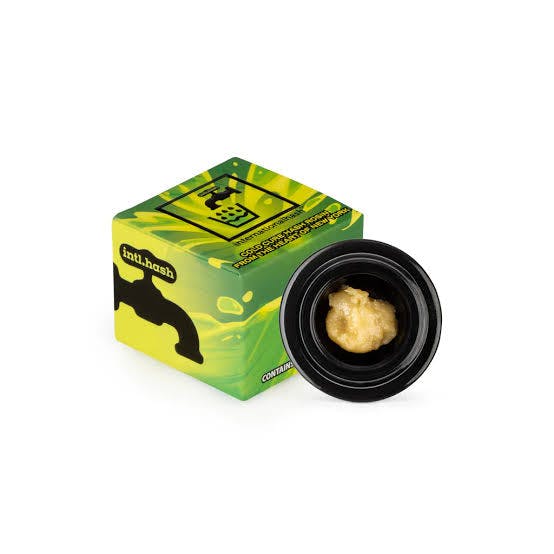
THC 75.74%Hybrid
INTERNATIONAL HASHInternational Hash | Cold Cure Hash Rosin | Grapefruit Hybrid · 1g
$66.37
$75after tax
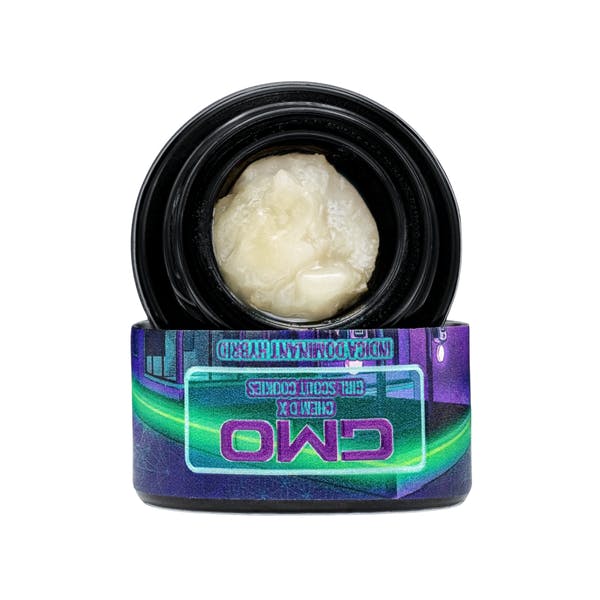
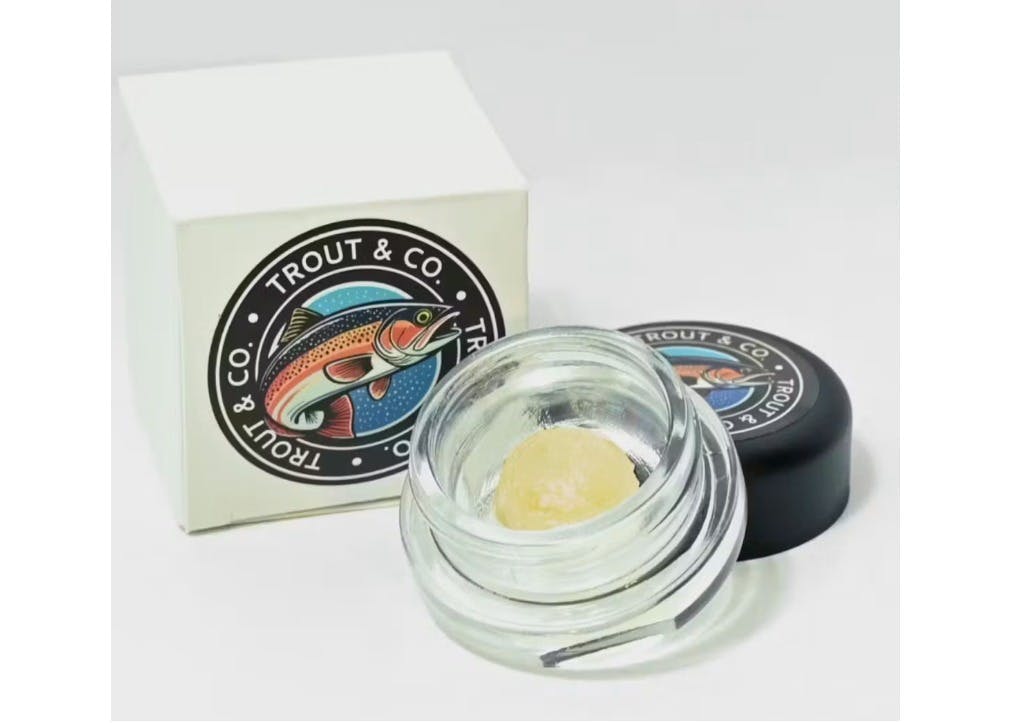
THC 77.52%Hybrid
Trout & Co.Trout & Co. | Super Funk | Live Rosin Private Reserve · 1g
$88.50
$100after tax
Rosin in Richmond Hill — answers
What exactly makes rosin 'solventless,' and why does that matter to a shopper in Richmond Hill?+
Rosin is produced using only heat and pressure — no butane, ethanol, or CO2 is introduced during extraction. For Richmond Hill shoppers who read ingredient labels carefully in the grocery aisles along Liberty Avenue, this distinction carries real weight: the final product contains only what the plant material held to begin with. A certificate of analysis for properly made rosin will show zero detectable residual solvents, a benchmark that other concentrate categories cannot always meet.
How should I store rosin during a hot Queens summer near Jamaica Avenue?+
Rosin is sensitive to heat and light. During New York's humid summers, store it in a sealed, airtight silicone or glass jar placed in the coolest, darkest corner of your home — a kitchen cabinet away from the stove, or a small drawer in an air-conditioned room. Temperatures above 75°F accelerate terpene degradation and can cause the product to separate or become runny. A brief stint in the refrigerator is acceptable, but allow the jar to return to room temperature before opening to prevent condensation from contacting the concentrate.
What is the difference between live rosin and cured-flower rosin, and which suits a Richmond Hill evening better?+
Live rosin begins with fresh-frozen cannabis harvested at peak ripeness, preserving volatile terpenes that would otherwise evaporate during a traditional dry-and-cure cycle. The resulting profile is often brighter and more aromatic. Cured-flower rosin uses dried and cured starting material, yielding an earthier, more myrcene-forward expression that many users associate with deeper physical relaxation. For a Richmond Hill evening winding down after a long commute on the J or Z train, a cured rosin with a myrcene-dominant terpene panel is worth considering.
Is rosin appropriate for someone new to cannabis concentrates?+
Rosin can be appropriate for curious newcomers, provided they respect its potency range — licensed New York rosin commonly tests between 60% and 80% THC by weight, multiples of what most flower products deliver. The standard guidance is to start with a very small amount, often described as the size of a grain of rice on a concentrate-compatible vaporizer or rig, and allow ample time to assess the effect before considering any additional amount. Rosin's clean ingredient profile makes it a reasonable first concentrate, but its strength demands genuine patience.
Can ZenZest deliver rosin to my address in the 11418 or 11419 ZIP code?+
Yes. ZenZest Cannabis Dispensary's Queens location offers free same-day delivery on orders exceeding $100 to more than 80 New York ZIP codes, and both Richmond Hill ZIP codes — 11418 and 11419 — are within that eligible delivery network. Orders are fulfilled through a licensed, compliant process and arrive in discreet packaging. This is a practical option for Richmond Hill residents whose schedules make a 6.8-mile trip to Bellerose inconvenient on any given day.
What terpenes should I look for in a rosin that pairs well with Richmond Hill's social culture?+
Richmond Hill's vibrant Caribbean and South Asian social settings tend to call for rosin profiles that are expressive without being overwhelming. Look for products with notable limonene (citrus, bright) or linalool (floral, subtly calming) content for social occasions where conversation and music are the backdrop. Caryophyllene adds a pleasant spice note that many find complements aromatic food environments. Ask to see the terpene panel on the COA — any licensed New York dispensary should be able to provide this documentation.
What equipment do I need to consume rosin purchased from a licensed Queens dispensary?+
The most common method is a dab rig paired with a quartz banger or an electronic nail, which allows precise temperature control — an important factor for preserving rosin's terpene complexity. E-rigs and portable concentrate vaporizers are quieter and more discreet options well suited to apartment living along Myrtle Avenue. Rosin can also be layered atop flower in a bowl or rolled into a joint for a slower, less intense experience. Whichever method you choose, lower temperatures (around 450–550°F for a rig) tend to produce better flavor from solventless material.
How do I read a certificate of analysis for rosin at the dispensary?+
A COA for rosin should include a cannabinoid potency panel showing total THC and CBD percentages, a terpene panel listing individual compounds by percentage, a residual solvents panel (which should show non-detected across all analytes for true rosin), and a microbial safety panel. Check the testing date — results older than six months on a concentrate product may not accurately reflect the current terpene content. Licensed New York dispensaries are required to make COAs available upon request, and a knowledgeable budtender will walk you through any line item.
Does weather along the Liberty Avenue corridor affect how I should transport rosin home?+
It does. During peak summer months, when sidewalk temperatures in Richmond Hill can feel noticeably warmer than the ambient air reading, carrying rosin in a warm car or bag for an extended period risks softening the product and accelerating terpene loss. If you are picking up from ZenZest in Bellerose, consider placing the sealed product in a small insulated bag or cooler pouch for the return trip. In winter, cold temperatures firm up the concentrate considerably, making it more brittle — allow it to warm to room temperature gradually before handling.
Why is hash rosin typically more expensive than flower rosin, and is the price difference justified?+
Hash rosin begins with bubble hash — an already-concentrated form of trichome heads separated from the plant using ice water and fine mesh screens. Pressing hash rather than raw flower significantly increases the purity and clarity of the final product, removes excess plant waxes and lipids, and improves the melt quality on a nail. The multi-step process, lower overall yield relative to starting material, and the skill required at each stage justify the premium. For Richmond Hill shoppers evaluating a discretionary purchase, hash rosin represents the category's most refined expression and is worth the cost for those who prioritize sensory quality over volume.