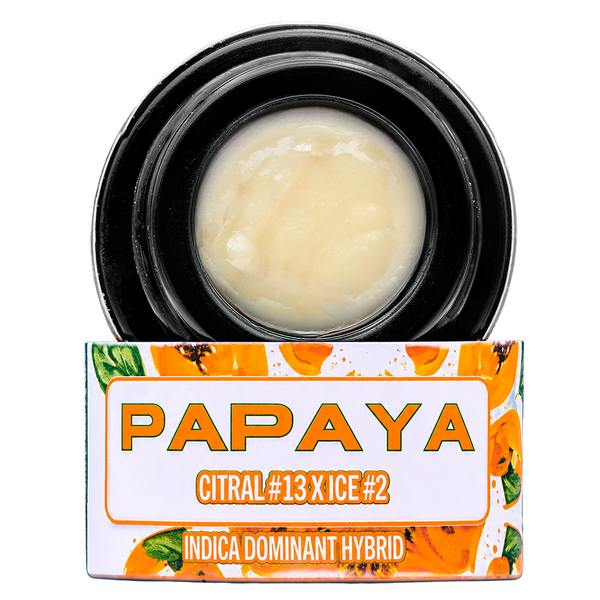
On sale· 20% OFF
THC 81.28%·CBD 0.26%Indica-Hybrid
UmamiiUmamii | Live Rosin Jar | Papaya · 2g
$80.70$100.88
$94after tax

weeddispensarynearme.com
You must be 21 years or older to enter. By entering, you confirm you’re of legal age in your state to purchase cannabis.
For use only by adults 21+ • Keep out of reach of children
NoHo occupies a precise sliver of lower Manhattan — Bond Street's cast-iron facades, the quiet authority of Great Jones Street, the Bowery's long cultural memory — and the adult-use cannabis shoppers who move through ZIP codes 10003 and 10012 bring the same discernment to concentrates that they bring to everything else. This guide is for them.
About Concentrates
Concentrates represent the most refined expression of the cannabis plant available to New York's licensed adult-use market. Extracted from flower through methods ranging from hydrocarbon processing to solventless rosin pressing, these products distill cannabinoids and terpenes into dense, potent formats that experienced consumers often prefer for their efficiency and sensory clarity. In New York's regulated supply chain, all concentrates sold through licensed dispensaries undergo laboratory testing for potency, residual solvents, pesticides, and microbial contaminants — a layer of accountability that matters when the product you're purchasing may reach 60 to 90 percent THC by weight. The category itself is broad. Live resin captures the terpene profile of fresh-frozen plant material, preserving aromatic compounds that would otherwise degrade during the drying and curing process. Badder and budder offer a whipped, workable consistency prized for ease of handling. Diamonds and sauce pair crystalline THCA structures with a rich, fluid terpene extract. Rosin — solventless, pressed from either flower or hash — has become the benchmark for purists who want nothing between them and the plant's natural chemistry. Hash itself, from classic pressed forms to modern ice-water-extracted bubble hash, adds yet another dimension. For shoppers new to concentrates, the format can feel technical. The vocabulary — live, cured, BHO, rosin, terp sauce — signals an industry still developing its consumer-facing language. What matters most is understanding that higher THC percentage is not automatically superior. The terpene profile, the extraction method's effect on flavor, and the overall cannabinoid spectrum all shape the experience. New York's Office of Cannabis Management licenses every producer whose products appear on dispensary shelves, and the state's testing mandates ensure that the number on the label reflects what is actually in the container. That regulatory floor sets a standard consumers in other markets often lack.
Concentrates for NoHo shoppers
NoHo's resident and visitor profile is specific. The neighborhood draws architects, gallerists, musicians, and the kind of creative professionals who keep studios on Great Jones Street and conduct client meetings in Bond Street lobbies. It is a neighborhood that values restraint and connoisseurship — the same instincts that lead someone to seek out a single-origin espresso or a small-production natural wine apply naturally to the question of which live rosin to bring home. The Bowery's transformation over the past two decades has layered luxury residential buildings atop its historical grit without fully erasing either, and the ZIP codes 10003 and 10012 contain multitudes: NYU students walking east from Washington Square Park, longtime residents who remember when this stretch was quieter, and a steady flow of visitors drawn by the boutiques and galleries. Concentrates appeal across this range, though for different reasons. The student crowd may be drawn to the efficiency — a small amount of product, carefully managed, lasts considerably longer than an equivalent spend on flower. The more established consumer often gravitates toward solventless options and the nuanced flavor they deliver. Seasonal context matters here too. Manhattan winters compress social life indoors, and NoHo's compact blocks mean residents spend more time in their apartments than in sprawling outdoor spaces. Concentrates, used with a portable device or a simple dab setup, fit neatly into that interior life. Summer brings rooftop gatherings and the occasional walk down to the East Village or across to Hudson Square, where a discreet, low-odor concentrate vape pen travels well.
What to look for
Selecting a concentrate begins with the extraction method, because method determines both what survives from the original plant and what residues — if any — the process introduces. Solventless options such as rosin and bubble hash involve only pressure, heat, and cold water, leaving no hydrocarbon trace. Solvent-based extracts like BHO (butane hash oil) are processed to remove residual solvents, and New York's testing requirements set strict limits, but consumers with a preference for minimal processing will gravitate toward solventless products regardless. Terpenes are the second major consideration. These aromatic compounds — myrcene, limonene, caryophyllene, linalool, among many others — contribute significantly to the character of the experience and interact with cannabinoids in ways that are still being studied. Live resin and live rosin, made from fresh-frozen material, typically carry a more vivid, true-to-plant terpene profile than products made from cured and dried flower. For a NoHo consumer who already pays close attention to provenance and process in other areas of life, the difference between a terpene-rich live product and a more processed distillate is worth understanding before purchasing. Format trade-offs are practical as well as qualitative. Cartridges and disposable vape pens offer portability and minimal odor — relevant for a neighborhood where most living situations involve shared building spaces or close neighbors. Jars of badder, diamonds and sauce, or rosin require a dab rig or a portable concentrate device and are better suited to deliberate, at-home sessions. Potency ranges widely — from roughly 60 percent THC in certain hash products to above 90 percent in some distillates. The consistent guidance for any consumer, regardless of experience level, is to start low and go slow, particularly when trying a new format or a new producer's product for the first time.
Why ZenZest for concentrates in NoHo
ZenZest Cannabis Dispensary operates two New York locations, and the nearest to NoHo is ZenZest Staten Island at 2343 Forest Ave, Staten Island, NY 10303 — approximately 11 miles from the Bond Street and Great Jones Street corridor. The distance is straightforward to cover via the Staten Island Ferry and a short ride, but for NoHo residents who prefer not to make a dedicated trip, ZenZest's same-day delivery service is the more practical option. Orders over $100 qualify for free same-day delivery across more than 80 New York ZIP codes, and both 10003 and 10012 fall within that coverage area. The concentrate selection at ZenZest is curated with the same editorial care that defines the brand. Whether you are sourcing a solventless rosin for a quiet evening in a Great Jones Street apartment, a live resin cartridge for the commute home through the Bowery, or a gram of diamonds and sauce to share with a knowledgeable friend, the licensed inventory reflects New York's regulated producer network. Staff are trained to speak to extraction methods, terpene profiles, and format differences without resorting to hype — a tone that suits the NoHo consumer well.
ZenZest Staten Island · 2343 Forest Ave, Staten Island, NY 10303 · 11 miles from NoHo.
$94after tax
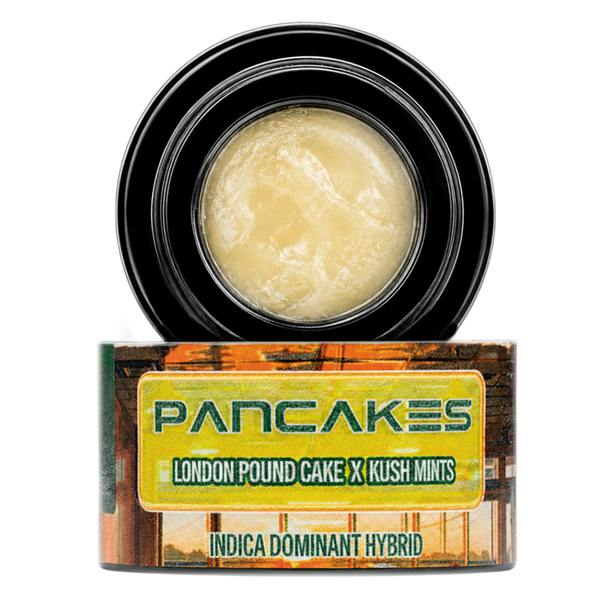
$99after tax
$40after tax
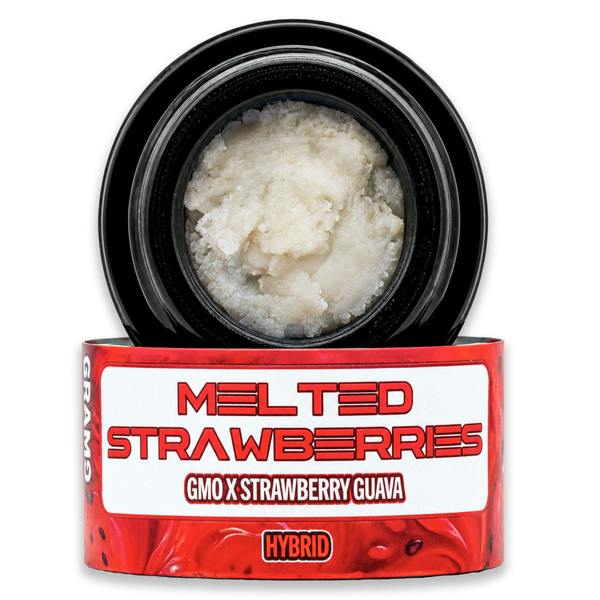
$93after tax
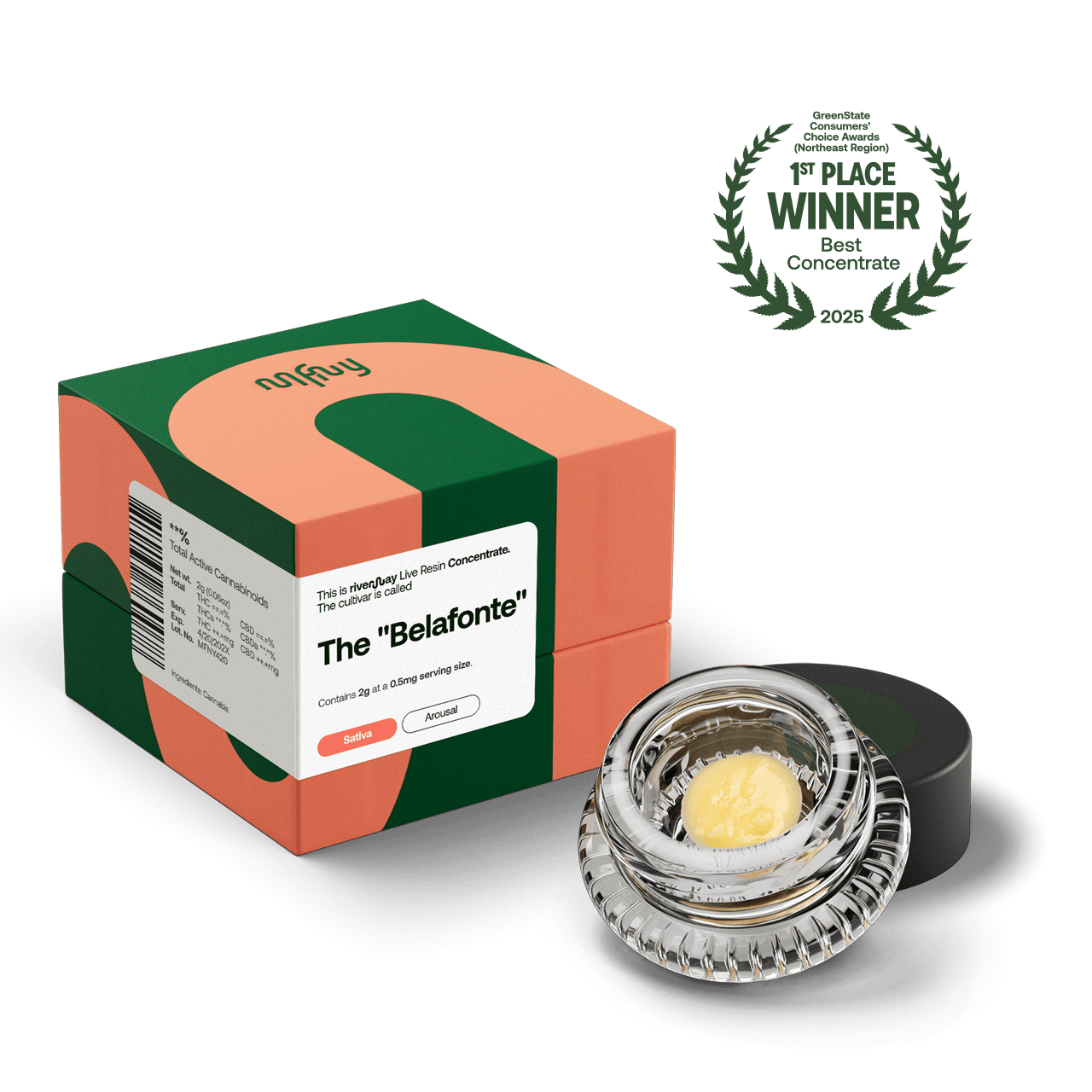
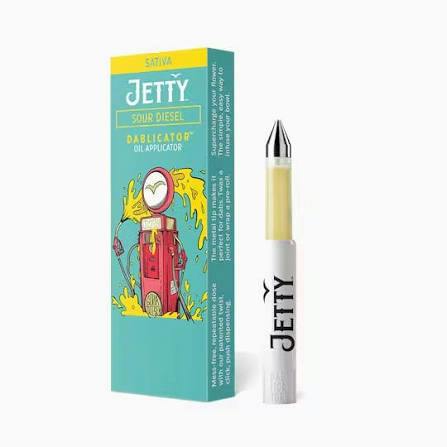
$40after tax

$99after tax
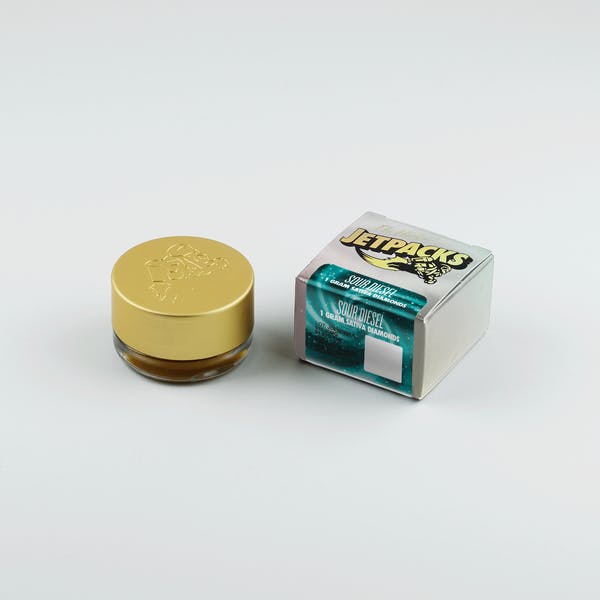
Licensed New York dispensaries carry a range of concentrate formats including live resin, live rosin, cured resin, badder, budder, diamonds and sauce, distillate cartridges, and various forms of hash. The specific selection varies by retailer and changes as new licensed producers enter the state's supply chain. NoHo shoppers in ZIP codes 10003 and 10012 have access to this full category through in-store visits or same-day delivery services like those offered by ZenZest, which covers both ZIP codes on orders over $100.
Live resin is extracted using solvents — typically butane or propane — from fresh-frozen cannabis, preserving the terpene profile of the living plant. Live rosin is extracted solventlessly from fresh-frozen material using only heat, pressure, and ice water. The distinction matters to consumers who prioritize minimal processing. For a NoHo buyer already accustomed to evaluating production methods in food, wine, or other craft categories, the solventless nature of rosin is often the deciding factor, even though both products offer a vivid, terpene-forward experience.
Where licensed New York flower typically falls in the 20 to 30 percent THC range, concentrates can run from roughly 60 percent in some hash and rosin products to above 90 percent in certain distillates. For anyone new to concentrates — or returning after time away — the standard guidance is to start with a very small amount, wait to understand its effect, and increase from there over subsequent sessions. This is not a category where prior flower experience directly translates to a known comfort level.
A traditional dab rig — a water pipe fitted with a titanium, quartz, or ceramic nail heated with a torch — is one option, but it is neither the only nor necessarily the most practical one for NoHo's density of apartment buildings. Portable electronic concentrate devices, often called e-rigs or wax pens, offer similar functionality with less setup and lower odor output. Distillate and live resin cartridges used with a standard 510-thread battery are the most discreet and low-commitment entry point into the concentrate category.
Concentrates degrade when exposed to light, heat, air, and humidity fluctuations. In a NoHo apartment, where summer temperatures can push indoor air warm and winter heating creates dry conditions, airtight glass or silicone containers stored away from direct light are ideal. Parchment paper is suitable for short-term handling but not long-term storage. Refrigeration is used by some consumers for rosin and other solventless products, though bringing product back to room temperature before handling prevents condensation from compromising texture and flavor.
Terpene preference is personal, and no terpene produces a guaranteed effect, but several are commonly associated with relaxed, calm experiences. Myrcene appears frequently in indica-leaning cultivars and is often described as earthy and musky. Linalool, also found in lavender, is noted for its smooth, floral character. Caryophyllene, which also appears in black pepper, is the only known terpene that interacts with the body's cannabinoid receptors and is often chosen for its grounding quality. Lab-tested New York products list terpene content, making it possible to compare profiles before purchasing.
Yes. ZenZest Cannabis Dispensary offers free same-day delivery on orders over $100, and both 10003 and 10012 are within their 80-plus ZIP code delivery footprint. Delivery requires age verification — all recipients must be 21 or older — and must comply with New York adult-use regulations. This option is particularly relevant for NoHo residents who prefer the convenience of a curated online selection over making the trip to a physical store, especially during busy workweeks or inclement weather.
Solventless concentrates — primarily rosin and ice-water hash — are produced without introducing hydrocarbon solvents such as butane, propane, or ethanol into the extraction process. The only agents used are mechanical force, heat, and cold water. This method is considered by many consumers to produce a cleaner, more plant-accurate flavor, and because there is no solvent to purge, the residual solvent concern associated with BHO products is eliminated. The premium reflects both the lower yield per pound of input material and the labor-intensive nature of quality solventless production.
Yes. New York State's Office of Cannabis Management requires that all adult-use cannabis products, including concentrates, pass laboratory testing before they can be sold through licensed retailers. Testing covers potency — confirming that THC, CBD, and other cannabinoid percentages match the label — as well as residual solvents (for solvent-based extracts), pesticides, heavy metals, microbial contaminants, and mycotoxins. This regulatory structure means that a concentrate purchased at a licensed New York dispensary carries documented accountability that unlicensed products cannot offer.
Distillate cartridges contain highly refined THC — often above 80 percent — that has been stripped of most minor cannabinoids and original terpenes, which are sometimes re-introduced in processed form afterward. The result is a potent, consistent, relatively flavor-neutral product. Live resin cartridges preserve the terpene and cannabinoid complexity of the fresh-frozen source material, delivering more nuanced flavor and what many consumers describe as a more layered experience. For a NoHo consumer who values provenance and sensory specificity, live resin cartridges generally justify the higher price point.
Pick your store
We'll show pricing, deals, and delivery zones for the store you pick. You can switch any time from the header.