On sale· 20% OFF
THC 70.7%Indica-Hybrid
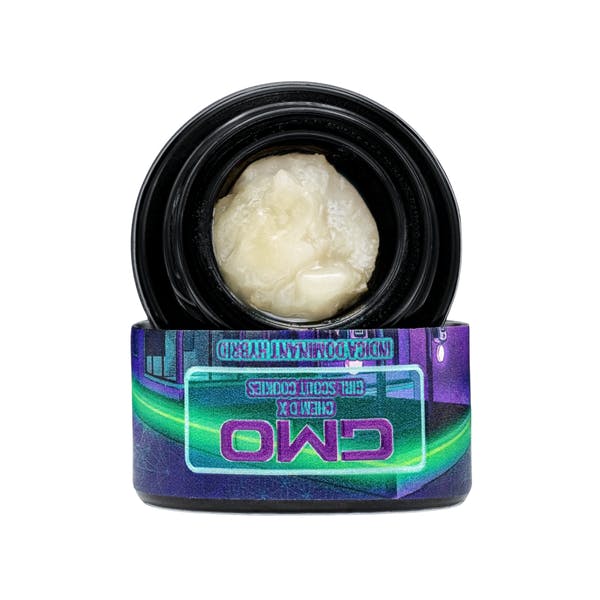
UmamiiUmamii | Live Rosin Jar | GMO · 2g
$80.00$100.00
$93after tax

weeddispensarynearme.com
You must be 21 years or older to enter. By entering, you confirm you’re of legal age in your state to purchase cannabis.
For use only by adults 21+ • Keep out of reach of children
The Lower East Side has always moved at its own frequency — part old-world tenement history, part forward-thinking creative culture, all compressed into the ZIP code 10002. For cannabis consumers who prefer precision over approximation, concentrates represent the category most aligned with that sensibility: refined, potent, and deliberately crafted for those who know exactly what they want.
About Concentrates
Concentrates occupy a distinct tier in the licensed New York cannabis market. Extracted from cultivar-specific flower through processes ranging from hydrocarbon and CO2 methods to solventless rosin pressing, these products strip away plant matter to isolate the compounds that matter most — cannabinoids, terpenes, and the subtle chemical interactions between them. The result is a category defined by potency and purity rather than volume, which distinguishes it sharply from flower or edibles in both experience and technique. New York's Office of Cannabis Management licenses a growing range of concentrate formats, and what reaches retail shelves has passed both state testing and chain-of-custody documentation requirements. That regulatory layer matters for consumers in a market that, even years into legalization, still competes with unlicensed product. Licensed concentrates carry a certificate of analysis — commonly called a COA — that verifies cannabinoid percentages, residual solvent levels, and microbial safety. Purchasing from a licensed retailer is the only way to confirm you are working with verified product. The formats themselves vary considerably. Live resin preserves the fresh-frozen terpene profile of the source plant, producing a sauce or sugar texture with pronounced aromatic complexity. Badder and budder offer a whipped, workable consistency suited to dabbing or vaporizer loading. Rosin, pressed mechanically without solvents, appeals to the solventless-purist segment and commands a premium accordingly. Distillate cartridges, while sometimes grouped separately, begin as a concentrated extract and are worth understanding within this broader category context. For adult-use consumers 21 and older, concentrates represent an efficient format — small quantities deliver substantial effect, which makes them cost-effective over time despite higher per-gram price points. The standard guidance for any consumer new to this category is to start with the smallest functional amount and allow adequate time before reassessing.
Concentrates for Lower East Side shoppers
The Lower East Side is one of Manhattan's most compressed neighborhoods in the best sense — within a few blocks of the Essex Market on Delancey Street or a slow walk down Orchard Street past its mix of vintage storefronts and design-forward boutiques, you encounter residents who have lived here for decades alongside newer arrivals drawn by the arts, the restaurants, and the palpable sense that something is always being made or remade in 10002. That layered, intentional energy maps naturally onto the concentrates category, which rewards consumers who bring curiosity and patience to their purchases rather than reaching for the most familiar shelf item. Practically speaking, the neighborhood's density means that most residents are on foot or using the J, M, Z, and F trains rather than commuting by car. Concentrates — particularly cartridges and portable dab devices — suit an urban lifestyle where discretion, portability, and efficiency are priorities. A well-charged vaporizer loaded with a quality live resin cartridge takes up less room than a pre-roll case and produces a more controlled output, which matters when you are stepping out between sets at a Ludlow Street venue or heading home across the Williamsburg Bridge on the J. The LES also hosts a sophisticated, well-traveled consumer base that tends to research purchases before making them. The same person who reads the tasting notes on a natural wine at a Rivington Street bottle shop is likely to engage with a concentrate's COA and terpene breakdown before committing. This is a neighborhood that responds to quality and provenance, and the concentrates category, at its best, provides both.
What to look for
Selecting a quality concentrate begins with understanding what the extraction method preserves and what it sacrifices. Live resin and live rosin — both derived from fresh-frozen or freshly harvested plant material — retain the widest terpene spectrum of any concentrate format. That aromatic complexity translates directly into the character of the experience, since terpenes like myrcene, limonene, caryophyllene, and terpinolene interact with cannabinoids in ways that shape effect beyond raw THC percentage. If a product lists only THC content without any terpene data, treat that as incomplete information. THC potency in concentrates routinely falls between 70 and 90 percent by weight, with some solventless products testing lower due to retained plant waxes and a broader minor-cannabinoid profile. A lower THC reading on a full-spectrum rosin does not indicate an inferior product — it often reflects a more complete extraction. Conversely, a high-THC distillate that lists no terpenes or minor cannabinoids has likely been stripped to a narrow chemical profile. Neither is universally superior; they serve different consumer priorities. For residents of the Lower East Side specifically, format choice often hinges on lifestyle practicality. Cartridge-based concentrates offer maximum portability and require minimal equipment, making them well suited to the neighborhood's on-the-move pace. Those who consume primarily at home — in one of the area's apartments or lofts — may find that a desktop or portable dab rig paired with a jar of live rosin or badder delivers a more complete and customizable experience. Budget-conscious shoppers should note that while per-gram pricing is higher than flower, the efficiency of concentrates means a single gram extends considerably further with mindful use.
Why ZenZest for concentrates in Lower East Side
ZenZest Cannabis Dispensary serves Lower East Side residents through its Staten Island location at 2343 Forest Ave, Staten Island, NY 10303 — approximately 10.9 miles from 10002, with same-day delivery available on qualifying orders. For a neighborhood where time and convenience carry real value, that delivery threshold — orders over $100 — is straightforward to meet within the concentrates category, where per-unit pricing reflects the craft and refinement of the product. The ZenZest model prioritizes a curated, knowledgeable retail experience over a high-volume shelf approach. Staff are trained to walk consumers through COA data, terpene profiles, and format distinctions rather than simply pointing toward the highest-THC option on the menu. For the Lower East Side consumer who approaches cannabis with the same discernment they bring to any other considered purchase — whether that is an Orchard Street vintage find or an Essex Market specialty ingredient — ZenZest's inventory depth in the concentrates category and its delivery reach into Manhattan make it a practical and premium-aligned choice.
ZenZest Staten Island · 2343 Forest Ave, Staten Island, NY 10303 · 10.9 miles from Lower East Side.
$93after tax
$35after tax
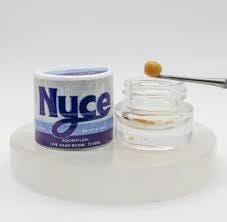
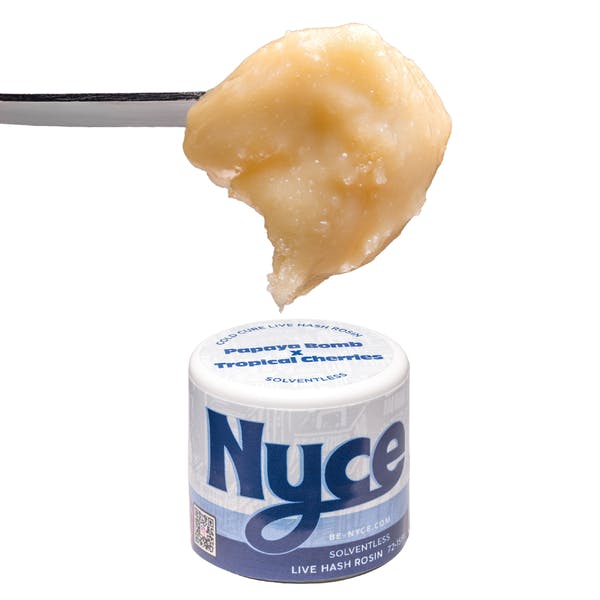
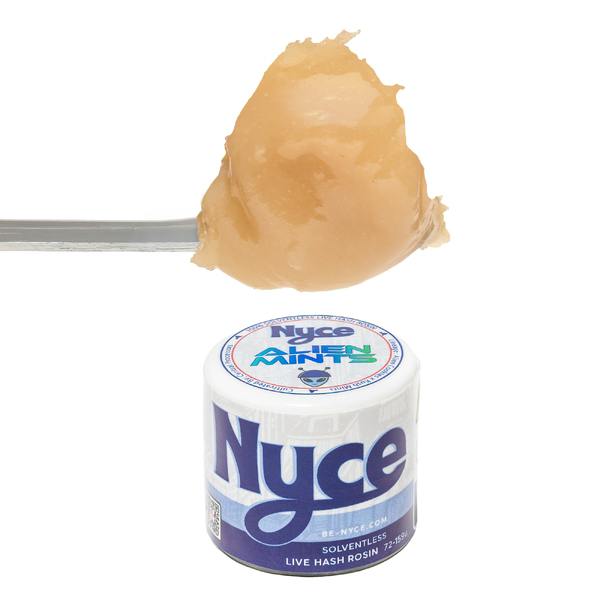
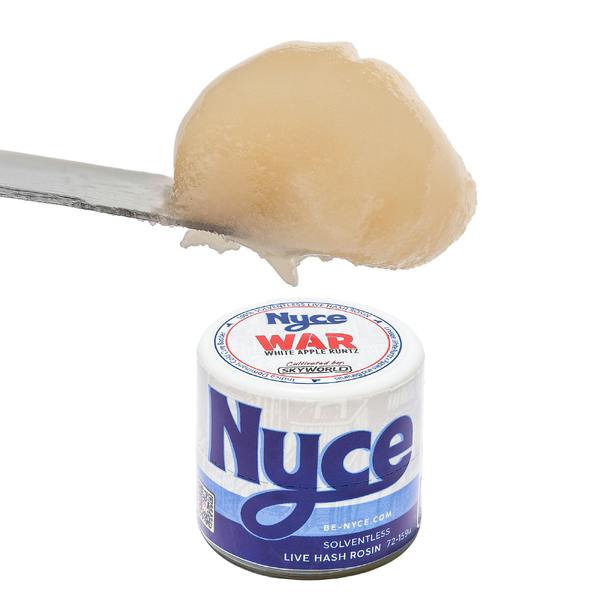
Live resin is extracted using hydrocarbon solvents from fresh-frozen plant material, preserving a wide terpene profile while achieving high potency. Live rosin skips solvents entirely, using heat and pressure to press oil from fresh or hash material — it is the solventless benchmark. For a first-time concentrate consumer in 10002, a live resin cartridge often offers the gentlest entry point: it requires no additional equipment, is discreet enough for apartment living, and still delivers the aromatic complexity that distinguishes concentrates from standard distillate. Start with a small, intentional draw and wait before reassessing.
Products sold through any licensed dispensary in New York — including those delivering to Lower East Side ZIP code 10002 — are required to carry a certificate of analysis confirming cannabinoid levels, residual solvent content where applicable, and microbial safety. This testing requirement is enforced by the Office of Cannabis Management. Unlicensed market products carry no such verification, which is a meaningful safety distinction in a category where extraction chemistry matters. Always confirm you are purchasing from a licensed retailer when buying concentrates.
The answer depends on the format. Cartridge-based concentrates require only a compatible 510-thread battery, which is compact and widely available. Badder, rosin, and sugar concentrates require either a portable e-nail or a traditional dab rig with a torch and quartz banger. For apartment-dwellers in 10002 who want to avoid open-flame setups, an electronic dab device or portable vaporizer designed for concentrates is a practical and controllable alternative. Loading a cartridge remains the lowest barrier to entry for most new concentrate consumers.
Concentrates are sensitive to heat and UV exposure, both of which degrade terpenes and alter consistency over time. In a 10002 apartment — where summer heat can be significant and winter radiator heat creates its own fluctuations — the best practice is to store concentrates in an airtight, opaque container kept at room temperature or cooler. A small dedicated jar in a cabinet away from windows is sufficient for short-term storage. For longer-term preservation, particularly with rosin, a refrigerator in a sealed glass container is appropriate, though always bring product to room temperature before handling.
Terpene preference is individual, but certain profiles are commonly associated with social, engaged experiences. Limonene — found in citrus-forward cultivars — tends toward an uplifted, conversational quality. Terpinolene appears in cultivars often described as bright and creative. Caryophyllene, a peppery compound, pairs with a grounded, present quality that some consumers find well suited to live music or gallery settings. These are general associations rather than medical claims; the terpene data on a product's COA gives you the most direct information about what a specific concentrate offers.
Within the concentrates category, yes — per-gram pricing for licensed live resin, rosin, and premium badder in the New York market typically ranges from roughly $40 to $80 or more depending on the format and brand, meaning two to three grams or a combination of formats will generally meet the threshold. For Lower East Side residents who want to consolidate a cannabis order rather than making multiple trips or visits, building a concentrate-focused cart that crosses $100 is straightforward and unlocks free same-day delivery across more than 80 New York ZIP codes.
Concentrates consumed via inhalation — whether through a cartridge or dab setup — typically produce onset within minutes, making them more predictable in timing than edibles, which can take 45 minutes to two hours depending on the individual and food intake. Duration for inhaled concentrates tends to be shorter than edibles as well, generally one to three hours. For someone managing an evening with multiple stops between Delancey Street and Ludlow, that more defined onset-and-offset window can be a practical advantage. As always, starting with the smallest useful amount applies regardless of format.
Full-spectrum is used to describe a concentrate that retains the range of cannabinoids and terpenes present in the original plant material — including minor cannabinoids like CBG, CBN, and CBC alongside THC and CBD. The significance lies in what researchers call the entourage effect: the theory that these compounds interact synergistically to produce a more nuanced effect than isolated THC alone. For a consumer in 10002 who values complexity and craft in what they purchase — consistent with the LES appetite for provenance and quality — a full-spectrum label is a meaningful distinction worth verifying against the COA.
New York adult-use cannabis may be possessed and consumed by adults 21 and older within the state, but public consumption remains prohibited under New York law regardless of form or format. This includes streets, transit, parks, and vehicles. A cartridge is portable, but legal consumption is limited to private spaces where the property owner permits it. If you are moving between neighborhoods — say, from the Lower East Side to Brooklyn for an event — the cartridge travels with you legally, but consumption should remain in appropriate private settings.
A COA for a concentrate typically lists total THC and CBD percentages by weight, along with any tested minor cannabinoids and a terpene panel if the producer provides one. The residual solvent section confirms whether extraction chemicals fall below state safety thresholds — for solvent-based products, this is a key data point. Microbial and heavy metal panels indicate absence of contaminants. For most consumers, the terpene breakdown and the residual solvent clearance are the most informative sections beyond basic potency. A reputable licensed retailer will provide COA access either in-store or via QR code on the packaging.
Pick your store
We'll show pricing, deals, and delivery zones for the store you pick. You can switch any time from the header.