
Manhattan · Flower
Best Flower in Lower East Side, Manhattan
The Lower East Side has long cultivated an appetite for the authentic — from the century-old tenements along Orchard Street to the reinvented stalls of Essex Market. That same discerning sensibility now extends to cannabis flower, where 10002 shoppers are seeking cultivars as layered and considered as the neighborhood itself.
About Flower
Cannabis flower remains the foundational format in the legal New York market, and for good reason. Smoking or vaporizing dried, cured bud delivers one of the most immediate and transparent experiences available to adult-use consumers — the aroma, the burn, the onset all communicate quality in ways that processed formats sometimes obscure. Licensed dispensaries operating under the New York Office of Cannabis Management are required to source from state-licensed cultivators, meaning every gram on a legal shelf comes with a traceable chain of custody, third-party lab testing for potency and contaminants, and standardized labeling that includes cannabinoid percentages and harvest data. Within that licensed framework, flower quality still varies considerably. Small-batch indoor grows tend to produce denser trichome coverage and more expressive terpene profiles than large-scale greenhouse operations, though some greenhouse cultivators have refined their craft to rival indoor results. Consumers should pay attention to cure date as much as harvest date — properly cured flower that has rested four to eight weeks typically smokes smoother and expresses its terpene character more fully than flower rushed to shelf. New York's licensed flower market has matured quickly since adult-use sales commenced. Cultivars from heritage genetics — Sour Diesel, OG Kush lineages, and classic Hazes — now share shelf space with contemporary crosses bred for specific terpene profiles or novel cannabinoid ratios. For the thoughtful shopper, this abundance is an invitation to explore rather than default to a familiar name. A budtender who can speak to provenance, terpene composition, and intended experience is worth seeking out. State regulations cap adult-use purchases at three ounces of flower per transaction for consumers 21 and older. Pre-rolls, infused pre-rolls, and loose flower are all classified under the flower category and are subject to the same licensing and testing requirements.
Flower for Lower East Side shoppers
The Lower East Side occupies a singular position in the cultural geography of Manhattan. Delancey Street anchors the neighborhood with its broad, purposeful energy — a corridor that has witnessed wave after wave of reinvention while retaining the density and texture that defines the area. Orchard Street, lined with boutiques that range from vintage to high-design, draws a crowd that tends toward the considered purchase, the object selected for craft rather than convenience. Essex Market, rehoused in its modern building on Delancey, has become a weekly ritual for residents who want provenance with their produce. These are not shoppers who reach for the first thing on the shelf. That curatorial instinct translates directly to cannabis flower. Lower East Side residents tend to be younger professionals, creative-industry workers, and long-rooted community members who have watched the neighborhood negotiate its identity across decades. Evening use after a shift at one of the area's restaurants or bars, weekend unwinding in a compact apartment, or pre-gallery visits in the broader SoHo-adjacent corridor — these are the occasions that shape what a thoughtful flower purchase looks like here. The ZIP 10002 also sits close enough to the waterfront that weather plays a role. In summer, humidity can affect how stored flower dries out or, conversely, retains moisture; a proper humidity pack in the jar and a cool storage spot matter more than many shoppers realize. In winter, the walk between Canal Street and Houston Street is brisk enough that a pocket-friendly pre-roll or a half-eighth to take home becomes the practical choice. Format and storage are not afterthoughts in this neighborhood — they are part of the purchase calculus.
What to look for
When evaluating cannabis flower in any format, terpenes are the most reliable guide to anticipated experience. Myrcene, one of the most prevalent terpenes in contemporary cultivars, contributes an earthy, slightly musky quality and is commonly associated with a more physically relaxed effect profile. Limonene, present in many sativa-leaning hybrids, brings citrus brightness and tends to accompany more uplifted experiences. Caryophyllene, with its peppery, spiced character, is notable for also interacting with CB2 receptors and appears frequently in cultivars marketed for evening use. A dispensary that can provide a full terpene panel — not just a THC percentage — is offering meaningfully more information. THC potency, often the first number shoppers reach for, tells only part of the story. A flower testing at 22 percent THC with a rich terpene profile will frequently deliver a more nuanced experience than one testing at 28 percent with a sparse secondary-cannabinoid composition. For consumers new to flower or returning after a long absence, a starting range of 15 to 20 percent THC with well-documented terpenes is a sensible entry point — and the principle of starting low and going slowly applies here as clearly as anywhere in the category. Format trade-offs matter for Lower East Side shoppers specifically. Loose flower in a sealed jar offers the best value per gram and maximum flexibility — it can be rolled, packed into a pipe, or loaded into a dry-herb vaporizer, which is increasingly common among apartment dwellers who appreciate discretion and temperature control. Pre-rolls provide convenience for those navigating the neighborhood's compact living situations or heading out to Seward Park or the East River waterfront. Infused pre-rolls, which incorporate concentrate into the paper or core, deliver elevated potency and are worth approaching with particular patience for less-experienced consumers.
Why ZenZest for flower in Lower East Side
ZenZest Cannabis Dispensary serves Lower East Side residents through its Staten Island location at 2343 Forest Ave, Staten Island, NY 10303 — approximately 10.9 miles from the heart of 10002. For shoppers who prefer to visit in person, the store carries a curated selection of New York-licensed flower across a range of cultivars, formats, and price points, with staff prepared to speak to terpene profiles and cultivator provenance rather than simply restating label copy. For those who prefer the convenience that suits a busy Lower East Side schedule, ZenZest offers free same-day delivery on orders over $100 to more than 80 New York ZIP codes, with 10002 among the eligible areas. An order placed from an apartment off Essex Market or a loft on Orchard Street can arrive the same day, properly packaged and fully compliant with state regulations. The delivery option makes it practical to explore the broader catalog — comparing cultivars, trying a new format — without committing to a single in-store visit.
ZenZest Staten Island · 2343 Forest Ave, Staten Island, NY 10303 · 10.9 miles from Lower East Side.
Live flower for Lower East Side
Full flower menu →
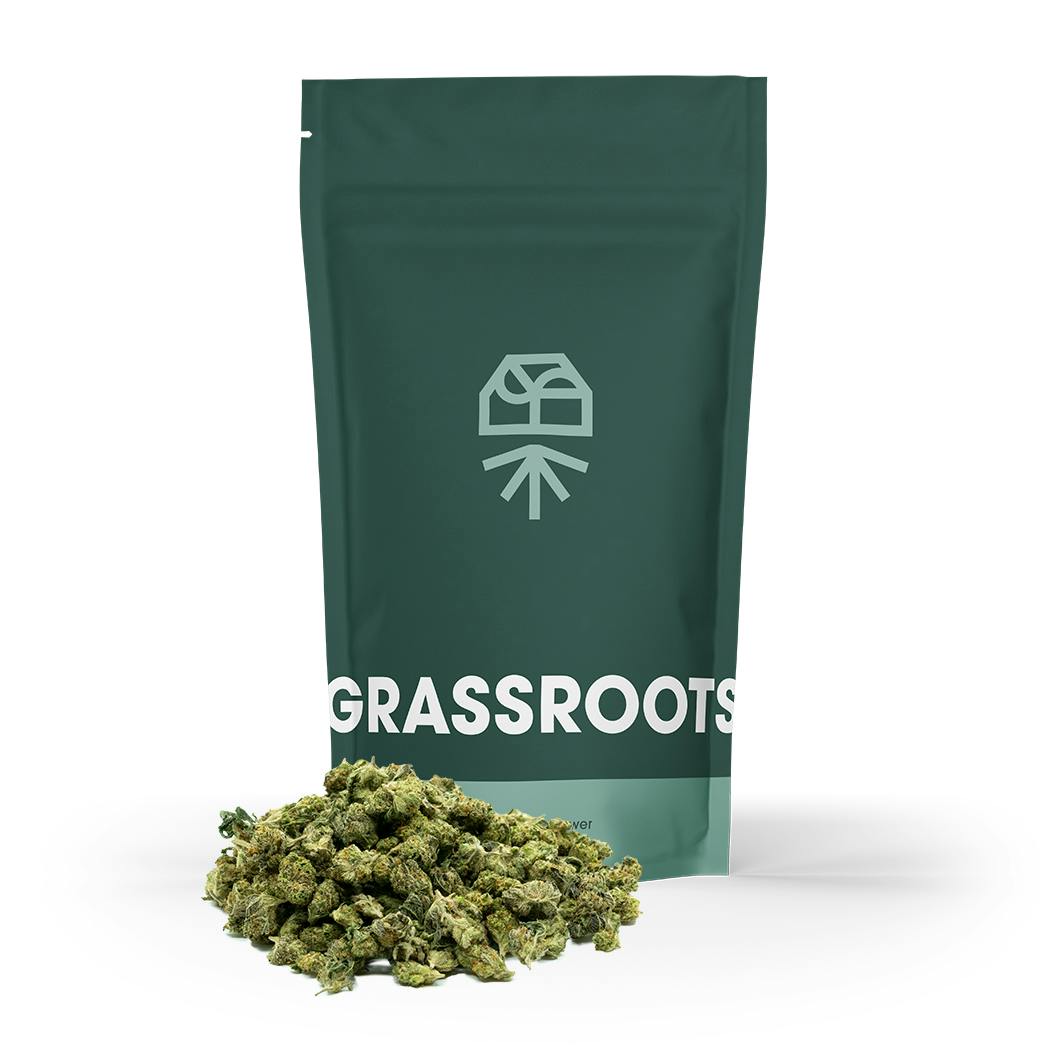
On sale· 20% OFF
THC 33.02%Hybrid
GrassrootsGrassroots Prepack Popcorn Flower Hybrid : Blue Lobster · 14g
$92.03$115.04
$107after tax
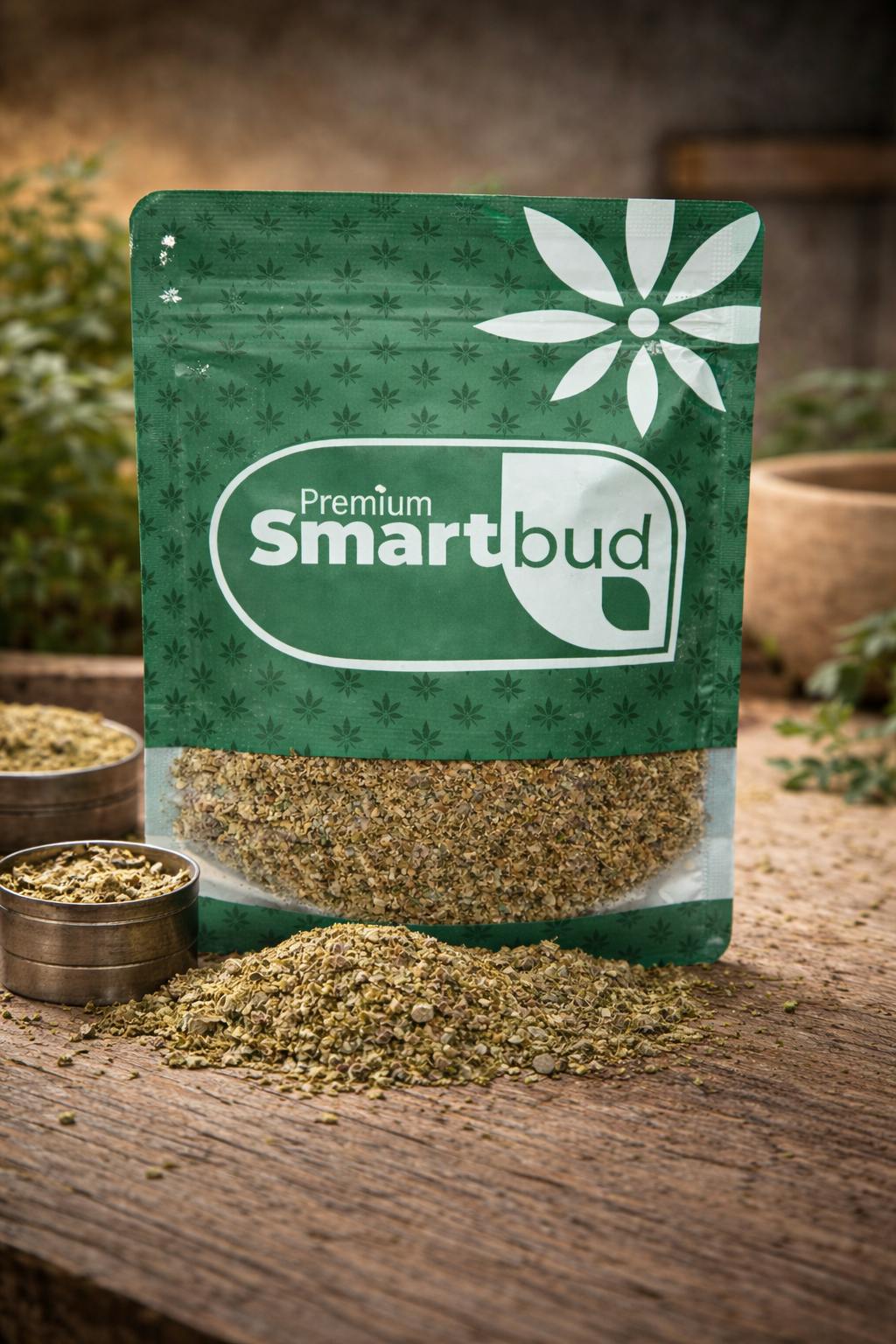
THC 32.88%Indica-Hybrid
SmartBudSmartBud - Flower PreGround - Sunset Sherbert · 28g
$90.27
$102after tax
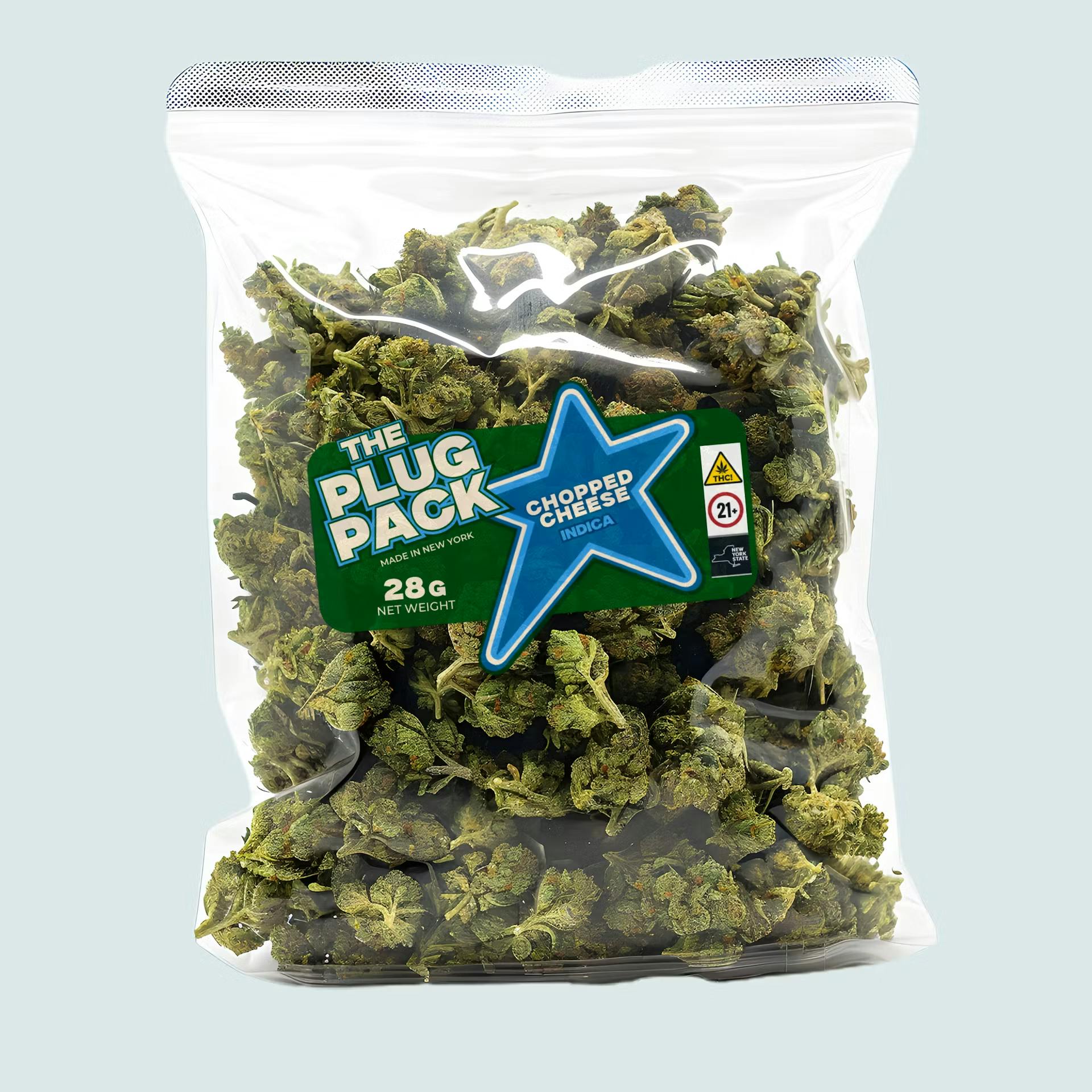
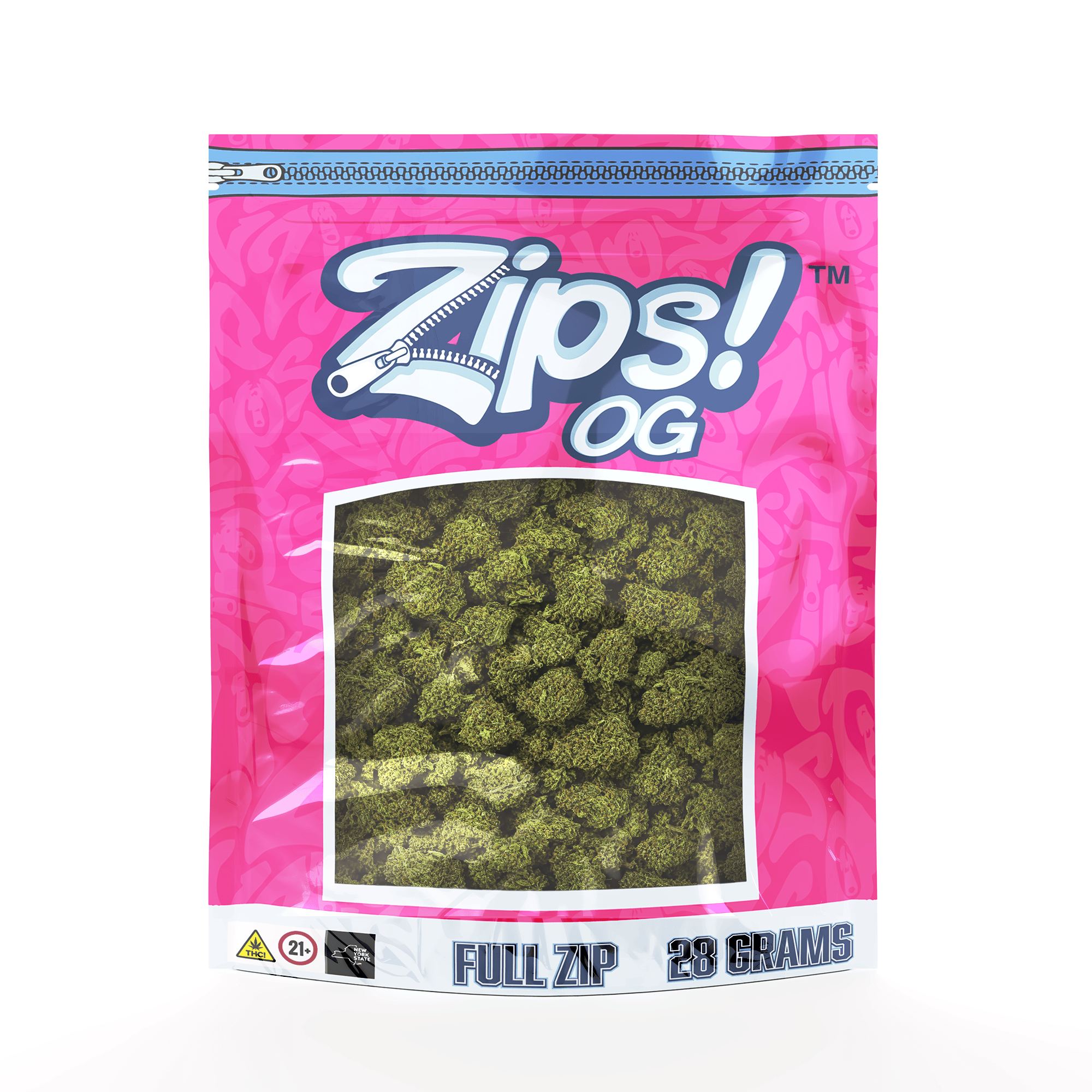
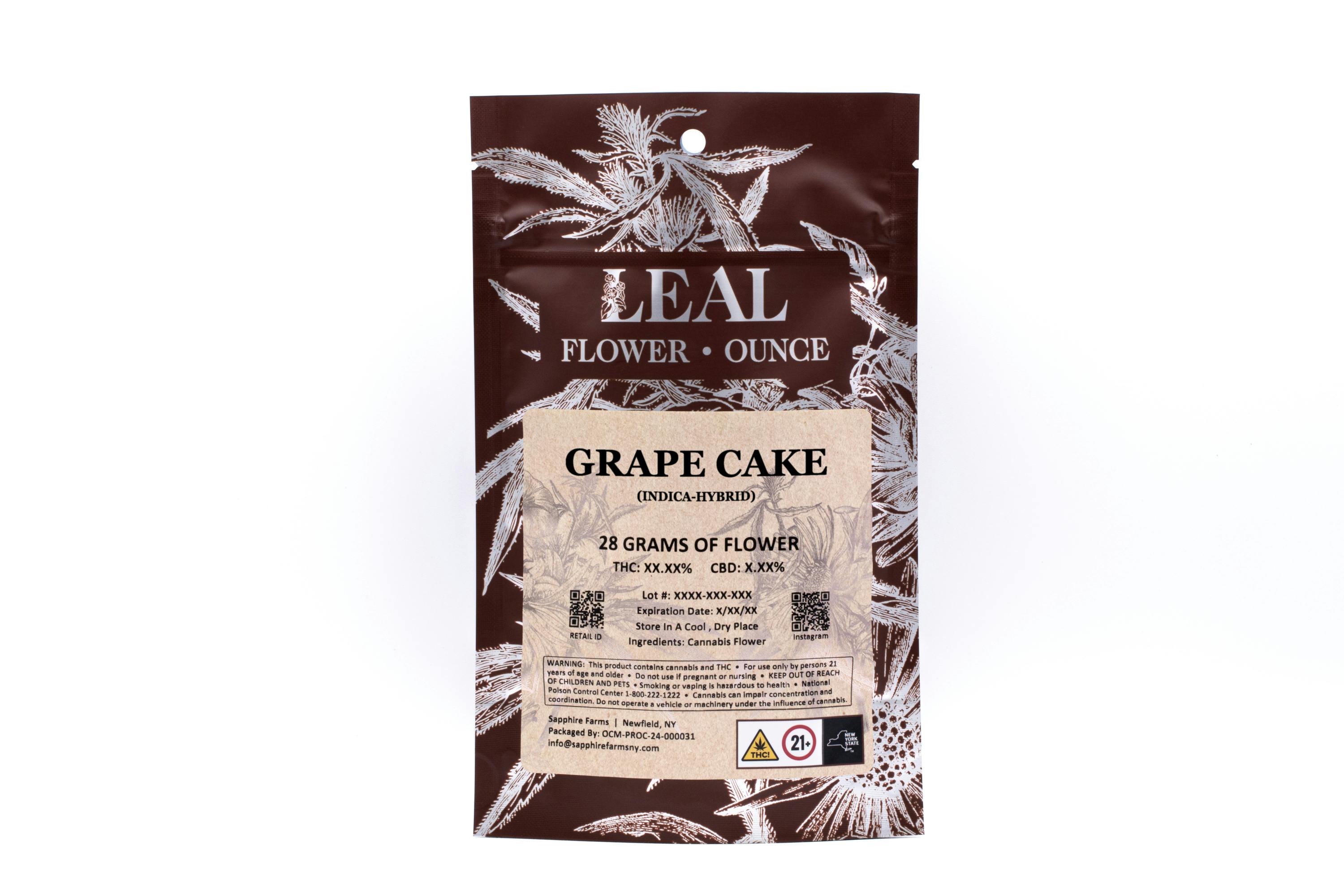
Flower in Lower East Side — answers
Where can I legally purchase cannabis flower near the Lower East Side in Manhattan?+
Adult-use cannabis flower is available exclusively through dispensaries licensed by the New York Office of Cannabis Management. The Lower East Side ZIP code 10002 falls within Manhattan, where licensed retail has been expanding. Consumers 21 and older may also use delivery services from licensed dispensaries — ZenZest Cannabis Dispensary, for instance, offers free same-day delivery to 10002 on qualifying orders, making access straightforward for residents throughout the neighborhood.
What is the legal purchase limit for cannabis flower in New York?+
New York State permits adults 21 and older to purchase up to three ounces of cannabis flower in a single transaction from a licensed dispensary. This limit applies to loose flower, pre-rolls, and infused pre-rolls combined under the flower category. Home possession limits allow up to three ounces on your person and up to five pounds stored privately at home. These are state-level regulations and apply uniformly across Manhattan, including the Lower East Side.
How should I store cannabis flower in a Lower East Side apartment?+
Compact apartments in 10002 can present storage challenges — particularly during summer when humidity levels rise and winter when heating systems create very dry indoor air. The optimal storage environment for cured flower is a sealed glass jar kept at roughly 55 to 62 percent relative humidity, ideally with a calibrated humidity pack inside. Avoid storing near windows or appliances that generate heat. A cool, dark cabinet or drawer is sufficient for most consumers maintaining a personal supply.
What terpenes should I look for if I want a focused, social experience from flower?+
For occasions like a walk along Delancey Street, a gallery visit, or an evening out near Essex Market, cultivars dominant in limonene and pinene tend to be associated with more alert, sociable effect profiles. Limonene contributes a citrus brightness commonly linked to elevated mood, while pinene is associated with clarity. Ask your budtender for the full terpene panel and look for cultivars where these two appear prominently — sativa-leaning hybrids often fit this profile.
Is there a difference between indoor-grown and greenhouse-grown flower available in New York?+
Yes, and the distinction is worth understanding. Indoor-grown cannabis is cultivated under fully controlled lighting and climate conditions, which generally produces denser bud structure and higher trichome density. Greenhouse-grown flower benefits from natural light, which some cultivators argue preserves certain terpene expressions, though temperature and humidity control is less precise. Both appear on licensed New York shelves, and both are subject to the same third-party testing requirements. Price differences between the two are common.
What is the difference between a standard pre-roll and an infused pre-roll?+
A standard pre-roll contains only ground cannabis flower, typically in a single-use cone or paper. An infused pre-roll incorporates a cannabis concentrate — such as live resin, kief, or distillate — either coating the outside of the paper, mixed into the grind, or pressed into the core. Infused pre-rolls test at significantly higher potency than standard pre-rolls. For consumers new to the format or returning after a break, starting with a standard pre-roll and applying a start-low, go-slow approach is advisable before moving to infused options.
Can I consume cannabis flower outdoors in the Lower East Side?+
New York State law permits adult-use cannabis consumption in most public outdoor spaces where tobacco smoking is also allowed. However, consumption is prohibited within 100 feet of a school, on public transit, in vehicles, inside restaurants and bars, and in parks where tobacco smoking is banned under city ordinance. Seward Park and the East River waterfront areas each have specific rules. It is worth reviewing current NYC Parks Department guidance, as enforcement and designated areas continue to be refined.
How do I interpret the THC percentage on a licensed flower label in New York?+
New York-licensed dispensaries are required to display THC content as a percentage of the total weight of the flower. This figure represents total potential THC, typically calculated by combining delta-9 THC and a conversion factor for THCA. It is a useful data point but not the complete picture — terpene composition, CBD presence, and minor cannabinoids all influence the overall experience. A product at 18 percent with a rich terpene panel may deliver a more complex experience than one at 26 percent with minimal secondary cannabinoid presence.
What does 'cure date' mean on cannabis flower packaging, and why does it matter?+
The cure date indicates when the harvested flower completed its controlled drying and curing process, during which moisture and chlorophyll are gradually reduced to achieve optimal smokability and terpene preservation. Properly cured flower that has rested several weeks before reaching shelf typically burns more evenly and expresses its aromatic character more fully than flower processed quickly. When shopping, looking for a cure date within the past three to six months generally indicates freshness without indicating the product was rushed to market.
Does ZenZest deliver cannabis flower to the Lower East Side?+
Yes. ZenZest Cannabis Dispensary offers free same-day delivery on orders over $100 to more than 80 New York ZIP codes, and the Lower East Side ZIP code 10002 is among the eligible delivery areas. Orders are handled in full compliance with New York State licensing and delivery regulations. For residents of buildings off Orchard Street, Essex Market, or anywhere within 10002, the delivery option provides access to ZenZest's flower catalog without requiring a trip to their nearest physical location.