
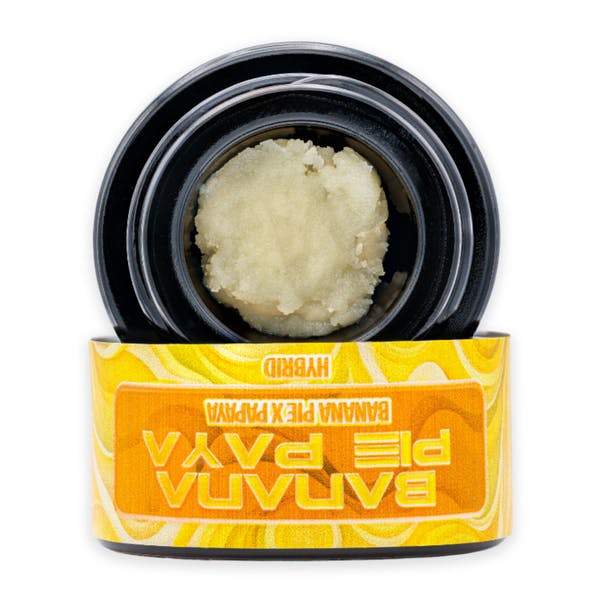
Suffolk County · Rosin
Best Rosin in Islip, Suffolk County
Islip's understated Main Street energy and the salt-tinged air drifting off the Great South Bay set a particular mood — one that calls for a concentrate as uncompromising as the waterfront itself. Rosin, the solventless extract pressed from fresh or cured cannabis flower, has earned a loyal following among discerning consumers in 11751 who want full-spectrum potency without residual chemistry.
About Rosin
Rosin occupies a distinct tier in the hierarchy of cannabis concentrates. Unlike hydrocarbon extracts that rely on butane or propane to strip cannabinoids and terpenes from plant material, rosin is produced entirely through heat and pressure — a process sometimes called 'squish tech' in artisan circles. The result is a product that retains the plant's original terpene profile in a way that solvent-based methods simply cannot replicate, delivering what experienced consumers describe as a rounder, more expressive effect. Within New York's licensed adult-use market, rosin is available in several distinct forms. Live rosin is pressed from fresh-frozen cannabis, preserving volatile aromatic compounds that would otherwise be lost during drying and curing. Cured rosin, pressed from traditionally dried flower or hash, offers a slightly denser consistency and a flavor profile that leans toward earthier, more resinous notes. Rosin badder and rosin jam represent whipped or agitated variants with softer textures that many consumers find easier to handle on a dab tool or vaporizer insert. New York's Office of Cannabis Management licenses a growing number of processors capable of producing high-quality solventless concentrates, meaning consumers in Suffolk County now have genuine access to craft-tier rosin from state-regulated brands. Certificates of analysis — which reputable dispensaries make available — confirm both potency and the absence of residual solvents, pesticides, and heavy metals. For rosin, a clean COA is a baseline expectation, not a premium feature. Potency in rosin typically ranges from 60 to 85 percent total THC, with live rosin sometimes yielding expressive terpene totals above five percent by weight. That combination of high cannabinoid density and intact aromatic complexity is precisely what separates rosin from distillate-based products, and it explains why concentrate enthusiasts consistently return to it as a reference-point category.
Rosin for Islip shoppers
Islip is not a neighborhood that announces itself loudly. The stretch of Montauk Highway that runs through the hamlet moves at a deliberate pace — independent restaurants, modest storefronts, and the kind of residential calm that residents actively protect. South Bay Avenue carries you toward the water, where the Great South Bay opens into a panorama that feels genuinely removed from the tempo of the city to the west. This is a community oriented around the rhythms of the waterfront, weekend boat launches, and the particular stillness of a Suffolk County evening in any season. That sensibility maps well onto the rosin consumer profile. Islip residents who have moved beyond entry-level cannabis products tend to seek experiences that feel considered and unhurried — a Saturday afternoon session on a back deck overlooking the bay rather than a rushed vape hit during a midtown commute. Rosin rewards that kind of intentional engagement. Because it is dense in both potency and flavor, a very small quantity — a piece no larger than a grain of rice, as experienced consumers often suggest — is sufficient for most sessions, making a single gram a genuinely lasting purchase. The coastal climate also plays a role in product selection. Rosin is sensitive to temperature; in warmer months, certain consistencies like badder or sugar will soften or even liquefy if left in a vehicle or warm bag. Islip summers along the South Shore can be humid, making airtight silicone or glass storage containers a practical necessity. In winter, rosin may become brittle and crumbly, which requires a moment of gentle warming before handling. Consumers in 11751 who keep these seasonal variables in mind will preserve both the flavor and the structural integrity of their concentrate across the year.
What to look for
Selecting a quality rosin in today's New York market begins with the certificate of analysis. Look for a total terpene percentage above three percent, which indicates that the pressing was performed at a temperature low enough to preserve volatile aromatic compounds. Higher temperatures extract more cannabinoids but degrade terpenes — a trade-off that shows clearly in the final flavor. Dominant terpenes in rosin include myrcene, which contributes earthy and musky notes; limonene, which reads as bright citrus; and caryophyllene, a peppery compound that some research suggests has affinity for CB2 receptors. Terpinolene and ocimene appear frequently in live rosin pressed from cultivars like Durban Poison or Jack Herer descendants and give the product a floral, almost herbal brightness. Consistency matters for practical handling. Rosin badder and rosin butter are soft, whipped textures well-suited to beginners because they are easy to portion on a dab tool without crumbling. Hash rosin — produced by pressing ice water hash rather than raw flower — represents the apex of the solventless category in terms of purity and flavor fidelity, and commands a correspondingly higher price point. For consumers in Islip exploring rosin for the first time, a cured flower rosin in a badder or jam consistency offers an accessible entry point before committing to premium live or hash rosin. For consumption format, a low-temperature electronic dab device — often called an e-rig or electronic nail — is the most controllable option, allowing temperature settings in the 450–550°F range where terpenes express fully without combusting. Rosin can also be layered into a bowl of flower or rolled into a joint, though this wastes some of the concentrate's subtlety. Regardless of format, the universal guidance for concentrates applies here: start with a very small amount, allow time to assess the effect fully before considering more, and work up gradually across sessions.
Why ZenZest for rosin in Islip
For consumers in Islip and across the 11751 ZIP code seeking licensed, rigorously vetted rosin, ZenZest Cannabis Dispensary's Queens location at 272-06 Union Tpke in Bellerose is the nearest ZenZest store, sitting approximately 26.5 miles to the west. ZenZest curates its concentrate shelf with the same editorial restraint it applies across every category — you will find rosin from New York state-licensed processors accompanied by accessible staff knowledge and available certificates of analysis, not a wall of unlabeled jars and guesswork. The store's Bellerose location is straightforward to reach via the Belt Parkway or Southern State Parkway for Islip residents making a planned trip. It is worth noting that ZenZest's same-day delivery program, which covers orders over one hundred dollars across more than eighty New York ZIP codes, does not currently extend to the 11751 ZIP code. Islip consumers planning a purchase are therefore best served by visiting the Queens store in person, where staff can walk through current rosin inventory, explain consistency differences, and help match a product to both experience level and preferred consumption method. Calling ahead or browsing online inventory before the drive ensures the visit is as efficient as it is worthwhile.
ZenZest Queens · 272-06 Union Tpke, Bellerose, NY 11004 · 26.5 miles from Islip.
Live rosin for Islip
Full rosin menu →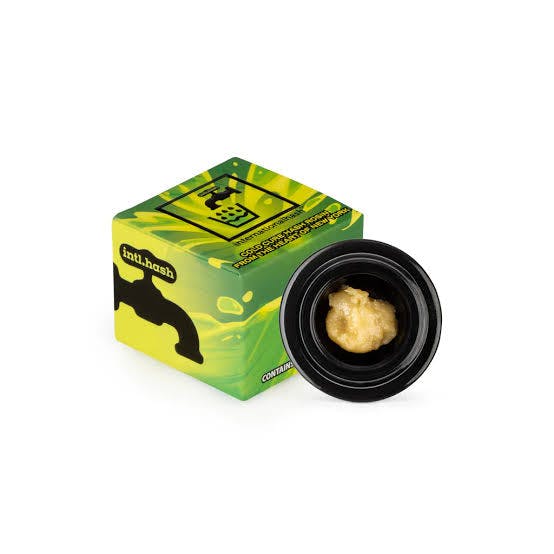
THC 75.73%Hybrid
INTERNATIONAL HASHInternational Hash | Cold Cure Hash Rosin | Grapefruit Hybrid · 1g
$66.37
$75after tax
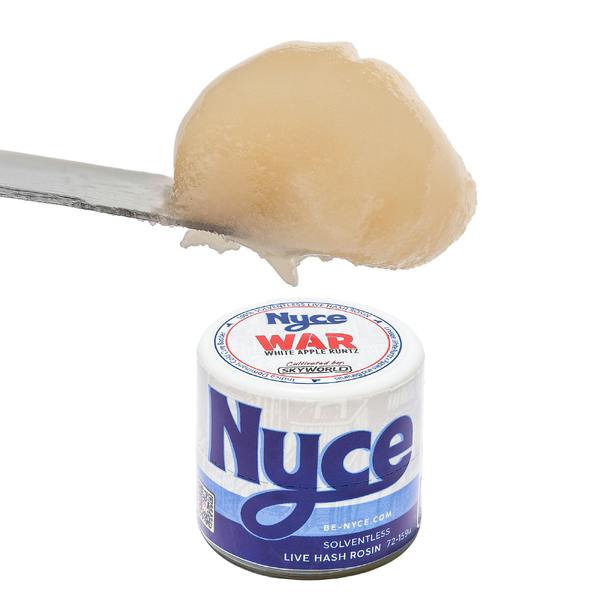
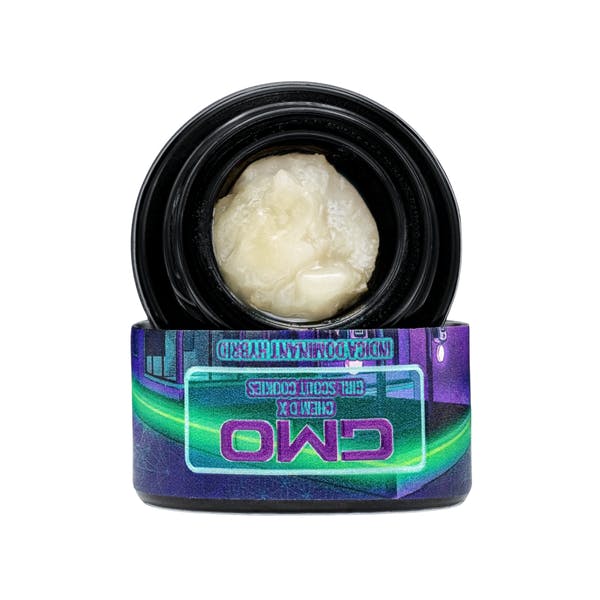
THC 77.52%Hybrid
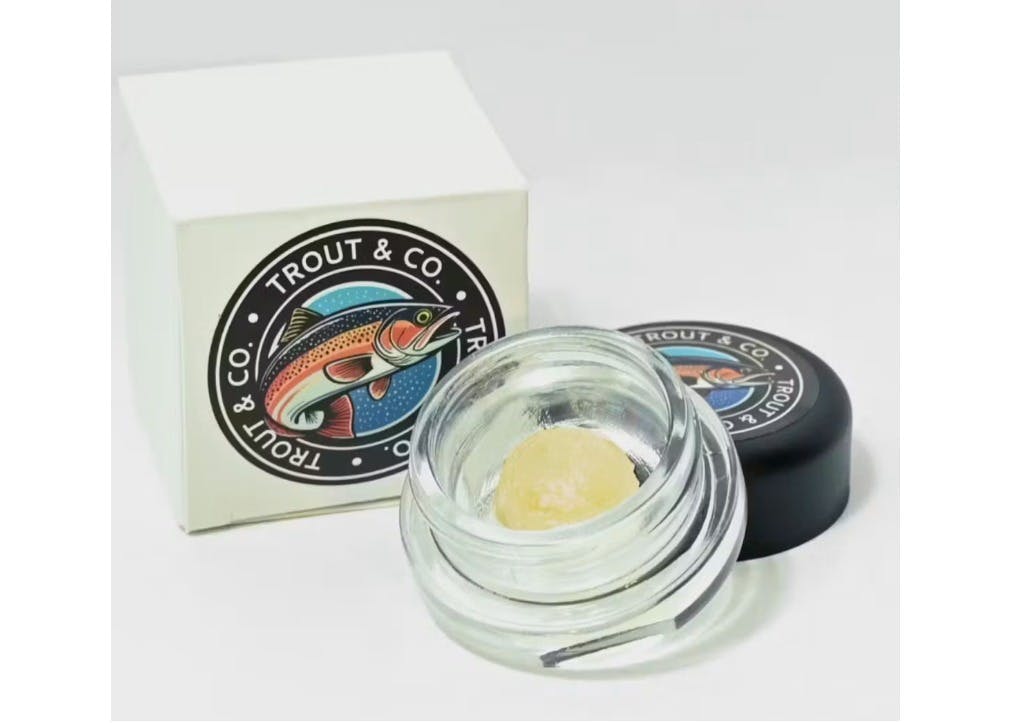
Trout & Co.Trout & Co. | Super Funk | Live Rosin Private Reserve · 1g
$88.50
$100after tax
Rosin in Islip — answers
What exactly is rosin and how is it different from other concentrates sold in New York dispensaries?+
Rosin is a solventless cannabis concentrate made by applying heat and pressure to flower, hash, or kief to extract cannabinoids and terpenes. Unlike wax, shatter, or distillate — which require chemical solvents such as butane or CO2 during production — rosin uses no solvents at any stage. This matters for consumers in Islip and across Suffolk County who prioritize clean, additive-free products. A certificate of analysis for rosin should show no residual solvent readings, since there are no solvents to test for in the first place.
How do I store rosin properly during Islip's hot, humid South Shore summers?+
Rosin is sensitive to heat and humidity. During Islip's summer months, storing rosin at room temperature can cause softer consistencies like badder or jam to liquefy and degrade. Ideally, keep rosin in an airtight, non-stick silicone or glass container and refrigerate it between sessions. If refrigerating, allow the container to return to room temperature before opening to prevent condensation from introducing moisture. For longer storage — more than two or three weeks — a freezer-safe glass jar with a tight seal will preserve both potency and terpene character effectively.
What terpenes should I look for on a rosin COA if I prefer a calming, low-key experience suited to a quiet evening near the water?+
Myrcene is the terpene most commonly associated with relaxed, sedating effects and appears at elevated levels in indica-leaning cultivars. Linalool, with its soft floral character, and beta-caryophyllene, which interacts with the endocannabinoid system in ways distinct from other terpenes, both appear in rosin from cultivars like Lavender Kush and Gelato. None of this constitutes a medical recommendation — individual responses vary — but reviewing the terpene panel on a COA gives you a meaningful data point when making a selection.
Is rosin a good choice for someone who has only used cannabis flower or vape cartridges before?+
Rosin can be appropriate for consumers transitioning from flower or vape products, but potency context is essential. Where cannabis flower typically contains 18–28 percent THC, rosin regularly tests between 65 and 85 percent. A portion the size of a small rice grain is a sensible starting point for a first session. The guidance that applies across the concentrate category — start with a very small amount, wait a full 15 to 20 minutes before assessing effects, and avoid combining with alcohol — is especially relevant when moving from lower-potency formats.
What is hash rosin, and is it worth the premium price compared to standard flower rosin?+
Hash rosin is produced by pressing ice water hash — sometimes called bubble hash — rather than raw flower. Because ice water extraction already concentrates trichome heads before the pressing stage, hash rosin typically achieves greater purity, a cleaner flavor, and a higher concentration of intact terpenes than flower rosin. The trade-off is cost: hash rosin commands a meaningful price premium at licensed New York dispensaries. For consumers in Islip who have already tried standard rosin and want to explore the category's ceiling, hash rosin is a worthwhile investment rather than an entry point.
What consumption device works best for rosin, and do I need specialized equipment?+
A low-temperature electronic dab rig — often called an e-rig or e-nail — provides the most precise, repeatable experience with rosin. Settings in the 450–530°F range allow terpenes to vaporize fully while preserving flavor nuance. Traditional glass dab rigs with a heated quartz banger are also effective for experienced consumers comfortable with torch technique. For a simpler entry, some rosin is compatible with certain concentrate-capable dry herb vaporizers. Rosin can be added to flower in a bowl or joint, though this method sacrifices some of the concentrate's aromatic complexity.
How does live rosin differ from cured rosin, and which is more common in licensed New York dispensaries?+
Live rosin is pressed from cannabis that was flash-frozen immediately after harvest, preserving a broader spectrum of volatile terpenes that are lost during conventional drying and curing. The result is a brighter, more complex flavor profile. Cured rosin is pressed from traditionally dried and cured flower or hash, offering a richer, more resinous character. Both forms are available through licensed New York processors, though live rosin is generally priced higher due to the additional complexity of handling fresh-frozen material. The New York licensed market continues to expand its solventless offerings as consumer demand grows.
Can I bring rosin purchased from a Queens dispensary back to my home in Islip legally?+
Under New York adult-use cannabis law, licensed product purchased from a dispensary may be transported in a closed container within your personal vehicle. The product should remain sealed during transport and must not be within reach of the driver or accessible while the vehicle is in motion. Consuming cannabis in a vehicle — whether moving or parked on a public road — is prohibited under New York law. Transporting product across state lines, even to a neighboring state, is a federal matter and is not legal regardless of the laws in either state.
What does the THC potency range on a rosin label actually mean for how I will experience the product?+
THC percentage on a concentrate label indicates the proportion of delta-9-tetrahydrocannabinol by weight, but potency alone is an incomplete guide to the experience. The terpene profile, your individual endocannabinoid system, consumption method, and session context all contribute to how a product feels. A rosin testing at 72 percent THC with a rich myrcene and linalool profile will present very differently from one at the same potency dominated by terpinolene and limonene. Reading the full COA rather than anchoring solely on the THC number leads to more consistent, satisfying results.
Are there any Islip-specific considerations I should think about when choosing between a soft rosin badder and a firmer rosin slab?+
Yes — Islip's coastal climate creates temperature swings that affect rosin consistency in practical ways. A firm rosin slab or shatter-adjacent rosin can become brittle in Suffolk County winters and shatter unpredictably when you attempt to portion it, wasting product. A softer badder or jam consistency is more forgiving across a wider temperature range and easier to work with when your hands are cold from a morning on the water or a winter commute. Conversely, in July or August humidity near the South Bay, a badder may need refrigeration to maintain workable consistency. Matching consistency to your storage situation is a small but meaningful quality-of-life consideration.