
Nassau County · Rosin
Best Rosin in Hempstead, Nassau County
Hempstead, the Nassau County hub anchored by Fulton Avenue's steady commerce and the academic energy radiating from nearby Hofstra University, has quietly developed a discerning appetite for solventless cannabis concentrates. Rosin — pressed without solvents, prized for its terpene integrity and transparent provenance — has become the extract of choice for educated consumers in 11550 who know exactly what they want from a premium product.
About Rosin
Rosin occupies a singular position in the New York licensed cannabis market: it is the one concentrate format whose entire production logic is built around the absence of chemical solvents. Heat and pressure are applied to either cured flower, fresh-frozen material, or sieved dry-sift hash, and the resulting oil captures the plant's lipid-rich resin in a form that many enthusiasts consider the most honest expression of a cultivar. Because no post-processing with butane, propane, or ethanol is involved, the aromatic compounds that give a strain its character — myrcene's earthiness, limonene's citrus brightness, caryophyllene's quiet spice — are preserved with a fidelity that hydrocarbon extracts can struggle to match at scale. New York's Office of Cannabis Management has set rigorous testing and labeling standards for all licensed concentrate products, which means that every rosin on a compliant dispensary shelf arrives with a certificate of analysis confirming cannabinoid percentages, residual solvent absence (even in a solventless product, pesticide and heavy-metal panels are required), and batch traceability. For consumers in Nassau County who prioritize knowing exactly what enters their body, that paper trail matters considerably. Within the rosin category, shoppers will encounter several sub-formats. Live rosin, pressed from fresh-frozen whole plants, tends to command the highest price point and delivers the widest terpene spectrum. Hash rosin, derived from ice-water hash (bubble hash), adds a layer of refinement that further concentrates desirable compounds. Cured flower rosin is the most approachable entry point, generally less expensive and still meaningfully richer in character than most distillate products. Each format has its own consistency profile — ranging from a stable badder or budder, to a sandy, crystalline sugar, to a translucent, sap-like shatter — and that consistency influences how a product is best handled and consumed. Potency across the rosin category in New York's regulated market typically runs between 65 and 85 percent total cannabinoids, occasionally higher in premium live rosin batches. Newcomers to concentrates are well-advised to start low and go slow, treating even a modest serving with respect given the format's inherent intensity.
Rosin for Hempstead shoppers
Hempstead's 11550 ZIP code is one of Nassau County's most densely populated and culturally layered corridors. Fulton Avenue threads the village together, a working street lined with bodegas, professional offices, and community institutions that reflect the neighborhood's Caribbean, Central American, and African American roots. Front Street adds its own rhythm — this is a place where people move with intention, whether catching the Hempstead Branch of the Long Island Rail Road for a Manhattan commute or navigating the local service economy. The Hofstra University campus nearby brings a younger, research-oriented demographic that appreciates transparency and sourcing narratives in consumer products, including cannabis. For the Hempstead commuter, rosin's compact form factor is a genuine practical advantage. A small jar of live rosin badder travels discreetly, requires no combustion, and — when paired with a portable electronic dab device — delivers a controlled, aromatic session without the lingering odor profile of flower. After a long LIRR ride home, that level of discretion and precision is not a luxury so much as a considered preference. Consumers who spend their days in professional or academic environments often gravitate toward formats where the experience can be calibrated session to session. Nassau County's climate also plays a quiet role in concentrate choice. Winters along this stretch of Long Island can be genuinely cold and damp, conditions that make outdoor flower consumption less appealing. Rosin, stored properly in a cool, dark environment, maintains its quality through seasonal temperature swings in ways that improperly stored flower cannot. Summer humidity, conversely, is no threat to a sealed, airtight rosin jar. For a neighborhood that experiences real four-season weather, a shelf-stable, high-quality concentrate is a sensible investment.
What to look for
Evaluating rosin requires a slightly different lens than evaluating flower or a vape cartridge. The first thing to examine is the source material declaration: live rosin (from fresh-frozen plants) and hash rosin (from ice-water extracted bubble hash) are meaningfully different products from cured flower rosin, and that distinction should be clearly labeled on any New York licensed product. If provenance is not stated, ask the budtender for the certificate of analysis, which will also confirm the cannabinoid and terpene panel. Terpene content is arguably the most important qualitative differentiator within the rosin category. A live rosin from a myrcene-dominant cultivar — say, a lineage with OG or Kush genetics — will present a heavy, almost tropical aroma with a body-oriented character that many consumers find well-suited to evening use. A rosin emphasizing terpinolene or ocimene, common in Haze or Sativa-leaning cultivars, will be lighter, more energetic, and better suited to social or creative contexts that align with Hempstead's vibrant cultural scene. Do not purchase a rosin on THC percentage alone; a 72 percent rosin with a rich, diverse terpene profile will consistently outperform an 84 percent product with a thin aromatic signature. Consistency type is a practical consideration worth understanding. Badder and budder consistencies are forgiving and easy to handle with a standard dab tool. Sugar and crystalline rosins require more care and a lower-temperature consumption approach to avoid scorching volatile terpenes. If you are newer to the concentrate format, a badder-consistency rosin at a modest price point is the most sensible starting place. More experienced consumers may prefer the nuance available in a properly handled live rosin jam or fresh press. All consumption of concentrates warrants a start-low, go-slow approach given potency levels well above what standard flower delivers.
Why ZenZest for rosin in Hempstead
ZenZest Cannabis Dispensary operates two licensed New York adult-use retail locations, and the nearest to Hempstead's 11550 corridor is ZenZest Queens, located at 272-06 Union Tpke in Bellerose — approximately 5.6 miles from the heart of the village. That proximity makes a same-day pickup straightforward for residents who can make the short drive across the Nassau-Queens border, and the Queens location's curated concentrate selection reflects the sophisticated tastes of its cross-county customer base. For those who prefer not to travel, ZenZest's same-day delivery service covers more than 80 New York ZIP codes, with free delivery on qualifying orders over $100. Hempstead residents in 11550 fall within that delivery footprint, meaning a carefully selected rosin — live, hash, or cured flower — can arrive without a trip. The dispensary's team is trained to speak to the nuances of solventless concentrates specifically, including sourcing, consistency types, and cultivar profiles, making the experience genuinely consultative rather than transactional. For Hempstead consumers who expect quality to come with context, that matters.
ZenZest Queens · 272-06 Union Tpke, Bellerose, NY 11004 · 5.6 miles from Hempstead.
Live rosin for Hempstead
Full rosin menu →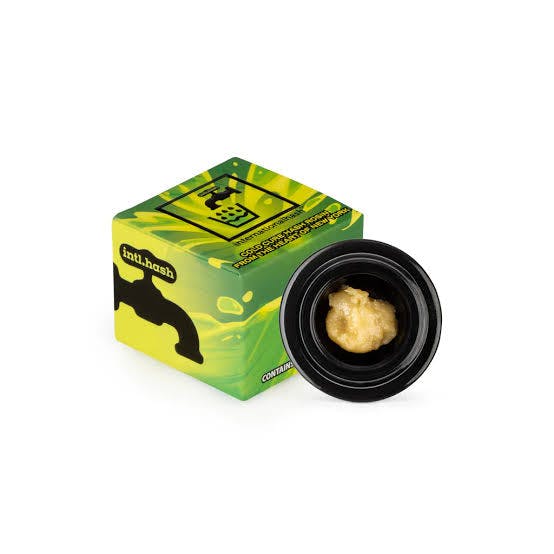
THC 75.73%Hybrid
INTERNATIONAL HASHInternational Hash | Cold Cure Hash Rosin | Grapefruit Hybrid · 1g
$66.37
$75after tax
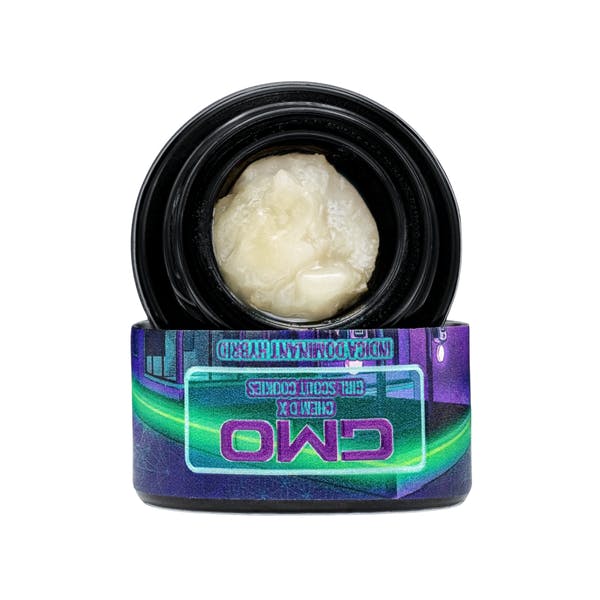
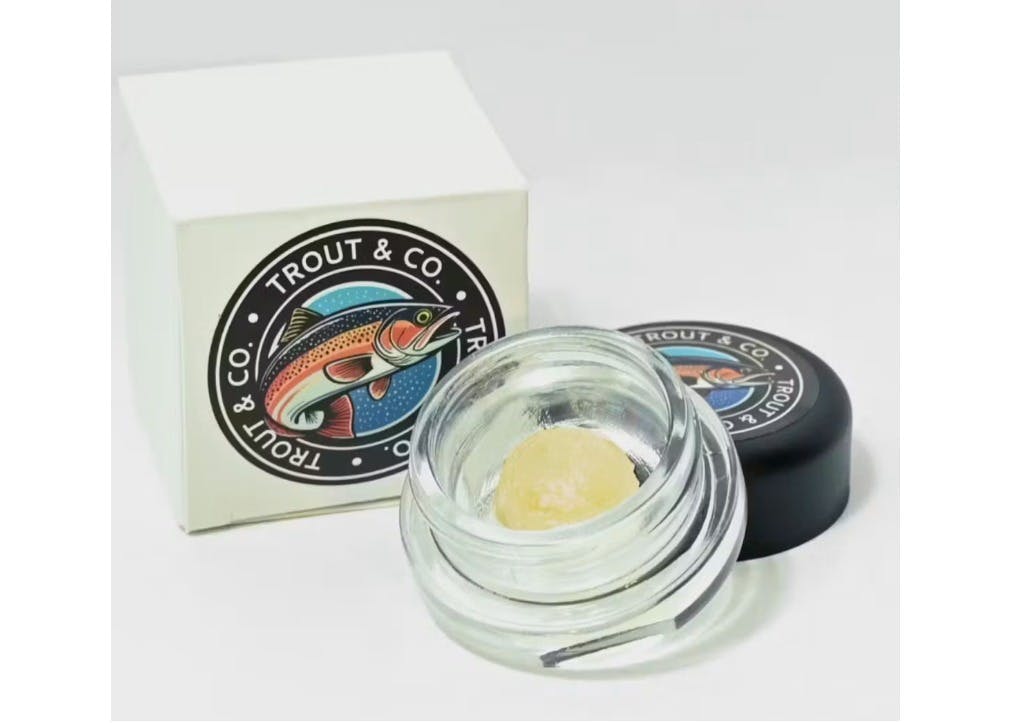
THC 77.52%Hybrid
Trout & Co.Trout & Co. | Super Funk | Live Rosin Private Reserve · 1g
$88.50
$100after tax
Rosin in Hempstead — answers
What exactly is rosin, and how is it different from other cannabis concentrates sold at New York dispensaries?+
Rosin is a solventless cannabis concentrate produced by applying controlled heat and pressure to cannabis material — flower, dry-sift hash, or ice-water bubble hash — until the resin-rich oil is expelled. Unlike BHO (butane hash oil), wax, or distillate, no chemical solvent is used at any stage of production. The result is a product whose terpene profile and cannabinoid content reflect the source material with minimal processing interference. In New York's licensed market, all concentrates including rosin carry testing documentation, but rosin's zero-solvent process means residual-solvent panels are largely a formality rather than a genuine concern.
Is rosin a good option for someone new to cannabis concentrates in Hempstead?+
Rosin can be an excellent entry point into concentrates, particularly cured flower rosin, which tends to sit at a lower price point and slightly lower potency than live or hash rosin. That said, even the most approachable rosin product delivers cannabinoids at levels significantly higher than standard flower. Nassau County newcomers to the format should treat rosin with the same respect any potent product warrants — start with a very modest amount, give the experience adequate time to develop, and resist the impulse to re-dose quickly. A knowledgeable staff member at a licensed dispensary can help calibrate expectations.
What is the difference between live rosin and hash rosin, and which should I choose?+
Live rosin is pressed from fresh-frozen cannabis — plants harvested and immediately frozen to preserve volatile terpenes that would otherwise degrade during a traditional cure. The result tends to be highly aromatic and broad in its terpene expression. Hash rosin begins with ice-water extracted bubble hash, adding a refinement step that concentrates desirable compounds and often produces a smoother, more consistent product. Hash rosin is generally considered the premium tier. If your priority is the fullest aromatic profile and you appreciate provenance transparency, live hash rosin represents the apex of the category. Cured flower rosin is the practical, approachable middle ground.
How should I store rosin purchased from a licensed dispensary in Nassau County?+
Rosin is best stored in a sealed, airtight container — ideally the glass jar or parchment-lined container it arrives in — kept in a cool, dark environment. A refrigerator works well for short-to-medium-term storage and is particularly sensible during Hempstead's humid summer months. Avoid storing rosin near heat sources or in direct sunlight, as both accelerate terpene degradation. For extended storage beyond a few weeks, a small freezer-safe jar with a proper seal is appropriate. Always allow refrigerated or frozen rosin to return to room temperature before opening, to prevent condensation from introducing moisture into the product.
What consumption devices work best with rosin bought in the Hempstead area?+
Rosin is most commonly consumed using a dab rig — a water pipe designed for concentrates — paired with a quartz banger or ceramic nail heated to a controlled temperature. For Hempstead consumers seeking portability and discretion, electronic dab devices (often called e-rigs or portable dab pens designed for concentrate) offer precise temperature control and eliminate the need for a torch. Lower temperature settings, generally in the 450 to 550 degree Fahrenheit range, preserve terpenes and deliver a more flavorful experience. Higher temperatures produce denser vapor but sacrifice aromatic nuance. Device compatibility is worth confirming at the point of purchase.
How do terpenes in rosin affect the overall experience, and which terpenes should Hempstead consumers pay attention to?+
Terpenes are the aromatic compounds that define a cultivar's sensory character and contribute meaningfully to the overall experience through what researchers describe as the entourage effect — the interplay between cannabinoids and terpenes. For consumers navigating Hempstead's busy corridors and commuter rhythms, terpene selection is worth considering contextually. Myrcene-dominant rosins tend toward a relaxing, grounding character suitable for evening. Limonene-forward profiles carry a bright, uplifting citrus quality. Caryophyllene contributes a subtle spice and is the only terpene known to interact with the body's endocannabinoid receptors directly. A reputable dispensary will provide terpene data on the certificate of analysis.
Does ZenZest deliver rosin to Hempstead's 11550 ZIP code, and how does the process work?+
Yes. Hempstead's 11550 ZIP code falls within ZenZest's same-day delivery coverage area, which spans more than 80 New York ZIP codes. Orders over $100 qualify for free delivery. To place an order, customers 21 and older can browse ZenZest's licensed product inventory online, select from available concentrate options including rosin, and schedule delivery for the same day. Valid government-issued ID confirming age and New York address is required at the point of delivery. The process mirrors a standard licensed delivery service and complies with all OCM regulations governing cannabis transport and transfer.
What THC percentages are typical in the rosin products available at New York licensed dispensaries?+
Rosin products in New York's regulated market generally test between 65 and 85 percent total cannabinoids, with premium live rosin batches occasionally reaching slightly higher. Unlike distillate, which can approach 90 percent or above through further refinement, rosin retains a broader spectrum of minor cannabinoids and terpenes within its total profile, which is part of its appeal. Consumers approaching concentrates from a flower background should recognize that even the lower end of this potency range represents a substantial step up in intensity. Percentage alone is not a complete quality indicator — the terpene profile and source material quality tell a more complete story.
Are there particular rosin cultivar styles that suit the social and cultural scene around Fulton Avenue and Front Street in Hempstead?+
The social energy along Fulton Avenue and Front Street — lively, community-oriented, often outdoors in warmer months — pairs naturally with rosin cultivars that lean toward uplifting terpene profiles. Rosins derived from lineages emphasizing limonene, terpinolene, or ocimene tend to produce a lighter, more socially oriented experience. These are often processed from cultivars with Haze, Durban, or Sativa-leaning genetics. Conversely, for quieter evenings at home after the commute, a myrcene-forward rosin from an OG or Kush-adjacent lineage offers a different register entirely. A good budtender will help match a cultivar profile to an intended occasion rather than defaulting to the highest THC number on the shelf.
Is rosin legal to purchase in Hempstead, Nassau County, and what should I know about buying it legally in New York?+
Yes. Rosin and all cannabis concentrates are legal for adult-use purchase in New York State for individuals 21 and older, including in Hempstead and across Nassau County. Purchases must be made through a licensed dispensary — either in-store or through a licensed delivery service. New York's Office of Cannabis Management oversees licensure, product testing, and labeling requirements for all licensed operators. Unlicensed sales remain illegal and carry legal risk, as well as the absence of any product safety or testing guarantee. Always verify that a dispensary carries a valid OCM license before making any purchase.