Nassau County · Flower
Best Flower in Hempstead, Nassau County
Hempstead, Nassau County's most densely woven village hub, draws a sharp cross-section of residents — Hofstra students cutting through on their way to Fulton Avenue, long-tenured families anchored along Front Street, and commuters threading back from the city each evening. For those 21 and older navigating New York's licensed adult-use market, premium cannabis flower remains the category that rewards the most discerning attention.
About Flower
Cannabis flower is the original format and, for many connoisseurs, still the definitive one. Unlike pre-rolls, edibles, or concentrated extracts, whole flower allows the consumer to engage directly with the plant — to assess its aroma, examine its structure, and control both the pace and method of consumption. In New York's regulated adult-use market, every jar on a licensed shelf has passed third-party laboratory testing, with certificates of analysis verifying cannabinoid percentages, terpene concentrations, residual solvent levels, and the absence of heavy metals or pesticides. That transparency is not incidental; it is the foundation on which a thoughtful purchase is built. Within the flower category, licensed New York retailers typically organize their inventory by cultivar lineage and effect profile. Sativa-dominant cultivars are often associated with energizing, cerebral qualities attributed to terpene expressions heavy in limonene or pinene. Indica-dominant cultivars tend toward earthier, more sedative terpene profiles, with myrcene and linalool frequently leading. Hybrid cultivars occupy a broad middle ground, and in practice most modern genetics are hybrid to some degree. Understanding these distinctions helps consumers move beyond THC percentage as the sole metric of quality — a high-THC flower with a flat terpene profile will frequently deliver a less nuanced experience than a moderately potent cultivar rich in secondary cannabinoids and aromatic compounds. New York's Office of Cannabis Management licenses cultivators across the state, and the variety reaching Nassau County retailers reflects genuine range — from small-batch craft grows upstate to larger licensed facilities producing consistent house staples. For shoppers in and around Hempstead's 11550 ZIP code, the licensed retail landscape has matured enough that quality benchmarks are rising steadily. Expect clearly labeled harvest and packaging dates, visible trichome density in well-curated jars, and staff who can articulate the difference between, say, a caryophyllene-forward OG expression and a terpinolene-driven haze descendant.
Flower for Hempstead shoppers
Hempstead carries a particular kind of energy — it is one of Long Island's oldest incorporated villages, dense with movement along Fulton Avenue's retail corridor and the quieter residential blocks that extend south toward Front Street. The pace is neither the frantic sprint of Midtown Manhattan nor the unhurried sprawl of the Island's east end. It is purposeful and layered, and the cannabis consumer here tends to reflect that: often commute-aware, frequently balancing work or study obligations, and generally looking for a purchase that fits seamlessly into a structured day rather than disrupting it. The proximity of Hofstra University adds a notable dimension to the local demographic. The campus community — graduate students, faculty, staff, and the surrounding residential population it attracts — skews toward informed, curious consumers who have done some reading before they arrive at the counter. Flower appeals here precisely because it is the most legible format: the aroma, the cut, the cure, the genetics are all available for inspection in a way that a capsule or an infused beverage simply cannot replicate. There is an educational satisfaction to flower that resonates with an academically oriented neighborhood. Seasonally, Hempstead's Nassau County winters are genuine — cold, often damp, occasionally punishing — and the way residents use cannabis flower shifts accordingly. Indoor sessions become longer and more deliberate in December through February, while the warmer months invite lighter, quicker consumption before an evening walk along Front Street or a gathering near the Hofstra campus green. Having reliable access to a consistent, quality-vetted selection matters across both contexts.
What to look for
When evaluating cannabis flower, the first instrument is your nose. A well-cured flower releases its terpene profile immediately upon opening the jar — bright citrus from limonene, deep earth and musk from myrcene, a faint pepper note from beta-caryophyllene. Absence of aroma, or a hay-like flatness, suggests either an aggressive dry-down or an older harvest. New York's labeling requirements mandate packaging dates, so check them: flower packaged within the past three to four months will generally offer a fresher terpene experience than stock that has been sitting. THC percentage is a useful data point but should not function as a proxy for quality. Most experienced consumers find a comfortable range — often somewhere between 18 and 26 percent total THC — and discover that terpene composition, minor cannabinoid presence (CBG, CBC, and trace CBN in particular), and personal tolerance calibration matter as much as the headline number. For those newer to flower, the standard guidance applies: start low, go slow, allow adequate time between sessions to understand your individual response before adjusting. For Hempstead shoppers specifically, consider format trade-offs relative to your routine. If your evenings involve a quiet session at home in a 11550 apartment or house after a Long Island Rail Road commute from Penn Station, a half-eighth of a well-cured indica-leaning hybrid may serve beautifully for unwinding. If your consumption is more social — a gathering near the Hofstra corridor, a weekend afternoon with neighbors — a lighter, terpinolene-forward cultivar with measured potency often fits more gracefully. Ask your budtender for the terpene panel alongside the THC figure, and prioritize retailers who can actually produce that data.
Why ZenZest for flower in Hempstead
ZenZest Cannabis Dispensary's Queens location at 272-06 Union Tpke in Bellerose sits approximately 5.6 miles from central Hempstead — a manageable drive east along Union Turnpike that connects Nassau and Queens with minimal friction. The store's flower selection is curated with the same editorial care one would expect from a premium retailer: harvest dates are current, cultivar provenance is traceable, and the staff can speak to terpene profiles and lineage with genuine fluency rather than rehearsed upselling. For Hempstead residents who prefer not to make the trip, ZenZest offers free same-day delivery on orders over $100, reaching more than 80 ZIP codes across New York — including the 11550 ZIP code that covers Hempstead village. Ordering online allows you to review lab data, compare terpene panels across cultivars, and make a considered selection before your delivery arrives. It is, in effect, the dispensary floor experience adapted for a commuter's schedule — precise, unhurried, and delivered to your door.
ZenZest Queens · 272-06 Union Tpke, Bellerose, NY 11004 · 5.6 miles from Hempstead.
Live flower for Hempstead
Full flower menu →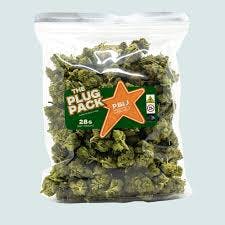

On sale· 20% OFF
THC 30.4%Sativa
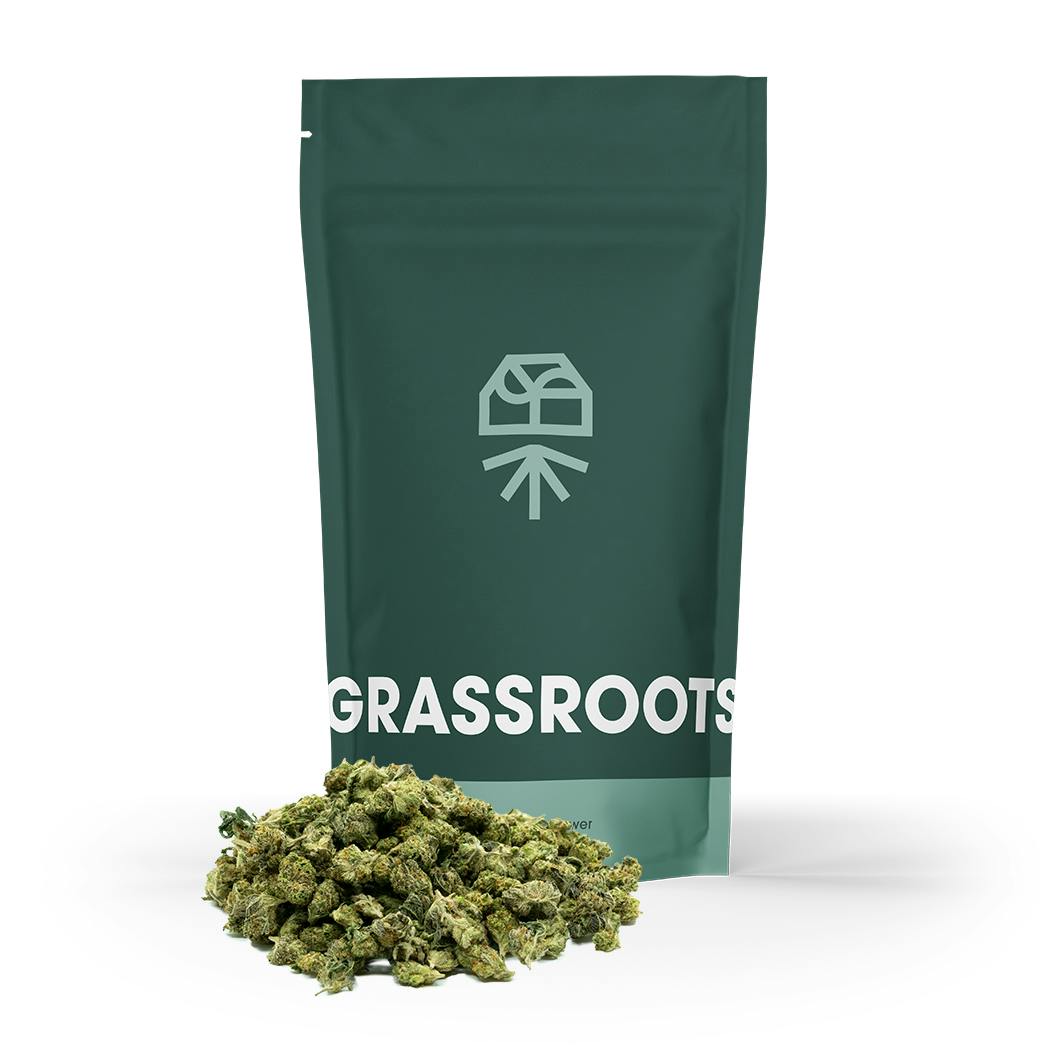
GrassrootsGrassroots Prepack Whole Flower - Sativa : Orange Z · 28g
$140.18$175.22
$163after tax
On sale· 20% OFF
THC 32.18%Indica
GrassrootsGrassroots Prepack Whole Flower - Indica : Pillow Mints · 28g
$140.18$175.22
$163after tax
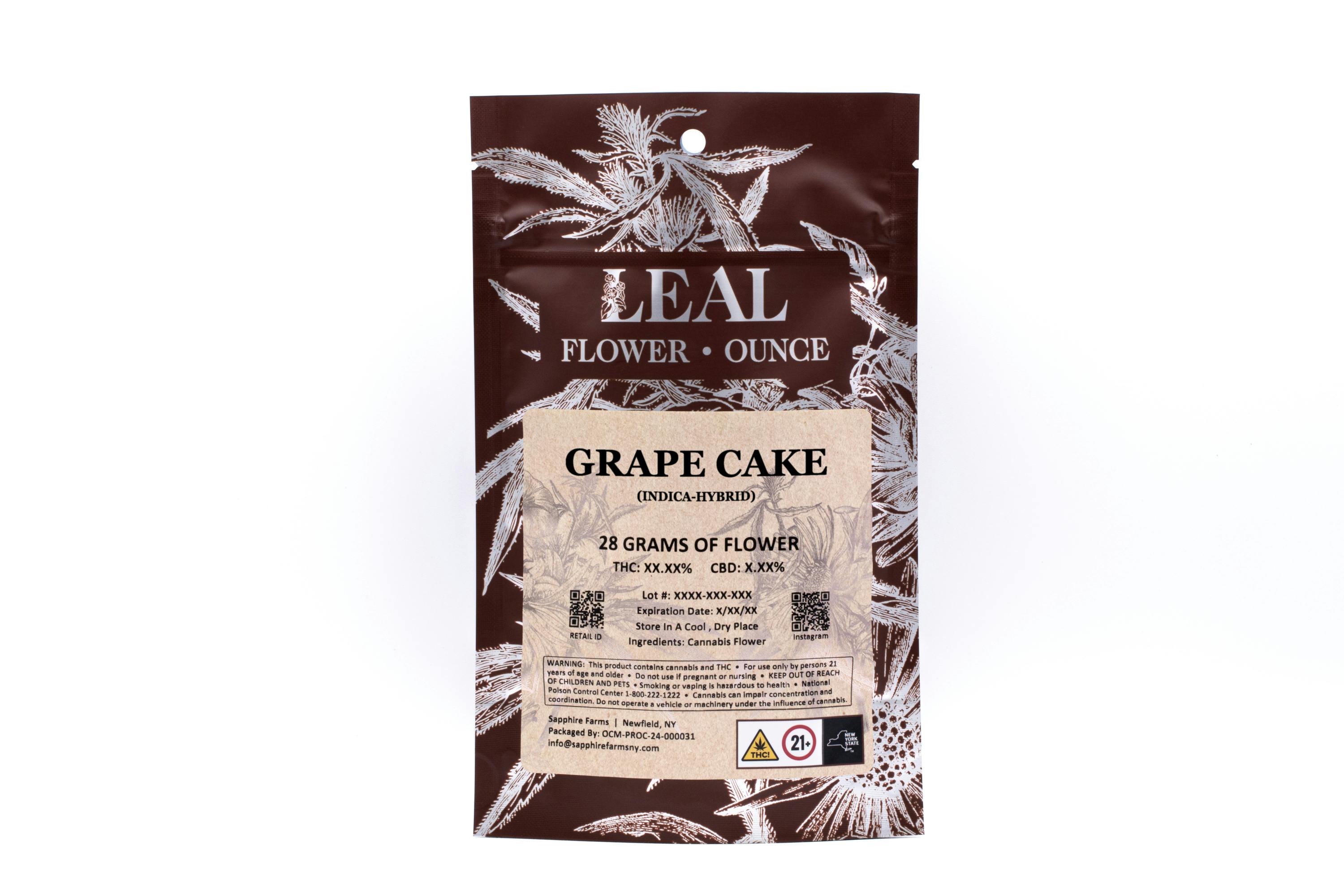
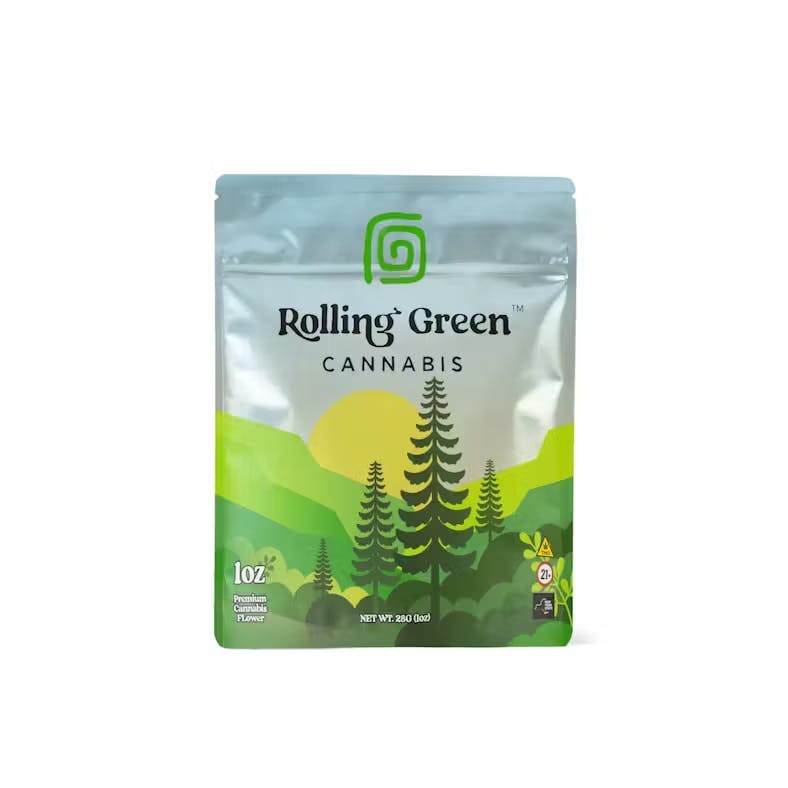
THC 27.68%Indica-Hybrid
Rolling Green CannabisRolling Green | Permanent Marker | Flower · 28g
$159.29
$180after tax
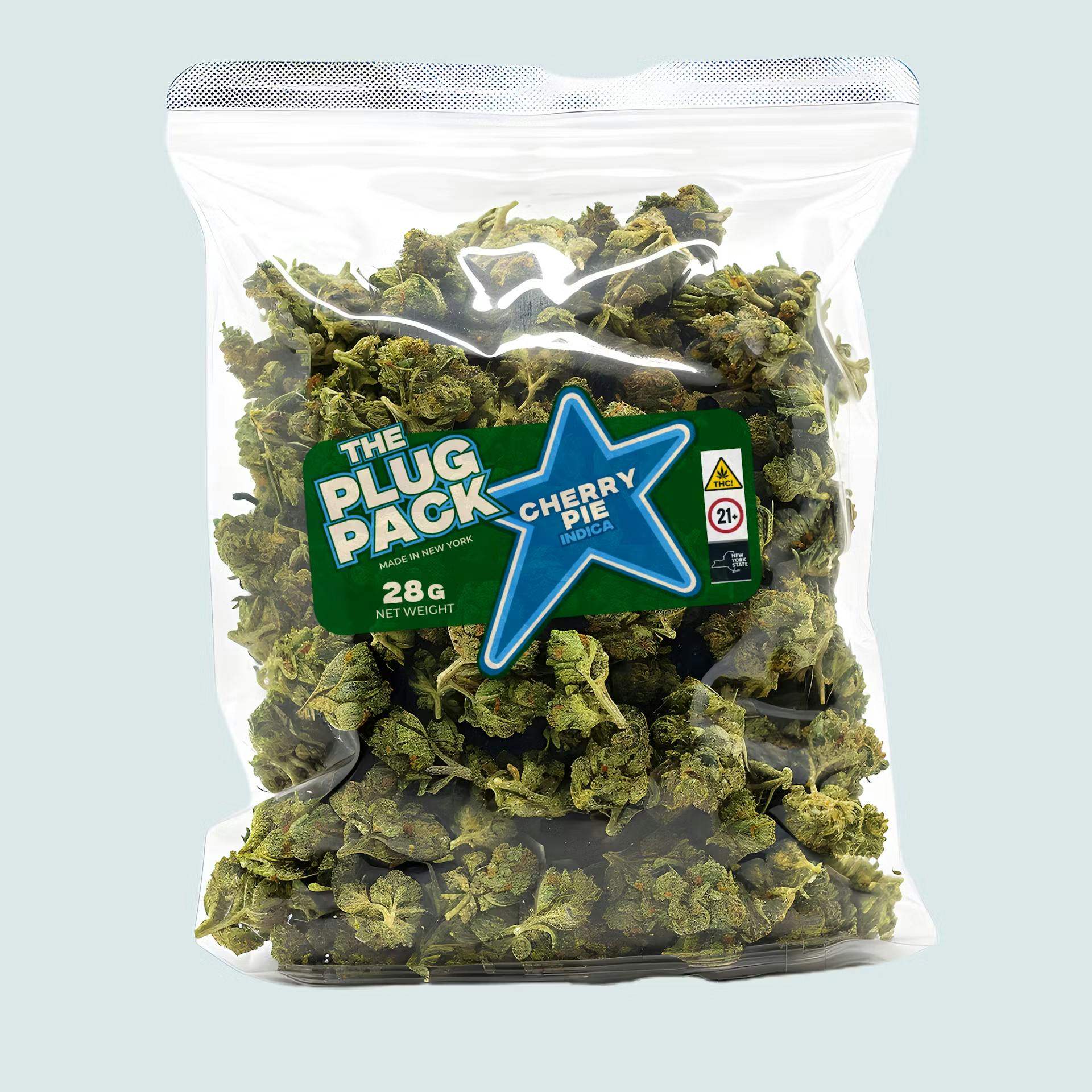
THC 25.8%Indica-Hybrid
The Plug PackThe Plug Pack | Cherry Pie | Whole Flower · 28g
$60.18
$68after tax
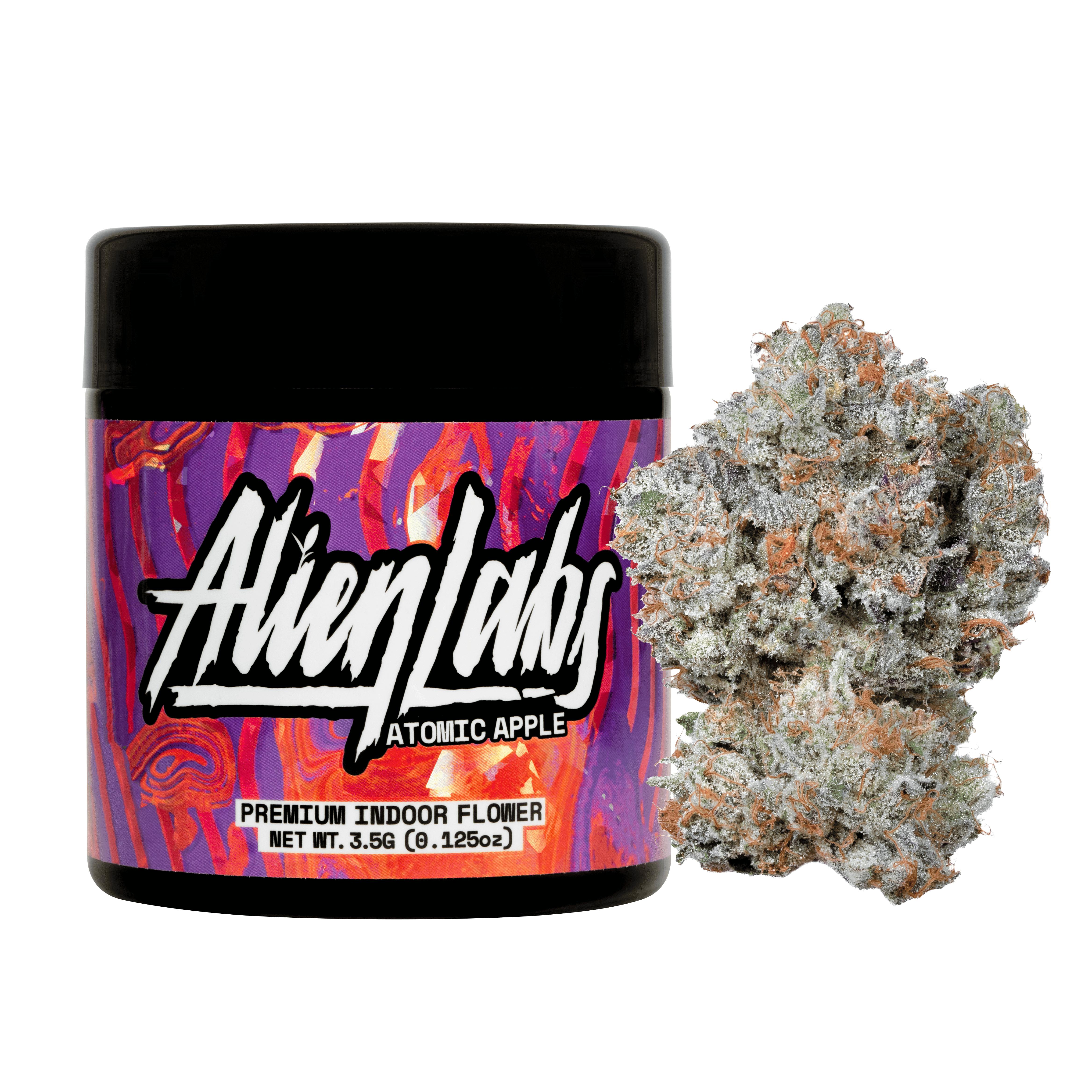
THC 33.39%·CBD 0.01%Hybrid
Alien LabsAlien Labs | Atomic Apple | Indoor Large Bud · 3.5g
$60.18
$68after tax
Flower in Hempstead — answers
Where can I legally purchase cannabis flower near Hempstead, Nassau County?+
New York State adult-use cannabis flower is available exclusively through retailers licensed by the Office of Cannabis Management. For Hempstead residents in the 11550 ZIP code, one convenient option is ZenZest Cannabis Dispensary in Bellerose, Queens, approximately 5.6 miles away via Union Turnpike. ZenZest also offers same-day delivery to the Hempstead area on qualifying orders over $100, which removes the need to travel entirely.
What should I expect to pay for quality cannabis flower on Long Island?+
Licensed adult-use flower in the New York market typically ranges from roughly $12 to $20 per gram at retail, depending on cultivar, grow methodology, and batch size. Craft or small-batch offerings from boutique licensed cultivators tend toward the higher end of that range. Purchasing in larger units — a half-ounce or full ounce — generally lowers the per-gram cost and is worth considering if you have a preferred cultivar you return to consistently.
How do I know if the flower I'm buying is fresh?+
New York regulations require packaging dates on all licensed cannabis products. Look for flower packaged within the past three to four months for optimal terpene expression. Beyond the label, fresh flower should release a distinct, cultivar-specific aroma when the jar is opened and should feel slightly springy — neither crumbling dry nor damp to the touch. Trichome coverage visible to the eye is another reliable indicator of quality handling from harvest through packaging.
Is THC percentage the best way to judge flower quality?+
It is a data point, but not the most complete one. Terpene concentration and minor cannabinoid presence — CBG, CBC, trace CBN — contribute meaningfully to the overall effect profile and the nuance of the experience. A cultivar testing at 20 percent THC with a rich, complex terpene panel will frequently deliver a more satisfying result than a 28 percent flower with minimal secondary compounds. Ask retailers for the full certificate of analysis, not just the headline THC figure.
What terpenes should Hempstead consumers pay attention to for evening use after a commute?+
For unwinding after the kind of structured, commute-heavy day common in Nassau County's Hempstead village, indica-leaning cultivars with myrcene, linalool, and beta-caryophyllene leading the terpene profile tend to suit the occasion. Myrcene carries earthy, relaxing associations; linalool offers a floral, calming note; caryophyllene adds spice and is the only terpene known to interact directly with the body's CB2 receptors. Together they form the aromatic foundation of many well-regarded evening-use cultivars.
Are there flower options suitable for daytime use in Hempstead without heavy sedation?+
Yes. Sativa-dominant or balanced hybrid cultivars with limonene, pinene, or terpinolene as the primary terpenes are generally associated with lighter, more alert experiences that some consumers find compatible with daytime activities. Pinene in particular is noted for a fresh, coniferous quality that many consumers describe as clear-headed. For new consumers, start with a modest session regardless of cultivar type, as individual responses vary considerably.
Can I get cannabis flower delivered to my home in Hempstead's 11550 ZIP code?+
Yes. ZenZest Cannabis Dispensary offers free same-day delivery on orders over $100 to more than 80 ZIP codes across New York, including the 11550 ZIP code covering Hempstead village. Delivery must be made to a private residence, and a valid government-issued ID confirming the recipient is 21 or older will be required at the door. Orders can be placed through the ZenZest website at any point during delivery hours.
How should I store cannabis flower once I bring it home?+
Proper storage preserves terpene integrity and extends the usable life of your purchase significantly. Keep flower in an airtight glass or food-grade container, away from direct light and heat — a cool, dark cabinet or drawer works well. Avoid the refrigerator, as humidity fluctuations during opening and closing can degrade the flower over time. Relative humidity in the range of 58 to 62 percent, maintained with a small boveda pack inside the container, is widely considered optimal for cured cannabis flower.
What is the legal possession limit for cannabis flower in New York?+
New York State law permits adults 21 and older to possess up to three ounces of cannabis flower in public. At home, the limit is five pounds. These limits apply to flower purchased from licensed adult-use retailers. Purchasing from unlicensed sources remains illegal regardless of quantity and does not carry the product-safety assurances — lab testing for pesticides, heavy metals, and potency — that licensed retail provides.
How does the Hofstra University area near Hempstead affect the local cannabis retail conversation?+
The academic environment surrounding Hofstra tends to attract consumers who approach new categories with research in mind. For flower specifically, that translates to a higher baseline curiosity about cultivar genetics, terpene science, and the nuances of licensed versus unlicensed product. Retailers serving the broader Hempstead corridor — whether in-store or via delivery — have responded by maintaining better-documented inventory and more knowledgeable floor staff, raising the overall standard of the retail conversation for all shoppers in the area.