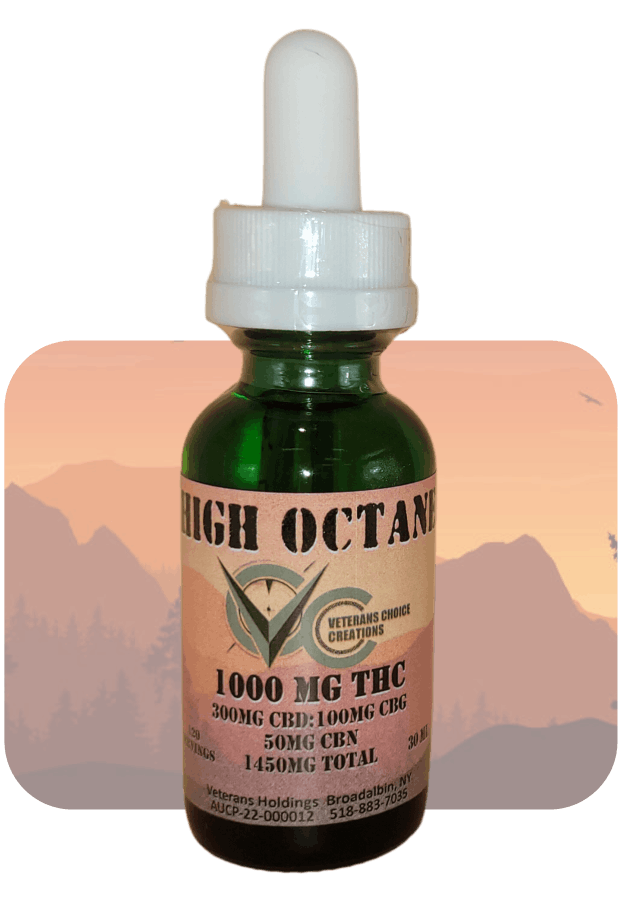
THC 4.41%·CBD 1.58%Hybrid
Veteran's Choice CreationsVETERANS CHOICE CREATIONS | 30ML | TINCTURE | HIGH OCTANE · .1g
$53.10
$60after tax

weeddispensarynearme.com
You must be 21 years or older to enter. By entering, you confirm you’re of legal age in your state to purchase cannabis.
For use only by adults 21+ • Keep out of reach of children
Hell's Kitchen moves fast — from pre-theater dinners on Restaurant Row to late-night industry wind-downs after the Port Authority crowd thins out. Tinctures offer the neighborhood's residents and regulars a measured, discreet way to incorporate adult-use cannabis into that rhythm: no smoke, no vapor, just a few drops dialed precisely to the moment at hand.
About Tinctures
Tinctures occupy a distinctive corner of New York's licensed adult-use cannabis market. Sold as concentrated liquid extracts — most commonly suspended in MCT oil, hemp seed oil, or alcohol — they are administered sublingually, meaning a measured dose held beneath the tongue for thirty to sixty seconds before swallowing. That delivery method allows cannabinoids to enter the bloodstream through the mucous membrane more directly than an edible passes through the digestive tract, which means effects can begin to register within fifteen to forty-five minutes rather than the one-to-two-hour window associated with infused foods and beverages. New York's licensed dispensaries carry tinctures that must meet the same rigorous lab-testing and labeling standards as any other regulated adult-use product. Compliant tinctures display total THC and CBD content per milliliter, batch-specific certificates of analysis, and licensed-producer information on every package. That transparency is particularly valuable for a format where small volume differences translate into meaningful potency shifts. Shoppers can compare milligram totals per bottle and per serving side by side in a way that is harder to do with, say, a pre-roll. The category has broadened considerably since New York's adult-use market matured. Beyond classic high-THC formulations, you will find balanced one-to-one THC-to-CBD expressions, high-CBD options with only trace THC, and minor-cannabinoid blends incorporating CBG or CBN. Some producers layer in botanical terpene profiles drawn from cultivar-specific extraction, giving each tincture a distinct aromatic and experiential character that goes well beyond simple potency numbers. For anyone navigating New York's licensed market for the first time, tinctures are often described by budtenders as a forgiving entry point: the dropper makes it straightforward to begin with a conservative volume, observe the effect over an hour, and adjust incrementally. Start low, go slow remains the guiding principle across all formats, and it applies here as much as anywhere.
Tinctures for Hell's Kitchen shoppers
Hell's Kitchen sits between 34th and 59th Streets west of Eighth Avenue, with the density of 9th Avenue's restaurant corridor, the perpetual transit churn of Port Authority Bus Terminal, and the theater adjacency of the West 40s shaping daily life in ZIP codes 10019 and 10036 in ways that make tinctures a particularly practical fit. The neighborhood's residents include working actors, culinary industry professionals, long-tenured rent-stabilized tenants, and newer arrivals drawn by proximity to Midtown without the price point of the Upper West Side or Chelsea. Most of them share a schedule that rarely follows a nine-to-five arc. Restaurant Row — the stretch of West 46th Street dense with pre-theater dining — means that for many Hell's Kitchen residents and workers, evenings begin early and end late. A tincture taken sublingually before a dinner service shift or tucked discreetly into a bag for post-curtain decompression fits neatly into that professional rhythm. There is no odor to contend with in a small apartment building with thin walls, no combustion in a neighborhood where outdoor smoking etiquette is already negotiated on crowded sidewalks, and no waiting for a delivery app. Winter in Hell's Kitchen — when the Hudson winds push east across 12th Avenue and 9th Avenue becomes a tunnel of cold air — makes outdoor consumption genuinely unappealing for months at a stretch. Tinctures sidestep that entirely. Likewise, the neighborhood's dense pre-war and early postwar apartment stock means many residents are balancing close quarters with neighbors. A small brown glass bottle on a kitchen shelf is as unobtrusive as it gets, which resonates strongly here.
What to look for
Choosing a tincture begins with understanding the ratio. A product labeled 1:1 THC:CBD will feel markedly different from one labeled 10:1 THC:CBD, even at the same total milligram count, because CBD modulates THC's psychoactive expression. For Hell's Kitchen residents who need to remain functional — finishing a late shift at a restaurant, catching an early morning Port Authority commuter bus to New Jersey — a CBD-forward or balanced ratio is often the more practical starting point. High-THC tinctures are well suited to experienced consumers who have already established their tolerance and timing. Terpenes matter even in tincture format. Producers who retain cultivar-specific terpene profiles during extraction will list dominant terpenes on the label or in the accompanying certificate of analysis. Myrcene-forward profiles tend to read as more physically relaxing; limonene expressions skew toward an uplifted, social quality; linalool carries a floral calm that many consumers associate with ease before sleep. These are not medical claims — terpenes influence aroma and, anecdotally, the character of the experience — but they give a knowledgeable shopper a useful lens beyond THC percentage alone. Format trade-offs are worth considering. Sublingual tinctures in MCT oil are the most common and the most shelf-stable. Alcohol-based tinctures absorb slightly faster sublingually but have a sharper taste that some consumers find off-putting. Water-soluble tincture emulsions, a newer category in New York's market, are designed to mix into beverages — a relevant option for the cocktail-culture crowd along 9th Avenue who want something to add to a mocktail rather than hold under the tongue. Pay attention to milligrams per milliliter rather than milligrams per bottle to make meaningful comparisons across products at the dispensary.
Why ZenZest for tinctures in Hell's Kitchen
ZenZest Cannabis Dispensary operates a licensed adult-use location at 2343 Forest Ave in Staten Island — approximately 12.8 miles from the heart of Hell's Kitchen — with a curated tincture selection drawn from New York State's licensed producer network. The retail floor is organized for deliberate browsing rather than impulse purchasing, and the staff is trained to walk customers through ratio options, terpene profiles, and format differences without defaulting to upselling. For a category like tinctures, where the right product genuinely depends on individual context and experience level, that kind of unhurried guidance is worth seeking out. For Hell's Kitchen residents who prefer not to make the trip, ZenZest offers free same-day delivery on orders over one hundred dollars across more than eighty New York ZIP codes, including 10019 and 10036. The licensed delivery service brings the same compliant, lab-tested products directly to your door — a natural fit for a neighborhood where time is a scarce commodity and the elevator to your apartment is already the most convenient cannabis retail counter you could ask for.
ZenZest Staten Island · 2343 Forest Ave, Staten Island, NY 10303 · 12.8 miles from Hell's Kitchen.
$60after tax
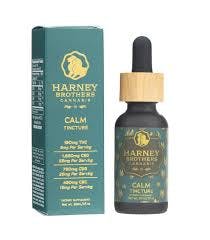
$49after tax

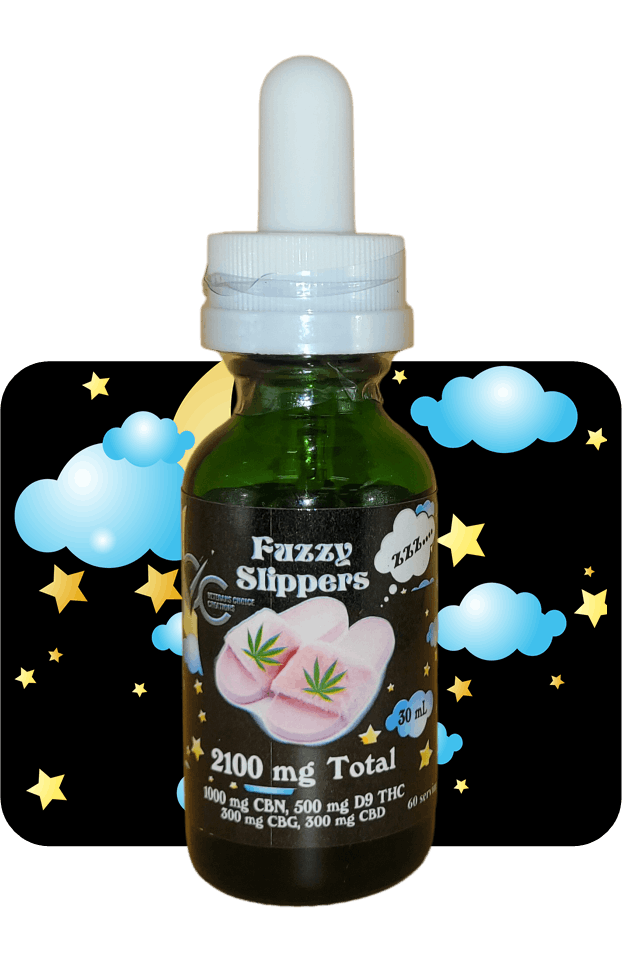
$50after tax
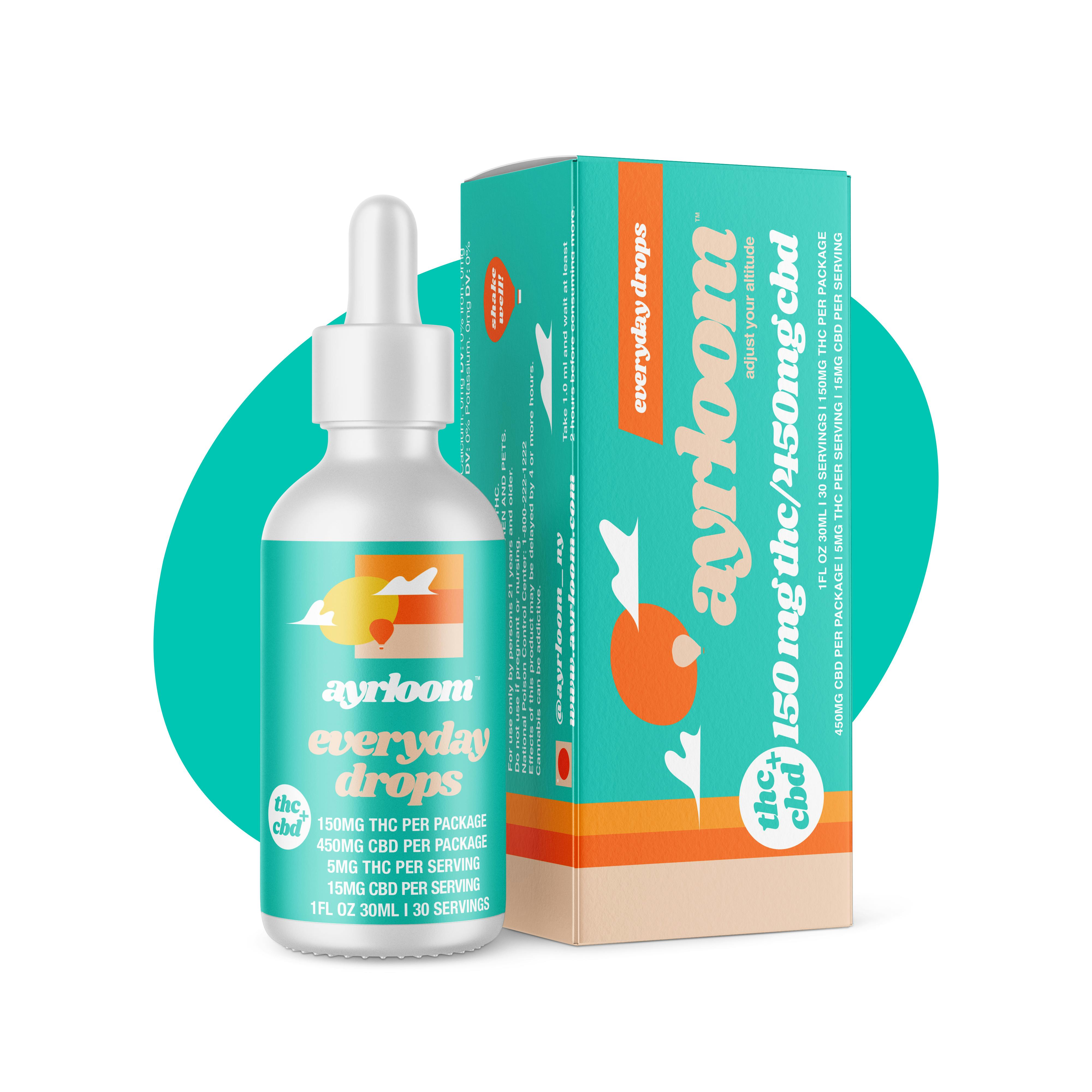
$34after tax
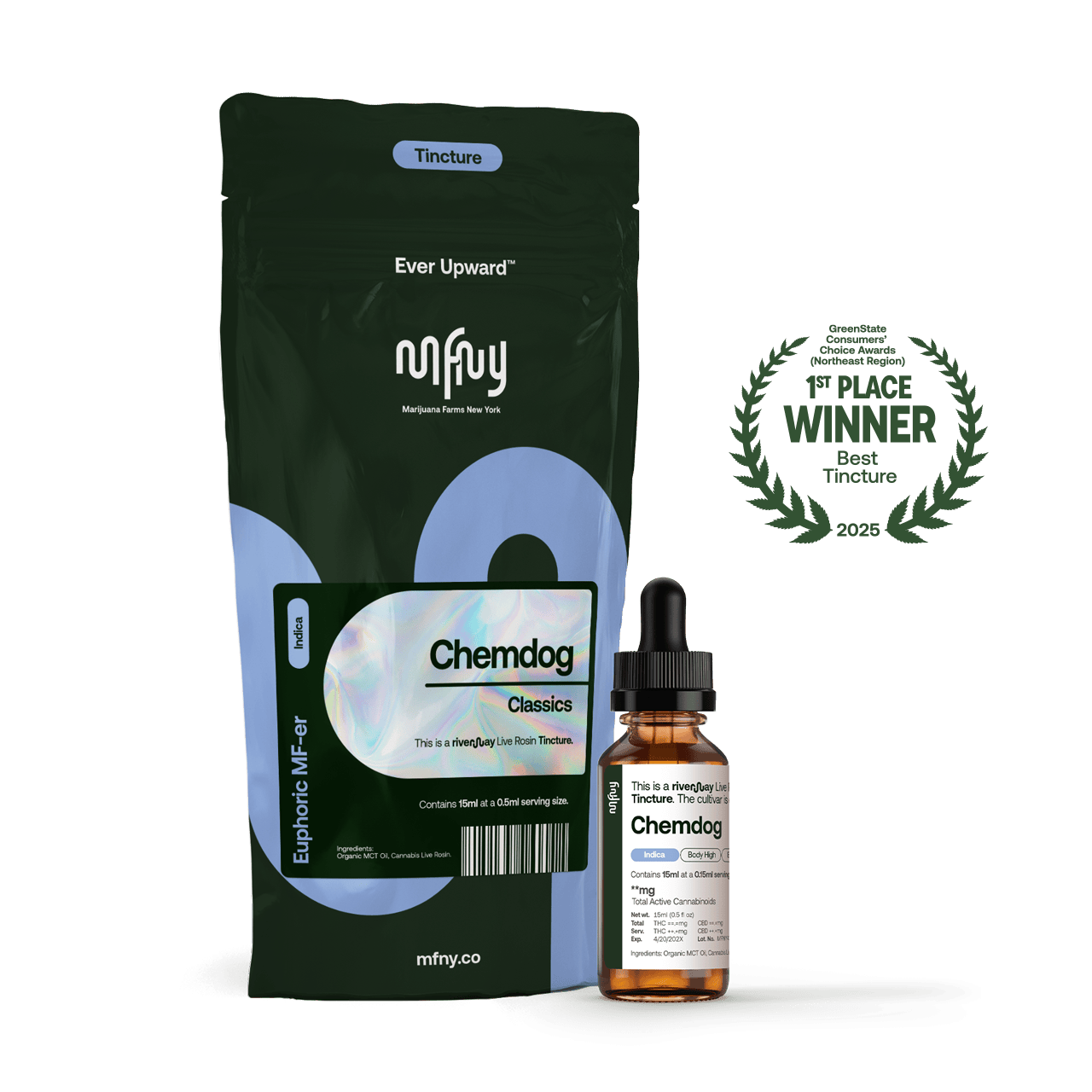
A tincture is a concentrated liquid cannabis extract, typically suspended in MCT oil, hemp seed oil, or alcohol, and administered by holding drops under the tongue. When used sublingually, cannabinoids absorb through the mucous membrane and can begin to take effect within fifteen to forty-five minutes. An edible, by contrast, travels through the digestive system, extending onset to one to two hours or more. For Hell's Kitchen residents managing a time-sensitive evening — a pre-theater dinner reservation on West 46th Street, for instance — that faster and more predictable timing is a meaningful distinction.
Most tinctures produced in MCT oil carry minimal aroma — essentially neutral or very faintly herbal — and none at the point of use. There is no combustion, no vapor, and no lingering scent. Alcohol-based formulations can have a slightly sharper smell when the bottle is open, but even those dissipate almost immediately. For residents in Hell's Kitchen's dense pre-war buildings where odors travel readily through shared spaces, tinctures are among the most considerate formats available in New York's adult-use market.
New York licensed tinctures must display total THC and CBD content both per milliliter and per serving, the licensed producer's name, batch number, and a reference to the certificate of analysis. Focus on milligrams per milliliter rather than the total bottle size when comparing products — a 30-milliliter bottle at 5 mg per mL contains 150 mg total, while a 15-milliliter bottle at 10 mg per mL contains the same total in half the volume. Ratio labeling (1:1, 3:1, etc.) indicates the relationship between THC and CBD per serving.
If your weeknight involves a late restaurant shift or an evening of social plans along 9th Avenue, a limonene-forward tincture profile tends to skew toward an uplifted and sociable character that many consumers find compatible with active evenings. For a quieter night in after navigating the Port Authority or a long Midtown commute, myrcene-dominant or linalool-forward profiles lean toward physical ease and calm. These are general anecdotal observations about terpene character — individual responses vary, and terpene content is best read directly from the certificate of analysis.
Yes, and it matters for how you use the product. Standard oil-based tinctures do not mix evenly into beverages — the oil separates — so they are best used sublingually. Water-soluble tincture emulsions are engineered to disperse evenly into liquid, making them practical for adding to a glass of water, tea, or a mocktail. For the cocktail-literate crowd that frequents Hell's Kitchen's bar scene, a water-soluble option offers a way to incorporate cannabis into a beverage moment at home. Onset with water-soluble formats can be somewhat faster than traditional oil tinctures when ingested, though still slower than sublingual administration.
Most tinctures are packaged in dark glass bottles specifically because cannabinoids degrade with light and heat exposure. Store yours in a cool, dark location — a cabinet away from the stove or any window that receives direct afternoon sun is ideal. Hell's Kitchen apartments facing west can get significant afternoon light, so a kitchen cabinet on an interior wall or a bathroom medicine cabinet works well. Refrigeration is not required for most oil-based tinctures but will extend shelf life, particularly for alcohol-based formulations. Always confirm storage guidance on the specific product's packaging.
Tinctures are frequently recommended as an approachable format for newer consumers precisely because the dropper allows conservative, incremental dosing. Starting with a small volume — well below the serving size listed on the label — and waiting a full hour before reconsidering is the standard start-low, go-slow approach that applies across all adult-use cannabis formats. Unlike a pre-roll, where the session is ongoing, a tincture dose is discrete and measurable. For a Hell's Kitchen resident new to the licensed market, pairing a first tincture purchase with a conversation with a knowledgeable budtender is a practical first step.
New York adult-use cannabis is legal within New York State for adults 21 and older, but it is not legal to transport across state lines regardless of the destination state's laws. Taking a licensed New York tincture through Port Authority Bus Terminal onto a bus bound for New Jersey constitutes interstate transport of a controlled substance under federal law, regardless of New Jersey's own cannabis regulations. Keep your licensed products within New York State. This is not a ZenZest policy — it is federal and state law.
A 1:1 product contains equal milligrams of THC and CBD per serving, meaning psychoactive effect is present but modulated by the CBD. Many consumers describe 1:1 formulations as producing a milder, more grounded experience than an equivalent THC-only dose. A high-CBD tincture with only trace THC — sometimes described as hemp-derived CBD, though New York licensed dispensaries carry cannabis-derived versions as well — delivers CBD without meaningful psychoactive effect. For consumers who want the potential benefits of CBD without intoxication, or who are sensitive to THC, the high-CBD trace-THC option is the more conservative choice.
Yes. ZenZest Cannabis Dispensary offers free same-day licensed delivery on orders over one hundred dollars, and Hell's Kitchen ZIP codes 10019 and 10036 are within the more than eighty New York ZIP codes served by that delivery program. Tinctures are among the formats well suited to delivery — compact, sealed, and shelf-stable — and the order minimum can often be met by combining a tincture with one or two additional products from ZenZest's licensed catalog. Delivery brings the same lab-tested, compliant inventory available at the Staten Island store directly to your door.
Pick your store
We'll show pricing, deals, and delivery zones for the store you pick. You can switch any time from the header.