
Manhattan · Flower
Best Flower in Hell's Kitchen, Manhattan
Hell's Kitchen has long traded in atmosphere — the low hum of Restaurant Row, the diesel drift near Port Authority, the walk-up apartments stacked above 9th Avenue's wine bars and prep kitchens. For the neighborhood's adult cannabis consumers, premium flower remains the category that rewards that same attention to craft: chosen slowly, enjoyed deliberately, and sourced from New York's expanding roster of licensed cultivators.
About Flower
Flower is the foundational cannabis format, and in New York's regulated adult-use market it has arrived with a level of horticultural seriousness that mirrors the state's long-standing pride in agriculture. Licensed cultivators operating under the Office of Cannabis Management submit every batch to third-party testing for cannabinoid potency, residual solvents, heavy metals, and microbial contamination — which means the jar you open in your Hell's Kitchen apartment carries documentation that back-channel product never could. Expect lab-verified THC percentages typically ranging from the low teens on mellower cultivars to the upper twenties on high-potency selections, with total cannabinoid profiles that include CBD, CBG, and a constellation of minor cannabinoids that shape the overall character of the experience. Beyond potency, the contemporary flower market divides broadly into three format presentations: whole flower sold by the gram or eighth, pre-ground options packaged for convenience, and whole-plant small-batch releases from craft micro-cultivators who prioritize cure time and terpene preservation over yield. Each occupies a distinct place on the quality spectrum. Whole flower that has been properly dried and cured — meaning a slow, humidity-controlled process lasting two to four weeks post-harvest — retains the aromatic oils, called terpenes, that give each cultivar its distinctive scent and contribute meaningfully to the character of the experience. New York's licensing framework has created a genuine craft tier within the market. Conditional adult-use retail licenses, many held by social equity applicants, have brought a diverse selection of in-state-grown flower to consumers who previously had access only to out-of-state imports. This provenance matters: cultivars grown under New York's specific humidity and light conditions develop terpene profiles that reflect the local environment, a concept familiar to anyone who has followed the state's wine or apple industries. Shoppers in the 10019 and 10036 ZIP codes benefit from the competitive density of Manhattan retail, which drives selection and accountability.
Flower for Hell's Kitchen shoppers
Hell's Kitchen occupies a particular psychographic in Manhattan — it is neither the hushed wealth of the Upper East Side nor the tourist saturation of Times Square a block to the east. The neighborhood's residents are working professionals, theater industry workers, line cooks and sous-chefs who clock out after midnight, nurses finishing long rotations at nearby hospital corridors, and longtime renters who have watched 9th Avenue evolve from butcher shops to Michelin-starred tables without losing its essential groundedness. Cannabis flower, consumed at home after a demanding shift or on a weekend afternoon in a building's rooftop space, fits naturally into a lifestyle that prizes quality but has little patience for pretension. The proximity to Port Authority Bus Terminal at 41st and 8th Avenue means a significant portion of Hell's Kitchen residents commute in from New Jersey or the outer boroughs, arriving home through one of the city's most chaotic transit hubs. The decompression ritual that begins the moment they leave that building — walking up 9th, stopping for groceries, finally exhaling — is precisely the context in which a well-chosen cultivar, opened at home with intention, earns its place. Restaurant Row along West 46th Street adds another dimension: the neighborhood's culture of sensory engagement, of caring about what you taste and smell, translates directly to a consumer who will appreciate the aromatic complexity that distinguishes a properly cured Gelato phenotype from a hastily dried, one-note alternative. Seasonal considerations matter in this part of Manhattan. The street-level wind tunnels between the west side's older building stock make winter evenings genuinely cold, which nudges consumption indoors and elevates the importance of at-home formats. In warmer months, Hudson River Park's esplanade sits within a short walk west — a reminder that flower purchased on a Friday evening often accompanies a Saturday that begins at the water's edge.
What to look for
When evaluating flower in a licensed New York dispensary, the first instrument worth trusting is your own nose — provided the product is displayed in a way that allows olfactory assessment. Terpenes, the volatile aromatic compounds responsible for scent, are also the compounds most responsible for the nuanced character of a cultivar beyond raw THC percentage. Myrcene, the most common terpene in cannabis, carries an earthy, slightly musky quality and is associated with a more physically relaxed experience. Limonene presents with bright citrus and tends to accompany cultivars described as uplifting. Caryophyllene, which is also found in black pepper and cloves, has a spiced, woody character. When a budtender provides a terpene certificate alongside the potency panel, those three figures tell you more than THC percentage alone. For the Hell's Kitchen consumer who is often evaluating flower for end-of-day use after a demanding service industry or creative-sector shift, cultivars with higher myrcene and linalool content — the latter a floral terpene shared with lavender — may offer the unwinding quality they are seeking. Conversely, the weekend explorer heading toward the Hudson or meeting friends on 9th Avenue for a late brunch might gravitate toward a limonene-forward or terpinolene-dominant cultivar that keeps the experience lighter and more social. On format trade-offs: whole flower purchased by the eighth (3.5 grams) from a licensed retailer offers the best value and the widest selection. Pre-rolls are a legitimate convenience format, but scrutinize whether the listed cultivar is whole-flower or a trim-and-shake blend — quality retailers will specify. For new adult-use consumers, the general guidance holds: start with a lower THC cultivar, consume a modest amount, and allow adequate time before reassessing. There is no correct potency number, only the one appropriate to your individual tolerance and the occasion.
Why ZenZest for flower in Hell's Kitchen
ZenZest Cannabis Dispensary operates two licensed New York adult-use locations, and for Hell's Kitchen residents the nearest physical store is ZenZest Staten Island at 2343 Forest Ave, Staten Island, NY 10303 — approximately 12.8 miles from the heart of the neighborhood. The store's curated flower selection reflects the same editorial sensibility that the brand applies across all category formats: provenance-conscious sourcing, clear labeling of cannabinoid and terpene data, and staff trained to guide rather than upsell. For the Hell's Kitchen consumer who understandably prefers not to add a Staten Island errand to a schedule already anchored by Port Authority logistics, ZenZest's free same-day delivery is the more practical option. Orders over $100 qualify for no-charge delivery across more than 80 New York ZIP codes, including 10019 and 10036 — meaning a thoughtfully assembled flower order can arrive at a 9th Avenue address the same day it is placed, with no transit hub required.
ZenZest Staten Island · 2343 Forest Ave, Staten Island, NY 10303 · 12.8 miles from Hell's Kitchen.
Live flower for Hell's Kitchen
Full flower menu →
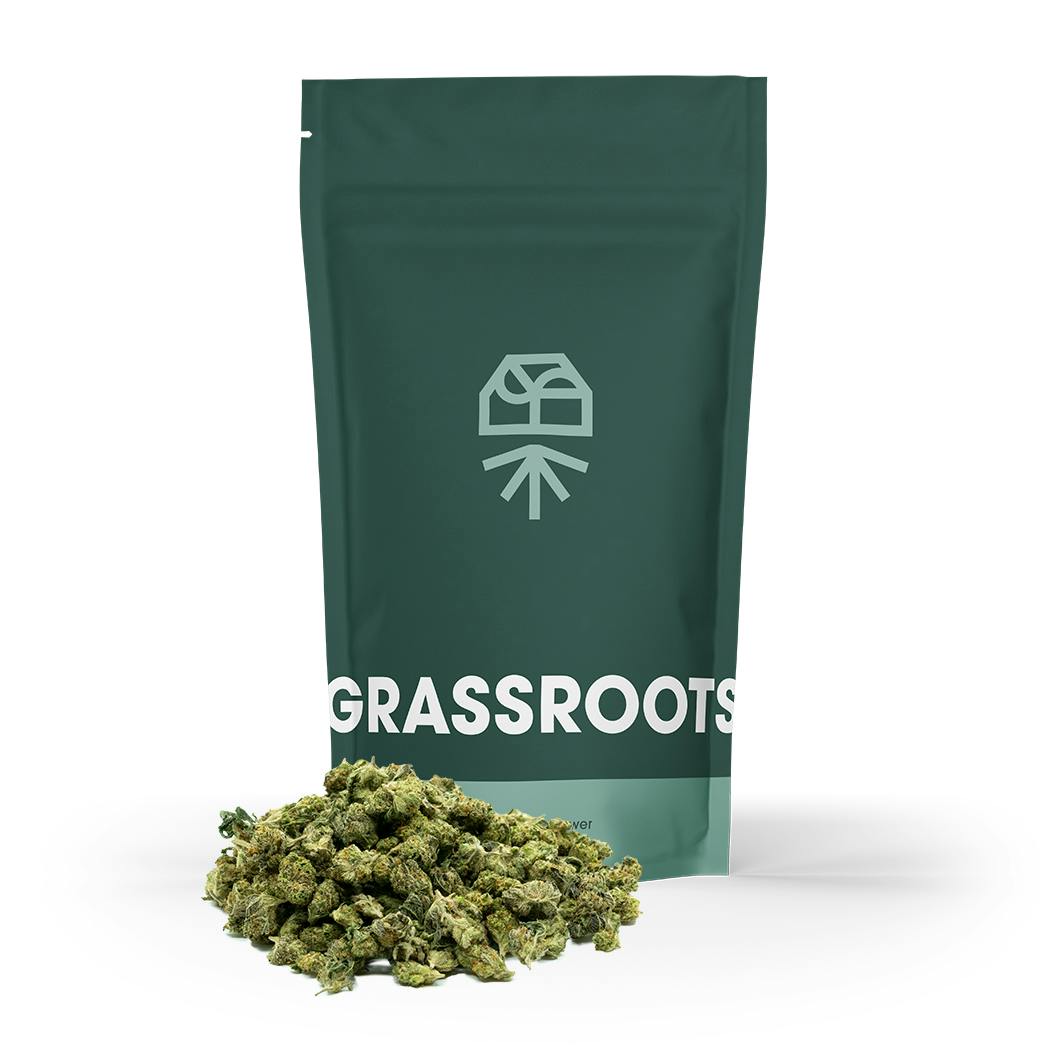
On sale· 20% OFF
THC 33.02%Hybrid
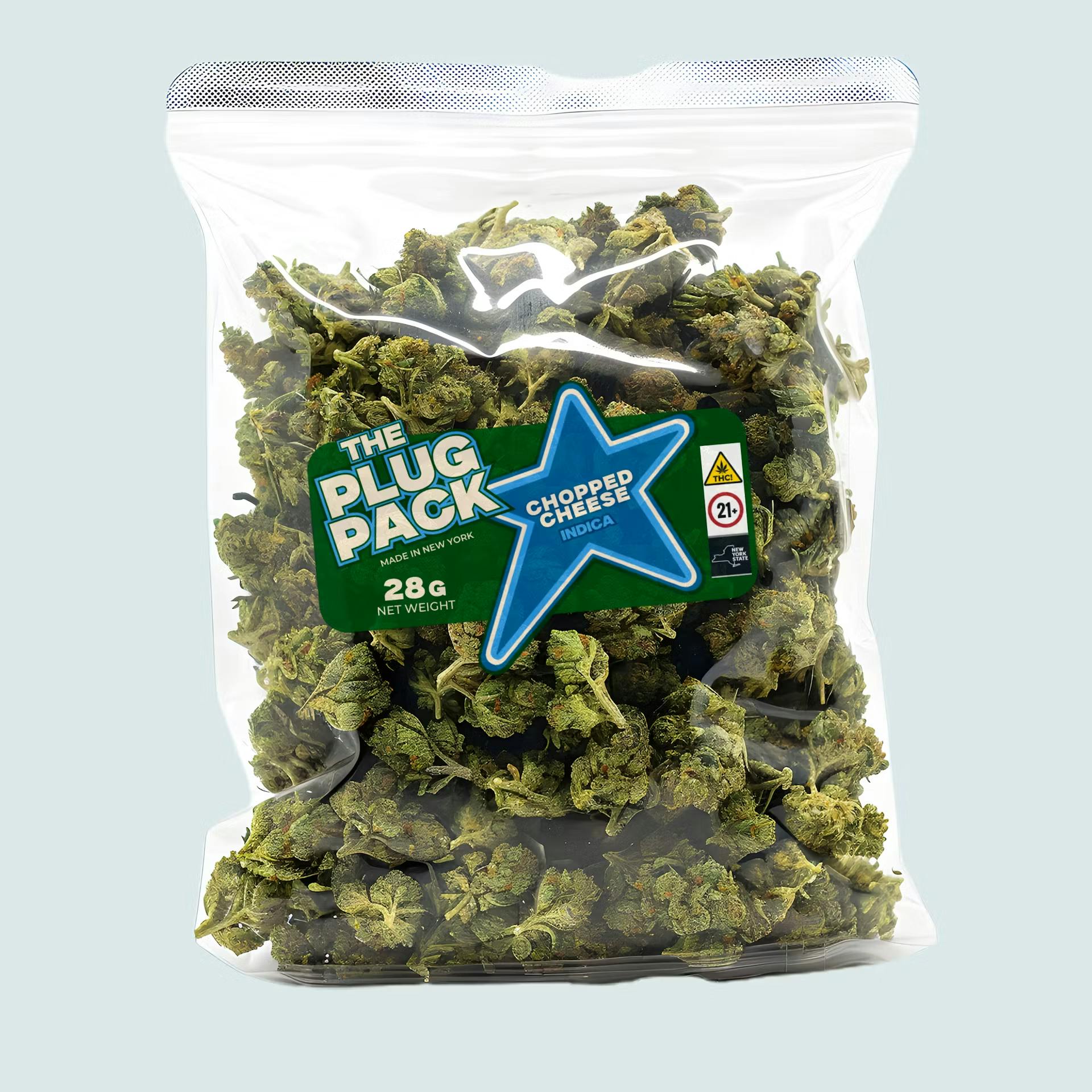
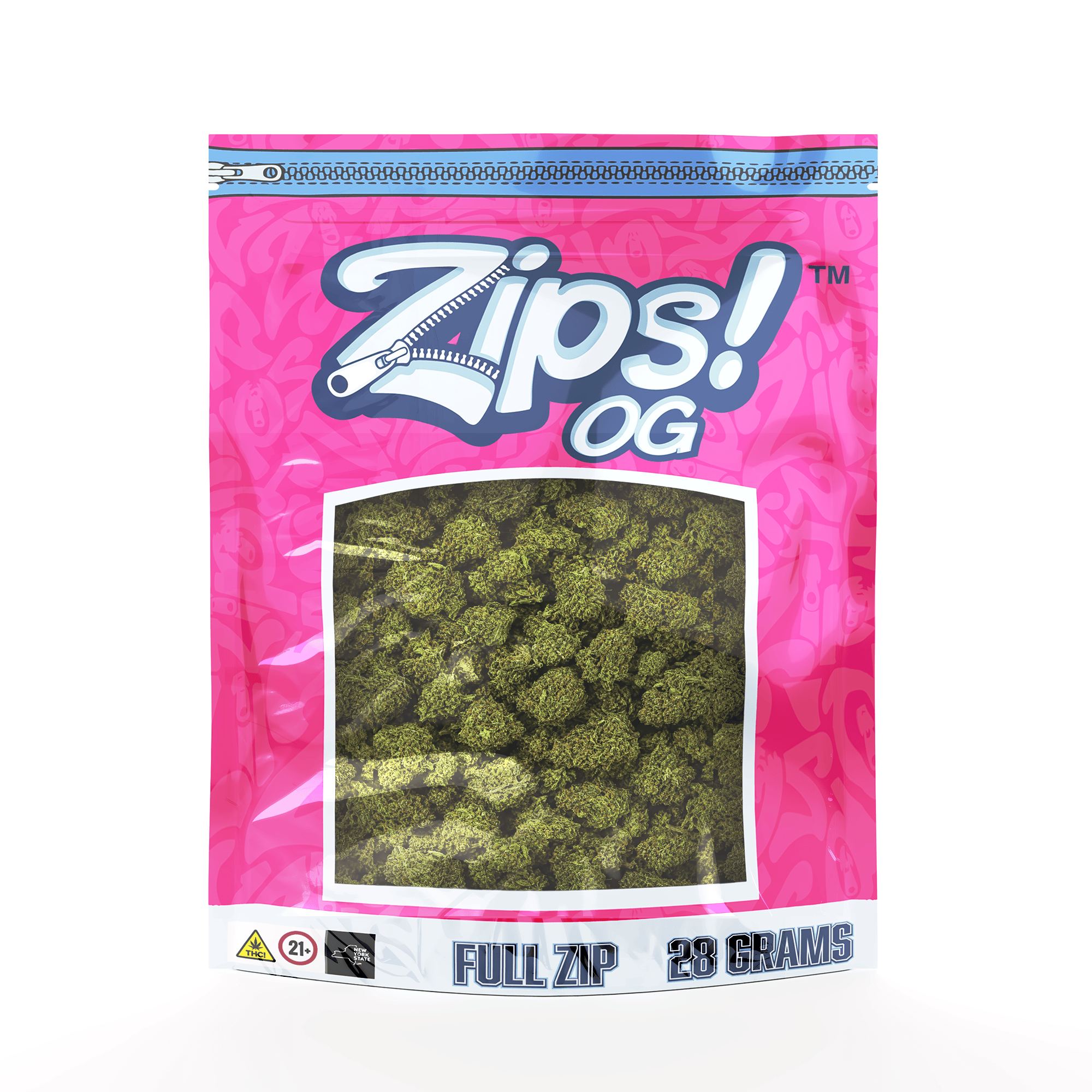
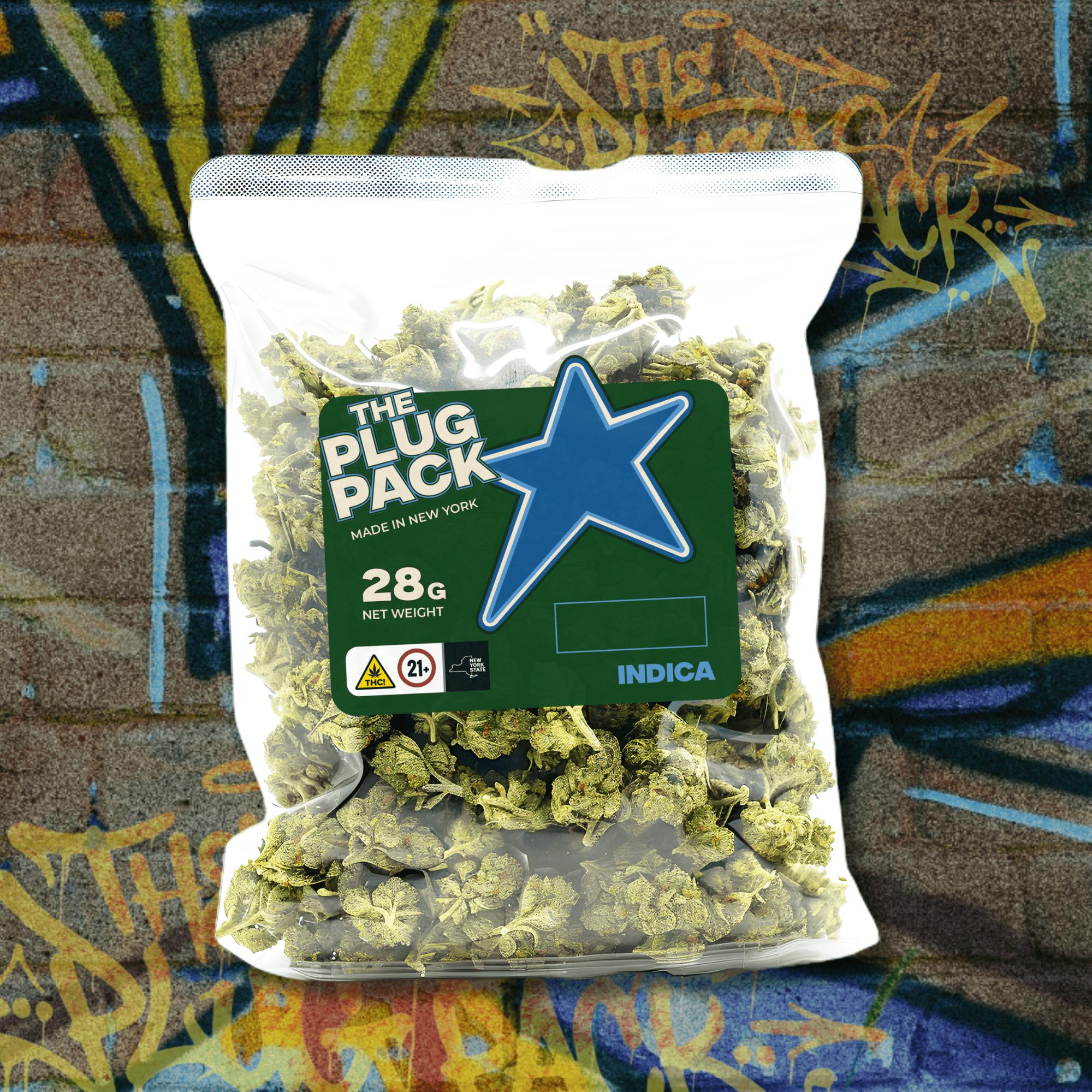
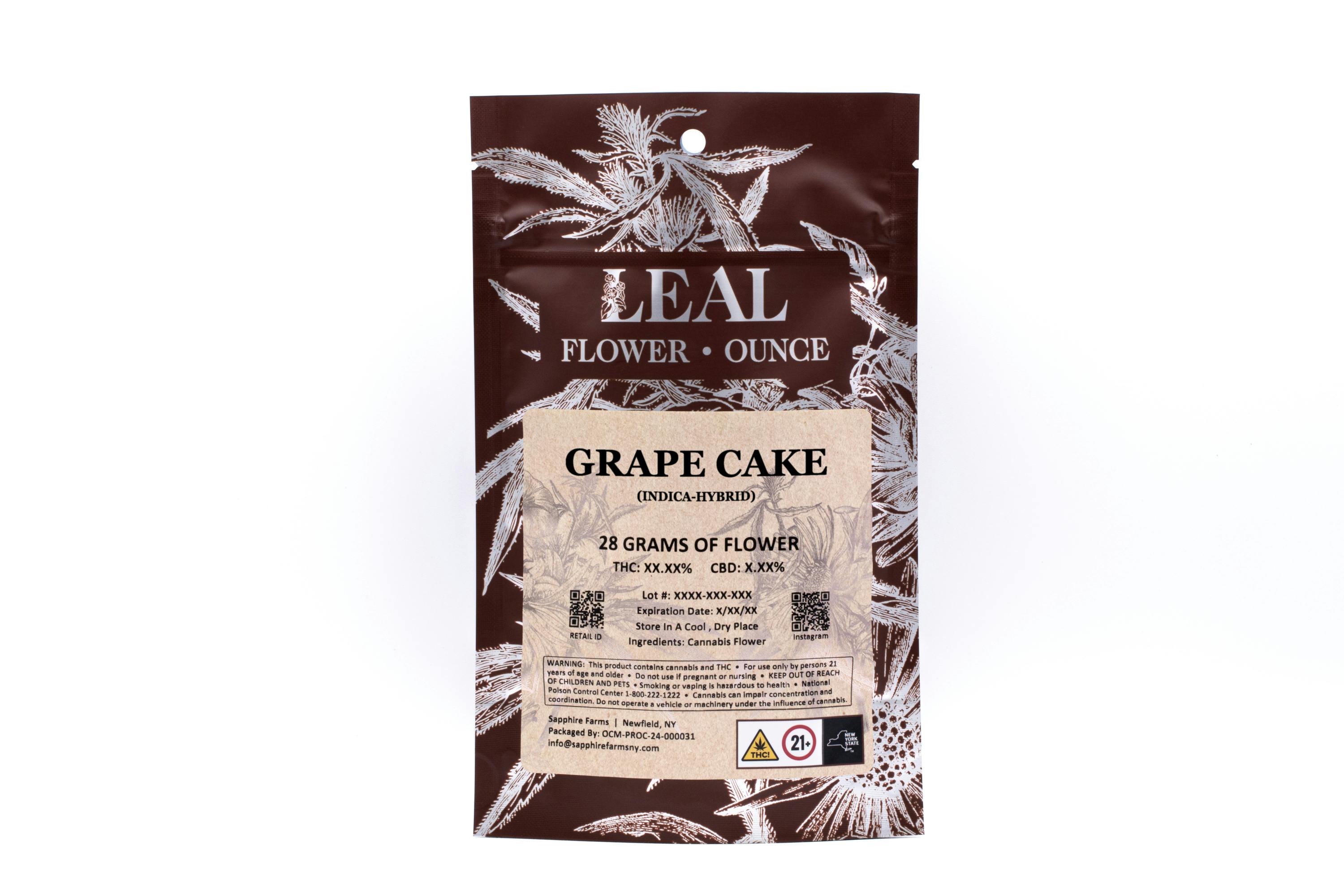
GrassrootsGrassroots Prepack Popcorn Flower Hybrid : Blue Lobster · 14g
$92.03$115.04
$107after tax
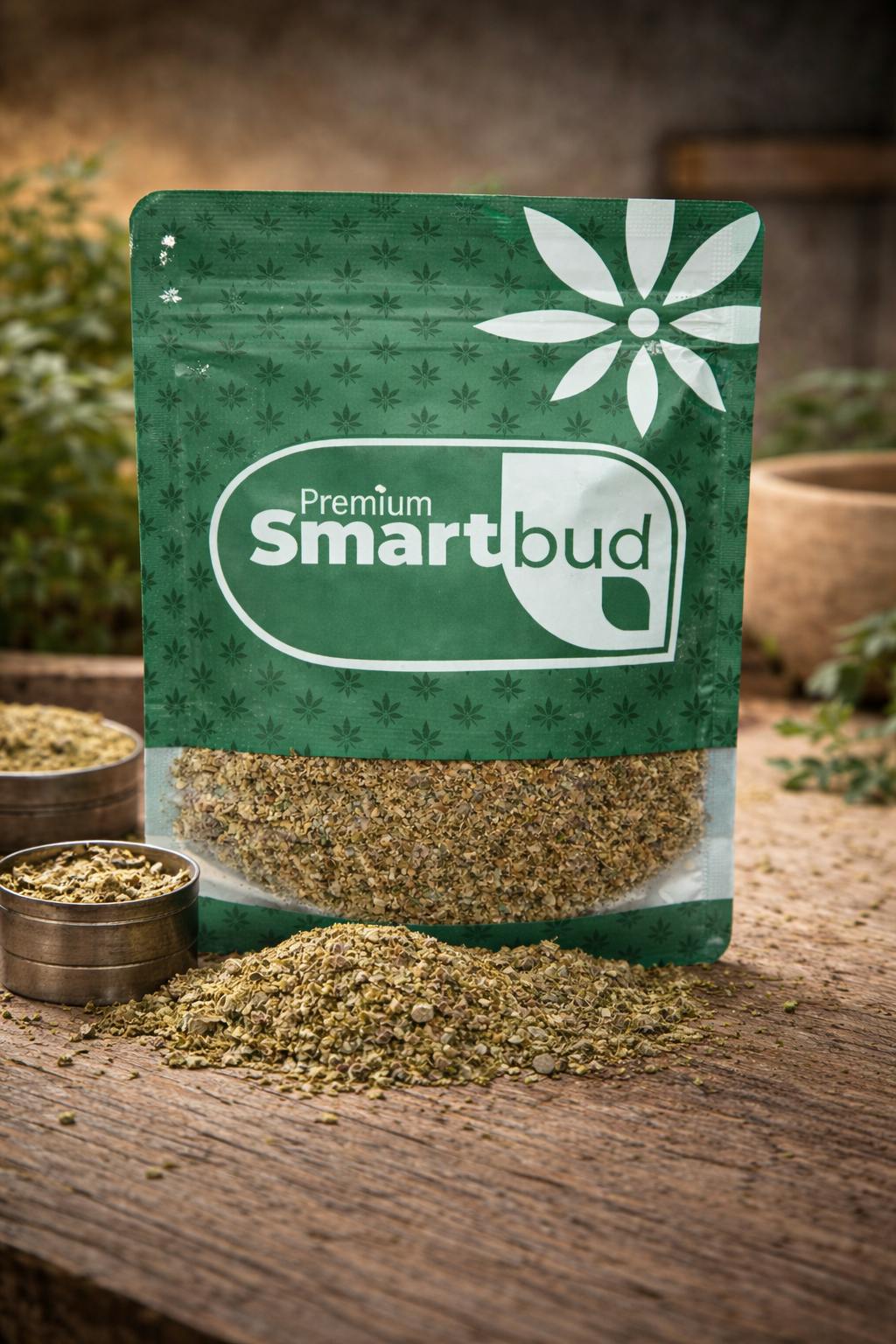
THC 32.88%Indica-Hybrid
SmartBudSmartBud - Flower PreGround - Sunset Sherbert · 28g
$90.27
$102after tax
Flower in Hell's Kitchen — answers
Is cannabis flower legal to purchase in Hell's Kitchen, Manhattan?+
Yes. New York State's adult-use cannabis market is open to individuals 21 and older, and purchasing flower from a licensed retailer serving ZIP codes 10019 and 10036 is fully legal under state law. Licensed dispensaries are the only legal retail channel — unlicensed storefronts and delivery operations do not carry the same product testing or consumer protections. Always verify that a retailer holds a current Office of Cannabis Management license before purchasing.
What THC percentage should I look for in flower as a first-time buyer?+
New York licensed flower ranges from roughly 12% THC on milder cultivars to upwards of 28% on high-potency selections. First-time or low-tolerance consumers generally do well starting in the 14–18% range, which offers a perceptible experience without the intensity that higher-potency cultivars can produce unexpectedly. The broader principle — start low, go slow — applies regardless of the number on the label, because individual response to cannabinoids varies considerably from person to person.
What are terpenes and why do they matter when choosing flower?+
Terpenes are the aromatic compounds naturally present in cannabis — and in many other plants — that give each cultivar its distinctive scent profile. They also interact with cannabinoids in ways that shape the character of the experience, a phenomenon sometimes called the entourage effect. Common terpenes in licensed New York flower include myrcene (earthy, grounding), limonene (citrus, bright), caryophyllene (spiced, woody), and linalool (floral, calming). A reputable dispensary will provide a terpene certificate alongside standard potency data.
How should I store flower after purchasing it in my Hell's Kitchen apartment?+
Proper storage preserves the terpene profile and prevents the product from drying out or developing excess moisture. A sealed, opaque glass jar kept at room temperature — away from direct sunlight and the variable heat near a kitchen range — is the most reliable home solution. Relative humidity of 58–62% is considered optimal; small two-way humidity packs, widely available at licensed retailers, maintain that range inside sealed containers. Manhattan apartment heating systems can dry product quickly in winter months, making humidity packs particularly useful in the 10019 and 10036 area.
Can I consume cannabis flower in public areas near Restaurant Row or 9th Avenue?+
New York State prohibits cannabis consumption in most public spaces, including sidewalks, parks designated as smoke-free, and any location where tobacco smoking is prohibited under the Clean Indoor Air Act. That includes 9th Avenue streetscapes and the vicinity of Port Authority. Consumption is permitted in private residences and in licensed cannabis lounges where those exist. Hell's Kitchen residents should plan for at-home consumption, particularly during colder months when outdoor options are further limited.
What is the difference between whole flower and a pre-roll in terms of quality?+
Whole flower purchased by the gram or eighth gives the consumer direct visibility into bud structure, moisture content, and aromatic profile before purchase — all useful quality indicators. Pre-rolls vary significantly: some are filled with the same whole-flower cultivar broken down for rolling, while others use trim, shake, or blended material that may offer lower terpene concentration. When evaluating pre-rolls at a licensed New York retailer, ask specifically whether the fill is whole-flower and check whether a cultivar-specific lab panel is available for that SKU.
How does ZenZest's same-day delivery work for Hell's Kitchen ZIP codes?+
ZenZest Cannabis Dispensary offers free same-day delivery on orders over $100 to more than 80 New York ZIP codes, which includes 10019 and 10036. Orders are placed through the retailer's licensed platform, and delivery is handled in compliance with state regulations — meaning the recipient must be 21 or older and present valid ID at the door. For a Hell's Kitchen resident who prefers not to travel to the Staten Island store at 2343 Forest Ave, the delivery option covers a wide flower selection without an additional logistics burden.
Are there New York-grown flower options available, and does provenance matter?+
Yes. The Office of Cannabis Management has licensed a growing number of New York State cultivators, and their product — grown under local environmental conditions — is increasingly available at compliant retailers. Provenance matters to the degree that local growing conditions, including humidity, light cycle, and soil composition, influence terpene development. Consumers who follow the state's wine or agricultural sectors will find the concept familiar. Ask your dispensary whether a given flower lot was cultivated in-state, and whether a certificate of analysis from a New York-accredited lab is available.
What should I ask a budtender at a licensed dispensary when selecting flower?+
Four questions cover most of what you need: What is the terpene profile, and does the retailer have a full panel? What is the harvest and packaging date — fresher product retains more volatile aromatics? Is this whole flower or a blended format? And what is the cultivation source? A well-trained budtender at a quality licensed retailer should be able to answer all four without hesitation. If the answer to any of them is unavailable, that itself is useful information about the retailer's product transparency.
How much flower can an adult legally purchase in a single New York transaction?+
Under New York State adult-use regulations, individuals 21 and older may purchase up to three ounces of cannabis flower in a single transaction from a licensed retailer. For most consumers, a transaction of one to two eighths — 3.5 to 7 grams — is more practical both financially and in terms of freshness, since flower stored for extended periods at home will gradually lose terpene intensity. Purchasing in smaller quantities more frequently is generally the better approach for preserving the aromatic quality that distinguishes premium licensed product.