On sale· 20% OFF
THC 70.7%Indica-Hybrid
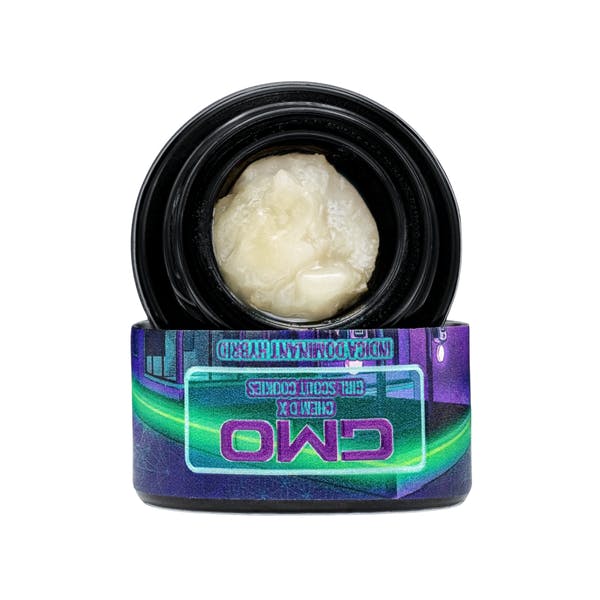
UmamiiUmamii | Live Rosin Jar | GMO · 2g
$80.00$100.00
$93after tax

weeddispensarynearme.com
You must be 21 years or older to enter. By entering, you confirm you’re of legal age in your state to purchase cannabis.
For use only by adults 21+ • Keep out of reach of children
Hell's Kitchen moves at the pace of a double-espresso — Theater District curtain calls, Port Authority commuters, and the lingering char of Restaurant Row kitchens all compressed into ZIP codes 10019 and 10036. Rosin, the solventless concentrate pressed from fresh cannabis flower or hash, fits naturally into a neighborhood that values craft, transparency, and things made the right way.
About Rosin
Rosin occupies a singular position in the New York licensed cannabis market precisely because it requires no chemical solvents to produce. The extraction process relies entirely on calibrated heat and pressure — applied to either cured flower, dry-sift kief, or bubble hash — to separate the resin from the plant material. What remains is a full-spectrum concentrate that retains the terpene profile, the minor cannabinoids, and the nuanced character of the cultivar from which it was pressed. For consumers accustomed to evaluating olive oils or single-origin coffee, the logic is immediately legible: less processing, more fidelity to the source. New York's Office of Cannabis Management licenses dispensaries to carry a range of concentrate formats, and rosin has earned shelf space alongside BHO, live resin, and distillate — but it tends to command a different kind of attention. Shoppers who care about ingredient transparency are drawn to it. So are seasoned consumers who have grown skeptical of the uniformity that heavy refinement can produce. A well-pressed rosin from a quality input will read differently on the palate from a distillate cartridge carrying the same strain name, and that difference is the point. Texturally, rosin can range from a glossy, sap-like consistency — often called "live rosin" when pressed from fresh-frozen input — to a more stable, whipped "badder" or crumbly "cake batter" texture depending on post-press handling and temperature. Hash rosin, pressed from bubble hash rather than raw flower, sits at the top of the craft hierarchy: input quality, ice-water extraction efficiency, and pressing precision all compound. The result is a product category that rewards patience and education in equal measure. For New York adults shopping in the licensed market, rosin also represents a strong case for understanding certificates of analysis. Every licensed product must be tested by a state-accredited laboratory, which means potency, terpene content, residual solvent levels (which should read at or near zero for true rosin), and microbial safety are all documented before the product reaches a shelf.
Rosin for Hell's Kitchen shoppers
Hell's Kitchen is not a neighborhood that rewards passivity. Ninth Avenue is perpetually in motion — greenmarkets giving way to pre-theater dinner rushes, Port Authority's bus bays cycling through arrivals from New Jersey and upstate on a schedule that never fully rests. The residents who have stayed through multiple decades of the neighborhood's evolution tend to have finely calibrated tastes: they know their butchers, their wine merchants, their coffee roasters. Rosin fits into that sensibility without any translation required. The practical geography matters too. A concentrate like rosin — consumed via a dab rig, a purpose-built electronic device, or a rosin-loaded vaporizer cartridge — suits the indoor lifestyle that characterizes Hell's Kitchen living. Apartments in the West 40s and 50s are often compact, which makes session-style consumption a reasonable fit. A small dab of hash rosin, used thoughtfully, offers a quality of experience that a larger quantity of flower might not replicate in the same square footage. Potency and concentration are genuine features here, not marketing language. Seasonally, the neighborhood's compressed winters — when the Hudson wind cuts through the cross streets between Ninth and Tenth Avenues with real conviction — make the idea of an at-home evening ritual genuinely appealing. Rosin, stored properly in a small silicone or glass jar, travels cleanly from a dispensary bag to a kitchen drawer without the fragility concerns of, say, a glass pipe. For a neighborhood where the commute from Port Authority can mean arriving home already exhausted, the efficiency and quality ceiling of a well-pressed rosin can make it the concentrate format that holds its own against anything else on a nightstand shelf.
What to look for
Shopping for rosin in a licensed New York dispensary rewards a few minutes of label literacy. The first thing to examine is the input material: flower rosin, kief rosin, and hash rosin represent a meaningful quality gradient, with hash rosin — particularly that pressed from six-star or full-melt bubble hash — sitting at the premium end. The input cultivar matters as well. Ask whether the source material was fresh-frozen (indicating "live rosin") or cured, as this affects the terpene expression and ultimately the character of the experience. Terpene content is your most reliable guide to what a rosin will feel like in practice. Look for lab-documented terpene percentages above two percent as a rough indicator of aromatic complexity. Myrcene brings a grounding, earthy warmth that many consumers associate with relaxed evenings; limonene reads bright and clarifying; caryophyllene offers a peppery note with a profile that some find well-suited to social settings like a pre-theater dinner on Restaurant Row. THC content in quality rosin typically lands between 60 and 85 percent — considerably more concentrated than flower — which makes the standard new-consumer guidance, start low and go slow, genuinely applicable here rather than merely perfunctory. Format trade-offs deserve attention. A loose, saucy live rosin is maximally expressive but requires a dab rig or a compatible electronic device; it is not easily portable. A rosin-filled vaporizer cartridge sacrifices some terpene complexity in exchange for portability and discretion — a legitimate trade-off for a Hell's Kitchen resident who commutes, travels, or simply values convenience. Rosin badder or cake batter, with its stable, workable texture, sits comfortably in the middle: easy to portion, straightforward to store, and compatible with most electronic dab devices available at licensed New York retailers.
Why ZenZest for rosin in Hell's Kitchen
ZenZest Cannabis Dispensary operates two licensed New York locations, and for Hell's Kitchen residents the nearest is ZenZest Staten Island at 2343 Forest Ave, Staten Island, NY 10303 — approximately 12.8 miles from the heart of the neighborhood. The store carries a curated selection of licensed concentrate products, including solventless options, sourced from New York's regulated adult-use supply chain. Staff are trained to walk customers through certificates of analysis and help match input cultivar, terpene profile, and texture format to individual preferences. For customers who prefer not to make the trip, ZenZest offers free same-day delivery on qualifying orders over $100, available across more than 80 New York ZIP codes. Hell's Kitchen's 10019 and 10036 ZIP codes fall within the delivery footprint, which means a well-pressed hash rosin can move from a temperature-controlled display case to a West 40s or 50s apartment without requiring a single subway transfer. Delivery orders are handled with the same discretion and care as in-store purchases, arriving in compliant packaging that keeps product integrity intact from fulfillment to front door.
ZenZest Staten Island · 2343 Forest Ave, Staten Island, NY 10303 · 12.8 miles from Hell's Kitchen.
$93after tax
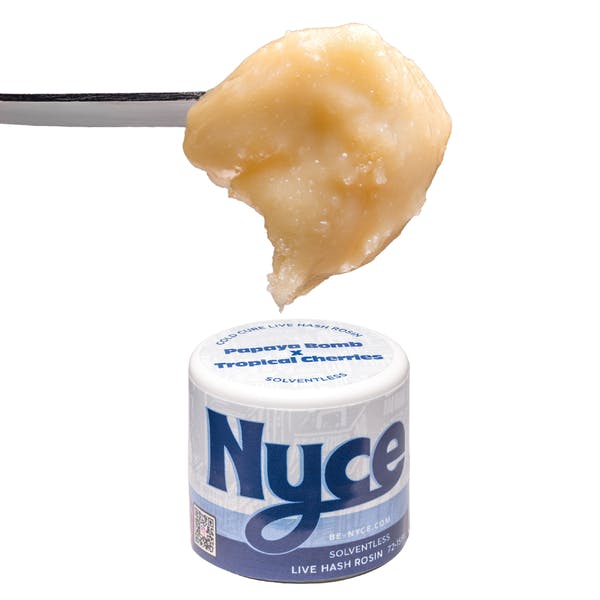
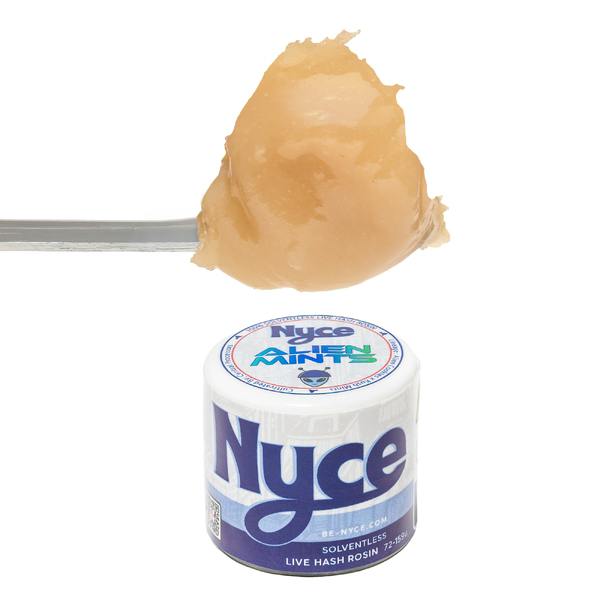
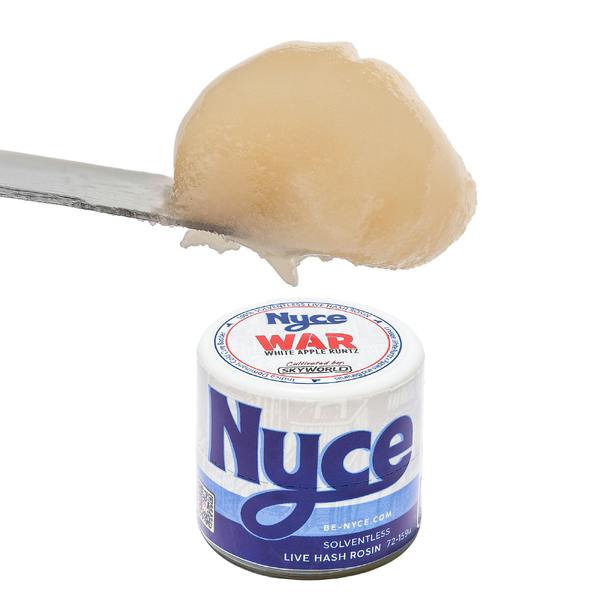
Rosin is produced using only heat and pressure — no hydrocarbon solvents like butane or propane, and no post-extraction purging processes. This means the final product carries no residual solvent signature and retains a fuller expression of the original plant's terpene and cannabinoid profile. Licensed New York dispensaries carry BHO, live resin, and distillate products alongside rosin, but solventless production is what distinguishes this category for consumers who prioritize ingredient transparency.
Flower rosin is pressed directly from cured cannabis buds and represents the most accessible entry point to the category. Kief rosin uses dry-sifted trichome heads as its input, concentrating quality before the press. Hash rosin — the most refined tier — is pressed from bubble hash produced through an ice-water extraction process, yielding a product with exceptional terpene clarity and potency. Hash rosin commands the highest price point on the shelf and is generally considered the benchmark for solventless quality.
Live rosin is pressed from fresh-frozen cannabis material — plant matter that was frozen immediately after harvest rather than being dried and cured. Fresh-freezing preserves volatile terpenes that would otherwise evaporate during curing, so the resulting rosin tends to carry a more vibrant, expressive aromatic profile than its cured-input counterpart. For Hell's Kitchen consumers who appreciate the nuance of, say, a cold-pressed olive oil over a refined one, live rosin occupies a similar quality position.
Rosin can be a good entry point into concentrates precisely because its ingredient list is simple — just cannabis. However, THC content typically ranges between 60 and 85 percent, which is significantly more potent than flower. New consumers should start with a very small amount, allow adequate time to assess the effect before considering more, and choose an indica-leaning or balanced cultivar profile. Starting low and going slow is not a cliché here; it is sound practice for any high-potency format.
Rosin is most commonly consumed using a dab rig — a water pipe fitted with a titanium, quartz, or ceramic nail heated to a controlled temperature — or an electronic dab device, which offers more precise temperature control in a compact form factor. Rosin-filled vaporizer cartridges require only a compatible battery. For a smaller apartment setting, an electronic device or cartridge format minimizes hardware and reduces the visible footprint of a session, which may be a practical consideration in dense residential buildings.
Rosin is best stored in a sealed glass or medical-grade silicone container, kept away from direct light, excessive heat, and moisture. A kitchen drawer or a cool cabinet works well for short-term storage; a refrigerator is appropriate for longer periods if the container is properly sealed to prevent condensation. Avoid leaving rosin on a warm surface — a sunny window ledge or near a stovetop — as prolonged heat exposure will degrade terpenes and alter the texture, particularly in saucier live rosin formats.
For a decompression-oriented evening at home, terpene profiles dominated by myrcene — earthy, slightly musky, associated with a calming quality — or linalool, which carries a subtle floral character, are commonly sought. Beta-caryophyllene is another terpene worth noting; it contributes a warm, peppery note and has a distinctive chemical profile. Always review the certificate of analysis for documented terpene percentages rather than relying solely on strain name marketing, as growing conditions and processing meaningfully affect the final profile.
Yes. ZenZest Cannabis Dispensary offers free same-day delivery on orders over $100, and both 10019 and 10036 fall within the delivery footprint covering more than 80 New York ZIP codes. This means Hell's Kitchen residents can browse the licensed concentrate selection — including solventless rosin options — and receive their order the same day without a trip to the Staten Island store at 2343 Forest Ave. Delivery is handled in fully compliant packaging.
Four sections of a COA are most relevant for rosin shoppers. First, check total THC and total cannabinoid percentages to understand potency. Second, review the terpene panel for documented compounds and percentages — this is your best predictor of flavor and character. Third, confirm that residual solvent levels read at or near zero, which verifies the product is genuinely solventless. Fourth, review microbial and mycotoxin results to confirm the product passed state-required safety testing. A licensed New York dispensary is required to have current COAs available on request.
A rosin-filled vaporizer cartridge or a small, portable electronic dab device is the most practical format for a social or pre-event occasion, given the discretion and portability those formats offer. In terms of cultivar profile, terpene expressions leaning toward limonene — bright, citrus-forward — or pinene, which is crisp and clarifying, are commonly favored in social contexts. As always, potency in this category is meaningful, and consuming a small amount before an evening out is the appropriate approach for any consumer, regardless of experience level.
Pick your store
We'll show pricing, deals, and delivery zones for the store you pick. You can switch any time from the header.