Manhattan · Rosin
Best Rosin in Harlem, Manhattan
Harlem has always moved at its own frequency — from the low hum of a Saturday afternoon on Lenox Avenue to the electric charge of a weeknight near the Apollo. Rosin, the solventless concentrate pressed directly from cannabis flower or hash, matches that energy: unhurried, pure, and intentional. For adults 21 and older navigating the 10026, 10027, 10030, and 10037 ZIP codes, here is what to know before your next purchase.
About Rosin
Rosin occupies a distinct corner of the New York licensed cannabis market — one defined by craft, transparency, and the absence of chemical solvents. Unlike BHO or CO2 extracts, rosin is produced entirely through heat and pressure, which means the finished product carries a chemical profile that reads as close to the original plant as any concentrate can achieve. What arrives in the jar is, in essence, a refined expression of the cultivar itself. New York's Office of Cannabis Management licenses producers who must adhere to rigorous testing protocols, and solventless concentrates like rosin benefit from that framework. Residual solvent tests are largely irrelevant here — the concern shifts instead to microbial safety, pesticide screening, and accurate cannabinoid and terpene reporting on the label. Savvy shoppers look for a Certificate of Analysis attached to or scannable from every unit sold at a licensed New York dispensary. Within the concentrate category, rosin comes in several textures: fresh-press rosin retains high moisture and a sauce-like consistency; cured rosin is pressed from dried flower and typically presents as a more stable, badder or budder texture; and live rosin — pressed from fresh-frozen material — is widely considered the premium tier, preserving volatile terpenes that would otherwise be lost during drying and curing. Each texture has its own handling and storage preferences, and each commands a different price point in the New York market. For those new to concentrates, potency levels in rosin typically run higher than flower — often landing between 65 and 85 percent total cannabinoids depending on the starting material and press conditions. The standard guidance applies: start low and go slow, allow adequate time between sessions, and treat rosin as its own product category rather than an extension of flower.
Rosin for Harlem shoppers
Harlem is not a neighborhood that rewards shortcuts, and its residents — from the longtime families along 125th Street to the graduate students filling brownstones off Adam Clayton Powell Jr. Boulevard — tend to approach their purchases with that same discernment. Rosin fits naturally into this context. It is a product that rewards attention: to the label, to the cultivar, to the terpene notes listed on the COA. That kind of informed consumption aligns well with a community that has historically been deliberate about what it brings into its homes. Seasonally, Harlem's winters are sharper than the city's marketing suggests. The stretch from Frederick Douglass Boulevard down into the 10037 corridor near Madison Avenue Bridge can feel genuinely raw from November through March. For concentrate users, cold temperatures affect both the product and the session experience — rosin stored at room temperature or below retains its terpene profile and consistency, making it a practical choice for those who prefer a small, discreet kit over carrying flower and papers through a cold commute. A dab setup at home after a long MTA ride or a walk from the 2 and 3 trains at 125th Street is a different experience than a quick smoke outside — warmer, more measured, more controlled. The cultural calendar around the Apollo Theater and the 125th Street corridor also creates occasions that call for something elevated. Pre-event rituals, post-show wind-downs, and weekend afternoons with friends in a Harlem apartment all benefit from a product that offers precision over abundance. Rosin, used intentionally by adults who understand their tolerance, fits these moments well.
What to look for
Shopping for rosin at a licensed New York dispensary means having access to more information than most product categories allow. Start with the terpene panel on the COA. Myrcene and caryophyllene tend to appear in cultivars associated with a more grounded, body-forward effect, while limonene and terpinolene are common in cultivars described as uplifting or cerebral. Linalool, less frequently discussed, often appears in rosin pressed from more floral starting material and carries a distinctly smooth aromatic quality. None of these are medical claims — they are simply the language of the plant, preserved through a solventless process. Texture is a practical consideration that new rosin buyers often overlook. Live rosin typically requires refrigeration to maintain its consistency and should be allowed to come to room temperature before use. Cured rosin badder is more forgiving at ambient temperatures — useful for someone in a Harlem apartment without dedicated storage space for concentrates. Fresh-press rosin sits between the two in terms of handling demands. Ask your budtender or consult the dispensary's product notes before committing to a texture that requires storage conditions you cannot easily meet. For THC potency, rosin at the 65 to 75 percent range is often described by experienced users as more nuanced than material pressing past 80 percent — the terpene-to-cannabinoid ratio tends to be better balanced at the lower end of the concentrate spectrum. Newcomers to concentrates should treat even a small portion of a single gram as a meaningful session. The format itself — whether consumed via a portable dab device or a traditional rig — also changes the experience substantially, and licensed dispensary staff can walk you through the practical differences without pressure.
Why ZenZest for rosin in Harlem
ZenZest Cannabis Dispensary serves the Harlem market through its Queens location at 272-06 Union Tpke in Bellerose — approximately 13 miles from the 10026 and 10027 ZIP codes. The drive is straightforward via the Queens-Midtown Tunnel or the Queensboro Bridge, but for Harlem residents who prefer not to leave the borough for a concentrate purchase, ZenZest's same-day delivery program is a practical and well-regarded alternative. Orders exceeding $100 qualify for free same-day delivery across more than 80 New York ZIP codes, covering Harlem's 10026, 10027, 10030, and 10037 areas. The delivery model suits the Harlem lifestyle particularly well. Whether you are near the 125th Street retail corridor, settled into a brownstone in Hamilton Heights, or working near the City College campus, ZenZest's curated rosin selection arrives with the same licensed product integrity available in-store. All products are sourced from New York state-licensed producers, accompanied by accessible COA documentation, and handled by staff knowledgeable enough to answer questions about terpene profiles, textures, and appropriate starting points for adults new to solventless concentrates.
ZenZest Queens · 272-06 Union Tpke, Bellerose, NY 11004 · 13 miles from Harlem.
Live rosin for Harlem
Full rosin menu →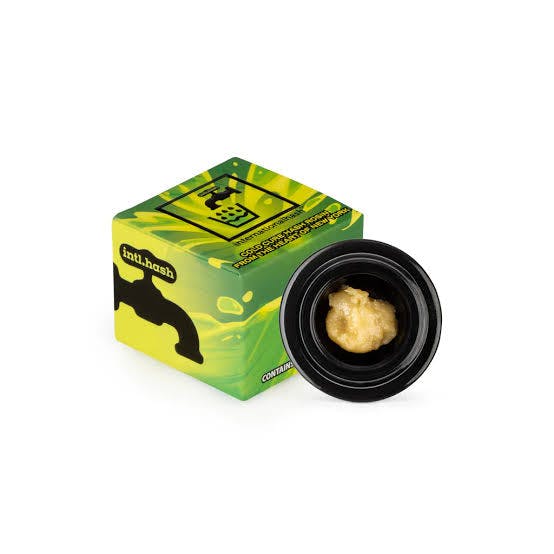
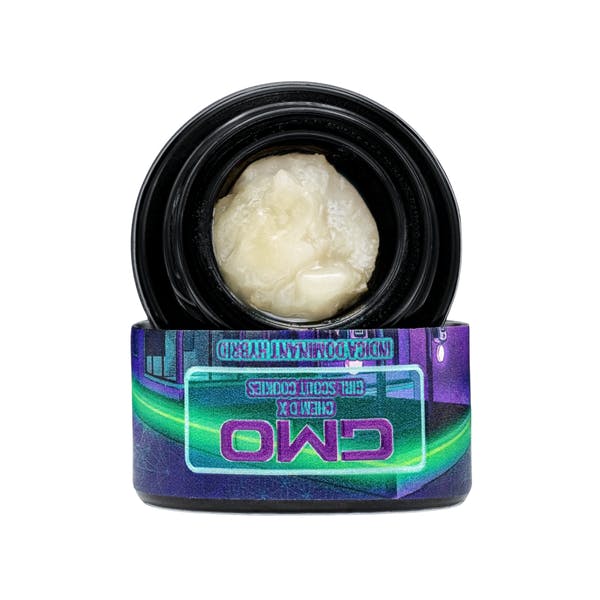
THC 75.73%Hybrid
INTERNATIONAL HASHInternational Hash | Cold Cure Hash Rosin | Grapefruit Hybrid · 1g
$66.37
$75after tax
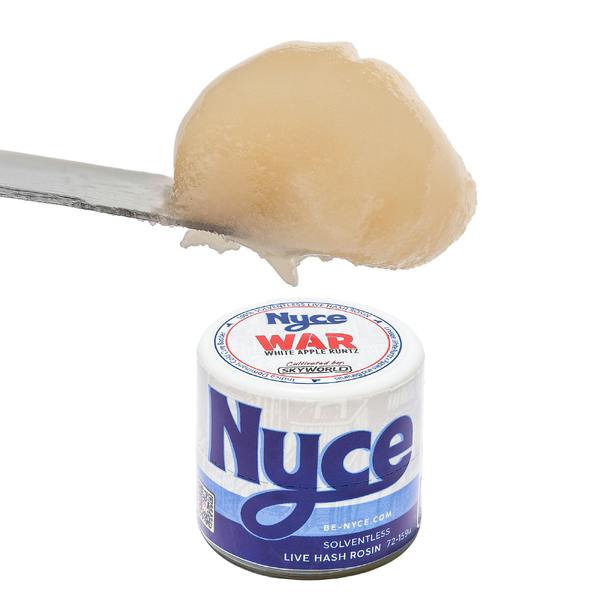
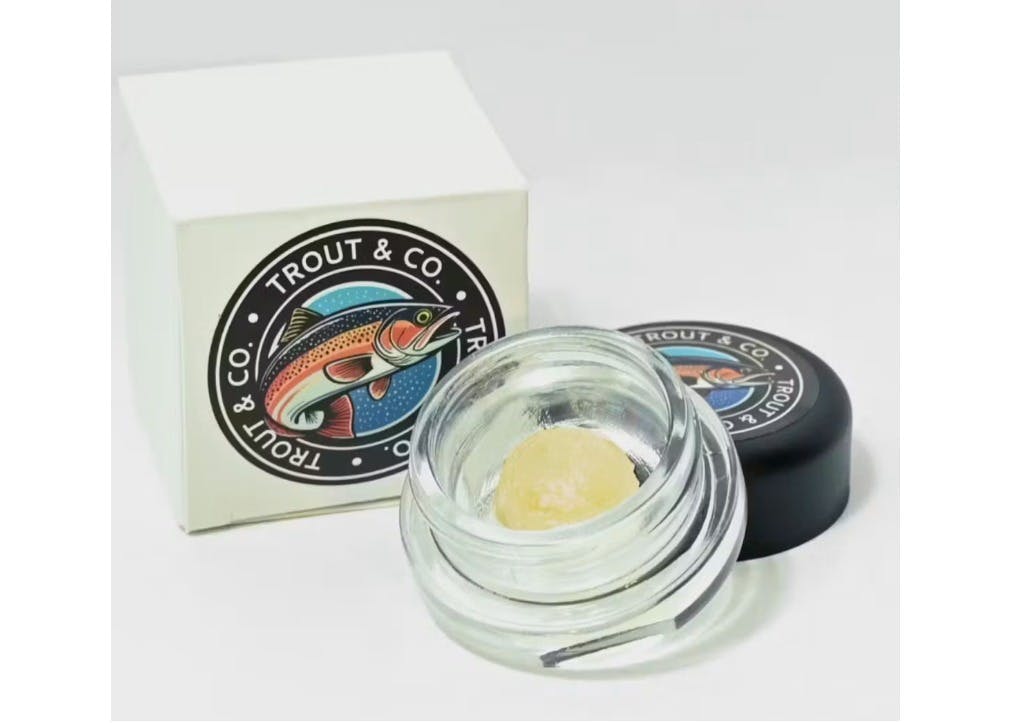
THC 77.52%Hybrid
Trout & Co.Trout & Co. | Super Funk | Live Rosin Private Reserve · 1g
$88.50
$100after tax
Rosin in Harlem — answers
What is rosin and how is it different from other cannabis concentrates sold at licensed New York dispensaries?+
Rosin is a solventless concentrate made by applying heat and pressure to cannabis flower, kief, or bubble hash. Unlike extracts produced with butane or CO2, rosin requires no chemical solvents — the finished product is a direct expression of the starting plant material. At licensed New York dispensaries, all concentrates undergo state-mandated testing, but rosin buyers can effectively set aside concerns about residual solvents and focus instead on terpene content, cannabinoid percentages, and the quality of the source cultivar.
Is rosin a good option for someone in Harlem who is new to cannabis concentrates?+
Rosin can be appropriate for adults who are new to concentrates, provided they approach potency with care. Most rosin available at licensed New York dispensaries ranges from 65 to 85 percent total cannabinoids — substantially higher than flower. The standard guidance is to start low and go slow: begin with a very small amount, wait to understand the effect before consuming more, and avoid combining with alcohol or other substances. A licensed dispensary's staff can help you identify products on the lower end of the potency range as a starting point.
What terpenes should I look for in rosin if I prefer a calming, relaxing experience?+
Terpenes are aromatic compounds that contribute to each cultivar's distinct character. For a more grounded, relaxing profile, look for rosin with elevated myrcene or linalool on the COA. Caryophyllene, a peppery terpene that also interacts with the endocannabinoid system, appears frequently in cultivars associated with a heavier body sensation. These are not medical claims — they are general observations drawn from widely available terpene research — and individual responses vary. Always consult a licensed dispensary's product documentation for the specific rosin you are considering.
Does Harlem's cold winter climate affect how I should store rosin at home?+
Cold ambient temperatures in Harlem's winter months — particularly in older brownstone buildings where heating can be uneven — can actually benefit rosin storage in some respects. Cooler temperatures slow terpene degradation. That said, live rosin specifically benefits from refrigeration to maintain its sauce-like consistency, and should be allowed to return to room temperature before use to avoid losing volatile terpenes to condensation. Cured rosin badder is more stable at ambient temperature, making it a practical choice for apartment storage without a dedicated cold setup.
What is live rosin, and is it worth the premium price point compared to cured rosin?+
Live rosin is pressed from fresh-frozen cannabis material — plants harvested and immediately frozen before any drying or curing occurs. This process preserves volatile terpenes that would otherwise be lost during post-harvest processing, resulting in a more aromatic and often more complex finished product. Whether it is worth the additional cost depends on how much terpene fidelity matters to you personally. Experienced concentrate users frequently describe live rosin as the clearest expression of a given cultivar. For a first concentrate purchase, cured rosin at a more accessible price point is a reasonable starting position.
Can I get rosin delivered to my address in the 10027 ZIP code in Harlem?+
Yes. ZenZest Cannabis Dispensary offers free same-day delivery on orders over $100 to more than 80 New York ZIP codes, including 10027 and the surrounding Harlem ZIP codes 10026, 10030, and 10037. Delivery brings the full licensed product selection — including rosin in various textures and THC ranges — directly to your door without requiring a trip to the physical store in Bellerose, Queens. All delivery orders are handled with the same product documentation and compliance standards as in-store purchases.
What equipment do I need to consume rosin, and what should I know before purchasing a first concentrate?+
Rosin is most commonly consumed using a dab rig — a water pipe fitted with a heated nail or banger — or a portable electronic dab device. Both require a small tool for handling the concentrate and a heat source. Portable electronic devices have become popular for their temperature control and discretion, which suits the more private home-based consumption that concentrate users in dense urban neighborhoods like Harlem tend to prefer. Temperature matters: lower temperatures preserve terpene flavor while higher temperatures maximize vapor production. Licensed dispensary staff can advise on equipment basics without pushing a specific purchase.
How do I read a Certificate of Analysis for rosin purchased at a licensed New York dispensary?+
A Certificate of Analysis from a state-licensed testing lab will typically include a potency panel showing total THC, total CBD, and sometimes total cannabinoids; a terpene panel listing individual aromatic compounds by percentage; and safety panels covering pesticides, microbials, heavy metals, and — for non-solventless products — residual solvents. For rosin, pay particular attention to the terpene panel and the total THC figure. A higher terpene percentage relative to THC often indicates well-preserved starting material and a more nuanced finished product. Licensed dispensaries in New York are required to make COAs accessible to customers.
Are there specific Harlem neighborhoods or micro-areas where same-day rosin delivery from ZenZest is available?+
ZenZest's same-day delivery covers all four Harlem ZIP codes: 10026, covering the central Lenox Avenue and 110th to 120th Street corridor; 10027, which stretches from the low 120s up toward 135th Street and includes much of the Columbia University and City College perimeter; 10030, covering the blocks north toward 145th Street; and 10037, reaching into the East Harlem and Polo Grounds area near the Madison Avenue Bridge. All addresses within these ZIPs are eligible for free delivery on qualifying orders over $100.
What is the difference between rosin badder, rosin sauce, and fresh-press rosin — and which texture is easiest for a first-time concentrate buyer?+
Fresh-press rosin comes directly off the press with high moisture content and a fluid, sauce-like consistency — flavorful but delicate and best refrigerated. Rosin sauce undergoes additional processing that separates the THCa crystals from the terpene-rich liquid, allowing users to vary the ratio per session. Rosin badder is whipped or agitated after pressing, producing a creamy, shelf-stable consistency that handles well at room temperature and doses easily. For a first-time concentrate buyer in a Harlem apartment without specialized storage, rosin badder is generally the most forgiving introduction to the category.