Manhattan · Flower
Best Flower in Harlem, Manhattan
Harlem has always set its own tempo — from the jazz-laced storefronts along Lenox Avenue to the marquee glow of the Apollo Theater on 125th Street. Adult-use cannabis flower, the most direct and time-honored form of consumption, fits naturally into a neighborhood that has long celebrated culture, craft, and connoisseurship. Here is what discerning shoppers in ZIP codes 10026, 10027, 10030, and 10037 should know before they buy.
About Flower
Cannabis flower remains the foundational category of the licensed adult-use market in New York, and for good reason. It is the least processed form of the plant, preserving the full constellation of cannabinoids, terpenes, and minor compounds that work together in what researchers call the entourage effect. When you purchase flower from a New York State licensed retailer, every batch has been tested for potency, pesticides, heavy metals, and microbial contaminants — a layer of assurance that legacy-market product simply cannot offer. New York's Office of Cannabis Management licenses cultivators across the state, from the Hudson Valley to Long Island, meaning much of the flower on shelves has genuinely local roots. Small-batch, craft-tier flower from these growers often rivals what enthusiasts once had to travel to other states to find. Expect indoor, greenhouse, and sun-grown options, each with distinct aromatic profiles and curing characteristics that experienced budtenders can walk you through. Flower is sold in a range of formats — loose eighths (3.5 grams), quarters, half-ounces, and pre-packaged grams — giving buyers flexibility whether they are sampling something new or stocking a familiar favorite. THC percentages on Harlem dispensary shelves typically range from the low teens for more approachable cultivars to the upper twenties for high-potency options, with cannabinoid ratios and terpene data printed on compliant labels. For adults 21 and older, flower can be consumed via traditional pipe, water pipe, or rolled into a joint or blunt. New York law permits consumption in any private space where tobacco smoking is allowed, so understanding local building policies remains the consumer's responsibility. Starting with a small amount and waiting to assess effects before consuming more is the broadly accepted guidance across all inhalable formats.
Flower for Harlem shoppers
Harlem operates on a rhythm that is simultaneously unhurried and electric. Weekend afternoons along Malcolm X Boulevard — Lenox Avenue to those who came up here — draw a mix of longtime residents, creative professionals, and visitors making their way to the Studio Museum or a gospel brunch on 126th Street. Evening foot traffic on 125th Street, anchored by the Apollo Theater's marquee, has an energy that calls for something that complements an event rather than overwhelming it. Flower, with its fast onset and controllable session length, suits both the spontaneous afternoon unwind and the deliberate pre-theater ritual. Harlem's housing stock leans toward prewar apartment buildings with shared walls and attentive co-op boards, particularly in the Mount Morris Park and Strivers' Row corridors that run through 10037 and 10030. That reality makes odor profile a genuine consideration when selecting flower — certain terpene-forward cultivars carry a more pronounced aroma than others, and shoppers who need discretion tend to gravitate toward smaller-format purchases or airtight storage solutions sold alongside flower at licensed retailers. Seasonal rhythm matters here too. Harlem winters along the elevated stretch of Park Avenue or the wide expanse of St. Nicholas Park can be genuinely cold, which affects how and where residents choose to consume. Summer evenings on brownstone stoops and rooftop terraces in the 10026 and 10027 ZIP codes represent a very different occasion — one where a slow-burning, aromatic sativa-leaning cultivar might be as deliberate a choice as selecting a bottle of natural wine for the same gathering.
What to look for
When evaluating cannabis flower, the THC percentage printed on a label is the most visible number but rarely the most important one. Terpene content — the aromatic compounds that give each cultivar its distinct character — has a meaningful influence on the subjective experience. Myrcene tends toward a grounding, relaxed quality and appears frequently in indica-leaning genetics. Limonene carries citrus brightness and is common in cultivars associated with uplift. Caryophyllene, which is also found in black pepper, brings a spiced, resinous note and is the only terpene known to interact directly with endocannabinoid receptors. When terpene percentages are listed on packaging or available via QR-linked lab reports, they are worth a moment's attention. For Harlem shoppers who commute into Midtown or Downtown and want to use flower as an end-of-day transition, a balanced or indica-leaning cultivar in the 18–22 percent THC range is a reasonable place to begin. Those who use flower as a creative companion — appropriate for a neighborhood with the artistic lineage Harlem carries — often prefer a sativa-leaning cultivar with elevated limonene or terpinolene content and a THC range that does not tip into uncomfortable territory. Start low and go slow, especially with any new cultivar, regardless of how well you know cannabis in general. Flower quality markers worth assessing in person include visible trichome coverage (a frosty, almost luminescent appearance), a springy but not crumbling moisture level when handled, and a nose that opens up rather than sits flat. Harshness on the inhale can indicate rushed curing or improper storage in the supply chain. New York's licensed retailers are required to store flower in compliant, controlled conditions, which helps preserve what a cultivator spent months developing.
Why ZenZest for flower in Harlem
ZenZest Cannabis Dispensary operates a Queens location at 272-06 Union Tpke in Bellerose — approximately 13 miles from central Harlem — and carries a curated selection of New York State licensed flower across potency tiers, terpene profiles, and price points. The staff is trained to move beyond THC percentages and discuss the cultivar characteristics that actually matter to a shopper's intended occasion, whether that is an evening at the Apollo or a quiet Sunday at home in a brownstone off 122nd Street. For Harlem residents who prefer not to make the trip to Queens, ZenZest offers free same-day delivery on orders over $100 to more than 80 New York ZIP codes, including coverage across the 10026, 10027, 10030, and 10037 postal areas. Orders placed through the ZenZest platform are packaged discreetly and delivered by compliant drivers who are part of the licensed operation — not a third-party marketplace. That combination of editorial-level product curation and genuine neighborhood reach makes ZenZest a practical option for Harlem shoppers who value both quality and convenience.
ZenZest Queens · 272-06 Union Tpke, Bellerose, NY 11004 · 13 miles from Harlem.
Live flower for Harlem
Full flower menu →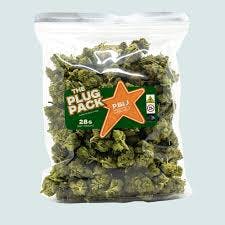

On sale· 20% OFF
THC 30.4%Sativa
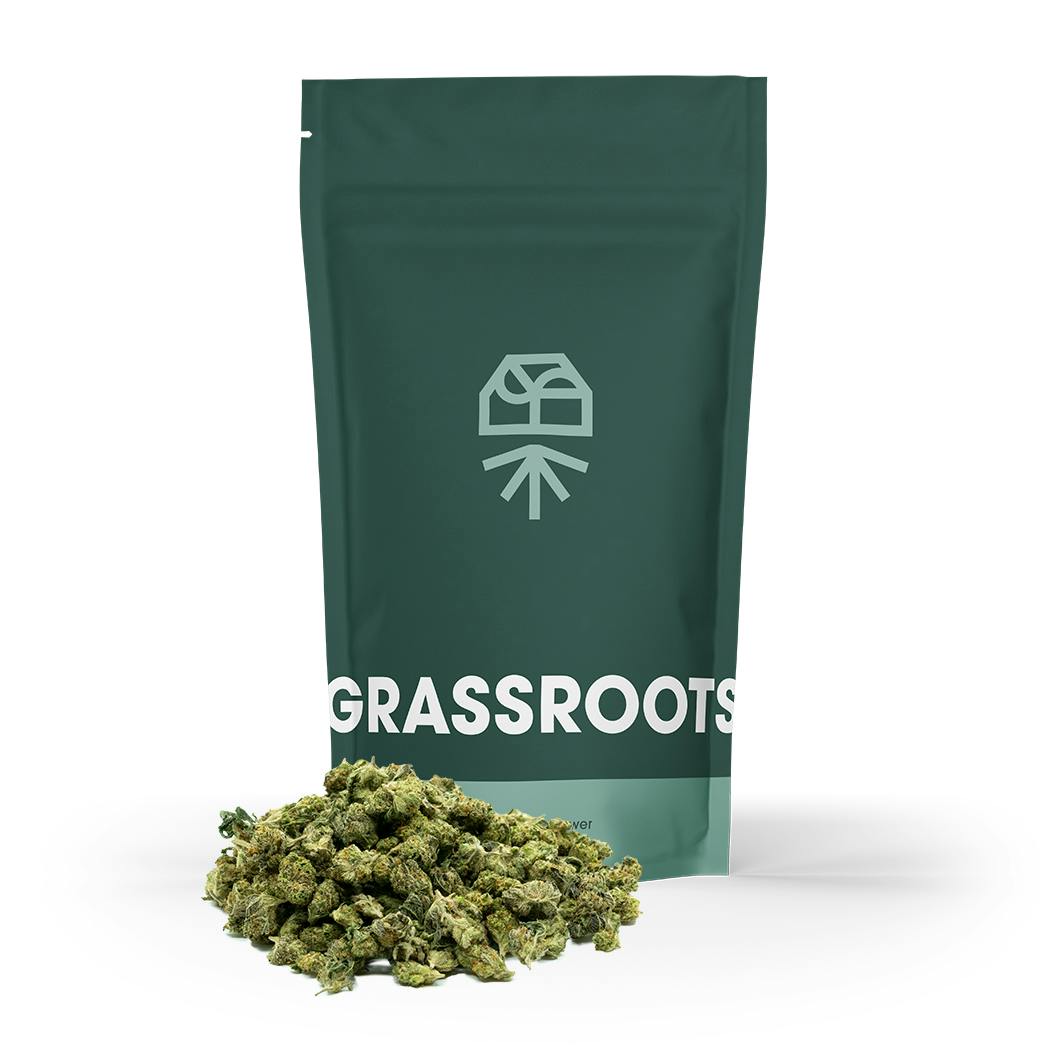
GrassrootsGrassroots Prepack Whole Flower - Sativa : Orange Z · 28g
$140.18$175.22
$163after tax
On sale· 20% OFF
THC 32.18%Indica
GrassrootsGrassroots Prepack Whole Flower - Indica : Pillow Mints · 28g
$140.18$175.22
$163after tax
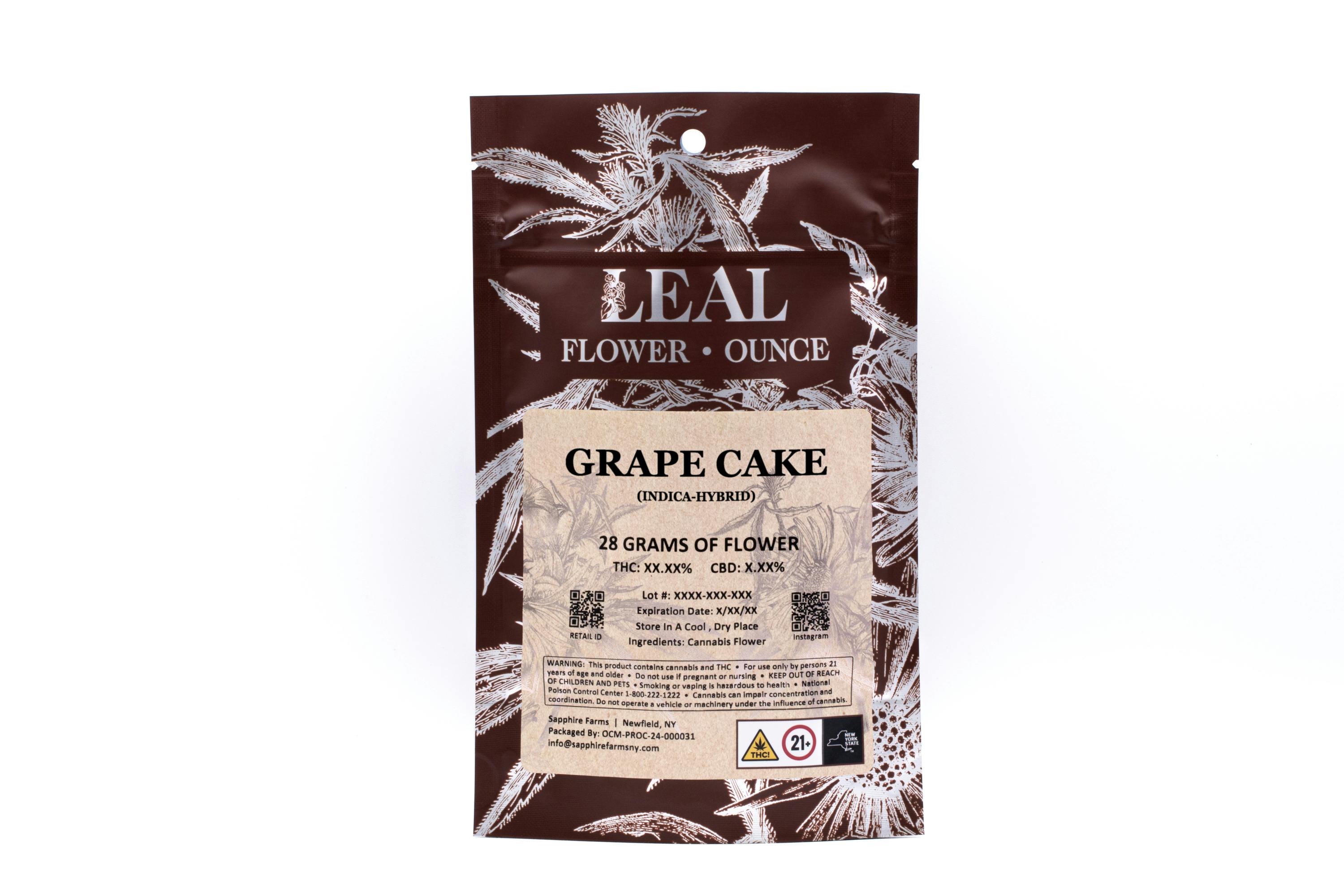
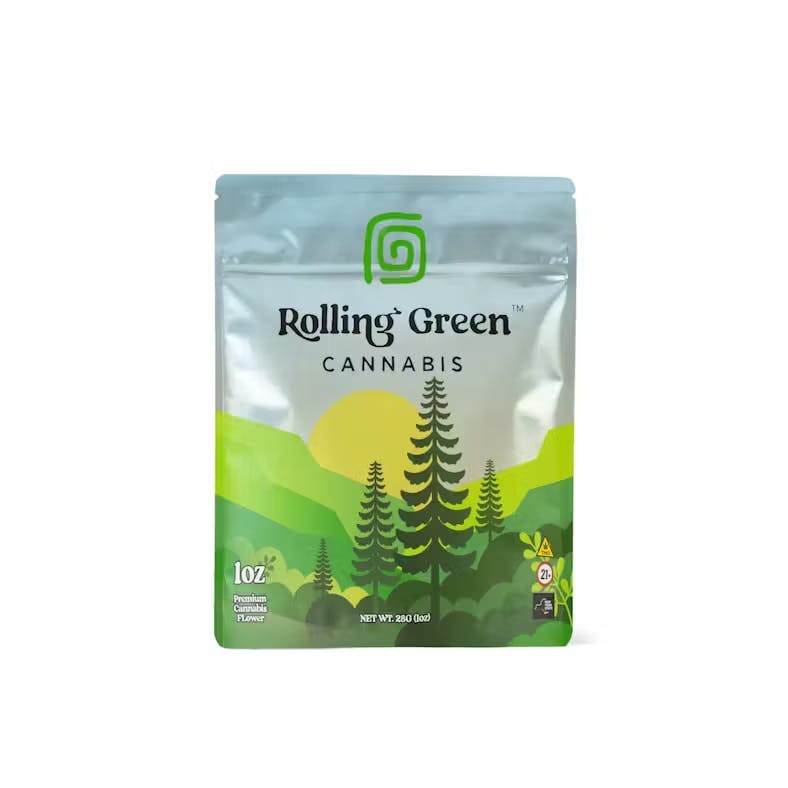
THC 27.68%Indica-Hybrid
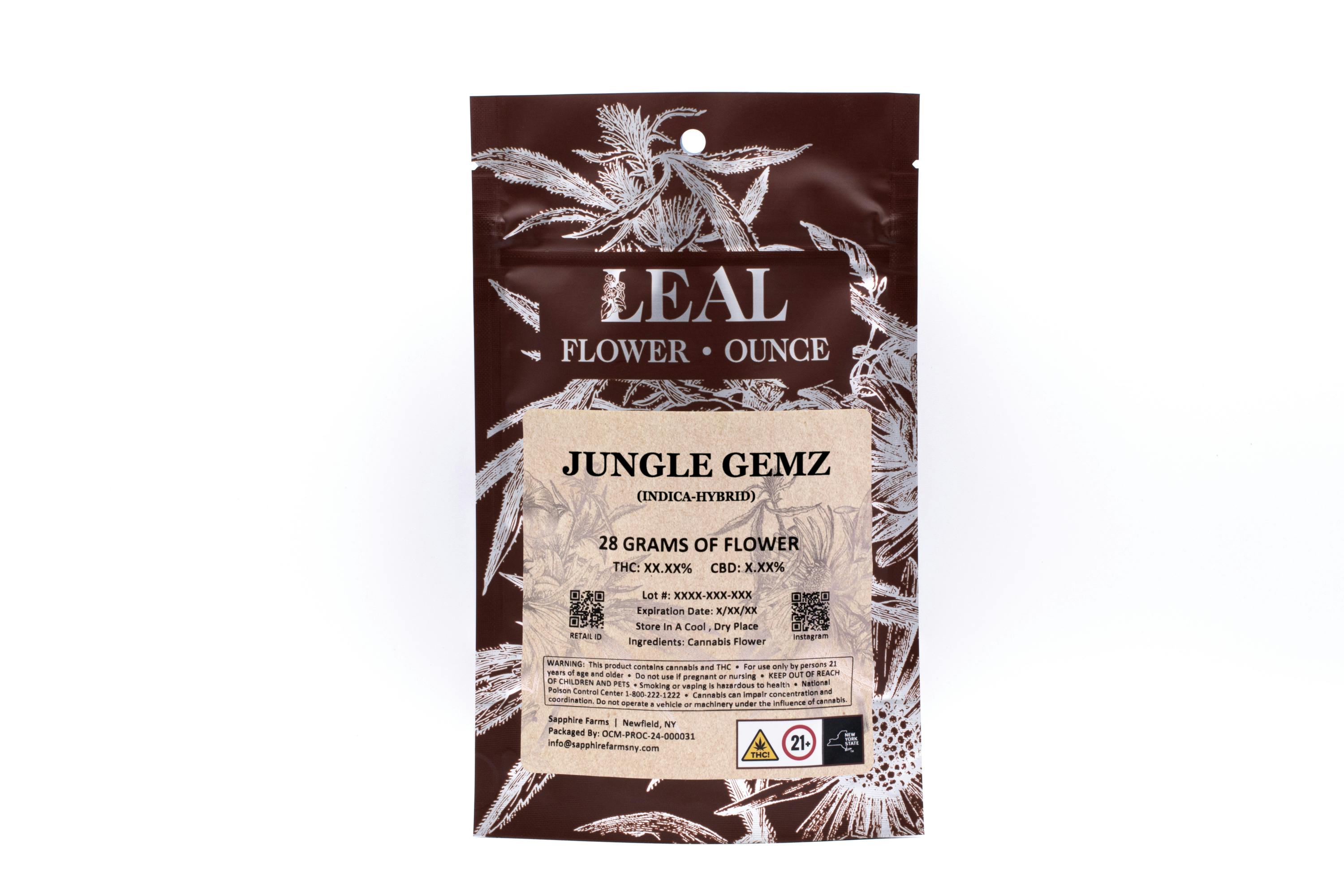
Rolling Green CannabisRolling Green | Permanent Marker | Flower · 28g
$159.29
$180after tax
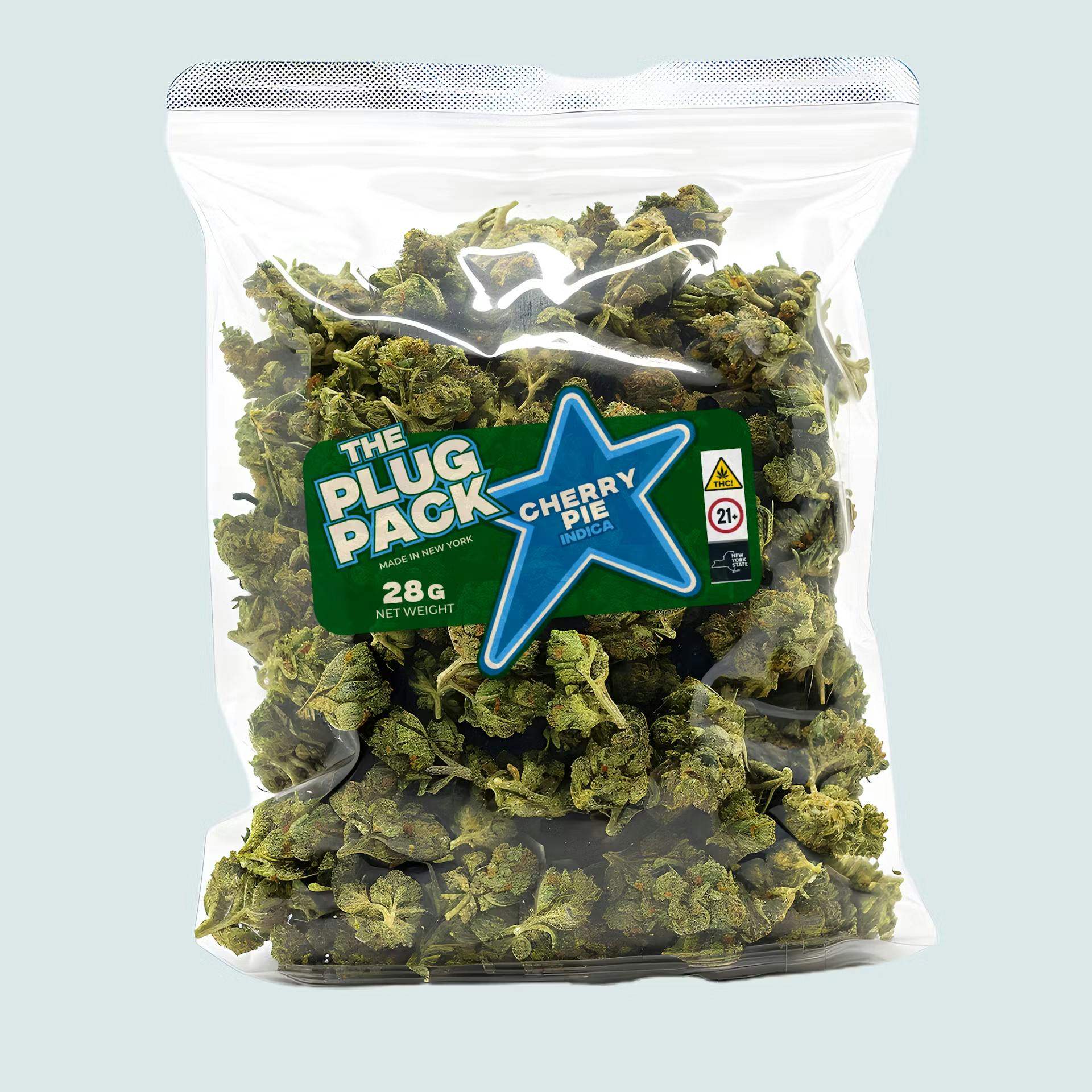
THC 25.8%Indica-Hybrid
The Plug PackThe Plug Pack | Cherry Pie | Whole Flower · 28g
$60.18
$68after tax
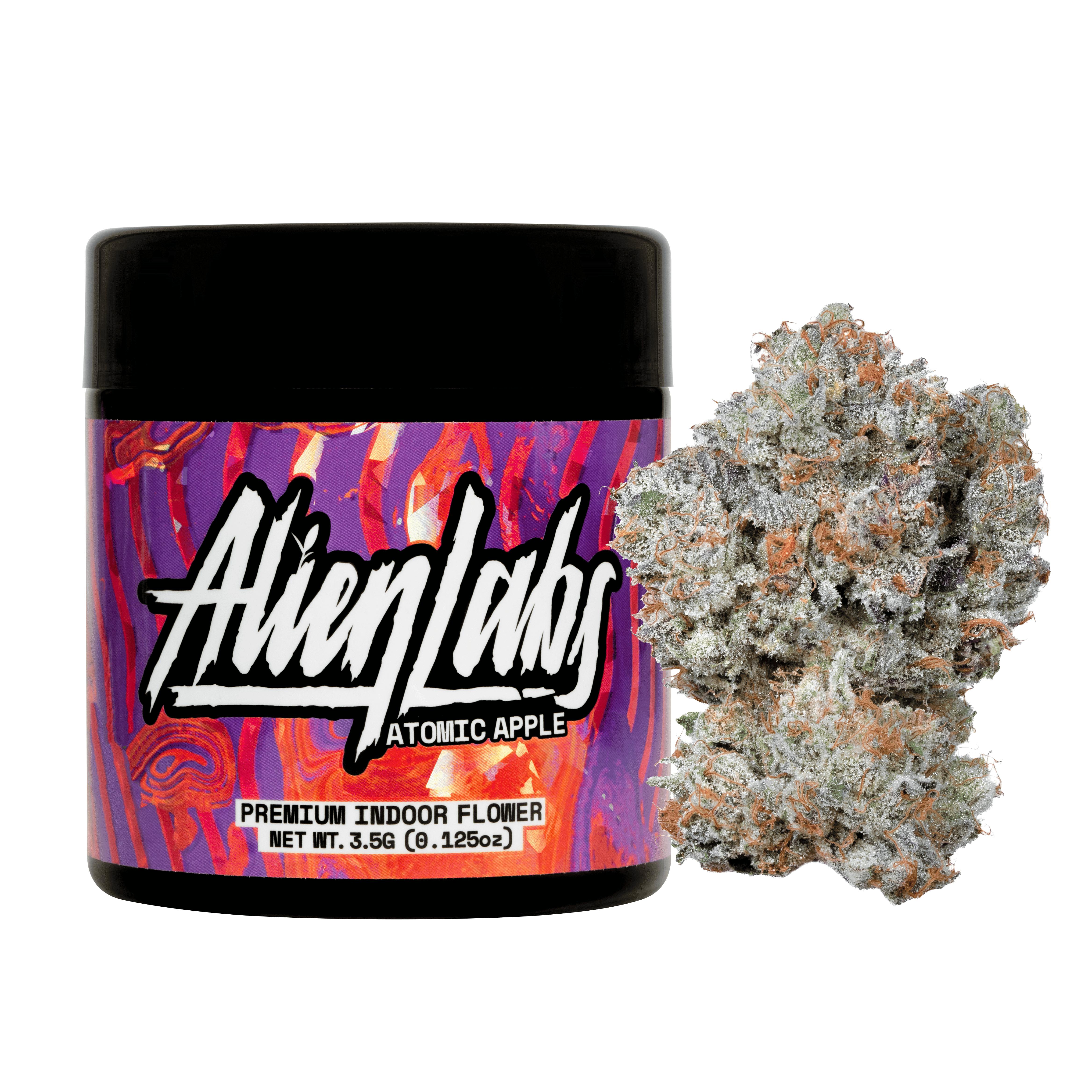
THC 33.39%·CBD 0.01%Hybrid
Alien LabsAlien Labs | Atomic Apple | Indoor Large Bud · 3.5g
$60.18
$68after tax
Flower in Harlem — answers
What makes cannabis flower different from other product formats available at a licensed New York dispensary?+
Flower is the whole, dried, and cured blossom of the cannabis plant — minimally processed and containing the broadest range of naturally occurring cannabinoids and terpenes. Concentrates, edibles, and vape cartridges are all derived from flower but involve extraction or infusion steps that can alter the compound profile. Many experienced consumers return to flower precisely because its effects feel more nuanced and adjustable in real time compared to formats with delayed or concentrated onset.
Is there a meaningful difference between indoor-grown and sun-grown flower on Harlem dispensary shelves?+
Yes, and it is worth understanding before you shop. Indoor cultivation gives growers precise control over light cycles, humidity, and temperature, which tends to produce dense, trichome-rich buds with consistent potency. Sun-grown and greenhouse flower, often from New York's own agricultural regions, can develop more complex terpene expressions because the plant responds dynamically to natural conditions. Neither is categorically superior — it depends on what you are looking for in terms of aroma, price point, and cultivation philosophy.
How should I store flower purchased from a Harlem dispensary to preserve its quality?+
An airtight glass container kept at room temperature, away from direct sunlight and away from heat sources — a kitchen countertop near a stove, for example — is ideal. Harlem's prewar apartment buildings can run warm in winter due to older steam heat systems, so a closet shelf or drawer is often preferable to an open surface. Humidity-control packs rated at 58 to 62 percent relative humidity, available at most licensed retailers, help maintain the moisture level that preserves both aroma and smoothness on the inhale.
Harlem has a lot of apartment buildings with no-smoking policies. What should I know about consuming flower legally here?+
New York State allows cannabis consumption in any private space where tobacco smoking is permitted. If your lease or co-op board prohibits tobacco smoking indoors — which is increasingly common in Harlem's managed buildings — that prohibition extends to cannabis flower as well. Consuming on a private outdoor terrace or rooftop may or may not be permitted depending on the building's rules. Always verify your specific lease terms, and be mindful of shared ventilation systems common in the area's older prewar construction.
What terpenes should I look for if I want flower that pairs well with a cultural evening around 125th Street?+
For a social, engaged evening — the kind that a show at the Apollo or a dinner on Lenox Avenue calls for — cultivars with elevated limonene, pinene, or terpinolene tend to be good starting points. These terpenes are associated with a brighter, more alert quality that complements conversation and sensory engagement. Ask your budtender for lab-tested terpene data alongside the THC figure, and look for cultivars where total terpene content is listed above one percent, which generally indicates a more expressive aromatic and experiential profile.
Is there a recommended THC range for someone new to cannabis flower who lives in the 10027 ZIP code?+
New York's licensed products span from roughly eight percent to the upper twenties in THC content. For someone new to flower or returning after a significant break, cultivars in the twelve to eighteen percent range offer a more forgiving experience while still delivering the full-spectrum quality that makes flower worth choosing. Start with a very small amount, assess how you feel after ten to fifteen minutes, and proceed from there. No specific dosage can be recommended here, but the principle of starting conservatively applies universally regardless of a product's labeled potency.
What should I look for on the label when buying flower at a licensed New York dispensary?+
New York State requires compliant flower packaging to display total THC and CBD percentages, harvest or package date, net weight, license numbers for both cultivator and retailer, and a QR code linking to the associated Certificate of Analysis from a state-approved testing laboratory. The COA details contaminant testing results alongside potency and, in many cases, terpene data. A package date within the last three to five months is a reasonable freshness benchmark for flower, as terpene degradation accelerates over time even in sealed packaging.
Does ZenZest deliver flower to Harlem ZIP codes, and how does the delivery process work?+
ZenZest Cannabis Dispensary offers free same-day delivery on orders over $100 to more than 80 New York ZIP codes, with coverage that includes the Harlem ZIP codes 10026, 10027, 10030, and 10037. Orders are placed through the ZenZest platform, and delivery is handled by drivers operating under the licensed dispensary — not a third-party app. Age verification is completed at the door at the time of delivery, so a valid government-issued ID showing you are 21 or older is required to receive the order.
How does seasonality in Harlem affect which flower strains or formats make sense throughout the year?+
Harlem's winters concentrate social life indoors, in apartments and intimate venues along 116th through 145th Streets, which often makes odor-discretion and smaller-quantity purchases more relevant for residents. Summer in the neighborhood — particularly along St. Nicholas Park and the brownstone blocks of Strivers' Row — opens more outdoor occasion possibilities, where aromatic, terpene-forward cultivars become a more leisurely choice. Thoughtful licensed retailers stock their shelves with seasonal variety in mind, and a good budtender will ask about your occasion and environment before making a cultivar recommendation.
Are there locally grown New York State flower options typically available in Harlem dispensaries?+
Yes. New York's licensed cultivation program includes farms across the Hudson Valley, the Catskills, Long Island, and other agricultural regions of the state, and their products reach Manhattan dispensary shelves through licensed wholesale channels. New York-grown flower often carries a regional character tied to the specific soil and microclimate of the farm, particularly with sun-grown and greenhouse batches. Look for cultivar origin information on packaging or ask your budtender — supporting in-state cultivators also reinforces the legal market that New York's cannabis reform was designed to build.