Brooklyn · Rosin
Best Rosin in Greenpoint, Brooklyn
Greenpoint, Brooklyn's northernmost waterfront neighborhood, has long attracted a discerning crowd that values craft over convenience. Along Manhattan Avenue's independent storefronts and the quiet industrial blocks near Transmitter Park, that same sensibility extends to cannabis — and rosin, the solventless concentrate pressed directly from flower or hash, has become the extract of choice for those who refuse to compromise on purity or flavor.
About Rosin
Rosin occupies a singular position in New York's licensed cannabis market. Unlike hydrocarbon extracts that rely on butane or propane to strip cannabinoids and terpenes from plant material, rosin is produced through the direct application of heat and pressure — nothing more. The result is a full-spectrum concentrate that preserves the complete terpene and cannabinoid profile of its source material in a way that solvent-based processes simply cannot replicate. For consumers accustomed to reading ingredient labels and sourcing single-origin products, the transparency of rosin is immediately legible. Within the New York licensed dispensary ecosystem, rosin arrives in several distinct forms. Flower rosin — pressed from cured or fresh-frozen whole flower — tends toward a saucier, more pliable texture and carries the broadest aromatic range. Hash rosin, pressed from ice-water-extracted bubble hash, is widely regarded as the pinnacle of the category: the additional refinement step isolates trichome heads before pressing, yielding a product of exceptional clarity and potency. Consumers will also encounter rosin badder, rosin jam, and cold-cure rosin, each describing a specific post-press technique that influences final texture and terpene expression rather than the fundamental extraction method. Potency in New York-licensed rosin products typically ranges from roughly 60 to 85 percent total cannabinoids, depending on source material quality and the skill of the extractor. Because rosin contains no residual solvents, there is no legal or regulatory remediation step required — what arrives on the shelf is what was pressed. This directness appeals to a growing segment of adult consumers who approach cannabis with the same curiosity they bring to natural wine or small-batch spirits: process matters, provenance matters, and the absence of shortcuts is itself a quality signal. New York's Office of Cannabis Management licenses and tests all concentrate products sold through adult-use dispensaries, meaning every rosin on a legal shelf carries a verified certificate of analysis. Shoppers should look for COAs that confirm not only total THC but also terpene concentration, residual moisture, and the absence of pesticides — data points that distinguish a thoughtfully produced rosin from one that simply passes the minimum threshold.
Rosin for Greenpoint shoppers
Greenpoint in ZIP code 11222 is a neighborhood that has retained its texture through successive waves of change. The stretch of Franklin Street between Greenpoint Avenue and the end of the commercial strip still holds the neighborhood's unhurried cadence — wine bars with natural pours, single-origin coffee, small galleries that don't feel the need to announce themselves. Transmitter Park, the former site of WNYC's antenna farm turned waterfront green space, draws residents who appreciate that quiet convergence of industrial history and considered public design. This is a neighborhood that notices craft. For the Greenpoint resident, rosin fits naturally into the same quality framework applied to every other considered purchase. The after-work routine along Manhattan Avenue — a stop at the butcher, the cheese shop, perhaps a bottle from one of the natural wine merchants — maps cleanly onto the idea of picking up a small jar of single-origin hash rosin the same way one might select a producer wine: with attention to who made it and how. Weekend mornings near the park, evenings winding down in a converted loft off Franklin Street, the slow Sunday before the G train pulls you back into the rest of your week — these are the occasions Greenpoint rosin shoppers describe most often. The neighborhood also skews toward consumers who have done their research. Proximity to Manhattan has historically meant access to a wider range of lifestyle products, and Greenpoint residents tend to arrive at the dispensary already familiar with terms like live rosin versus cured rosin, or the difference between a 73-micron and a 90-micron hash wash. Dispensaries and delivery services serving 11222 are well-positioned to meet that literacy with equally informed merchandising.
What to look for
Selecting a quality rosin begins with understanding source material. Hash rosin pressed from premium ice-water hash — particularly six-star, full-melt grade — will carry a noticeably cleaner flavor and a more refined texture than flower rosin from the same cultivar. Neither is categorically superior for every consumer, but hash rosin rewards those willing to pay a modest premium for the highest expression of a given strain's terpene profile. For Greenpoint shoppers inclined toward that single-origin philosophy, hash rosin is the natural starting point. Terpenes are the essential quality indicator in this category. Unlike distillate, rosin cannot be artificially reintroduced with botanical terpenes — what you taste is what survived the press. Look for products whose COAs list individual terpene concentrations rather than total terpenes only. Myrcene-dominant rosins tend toward earthy, relaxing profiles and are well-suited to the long decompress at the end of a commute from Midtown. Limonene-forward expressions — often derived from sativa-leaning cultivars — carry a brighter citrus character. Caryophyllene, with its mild spice and potential complementary effects, appears frequently in balanced hybrid rosins and pairs well with the neighborhood's lean toward nuanced, conversational evening occasions. Pinene-rich profiles read clean and resinous, well-matched to an open window facing the East River. In terms of format and hardware, rosin can be consumed using a dab rig with a quartz banger, an electronic dab device, or purpose-built rosin vaporizers. For the Greenpoint consumer with a considered setup at home, a low-temperature quartz dab at roughly 450 to 520 degrees Fahrenheit preserves the most terpene character. Those newer to concentrates are advised to begin with very small amounts — a portion roughly the size of a grain of rice — and allow sufficient time to assess the experience before consuming more. The general principle across all cannabis formats applies here with particular emphasis: start low, go slow.
Why ZenZest for rosin in Greenpoint
ZenZest Cannabis Dispensary serves Greenpoint through its Queens location at 272-06 Union Tpke, Bellerose, NY 11004 — approximately 12.4 miles from the heart of the 11222 ZIP code. The store's concentrate selection is curated with the same standard that Greenpoint residents apply to the rest of their pantry, with particular depth in solventless formats including live rosin, cured rosin, and hash rosin sourced from New York State licensed cultivators. Staff are trained to walk through COA documentation and explain the production distinctions between products, making the in-store experience substantively different from a self-service transaction. For residents who prefer not to make the Queens trip, ZenZest offers free same-day delivery on orders over $100 to more than 80 New York ZIP codes, with 11222 among the eligible addresses. Rosin, given its compact form factor and premium price-per-gram positioning, lends itself naturally to delivery — a single well-chosen jar can represent a considered purchase that arrives the same day it is ordered. Orders can be placed through ZenZest's website, and the delivery window reflects the same unhurried attentiveness the brand brings to its retail floor.
ZenZest Queens · 272-06 Union Tpke, Bellerose, NY 11004 · 12.4 miles from Greenpoint.
Live rosin for Greenpoint
Full rosin menu →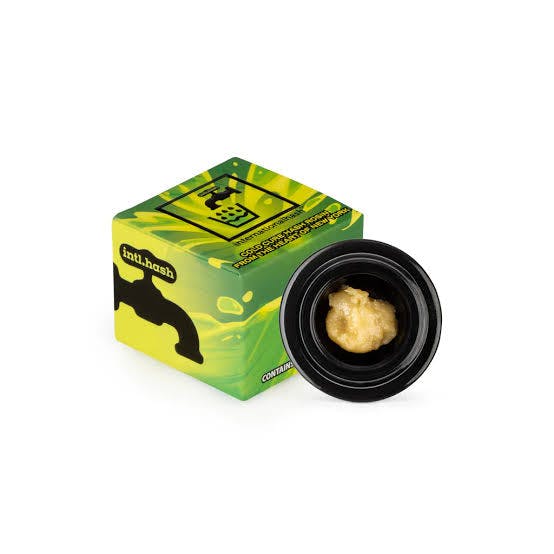
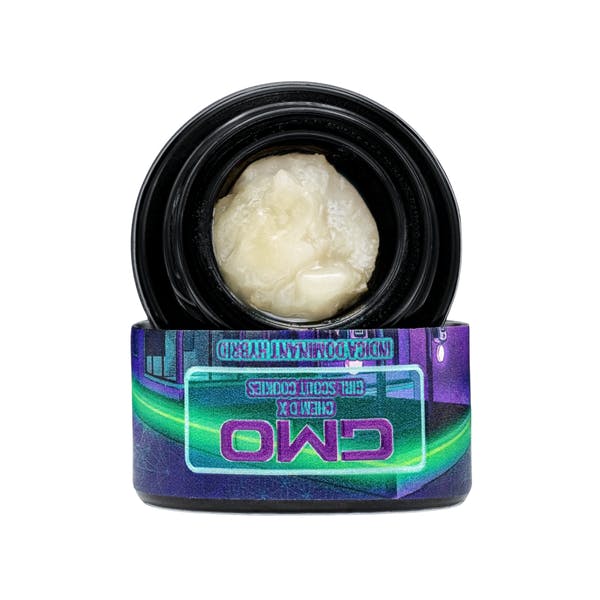
THC 75.73%Hybrid
INTERNATIONAL HASHInternational Hash | Cold Cure Hash Rosin | Grapefruit Hybrid · 1g
$66.37
$75after tax
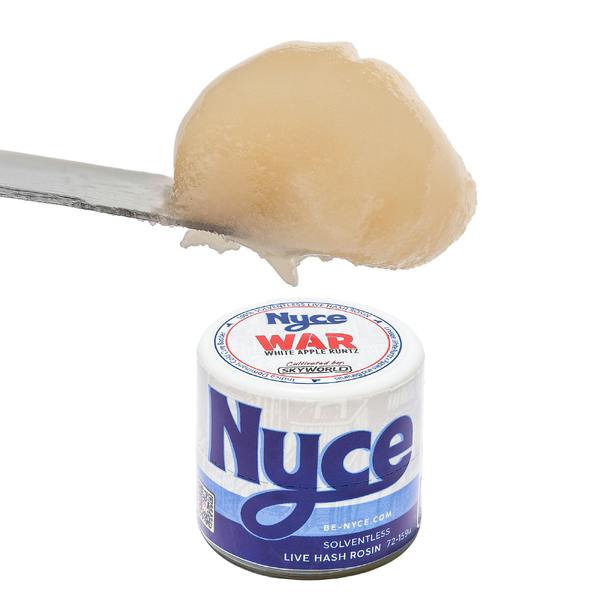
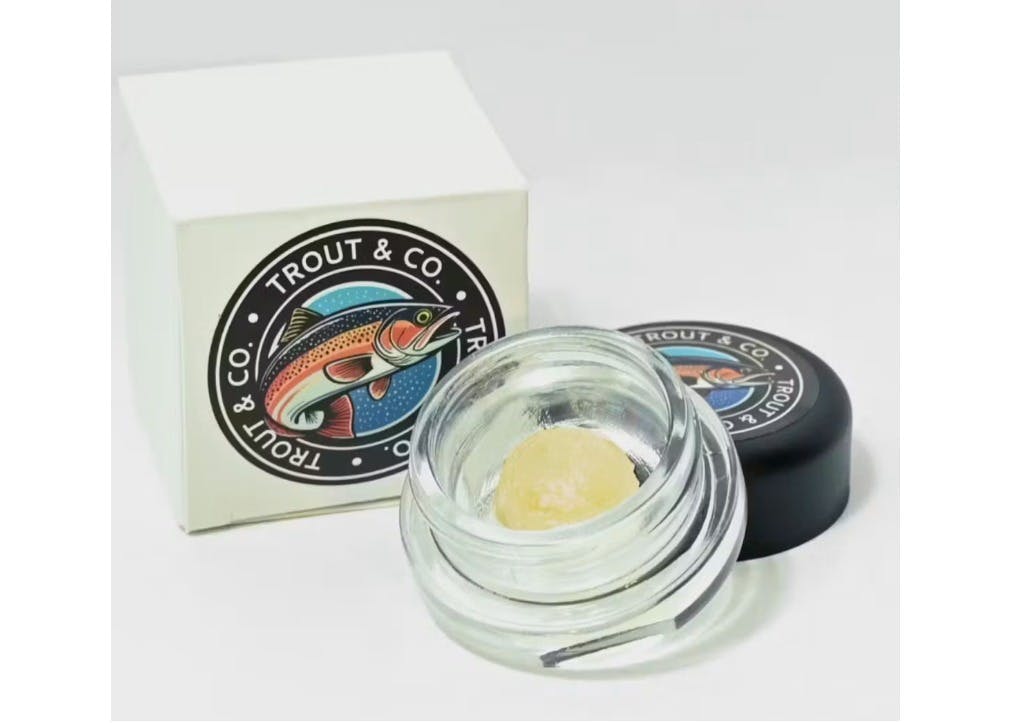
THC 77.52%Hybrid
Trout & Co.Trout & Co. | Super Funk | Live Rosin Private Reserve · 1g
$88.50
$100after tax
Rosin in Greenpoint — answers
What is rosin and how is it different from other concentrates sold in New York dispensaries?+
Rosin is a solventless cannabis concentrate produced by applying controlled heat and pressure to flower, kief, or ice-water hash. Unlike wax, shatter, or distillate — which use hydrocarbon or ethanol solvents during extraction — rosin requires no chemical processing agents. The practical result is a product whose terpene and cannabinoid profile reflects the source material with minimal alteration. In New York's licensed market, where all concentrates must carry a certificate of analysis, rosin's solventless nature means there are no residual solvent thresholds to evaluate, simplifying the quality-verification process for informed shoppers.
Is hash rosin actually worth the higher price point compared to flower rosin?+
For consumers who prioritize terpene complexity and textural refinement, hash rosin — particularly that pressed from high-grade ice-water bubble hash — typically justifies its premium. The additional washing step isolates trichome heads before pressing, producing a cleaner, more concentrated expression of the cultivar's aromatic profile. Flower rosin, pressed directly from cured bud, is more accessible in price and still represents a significant step up from solvent-based extracts in terms of flavor authenticity. Greenpoint shoppers accustomed to paying for provenance in food and beverage categories will likely find the hash rosin premium familiar in logic, if not in category.
What terpenes should I look for when selecting a rosin in a New York licensed dispensary?+
Terpene preference is personal, but a few profiles map clearly to common Greenpoint use occasions. Myrcene-dominant rosins carry earthy, herbal notes associated with relaxing effects and suit an end-of-evening wind-down well. Limonene-forward products read brighter and more uplifting, appropriate for creative afternoon sessions. Caryophyllene, with its peppery warmth, appears in many hybrid-leaning rosins and contributes a nuanced depth. Pinene-rich profiles offer a clean, resinous character well-suited to outdoor moments near Transmitter Park. Request the full terpene panel from the COA rather than relying on broad strain-name categories.
How should rosin be stored to preserve its quality after purchase?+
Rosin is sensitive to both heat and light, both of which accelerate terpene degradation and can alter texture over time. For short-term storage of a week or less, a sealed silicone or glass container kept at room temperature away from direct sunlight is adequate. For longer storage, a dedicated cannabis refrigerator or a cool, dark drawer is preferable. Avoid frequent temperature cycling — repeated warming and cooling encourages moisture migration within the concentrate. Given the premium attached to rosin's terpene profile, storage is not a trivial consideration, particularly in Greenpoint where summer humidity can be pronounced.
What equipment do I need to consume rosin at home?+
The most common and widely favored method for consuming rosin at home is a dab rig paired with a quartz banger, consumed at low temperature — typically between 450 and 520 degrees Fahrenheit — to preserve terpene character. Electronic dab devices and purpose-built concentrate vaporizers offer more precise temperature control and a lower barrier to entry for those new to the format. Rosin can also be layered onto flower in a bowl or joint, though this approach sacrifices some of the nuanced flavor that makes the category worth the investment. A quality titanium or ceramic dab tool for handling the concentrate cleanly is an essential small addition to any setup.
Can I get rosin delivered to my apartment in Greenpoint's 11222 ZIP code?+
Yes. ZenZest Cannabis Dispensary offers free same-day delivery on orders over $100 to more than 80 New York ZIP codes, and 11222 is among the eligible addresses. Rosin's compact form — high value concentrated into a small jar — makes it a natural fit for delivery orders. The $100 threshold is easily reached with a single gram of premium hash rosin combined with a secondary item such as flower or a vaporizer accessory. All deliveries are made by licensed New York State cannabis delivery agents in compliance with OCM regulations, and adult-use ID verification is completed at the door.
What is live rosin, and is it available in New York dispensaries?+
Live rosin is produced from fresh-frozen cannabis — plant material that is frozen immediately after harvest rather than dried and cured. This preservation of the living terpene profile yields a concentrate with a notably more vibrant and volatile aromatic character than cured-source rosin, often described as closer to smelling the living plant. New York licensed dispensaries increasingly carry live rosin as cultivators and extractors in the state develop more sophisticated post-harvest infrastructure. It typically represents the highest tier of the category and carries a corresponding price. For the flavor-focused consumer, the difference is perceptible and considered worthwhile.
How does rosin potency compare to other cannabis formats, and what should first-time concentrate users know?+
New York-licensed rosin products typically test between 60 and 85 percent total cannabinoids — substantially higher than flower, which generally ranges from 15 to 30 percent, and higher than most vaporizer cartridges. For adults new to concentrates, this difference in potency is significant and warrants a cautious approach. The standard guidance applies with particular weight here: start with a very small amount — roughly the size of a grain of rice — and allow at least 15 to 30 minutes to assess the experience before considering any additional consumption. The onset with a dab is rapid, typically under five minutes, which makes the measured approach both practical and important.
Does the specific neighborhood I live in affect what kind of rosin would suit my lifestyle best?+
In practical terms, yes. Greenpoint's character — unhurried evenings, waterfront access at Transmitter Park, the long walk down Manhattan Avenue — favors rosin profiles that complement relaxed social and solo occasions rather than high-stimulation environments. Myrcene-heavy hybrid rosins are well-suited to the neighborhood's wind-down culture. The relatively mild but humid summer climate near the East River also means that storage in a cool interior space matters more during July and August than it would in a drier inland neighborhood. Greenpoint's consumer base, broadly speaking, also brings a higher baseline of product literacy, which makes the more nuanced distinctions — live versus cured, flower versus hash source — more relevant at the point of purchase.
What should I look for on the certificate of analysis when buying rosin in New York?+
A complete COA for New York-licensed rosin should confirm total THC and total CBD concentrations, individual terpene percentages (not simply a total terpene figure), a pass result on pesticide screening, and the absence of residual solvents — though for true rosin the last category should read not detected or not applicable. Moisture content and foreign matter testing results are additional markers of a thorough lab panel. The issuing laboratory should be an OCM-accredited third-party facility. Dispensary staff at reputable stores will make COA documentation available upon request; if a product's COA cannot be produced, that absence is itself informative.