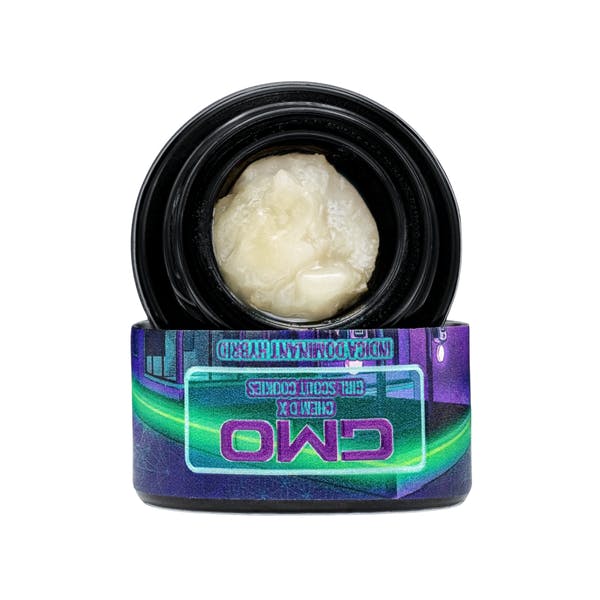
On sale· 20% OFF
THC 70.7%Indica-Hybrid
UmamiiUmamii | Live Rosin Jar | GMO · 2g
$80.00$100.00
$93after tax

weeddispensarynearme.com
You must be 21 years or older to enter. By entering, you confirm you’re of legal age in your state to purchase cannabis.
For use only by adults 21+ • Keep out of reach of children
Flatiron District devotees who appreciate craft and provenance are turning their attention to rosin — the solventless concentrate that has quietly become the connoisseur's standard. Along the corridors between Madison Square Park and the cast-iron facades of lower Fifth Avenue, a growing number of adult-use consumers are seeking out this pressure-and-heat-derived extract for its purity, transparency, and the kind of full-spectrum character that mass-produced alternatives rarely deliver.
About Rosin
Rosin occupies a singular position in the New York licensed cannabis market. Unlike hydrocarbon or CO2 extracts, rosin is produced without chemical solvents — fresh or cured flower, hash, or dry-sift is subjected to carefully calibrated heat and pressure until the resin separates and flows free. The result is a concentrate that preserves the plant's native terpene profile with a fidelity that extraction chemists openly admire. For consumers who care about what is not in their product as much as what is, rosin offers a compelling answer. New York's Office of Cannabis Management licenses a growing roster of processors authorized to produce solventless concentrates for the adult-use market. That regulatory framework means every gram of rosin sold in a licensed dispensary has passed testing for residual solvents — in rosin's case, that test is almost beside the point, since none were used — as well as potency, pesticides, microbials, and heavy metals. Shoppers in ZIP codes 10010 and 10011 can therefore purchase with confidence that the certificate of analysis attached to any licensed product reflects real, third-party verified numbers. Within the broader concentrates category, rosin exists on a spectrum. Live rosin — made from fresh-frozen flower or ice-water hash — commands the highest regard and, typically, the highest price. Cured rosin, derived from dried and cured material, offers approachable potency and flavor at a more accessible price point. Hash rosin, pressed from high-grade bubble hash, lands somewhere between the two in both cost and complexity. Each tier has its advocates, and each offers a genuinely distinct sensory experience. For New York adults aged 21 and over, rosin represents one of the more transparent ways to engage with cannabis concentrates. The category is maturing rapidly, with small-batch New York cultivators now supplying processors who prioritize single-source, strain-specific runs — the kind of provenance story that resonates with consumers already accustomed to seeking out single-origin coffee or small-production natural wine.
Rosin for Flatiron District shoppers
The Flatiron District is not a neighborhood that moves slowly. It is the address of architecture firms, tech campuses, and long-established publishing houses, compressed between the Flatiron Building's triangular silhouette on Broadway and the green quietude of Madison Square Park. The people who live and work here tend to be exacting about quality — they have access to good things and they know the difference between craft and commodity. That sensibility maps cleanly onto the rosin category. A concentrate produced from a single cultivar, pressed at a specific temperature, and documented with a full terpene breakdown is exactly the kind of product that appeals to a consumer who also reads the back label on a bottle of olive oil. Evening occasions in the Flatiron — winding down after a long stretch at a standing desk, transitioning from a client dinner to a quieter hour in a well-appointed apartment on West 23rd Street — call for something measured and intentional rather than something blunt. Winter in this part of Manhattan also shapes the conversation. When temperatures drop along Fifth Avenue and the wind funnels through the grid between 14th and 23rd Streets, consumers gravitate toward formats that work indoors without preparation. Rosin, consumed via a portable dab device or a rosin-filled vape cartridge, fits that domestic winter ritual. Come warmer months, when Madison Square Park fills with after-work gatherings and the outdoor dining scene on Broadway and Park Avenue South comes alive, smaller-format rosin products — rosin gummies, rosin-infused pre-rolls — offer a more social, portable complement to the neighborhood's outdoor energy.
What to look for
Evaluating rosin requires a slightly different lens than evaluating flower or edibles. The first thing to examine is the source material tier: live rosin pressed from ice-water hash made with fresh-frozen cultivar will typically display the most vivid terpene expression, while cured flower rosin tends toward earthier, more muted aromatics. Neither is objectively superior — the right choice depends on what the consumer values in a given session. Terpenes deserve particular attention in this category because rosin preserves them more completely than most extraction methods. Look for products with detailed terpene panels on the certificate of analysis. Myrcene-forward profiles suggest a heavier, more sedative character; limonene and terpinolene point toward brighter, more mentally engaged experiences; caryophyllene adds a peppery, grounding quality that many consumers find useful for evening use. THC potency in quality rosin typically falls between 65 and 85 percent, though raw numbers matter less than the full cannabinoid and terpene picture. A rosin at 70 percent THC with a rich minor-cannabinoid and terpene profile will often feel more nuanced than a stripped-down 82 percent product. Format trade-offs are worth considering for the Flatiron consumer specifically. Traditional rosin consumed via a dab rig or e-nail offers the purest expression but requires equipment and a fixed location — better suited to a home setup than an office. Rosin-filled cartridges and all-in-one vape devices sacrifice a small degree of terpene complexity in exchange for portability and discretion, which suits the neighborhood's dense, professional environment. Rosin-infused edibles represent a third path: slower onset, longer duration, zero inhalation — a reasonable choice for someone commuting home on the F or M train and preferring to medicate later in the evening. As always, starting with a low dose and increasing gradually is the considered approach.
Why ZenZest for rosin in Flatiron District
ZenZest Cannabis Dispensary serves Flatiron District shoppers primarily through its Staten Island location at 2343 Forest Ave, Staten Island, NY 10303 — approximately 11.8 miles from the neighborhood's center, a distance that becomes essentially irrelevant for anyone taking advantage of ZenZest's free same-day delivery service, available on orders over $100 across more than 80 New York ZIP codes, including 10010 and 10011. That delivery threshold is easy to meet in the concentrates category, where a selection of two or three rosin products brings an order to the qualifying level without effort. The practical appeal for a Flatiron resident is real: licensed, tested rosin — with full certificate-of-analysis documentation — delivered directly to a building on West 20th Street or an apartment near Gramercy with the same logistical ease as any other premium delivery category the neighborhood has long embraced. ZenZest's curated selection prioritizes New York licensed products, which means the rosin on offer reflects the state's current regulatory standards for purity and potency testing. For the adult consumer in 10010 or 10011 who values both quality and convenience, ZenZest represents a logical first stop.
ZenZest Staten Island · 2343 Forest Ave, Staten Island, NY 10303 · 11.8 miles from Flatiron District.
$93after tax
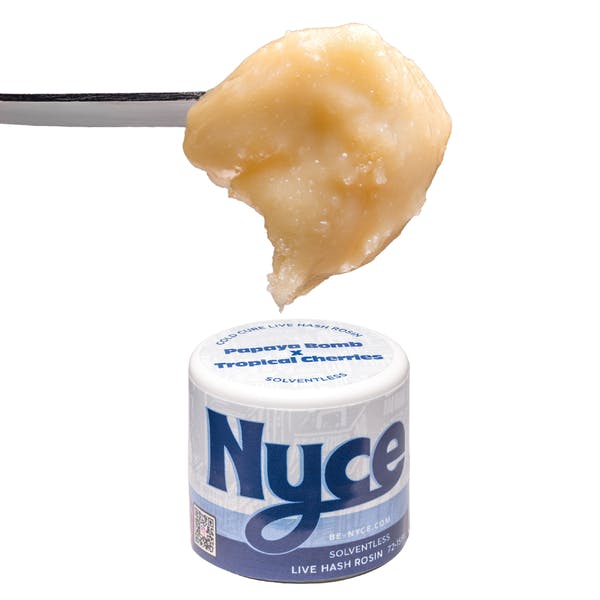
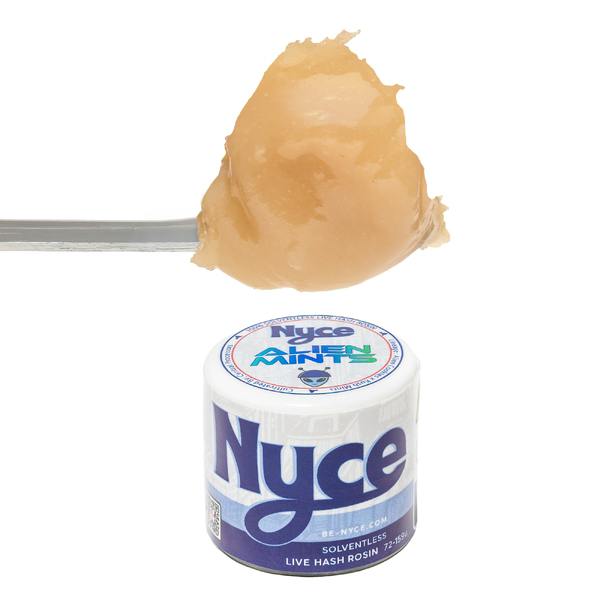
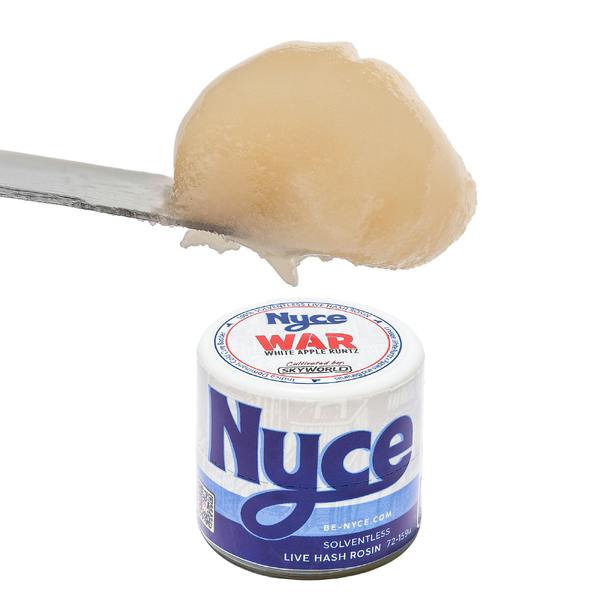
Rosin is produced using only heat and mechanical pressure — no chemical solvents such as butane, propane, or ethanol are involved at any stage. This solventless process means the finished product carries no residual solvent risk, and it typically preserves the plant's native terpene profile more completely than hydrocarbon or CO2 extractions. For consumers in the Flatiron District who apply the same scrutiny to cannabis as they do to other premium consumables, that production transparency is a meaningful distinction on a dispensary menu.
Live rosin is pressed from fresh-frozen plant material or ice-water hash made with fresh-frozen flower, which locks in volatile terpenes that would otherwise degrade during the drying and curing process. The result is typically a more vibrant, aromatic product with a terpene complexity that experienced consumers describe as truer to the living plant. Cured rosin is more shelf-stable, often less expensive, and still far more terpene-rich than most solvent-based concentrates. Whether the premium for live rosin is justified depends entirely on how much weight you place on aromatic fidelity.
Rosin is significantly more potent by volume than cannabis flower, with most products testing between 65 and 85 percent total cannabinoids. If you are new to concentrates, the standard guidance applies: start with the smallest practical amount — a portion roughly the size of a grain of rice if using a dab device — and allow adequate time to assess the effect before considering more. A rosin-infused edible or a rosin cartridge can be a gentler entry point, offering more predictable dosing increments for those unfamiliar with the category.
Electronic dab devices — often called e-nails or e-rigs — are the most practical home option for traditional rosin, eliminating the open-flame torch associated with older concentrate setups. Rosin-filled vape cartridges or all-in-one disposable vape pens offer near-zero preparation and are well-suited to the compact living spaces common in the Flatiron and Chelsea areas. Rosin-infused edibles require no device at all and produce no vapor or odor, making them particularly apartment-friendly for residents mindful of building policies.
For evening use, products with elevated myrcene tend to be associated with heavier, more relaxing physical sensations — it is one of the most common terpenes in cannabis and contributes the earthy, slightly musky notes found in many indica-leaning cultivars. Beta-caryophyllene, which also appears in black pepper and cloves, adds a grounding quality and is the only known terpene that interacts with CB2 receptors. Linalool, more commonly associated with lavender, appears in some cultivars and is widely regarded as contributing a calming character. Always review the full panel rather than a single terpene in isolation.
Yes. ZIP codes 10010 and 10011 fall within ZenZest Cannabis Dispensary's same-day delivery coverage area. Free same-day delivery is available on qualifying orders over $100, a threshold that is straightforward to reach when purchasing concentrates. Orders must comply with New York adult-use regulations: the purchaser must be 21 or older and present valid government-issued identification at delivery. ZenZest's nearest physical location for in-person browsing is its Staten Island store at 2343 Forest Ave, approximately 11.8 miles from the neighborhood.
New York's Office of Cannabis Management requires all licensed cannabis processors to submit products to accredited third-party laboratories before sale. Testing covers potency — total THC, CBD, and other cannabinoids — as well as pesticides, heavy metals, mycotoxins, microbial contaminants, and residual solvents. Every licensed product sold in New York must carry a scannable certificate of analysis. For rosin, the residual solvent panel is largely confirmatory given the solventless process, but the full suite of safety tests applies equally and is non-negotiable under state law.
Rosin is well-suited to inhalation-based consumption that avoids direct combustion. When vaporized via an e-rig, portable dab device, or rosin-compatible cartridge at appropriate temperatures, the concentrate is heated below the combustion threshold, producing vapor rather than smoke. For consumers who prefer to avoid inhalation entirely, rosin is increasingly available as the active ingredient in licensed New York edible products, offering the solventless, full-spectrum character of the extract in a format with no inhalation component whatsoever.
Pricing varies by tier and source material. Cured flower rosin typically represents the most accessible price point within the category, often ranging from roughly $40 to $65 per gram at licensed New York retailers depending on the brand and cultivar. Hash rosin — pressed from bubble hash rather than raw flower — generally commands a premium, while live rosin from single-source, small-batch runs can reach $70 to $90 or more per gram. These prices reflect the labor-intensive production process and the testing costs built into the New York licensed supply chain.
The neighborhood sits at a transit convergence — the F, M, N, R, Q, and 6 trains all serve the 14th Street to 23rd Street corridor, and many residents commute into or through Midtown daily. For that on-the-go profile, a rosin cartridge paired with a discreet battery is the most practical format: no equipment to prepare, no open concentrate to manage on a crowded platform or in a rideshare. Rosin-infused edibles offer a similar portability advantage with delayed onset — something worth factoring in when timing consumption relative to a commute home.
Pick your store
We'll show pricing, deals, and delivery zones for the store you pick. You can switch any time from the header.