
Manhattan · Live Resin
Best Live Resin in Flatiron District, Manhattan
Flatiron District shoppers who appreciate craft and provenance are turning to live resin as the category that best rewards discernment. Along the corridors between Fifth Avenue and Broadway, where design studios and finance offices sit beside Madison Square Park's greenery, the demand for a concentrate that captures the full aromatic life of the cannabis plant has quietly become something of a connoisseur's standard.
About Live Resin
Live resin occupies a singular position in the licensed New York cannabis market. Unlike concentrates derived from dried and cured flower, live resin is produced from fresh-frozen plant material — harvested at peak terpene expression and immediately frozen before extraction. The result is a product that preserves the volatile aromatic compounds that conventional curing inevitably diminishes. What reaches the consumer is, in the most literal sense, closer to the living plant than virtually any other processed format. New York's Office of Cannabis Management licenses a growing roster of processors producing live resin, and quality across the category has risen meaningfully since adult-use retail came online. Consumers can now access sauce, badder, sugar, and live resin cartridges from compliant, lab-tested brands — products that carry certificates of analysis covering cannabinoid potency, residual solvents, and microbial safety. For anyone who previously navigated an unlicensed market, the transparency alone represents a substantive upgrade. The format spectrum within live resin rewards exploration. Sauce — a viscous, terpene-rich liquid surrounding crystalline THCA — is prized by those who want maximum aromatic complexity. Badder and budder offer a whipped, workable consistency suited to dabbing or topping flower. Live resin cartridges, by contrast, ask almost nothing of the user: a compatible 510-thread battery, a measured draw, and the same terpene fidelity in a portable format. Each serves a different occasion and a different level of experience with concentrates. THC potency in live resin frequently reads between 65 and 90 percent on lab panels, placing it well above flower and even many distillate products. This is not a category for casual experimentation without awareness. New York's adult-use framework applies to all purchasers 21 and older, and responsible consumption guidance — specifically the principle of starting low and going slow — is especially pertinent here. The payoff for measured, intentional use is a sensory fidelity that flower simply cannot match.
Live Resin for Flatiron District shoppers
The Flatiron District draws a particular kind of New Yorker: someone calibrated to quality by profession and habit. The neighborhood's ZIP codes — 10010 and 10011 — cover a compact but dense grid running from the Flatiron Building itself south toward Chelsea and east toward Gramercy. Residents are accustomed to the specificity of craft — single-origin coffee, small-production wine, aged spirits — and live resin fits naturally into that framework of product knowledge and intentional consumption. Commute and routine matter here. Many Flatiron residents walk to work or take short subway rides on the N, R, Q, or F trains. The workday in this neighborhood tends to be long and intellectually demanding, and evening unwinding often happens at home in well-appointed apartments or on terrace spaces overlooking the park or the avenues. A live resin cartridge offers the discretion and precision that a pre-roll cannot — no combustion, no commitment to finishing a full unit, and a terpene profile that rewards the kind of sensory attention a food-curious, design-literate neighborhood brings to most experiences. Madison Square Park itself functions as an informal gathering point in warmer months, and the seasonal rhythm of the neighborhood shapes how concentrates are used. During New York's colder stretches — which can grip the avenues from November through March — the convenience of an indoor-friendly cartridge or a dab session at home holds clear appeal over anything requiring outdoor preparation. Summer brings the park back to life, and the preference tends to shift toward faster, cleaner formats that fit between a farmers' market stop and a dinner reservation on Broadway.
What to look for
Selecting live resin well begins with terpenes, not THC. The potency number matters — it tells you something about intensity — but the terpene panel tells you far more about character and likely effect. Look for products that list dominant terpenes by name: myrcene tends toward physical ease and a grounding quality; limonene skews uplifting and citrus-forward; caryophyllene adds a spiced depth and is the only common cannabis terpene that interacts with the body's CB2 receptors. A transparent producer will list these on the label or make them easily accessible via QR code to the COA. Format trade-offs deserve careful thought in a neighborhood where discretion and convenience are both valued. Live resin cartridges are the most approachable entry point — they require minimal equipment, produce little odor, and allow session control draw by draw. The trade-off is that the extraction and cartridge-filling process, even when done well, cannot fully replicate the aromatic intensity of a freshly opened jar of sauce or badder. If you own or plan to purchase a dab rig or an electronic concentrate device, the jarred formats will deliver a more complete expression of the strain's profile. THC readings in the 70 to 85 percent range are typical and appropriate for most experienced consumers; anything pushing into the low 90s warrants particular attention to start-low guidance. For Flatiron shoppers specifically, consider how and when you intend to use the product. A live resin cartridge travels easily from a 10010 apartment to a weekend upstate without attracting attention. A sauce or badder, while rewarding at home, calls for a brief learning curve around equipment and handling temperature. Either way, the licensed New York market now offers enough strain and format diversity that matching the product to your actual lifestyle — rather than defaulting to the highest potency number — is both possible and worthwhile.
Why ZenZest for live resin in Flatiron District
ZenZest Cannabis Dispensary brings licensed, lab-verified live resin to Flatiron District shoppers through its Staten Island location at 2343 Forest Ave, Staten Island, NY 10303 — approximately 11.8 miles from the heart of the neighborhood. The store carries a curated selection of concentrates from New York-licensed processors, and staff are trained to walk customers through terpene panels and format differences rather than simply pointing to the highest-THC shelf item. The emphasis is on informed purchase, which aligns well with what a design-forward, quality-oriented Flatiron clientele actually expects from a retail experience. For those who prefer not to make the trip, ZenZest offers free same-day delivery on orders over one hundred dollars to more than eighty New York ZIP codes, including the 10010 and 10011 codes that cover the Flatiron District. Orders can be browsed and placed from any apartment, office, or studio in the neighborhood, with delivery arriving the same day. It is a practical solution for a part of Manhattan where time is genuinely scarce and where the value of a well-curated concentrate landing at your door without effort is self-evident.
ZenZest Staten Island · 2343 Forest Ave, Staten Island, NY 10303 · 11.8 miles from Flatiron District.
Live live resin for Flatiron District
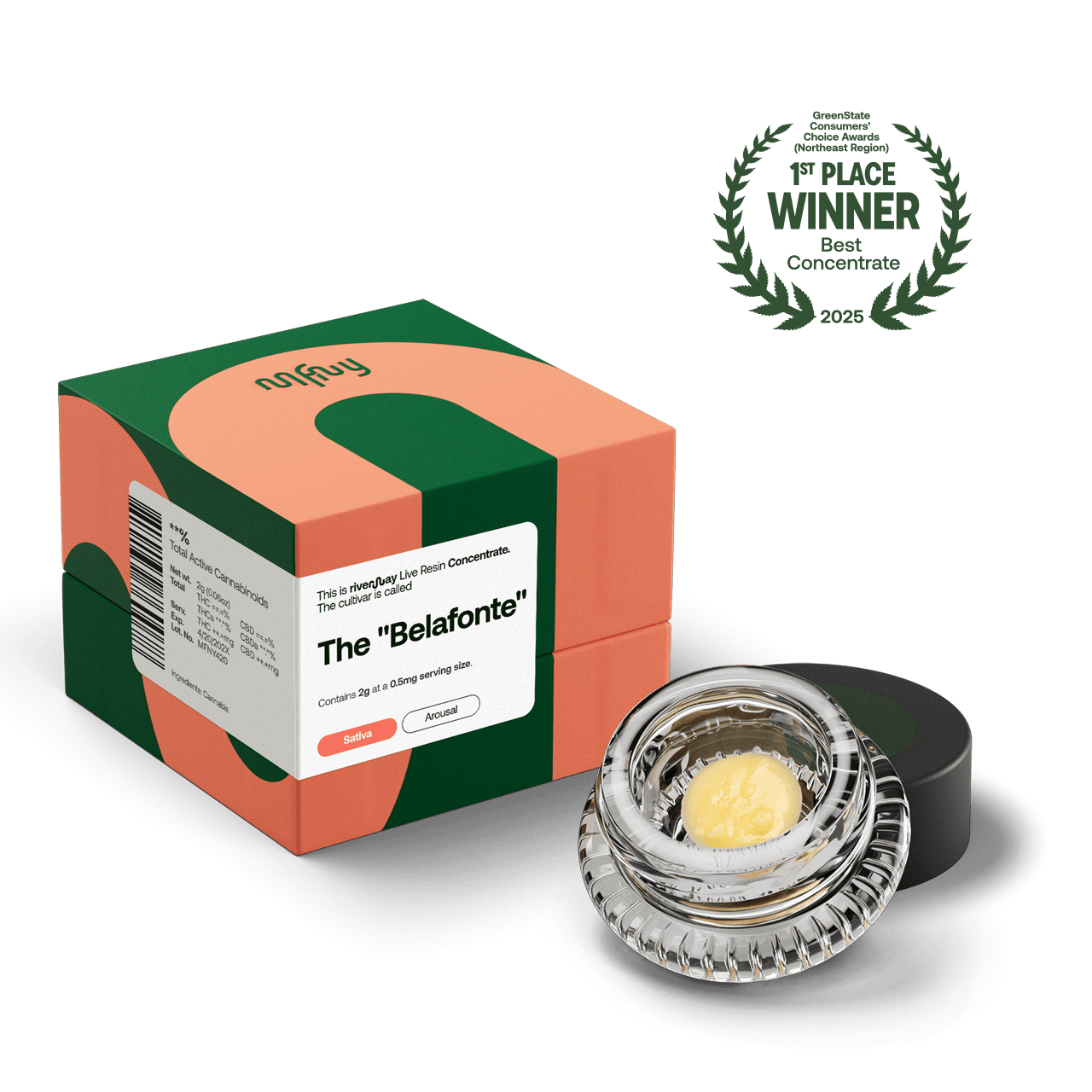
Full live resin menu →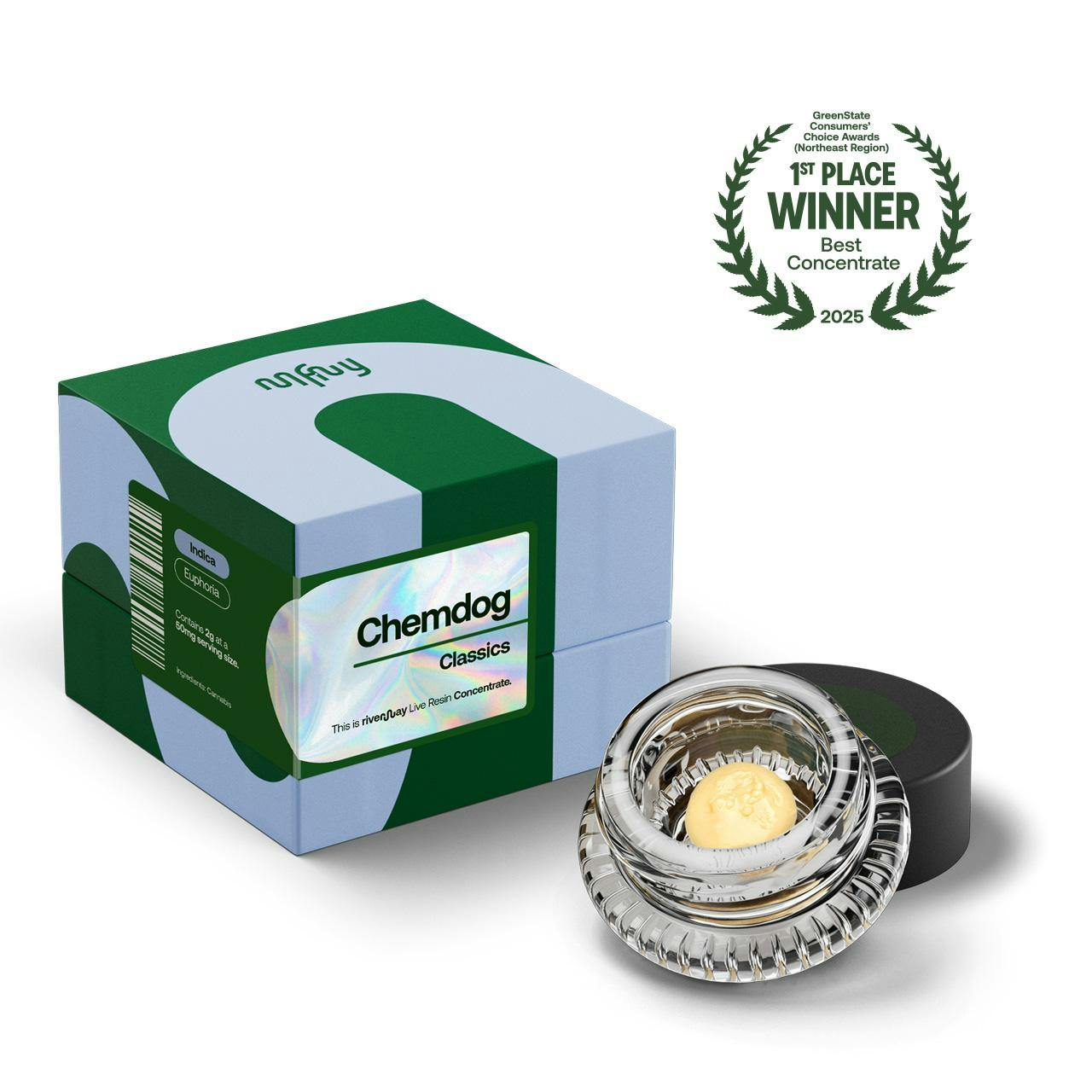
Live Resin in Flatiron District — answers
What exactly makes live resin different from other concentrates sold at New York dispensaries?+
Live resin is made from cannabis that is frozen immediately after harvest rather than being dried and cured. This fresh-frozen process preserves a much broader range of terpenes — the aromatic compounds responsible for flavor and nuanced effect — than conventional extraction methods can retain. The result is a concentrate that smells and tastes closer to the living plant. Other concentrates, including many distillates and BHO waxes, are processed from cured material and lose a meaningful portion of that aromatic complexity in the drying stage.
Is live resin appropriate for someone in the Flatiron District who is new to concentrates but experienced with cannabis flower?+
Experience with flower is a useful foundation, but live resin's potency — often 70 to 90 percent THC — represents a significant step up from even the strongest flower products on the New York market. The standard guidance applies with particular force here: start with a very small amount, wait to understand its effect before continuing, and do not treat the experience as equivalent to a few draws on a pre-roll. A live resin cartridge is the gentlest entry point because each draw is measurable and brief.
What live resin formats are typically available at licensed New York dispensaries?+
Licensed New York retailers generally stock several live resin formats. Sauce consists of a terpene-rich liquid surrounding THCA crystals and is prized for aromatic intensity. Badder and budder have a whipped, workable consistency suited to dabbing. Sugar has a looser, granular texture. Live resin cartridges contain extracted oil in a pre-filled 510-thread unit compatible with standard vape batteries. Each format serves a different use occasion and requires a different level of equipment familiarity.
How should I store live resin in a Flatiron apartment, especially in summer when temperatures rise?+
Live resin is sensitive to heat and light, both of which accelerate terpene degradation and can alter the consistency of jarred formats like sauce and badder. In a Flatiron apartment during New York's humid summers, the practical solution is to store jarred concentrate in a cool, dark location — a drawer away from windows or, for longer storage, the refrigerator in an airtight container. Cartridges are somewhat more stable but should still be kept out of direct sunlight and away from heat sources like window sills.
Can I have live resin delivered to my address in the 10010 or 10011 ZIP codes?+
Yes. ZenZest Cannabis Dispensary offers free same-day delivery on orders over one hundred dollars to more than eighty New York ZIP codes, and both 10010 and 10011 — the ZIP codes covering the Flatiron District — are included in the delivery zone. Orders placed through ZenZest's platform are fulfilled from licensed inventory, arrive the same day, and require age verification at the door per New York adult-use regulations. All purchasers must be 21 or older.
What terpenes should I look for if I want a live resin that feels energizing rather than sedating?+
Terpene preferences are individual, and no cannabis product makes medical claims, but many consumers associate certain terpenes with a more wakeful, uplifting character. Limonene — common in citrus-forward strains — and alpha-pinene — which has a sharp, clean aroma — are frequently noted in this context. Terpinolene appears in some sativa-leaning cultivars and contributes a complex, herbaceous quality. Myrcene, by contrast, is the most abundant terpene in cannabis broadly and is often associated with a more grounding, relaxing character. Reviewing the full COA terpene panel before purchasing helps calibrate expectations.
What equipment do I need to use jarred live resin like sauce or badder at home?+
Jarred live resin requires a dab rig — a water pipe designed for concentrates — or an electronic concentrate device, sometimes called an e-rig or dab pen. A dab tool, typically a small metal implement, is used to portion the concentrate from the jar. Traditional rigs also require a torch to heat a quartz banger to the correct temperature, which takes some practice. Electronic rigs remove the torch from the equation and allow temperature control, which is particularly useful for preserving terpene expression at lower heat settings. Cartridges require only a 510-thread battery.
How does live resin compare to live rosin, and which should a Flatiron consumer consider first?+
Both formats use fresh or fresh-frozen plant material, but the extraction methods differ fundamentally. Live resin uses a solvent — typically butane or propane — in a closed-loop system, whereas live rosin is solventless, produced through heat and pressure alone. Live rosin commands a price premium and is often described as the most mechanically pure expression of the plant. Live resin is typically more accessible in price and widely available at New York licensed retailers. For a first experience with premium concentrates, live resin in cartridge form offers a lower barrier to entry without sacrificing meaningful terpene quality.
Are there particular strains of live resin that pair well with an evening walk around Madison Square Park?+
Strain character is a personal variable, and this is not medical guidance, but consumers exploring live resin for social, outdoor occasions often gravitate toward cultivars with limonene or caryophyllene-dominant profiles — strains that tend toward an uplifted, present quality rather than a heavily sedating one. Reviewing the terpene panel and asking ZenZest staff for cultivar notes is the most reliable approach. A cartridge format is also the most practical choice for any outdoor setting in a walkable Flatiron evening itinerary.
How does New York's licensing framework protect consumers who purchase live resin from a licensed dispensary?+
All cannabis concentrate products sold through New York's licensed adult-use retailers must pass third-party laboratory testing for potency, residual solvents, pesticides, heavy metals, and microbial contaminants before reaching shelves. The certificate of analysis for each product is publicly accessible, typically via a QR code on the packaging. This framework means that a live resin purchased from a licensed dispensary in New York carries verified safety and potency data — a standard that unlicensed market products cannot meet. The OCM oversees compliance across the supply chain.