Suffolk County · Rosin
Best Rosin in Commack, Suffolk County
Commack, the quiet Suffolk County suburb anchored by Jericho Turnpike and Commack Road, has cultivated a discerning adult-use cannabis market — and solventless rosin sits at the center of that conversation. Clean, terpene-forward, and extracted without chemical solvents, rosin represents a refined choice for the 11725 shopper who values craft over convenience and transparency over marketing.
About Rosin
Rosin is a solventless cannabis concentrate produced by applying precise combinations of heat and pressure to flower, hash, or kief — no butane, no ethanol, no chemical intermediaries. The result is a full-spectrum oil that retains the plant's original terpene profile with striking fidelity, delivering flavors and effects that solvent-based extracts often sacrifice in post-processing. For adult-use consumers in New York who have grown accustomed to reading labels carefully, rosin offers a reassuringly short ingredient list: cannabis, heat, and pressure. New York's Office of Cannabis Management licenses a growing cohort of processors who produce rosin under strict testing and traceability requirements. Every unit sold at a licensed dispensary carries a COA — certificate of analysis — disclosing cannabinoid percentages, terpene concentrations, and residual-solvent screens that, in rosin's case, are expected to return clean by definition. That regulatory framework matters in a state where the illicit market still competes loudly; choosing licensed rosin means verified purity. Within the broader concentrate category, rosin occupies a premium tier. Live rosin — made from fresh-frozen cannabis rather than dried flower — commands the highest price points because it captures volatile terpenes that would otherwise degrade during the curing process. Cured flower rosin and hash rosin occupy slightly lower price points while still delivering exceptional quality. Expect THC concentrations typically ranging from the mid-60s to the low 80s by percentage, with minor cannabinoids like CBG and CBC often present in meaningful amounts. For first-time concentrate shoppers, the elevated potency relative to flower warrants a measured approach. New York's licensed dispensaries are staffed by trained associates who can walk consumers through format options — jar rosin, rosin badder, and rosin jam each offer slightly different textures and dabbing characteristics — without making any medical claims or dosing prescriptions. The general guidance that applies across the category: start low, go slow.
Rosin for Commack shoppers
Commack sits at the geographic heart of Suffolk County, bordered by the steady commercial rhythm of Jericho Turnpike to the south and the quieter residential grid that fans out toward Veterans Memorial Highway. It is a community of homeowners, professionals, and families — many of whom commute westward into Nassau County or into the city via the Long Island Rail Road at nearby Deer Park or Kings Park stations. That commuter culture shapes cannabis consumption patterns in meaningful ways. Rosin, particularly in its jar or cartridge-adjacent formats, suits the person who prefers a deliberate, at-home ritual after a long workday rather than an on-the-go session. Seasonally, Suffolk County's winters can be genuinely harsh, and Commack's wide arterial roads — Commack Road, Veterans Memorial Highway, the Jericho Turnpike corridor — demand alert driving even in mild weather. That context reinforces the value of rosin's predictable, well-labeled potency: a 11725-area shopper can make an informed decision at the point of purchase rather than guessing at effect intensity. Summers, by contrast, bring backyard culture and the kind of relaxed weekend pacing that rosin's terpene richness rewards. Demographically, Commack skews toward adults with disposable income and an appreciation for quality goods — the same consumer who chooses craft beer over domestic lager or single-origin coffee over a diner pour. Rosin fits that sensibility precisely. It is more expensive than flower on a per-gram basis, but the intensity, purity, and flavor complexity justify the premium for a shopper who has already made peace with paying for quality in every other category of their life.
What to look for
When evaluating rosin at a licensed New York dispensary, begin with the source material. Hash rosin — pressed from ice-water-extracted bubble hash — is generally considered the pinnacle of the solventless format, offering the densest terpene retention and the cleanest finish. Flower rosin, pressed directly from dried cannabis, is more accessible in price and still delivers a full-spectrum experience that outpaces most solvent extracts. Live rosin, made from fresh-frozen material, adds an additional layer of aromatic complexity that experienced consumers often find worth the premium. Terpene content is the primary quality signal to study on a rosin COA. Myrcene contributes a grounding, earthy warmth that suits unwinding after a commute on the Long Island Expressway corridor. Limonene brings brightness and levity, appropriate for weekend occasions when Commack's residential neighborhoods empty onto backyard decks. Caryophyllene adds a peppery, slightly woody note with a reputation for pairing well with the body. Linalool, less common but increasingly present in premium rosin, offers a floral softness. A well-rounded terpene panel — not simply maximum THC percentage — is the hallmark of a rosin worth its price. Format matters as well. Rosin badder (or budder) is whipped to a soft, easy-to-handle consistency ideal for consumers new to dabbing. Rosin jam retains more liquid terpene content and is prized by experienced users for raw flavor intensity. Rosin in its unmanipulated sap form tends toward a more variable texture depending on strain and press temperature. For the Commack shopper who is exploring concentrates for the first time, badder is the most forgiving starting point; for the returning consumer chasing a specific terpene experience, live hash rosin jam in a small-batch run from a licensed New York processor is the logical destination.
Why ZenZest for rosin in Commack
ZenZest Cannabis Dispensary serves the Commack and broader 11725 community from its Queens location at 272-06 Union Tpke in Bellerose, approximately 23.3 miles west of the neighborhood's commercial center along the Jericho Turnpike corridor. For Suffolk County residents willing to make the drive — or for those passing through on a commute — ZenZest's curated selection of New York-licensed rosin and other concentrates reflects the same premium standard that Commack shoppers apply to every other category of considered purchase. ZenZest's staff is trained to guide adult-use consumers through the solventless concentrate category with clarity and without pressure, offering COA reviews and format comparisons that help shoppers make confident decisions. While same-day delivery is not currently available to 11725 ZIP codes, the Queens storefront remains the nearest licensed option under the ZenZest banner. Consumers are encouraged to verify current inventory and hours directly through ZenZest's official channels before making the trip from Commack.
ZenZest Queens · 272-06 Union Tpke, Bellerose, NY 11004 · 23.3 miles from Commack.
Live rosin for Commack
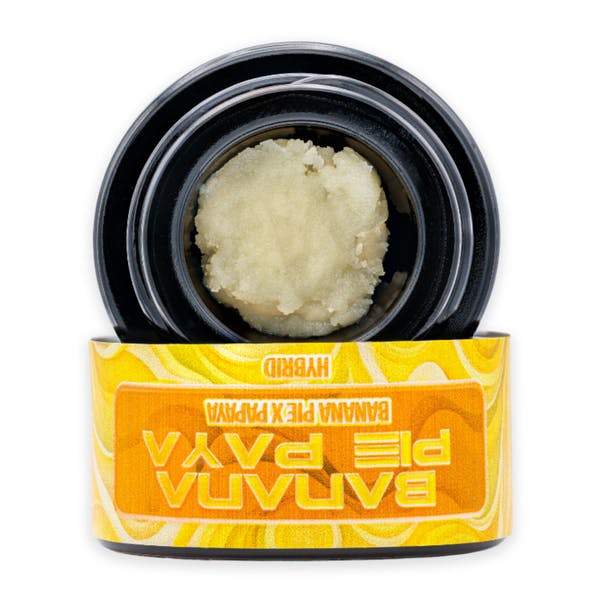
Full rosin menu →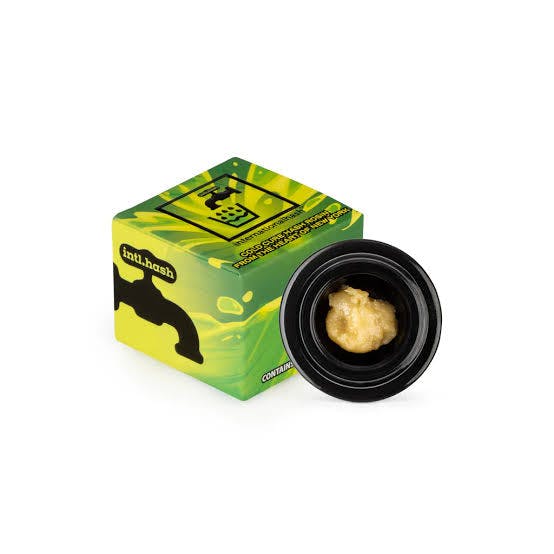
THC 75.73%Hybrid
INTERNATIONAL HASHInternational Hash | Cold Cure Hash Rosin | Grapefruit Hybrid · 1g
$66.37
$75after tax
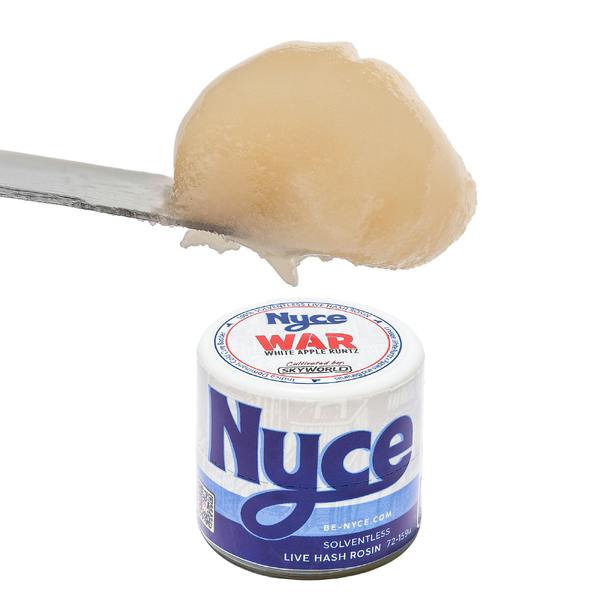
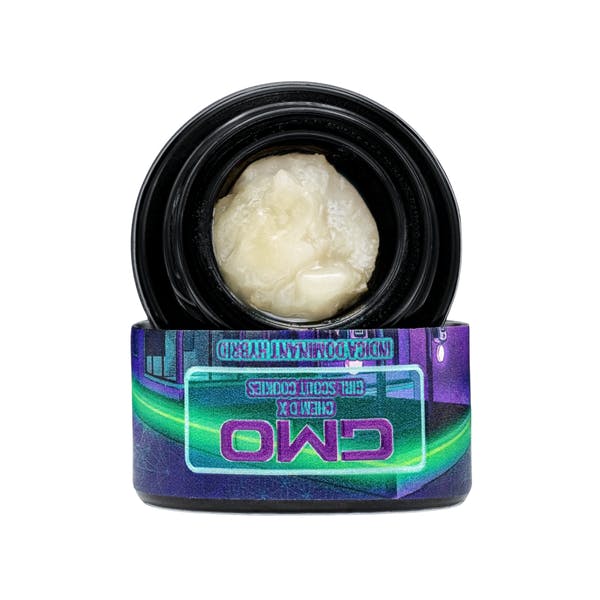
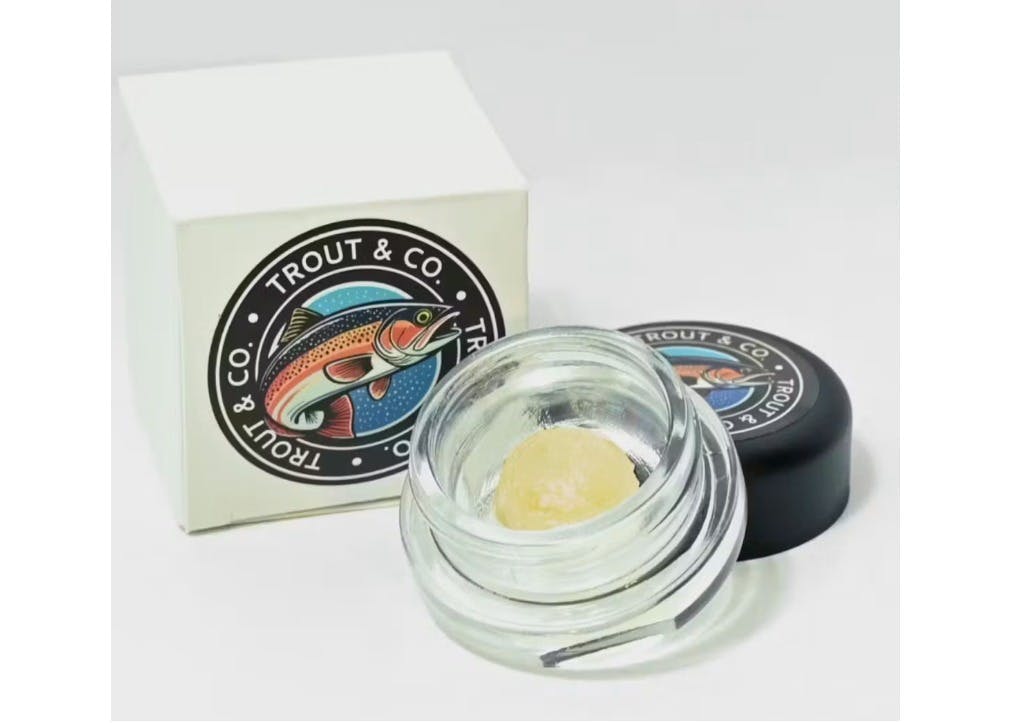
THC 77.52%Hybrid
Trout & Co.Trout & Co. | Super Funk | Live Rosin Private Reserve · 1g
$88.50
$100after tax
Rosin in Commack — answers
What makes rosin different from other concentrates sold at New York licensed dispensaries?+
Rosin is produced exclusively through heat and pressure — no chemical solvents are used at any stage of extraction. This distinguishes it from BHO (butane hash oil), wax, or distillate, all of which rely on chemical intermediaries that must be purged from the final product. For Commack-area shoppers who prioritize ingredient transparency and full-spectrum cannabinoid retention, rosin's solventless nature is its defining quality advantage. New York's licensed dispensaries stock rosin with COAs that confirm the absence of residual solvents, providing additional peace of mind.
Is live rosin worth the higher price point compared to cured flower rosin?+
Live rosin is pressed from cannabis that was frozen immediately after harvest rather than dried and cured, preserving volatile terpenes that would otherwise degrade. The result is a more aromatic, texturally complex product with a terpene profile that more accurately reflects the living plant. For Commack consumers who already invest in quality across other lifestyle categories and who appreciate nuanced flavor, live rosin is often worth the premium. For those newer to the concentrate format, cured flower rosin delivers an excellent introduction at a more accessible price.
How should I store rosin purchased from a dispensary in the Commack area?+
Rosin is best stored in an airtight, non-stick silicone or glass container in a cool, dark environment — a refrigerator or a consistently cool cabinet away from light and heat sources. Suffolk County's summer humidity and heat can degrade terpenes and alter the consistency of rosin that is left at room temperature for extended periods. If refrigerating, allow the rosin to return to room temperature before handling to prevent condensation from affecting the product's texture and potency.
What THC percentage range should I expect in licensed New York rosin?+
New York-licensed rosin typically tests in the range of 65 to 82 percent total THC, though live hash rosin from premium small-batch processors can occasionally exceed that range. These concentrations are significantly higher than cannabis flower, which generally tests between 18 and 30 percent THC. For Commack shoppers accustomed to flower or edibles, the transition to rosin warrants caution. A very small amount — often a fraction of a gram — is sufficient for most adult-use sessions. Start low, go slow is particularly relevant guidance for this category.
Do I need a dab rig to use rosin, or are there more accessible formats?+
A traditional dab rig with a quartz banger and a torch offers the most control over temperature and delivers the fullest terpene expression. However, rosin can also be used in electric dab devices (e-rigs), which regulate temperature precisely and eliminate the open-flame element — a practical consideration for Commack homeowners. Some consumers incorporate small amounts of rosin into a bowl of flower (a method sometimes called crowning) as an accessible entry point. Disposable rosin-filled vaporizers are also available through licensed New York dispensaries for those who prefer a portable format.
Can I drive to the ZenZest Queens store from Commack to purchase rosin?+
Yes. The ZenZest Queens location at 272-06 Union Tpke in Bellerose is approximately 23.3 miles from Commack's Jericho Turnpike corridor, accessible via the Northern State Parkway or the Long Island Expressway. The drive typically takes between 30 and 50 minutes depending on traffic. Adult-use consumers aged 21 and older may purchase rosin and other licensed cannabis products at the storefront. It is advisable to check ZenZest's current inventory and hours before departing Commack to confirm product availability.
Is ZenZest able to deliver rosin to Commack or the 11725 ZIP code?+
At this time, ZenZest's same-day delivery service — available on orders over $100 across 80 or more New York ZIP codes — does not extend to the 11725 ZIP code covering Commack. Residents of the area who wish to purchase from ZenZest should plan a visit to the Queens storefront at 272-06 Union Tpke. Delivery availability is subject to change as licensed cannabis logistics continue to expand across Long Island, so Commack consumers are encouraged to check ZenZest's current delivery coverage map directly.
What terpenes should Commack rosin shoppers prioritize for evening use?+
For unwinding after a commute on Veterans Memorial Highway or the Jericho Turnpike, rosin strains with prominent myrcene, linalool, or beta-caryophyllene in the terpene panel tend to be associated with grounding, body-forward experiences. Myrcene is among the most common terpenes in cannabis and contributes an earthy warmth well-suited to at-home evening occasions. Linalool, found more selectively in premium rosin offerings, adds a floral softness. Note that individual responses to terpenes vary, and no specific effect can be guaranteed by any licensed product.
How do I read a certificate of analysis (COA) for rosin before purchasing?+
A COA for rosin should include total THC and CBD percentages, a minor cannabinoid panel, a terpene breakdown by concentration (typically measured in milligrams per gram or as a percentage), a pesticide screen, a heavy-metals screen, and a residual-solvent screen — the last of which should return non-detected across all analytes for a true solventless product. New York-licensed dispensaries are required to make COA information available. When shopping for rosin in the Commack area or at ZenZest Queens, ask a staff associate to pull the COA for any product you are seriously considering.
Is hash rosin the same as bubble hash, and how do they differ?+
Bubble hash and hash rosin are related but distinct. Bubble hash is an ice-water extraction — cannabis trichomes are separated from plant material using cold water and agitation, then dried and sieved through micron screens into a powder or pressed puck. Hash rosin is the next step: that dried bubble hash is then subjected to heat and pressure to produce a solventless oil. Hash rosin is generally considered a more refined and potent product than loose bubble hash, and it commands a corresponding price premium at licensed New York dispensaries.