On sale· 20% OFF
THC 79.9%Indica-Hybrid
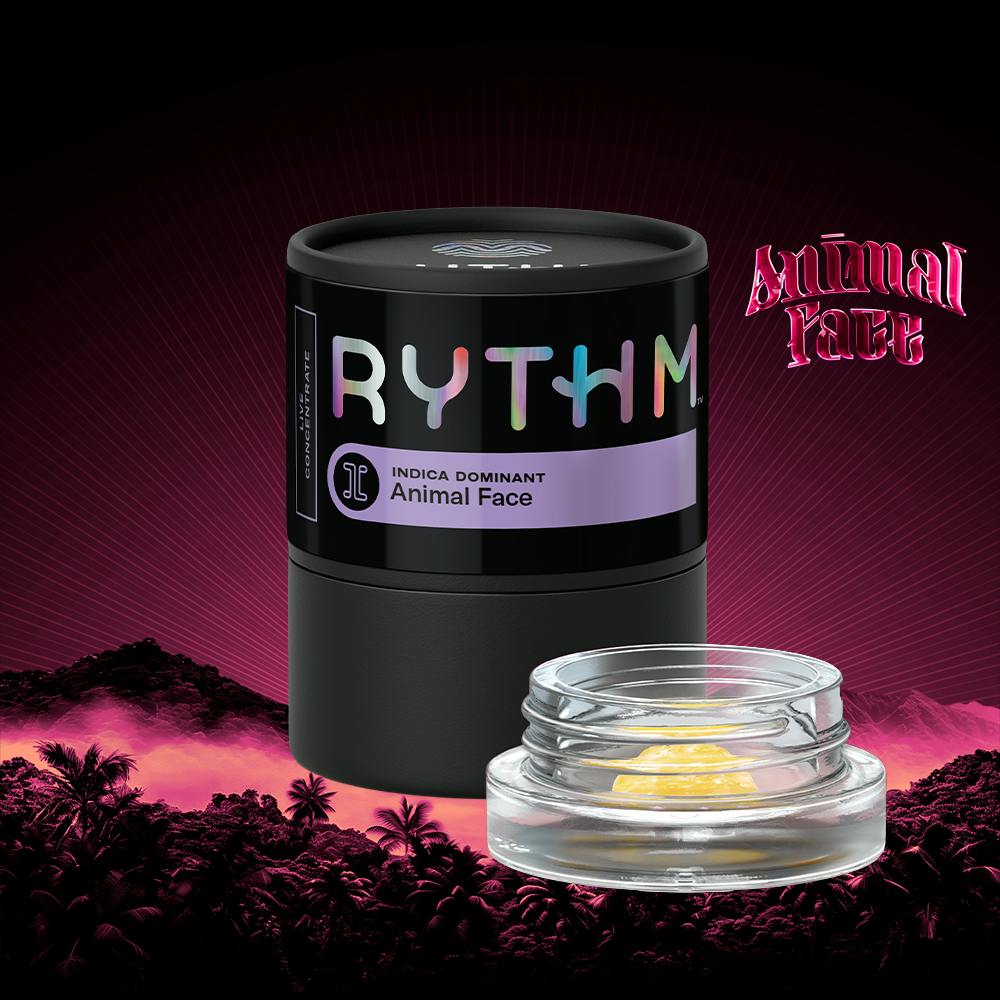
RYTHMRythm | Animal Face | Live Resin Concentrate | Indica · 2g
$72.22$90.27
$84after tax

weeddispensarynearme.com
You must be 21 years or older to enter. By entering, you confirm you’re of legal age in your state to purchase cannabis.
For use only by adults 21+ • Keep out of reach of children
Commack, the quietly prosperous stretch of Suffolk County anchored by Jericho Turnpike and Commack Road, has developed a discerning appetite for premium cannabis concentrates. Live resin — prized for its full-spectrum terpene preservation and robust aromatic profiles — fits naturally into a community that values quality over convenience. This guide helps 11725 shoppers navigate the category with confidence.
About Live Resin
Live resin occupies a distinct tier within the New York adult-use concentrate market, and understanding why begins with how it is made. Unlike concentrates derived from dried and cured flower, live resin is produced by flash-freezing freshly harvested cannabis at harvest and maintaining sub-zero temperatures throughout the extraction process. This cold-chain approach preserves a far richer terpene profile than conventional methods allow, capturing volatile aromatic compounds — myrcene, limonene, caryophyllene, terpinolene, and dozens more — that would otherwise degrade during the drying process. The result is a product that more faithfully represents the living plant: layered in aroma, nuanced on the palate, and often described by experienced consumers as the most 'true to flower' concentrate available. In a New York market governed by the Office of Cannabis Management, all licensed live resin must be produced from in-state cannabis, tested for residual solvents, potency, pesticides, and microbial contaminants before reaching retail shelves. That regulatory infrastructure means Suffolk County shoppers can approach the category with a reasonable baseline of confidence in what they are purchasing. Live resin arrives in several sub-formats. Sauce — a viscous, terpene-rich liquid studded with THCA crystals — rewards slow, low-temperature dabbing. Badder and budder offer a smoother, whipped consistency that many beginners find easier to handle. Sugar wax sits between the two in texture. Cured resin cartridges are common, but true live resin carts, filled with full-spectrum oil rather than distillate, carry a meaningfully different sensory experience. Knowing which format suits your setup and tolerance is the first step toward a satisfying purchase. Potency in live resin concentrates varies widely — total cannabinoid content can range from roughly 60 percent to above 90 percent depending on the extraction method and the source cultivar. New York's labeling requirements mandate that licensed products display tested THC and CBD percentages, so consumers can make genuinely informed decisions. For those new to concentrates, 'start low, go slow' remains the practical standard regardless of format or price point.
Live Resin for Commack shoppers
Commack occupies a particular niche in Suffolk County's suburban landscape: it is a community of long driveways, well-maintained ranch homes, and the kind of quiet evenings that make a thoughtful session at the end of a demanding day genuinely appealing. Veterans Memorial Highway bisects the town with an almost meditative straightness, and the commercial corridors along Jericho Turnpike and Commack Road suggest a consumer base that shops with intention rather than impulse. Live resin, as a category, aligns well with that temperament — it is a product that rewards patience and attention rather than quick, habitual consumption. The commute context matters here too. Many Commack residents make the trek toward Midtown or lower Manhattan by rail from nearby stations or by car across the Long Island Expressway, returning in the evening to a genuinely quieter environment than the city affords. For this demographic, an evening dab session or a cartridge draw on a weekend afternoon carries a different occasion profile than it might for someone in a denser urban neighborhood. The emphasis tends to be on wind-down, on resetting after a long week — and live resin's terpene richness, particularly cultivars heavy in linalool or myrcene, speaks directly to that use case. Suffolk County winters along the 11725 corridor can be genuinely cold, and that seasonal reality shapes concentrate consumption in subtle ways. Cold temperatures can affect the viscosity of live resin sauce and badder, making room-temperature storage and gradual warming important considerations for local buyers. Summer humidity, on the other hand, is less problematic for concentrates than for flower, making live resin a relatively stable choice year-round for Commack shoppers who prefer to keep a reliable product on hand.
What to look for
Evaluating live resin starts with the Certificate of Analysis, the third-party lab document that licensed New York dispensaries are required to make accessible. Look beyond the headline THC percentage and examine the terpene panel. A product with a rich, diverse terpene profile — particularly one that lists more than three or four individual terpenes with meaningful concentrations — is generally preferable to a high-THC product with a sparse or unlisted terpene breakdown. The entourage effect, while still a subject of ongoing research, is the central premise behind why live resin commands a premium: the interaction between cannabinoids and terpenes is understood to shape the character of the experience in ways that THC percentage alone does not capture. Format trade-offs are worth considering carefully for Commack shoppers. A dab rig setup — requiring a torch, a quartz banger, and a carb cap at minimum — delivers the fullest expression of a live resin sauce or badder but is not particularly portable and requires a degree of equipment maintenance. An e-nail or electronic dab device lowers the barrier to entry and allows for precise temperature control, which is important for preserving terpenes during consumption. Live resin cartridges, paired with a standard 510-thread battery, are the most accessible format and suit the Commack lifestyle well for discrete, low-fuss use after a commute or on a weekend afternoon in the backyard. For cultivar selection, consider what the terpene profile suggests about the experience. Caryophyllene-dominant live resins, which carry peppery and slightly earthy notes, are associated with relaxing body sensations. Limonene-forward options offer citrus brightness and tend toward more uplifting character. Myrcene-heavy profiles lean sedating. For a first-time concentrate purchase, a live resin badder or a well-reviewed cartridge in the 65 to 75 percent total THC range offers a measured introduction without the intensity of a high-potency sauce.
Why ZenZest for live resin in Commack
For Commack residents in the 11725 ZIP code, ZenZest Cannabis Dispensary's Queens location at 272-06 Union Tpke, Bellerose, NY 11004 is the nearest licensed retail option within the ZenZest network, sitting approximately 23.3 miles to the west. The store carries a curated selection of New York State licensed live resin products across formats — sauce, badder, sugar wax, and live resin cartridges — sourced from licensed in-state producers and verified through compliant testing documentation. The knowledgeable floor staff at the Union Turnpike location can walk first-time concentrate buyers through the terpene panels and format distinctions that make live resin such a layered category to explore. It is worth noting that ZenZest's free same-day delivery program, which covers 80 or more New York ZIP codes on orders over $100, does not currently extend to the 11725 Commack area. Suffolk County shoppers looking to purchase from ZenZest will want to plan for an in-store visit to the Queens location, which makes the trip across the county line a worthwhile afternoon for those seeking a premium, guided concentrate shopping experience in a well-appointed retail environment.
ZenZest Queens · 272-06 Union Tpke, Bellerose, NY 11004 · 23.3 miles from Commack.
$84after tax
Live resin is distinguished by its production process: cannabis is flash-frozen immediately after harvest and kept at sub-zero temperatures throughout extraction. This preserves terpenes that would otherwise degrade during conventional drying and curing. The result is a concentrate with a richer, more complex aromatic and flavor profile compared to wax, shatter, or distillate-based products. For Commack shoppers who appreciate quality and nuance — the same sensibility that drives careful choices in wine or coffee — live resin represents the more expressive end of the concentrate spectrum.
Generally, yes. Licensed live resin products sold in New York typically test between 60 and 90 percent total THC, compared to flower which commonly ranges from 15 to 30 percent. This concentrated potency means that even a small amount — a rice-grain-sized dab or a brief draw from a live resin cartridge — can produce a noticeably more intense experience than an equivalent amount of flower. Anyone new to concentrates, including experienced flower consumers, is strongly encouraged to start with the smallest possible amount and wait before deciding whether to continue.
At minimum, a dab rig (a water pipe designed for concentrates), a quartz banger or nail, a torch, and a carb cap are needed for traditional dabbing. A dab tool — a small metal or glass implement for handling the concentrate — is also essential. For a less technical entry point, electronic dab devices or e-nails eliminate the open flame and allow temperature control at a button press. Live resin cartridges, by contrast, require only a compatible 510-thread battery, making them the most accessible format for concentrate newcomers.
Cold temperatures can significantly thicken live resin sauce and badder, making it difficult to handle. The ideal storage environment is cool but not freezing — a dark cabinet or drawer away from heat sources works well year-round. If your product has thickened due to cold, allow it to come to room temperature gradually before opening the container. Avoid repeated freeze-thaw cycles, which can degrade terpene content over time. Airtight, opaque containers are preferable, and most licensed New York products arrive in compliant child-resistant packaging appropriate for home storage.
For a wind-down, end-of-day experience, look for live resin products with elevated myrcene — an earthy, musky terpene associated with sedating, body-centered sensations — or linalool, which carries a subtle floral quality and is often linked to calming effects. Caryophyllene, a spicy, peppery terpene, is another strong candidate for evening use. Ask to see the Certificate of Analysis for any product you are considering; a reputable licensed dispensary will have this documentation readily available or accessible on their website.
True live resin cartridges — filled with full-spectrum live resin oil rather than distillate — offer a meaningfully closer experience to direct dabbing than standard vape cartridges. However, the hardware introduces some variability: the ceramic coil and heating element in a cartridge operate at a fixed temperature that may not be optimized for terpene preservation, and some terpene loss during filling is inevitable. That said, a quality live resin cart from a licensed New York producer is still a substantially richer experience than a distillate-plus-added-terpene cartridge, which remains the more common product type on licensed shelves.
Currently, ZenZest's free same-day delivery program does not extend to the 11725 ZIP code in Commack, Suffolk County. Delivery coverage spans 80 or more New York ZIP codes but is concentrated in areas closer to ZenZest's retail locations in Queens and Staten Island. Commack residents interested in ZenZest's live resin selection are welcome to visit the Queens store at 272-06 Union Tpke in Bellerose, approximately 23.3 miles from the Commack area, for a full in-store consultation and purchase.
Live resin commands a premium over flower and standard distillate products due to its more complex and resource-intensive production process. In the New York licensed market, half-gram live resin cartridges commonly retail in the $40 to $60 range, while one-gram options typically fall between $65 and $90. Sauce and badder in half-gram jars often range from $35 to $60, with one-gram jars between $55 and $85. Prices vary by brand, cultivar, and format, and licensed dispensaries in New York are required to post their menus publicly, making comparison straightforward.
The Certificate of Analysis is your primary tool. A genuinely full-spectrum live resin will show a terpene panel listing multiple individual compounds with measurable concentrations, not simply a generic total terpene percentage. The product label should also indicate that it is live resin specifically — not 'live resin-inspired' or 'live terpenes added' — and the producer's documentation should reflect that fresh-frozen cannabis was used at the source. New York's licensing framework requires honesty in labeling, and licensed retailers should be able to answer sourcing questions directly.
Live resin, particularly in cartridge format, is a reasonable first step into concentrates for experienced flower consumers because the terpene profile feels familiar — more like smoking a well-grown cultivar than a clinical isolate. The key adjustment is potency management. A new concentrate consumer should begin with the briefest possible draw or the smallest possible dab, then wait a full fifteen to twenty minutes before assessing the effect. Live resin badder at a moderate THC range, around 65 to 75 percent, is a considered starting point for the transition from flower.
Pick your store
We'll show pricing, deals, and delivery zones for the store you pick. You can switch any time from the header.