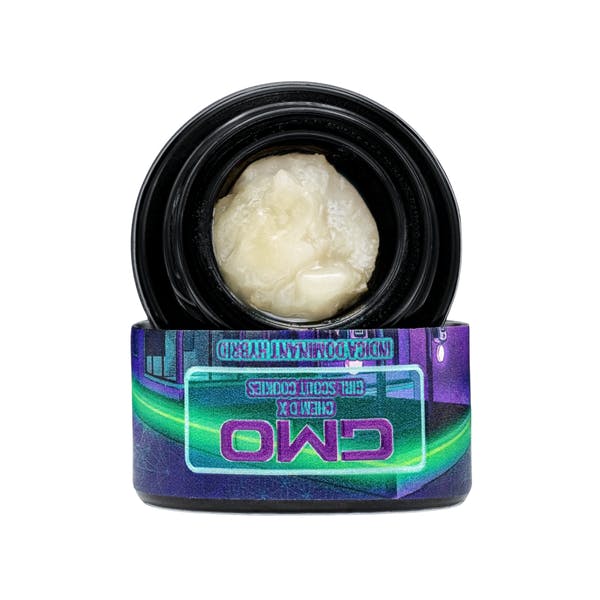
On sale· 20% OFF
THC 70.7%Indica-Hybrid
UmamiiUmamii | Live Rosin Jar | GMO · 2g
$80.00$100.00
$93after tax

weeddispensarynearme.com
You must be 21 years or older to enter. By entering, you confirm you’re of legal age in your state to purchase cannabis.
For use only by adults 21+ • Keep out of reach of children
Clinton Hill's thoughtful, design-literate residents — the Pratt students sketching in Washington Park, the architects commuting along DeKalb Avenue, the long-tenured Brooklynites who remember when Myrtle Avenue was a different kind of strip — deserve a concentrate that matches their standard. Rosin, extracted without solvents and prized for its full-spectrum complexity, is precisely that product.
About Rosin
Rosin occupies a singular position in the New York licensed cannabis market. Unlike hydrocarbon extracts — butane hash oil, propane-pulled wax — rosin is produced exclusively through applied heat and pressure, yielding a concentrate that carries the complete biochemical fingerprint of the original flower or hash. No residual solvents, no post-processing with chemical agents: the result is a product that connoisseurs and casual consumers alike can approach with confidence, knowing that what reaches the press is exactly what reaches the jar. New York's Office of Cannabis Management requires all licensed concentrates to pass stringent testing for pesticides, heavy metals, microbials, and residual solvents before they reach retail shelves — a framework that matters especially with rosin, since solvent-free extraction puts the quality of the source material front and center. What you taste and feel is a direct reflection of the cultivar, the grow environment, and the skill of the extraction team. There is nowhere to hide inferior inputs. Within the rosin category, New York shoppers will encounter several distinct formats. Fresh-press rosin retains the highest moisture content and is typically consumed within weeks of extraction; it offers the most vivid terpene expression, often resembling wet sand or a loose batter. Cured rosin begins with dried and cured flower and produces a more stable consistency — often a badder or sugar texture — that stores well and suits consumers who prefer a steadier, sessionable profile. Hash rosin, made from bubble hash or dry-sift rather than raw flower, represents the premium tier: the additional concentration step removes plant lipids and fats, producing a cleaner, more translucent product with exceptional flavor retention and a pronounced entourage effect. For adult-use consumers in Kings County who are new to concentrates, the guidance is simply to start low and go slow: rosin is meaningfully more potent by volume than flower, and a measured, patient approach allows the full terpene and cannabinoid profile to be appreciated rather than overwhelmed by it.
Rosin for Clinton Hill shoppers
Clinton Hill occupies the northwestern corner of Kings County with a ZIP code split — 11205 hugs the Pratt campus and the brownstone corridors of Clinton Avenue, while 11238 extends southeast toward Grand Army Plaza and the Fort Greene border. The neighborhood's identity is built on craft and intention: this is a community where the provenance of an espresso bean or the grain of a hardwood floor genuinely matters to the people who encounter it. That sensibility translates naturally to rosin, a product category in which process transparency and ingredient integrity are the primary selling points. Myrtle Avenue, the neighborhood's main commercial artery, threads through a mix of independent studios, ceramics workshops, and the occasional gallery pop-up — a streetscape that rewards slow, deliberate consumption rather than convenience-store-mentality purchases. The Pratt Institute campus, anchored between Hall Street and Ryerson Street, draws a graduate and faculty population that skews toward considered leisure: an evening session on a rooftop overlooking the Manhattan skyline, or a quiet wind-down in one of the tree-shaded garden apartments that line Waverly and Washington Avenues. Climatically, Clinton Hill's brownstone density creates a genuine four-season experience. In the winter months, when Atlantic wind funnels down DeKalb Avenue and the neighborhood retreats indoors, a warm, cured hash rosin in a portable device offers a refined at-home ritual. Come summer, when garden parties return to the backyards off Clinton Avenue and Pratt's lawns fill with students and visitors, a lighter, terpenically bright fresh-press rosin — vaporized rather than combusted — suits the open-air social mood without imposing on neighbors. The neighborhood's strong creative culture also means that many residents already have a vocabulary for evaluating quality; they simply need a reliable, legal source to meet them at that level.
What to look for
Evaluating rosin begins with understanding terpenes, since the solvent-free process preserves them better than almost any other extraction method. Myrcene, which delivers earthy, herbal warmth, tends to produce a more physically relaxing experience and pairs well with the quieter, studio-hours side of Clinton Hill life. Limonene and terpinolene, which read as citrus and floral respectively, offer a brighter, more socially oriented character — relevant for the neighborhood's active gallery and dinner-party circuit. Caryophyllene contributes a peppery, grounding note and is often associated with a more mentally clear effect profile. When examining product labeling at a licensed New York retailer, looking for total terpene percentages above two percent is a reasonable indicator of a well-preserved extraction. THC potency in rosin typically runs between 65 and 85 percent, though hash rosin from premium inputs can push higher. For consumers accustomed to flower — where 20 to 25 percent THC is considered strong — this represents a significant step up, and portion size should be adjusted accordingly. A rice-grain-sized amount is a standard starting reference for experienced flower consumers trying rosin for the first time. Start low, go slow: the full effect of a vaporized concentrate may take five to ten minutes to manifest. Format matters practically for Clinton Hill's commuter population. Those taking the C train from Clinton-Washington or the G train from Fulton Street benefit from a closed-loop vaporizer cartridge — less mess, discreet, easy to transport. Residents who work from home in the neighborhood's converted-warehouse lofts or Pratt-adjacent studios may prefer a dedicated dab device or a standalone rosin jar used with a battery-powered e-rig, which offers temperature control and the fullest terpene expression. For both audiences, licensed New York retailers provide lab-tested, properly labeled products that remove the guesswork from sourcing.
Why ZenZest for rosin in Clinton Hill
ZenZest Cannabis Dispensary operates its Staten Island location at 2343 Forest Ave, Staten Island, NY 10303 — approximately 10.7 miles from the center of Clinton Hill. For residents of 11205 and 11238 who prefer the ease of delivery over a cross-borough trip, ZenZest extends free same-day delivery on all orders exceeding $100 to more than 80 eligible New York ZIP codes, covering both Clinton Hill ZIP codes among them. The selection spans the full rosin category — fresh-press, cured, and hash rosin from New York State licensed cultivators and extraction teams — with staff prepared to discuss terpene profiles, texture differences, and appropriate consumption formats. What distinguishes ZenZest within the licensed New York market is an editorial approach to curation: the roster rotates to reflect what is genuinely performing well in each product category, rather than defaulting to a static shelf. For Clinton Hill consumers who have spent years developing a discerning palate — for coffee, for wine, for craft beer — that kind of intentional buying translates directly into a concentrate selection worth exploring. Orders can be placed online and fulfilled the same day, arriving in compliant, discreet packaging appropriate for the neighborhood's apartment buildings and brownstone stoops.
ZenZest Staten Island · 2343 Forest Ave, Staten Island, NY 10303 · 10.7 miles from Clinton Hill.
$93after tax
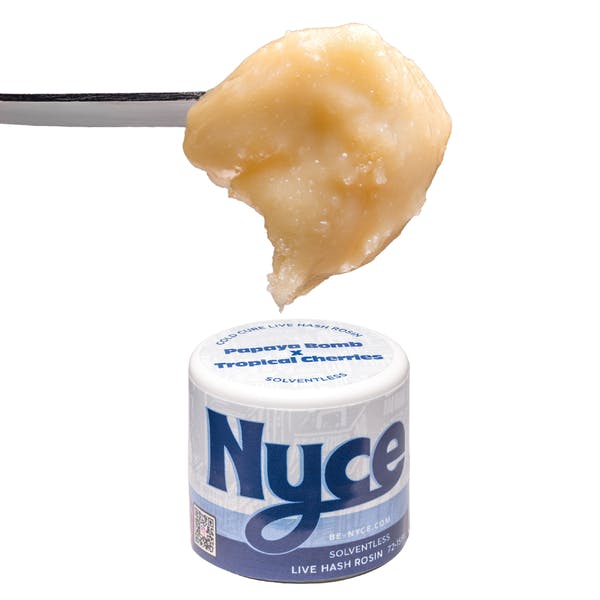
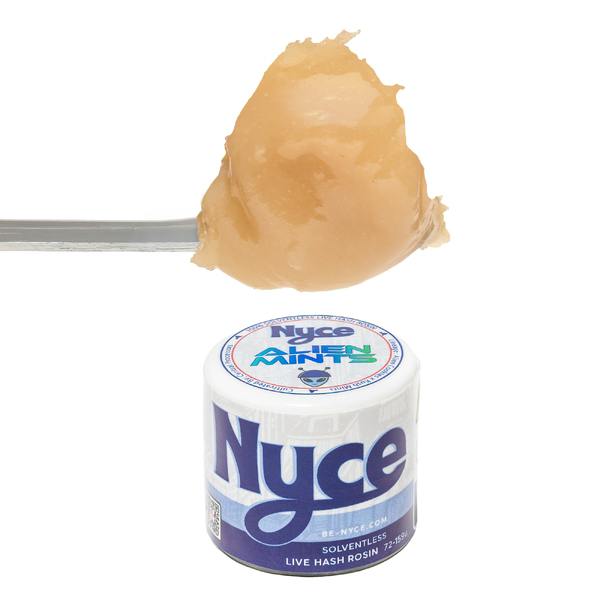
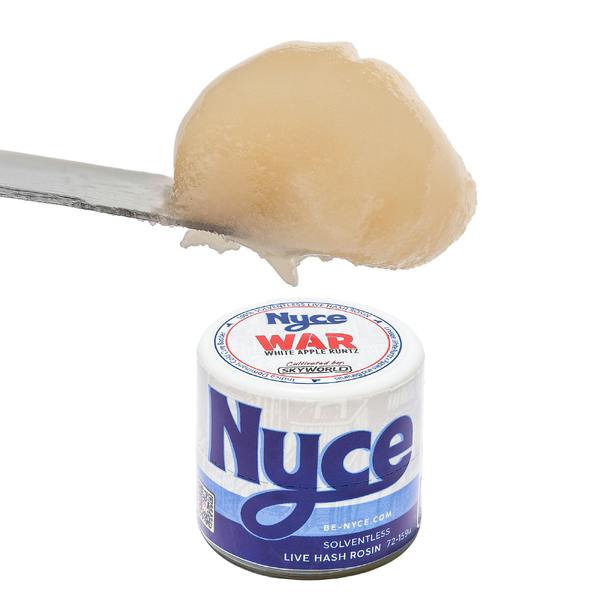
Rosin is produced without chemical solvents — heat and pressure are the only inputs. Most other concentrates, including BHO wax or distillate, use hydrocarbons or ethanol during extraction and require post-processing to purge residual chemicals. Because rosin skips that step entirely, the terpene and cannabinoid profile of the source material is preserved more completely. For Clinton Hill consumers who value ingredient transparency — the same instinct that drives interest in single-origin coffee or natural wine — that process distinction carries real meaning.
Hash rosin adds an extra concentration step before the press: ice water extraction or dry-sifting removes a significant portion of plant lipids and chlorophyll, leaving primarily trichome heads. The result is a cleaner, more translucent product with elevated terpene fidelity and a noticeably smoother vapor. For Clinton Hill residents accustomed to paying a premium for craft quality — at the table, in the glass, or in the studio — hash rosin represents a defensible investment. For casual consumers still exploring concentrates, a quality flower rosin is a highly capable and more accessible starting point.
Rosin is sensitive to heat and humidity, both of which are common in Clinton Hill's older brownstone and apartment stock during July and August. Airtight silicone or glass jars kept in a cool, dark location — a drawer, a cabinet away from the stove, or a small dedicated container in the refrigerator — are the standard recommendations. Refrigeration extends shelf life and terpene retention noticeably. Allow refrigerated rosin to return to room temperature before opening the jar to prevent unwanted condensation from degrading the consistency.
Most rosin is too viscous and variable in texture to function reliably in a standard 510-thread oil cartridge, which is engineered for liquid distillate. Consuming rosin typically requires either an e-rig (an electronic dab device with precise temperature control), a traditional dab rig with a torch, or a purpose-built rosin vaporizer. For Clinton Hill commuters who want portability without the complexity of a full rig setup, some licensed New York brands now offer rosin-filled pods compatible with specific closed-loop devices — worth asking about at your dispensary.
For the creative-focus occasions common in Clinton Hill — whether that is a long drawing session at Pratt, an afternoon writing block, or an evening in a home studio — terpenes associated with clear-headed, uplifting effects are worth prioritizing. Limonene, terpinolene, and ocimene tend to produce lighter, more mentally engaged profiles. Pinene is associated with alertness and is sometimes noted for counteracting short-term memory effects. Cross-referencing terpene data on a licensed product's lab certificate of analysis gives you a more reliable signal than strain name alone.
Rosin typically ranges from 65 to 85 percent total THC, which is substantially higher than even the strongest licensed flower. For a first-time concentrate consumer in Clinton Hill's adult-use market, seeking a product in the lower half of that range — paired with a rich terpene profile — is generally advisable. Starting with a very small amount, equivalent roughly to a grain of rice, and waiting a full ten minutes before considering an additional portion allows you to gauge your individual response without overcorrecting. Licensed dispensaries in New York are required to provide lab data that supports this kind of informed decision.
Yes. ZenZest Cannabis Dispensary offers free same-day delivery on orders over $100 across more than 80 eligible New York ZIP codes, and both 11205 and 11238 fall within that delivery footprint. Orders are placed online and fulfilled on the same business day in compliant, discreet packaging. For Clinton Hill residents who prefer not to make the trip to the Staten Island location at 2343 Forest Ave, delivery is a practical alternative that brings a curated rosin selection directly to your door.
New York licensed cannabis products carry certificates of analysis from accredited third-party laboratories. For rosin, the most relevant sections are total cannabinoids (confirming potency), total terpenes (indicating flavor and effect character), residual solvents (which should show non-detected for a true rosin), and pesticide or heavy metal screening. A reputable licensed retailer will either display this data on the label or make it accessible via QR code. For Clinton Hill consumers who habitually read ingredient labels and nutrition panels, a CoA is simply the cannabis category's equivalent.
Live rosin is pressed from fresh-frozen plant material, capturing a terpene profile that reflects the living plant before any drying or curing alters the chemistry. The result is typically more volatile, more vivid, and shorter-lived — best consumed within a few weeks of production and stored carefully. Cured rosin starts with dried and cured flower, producing a more stable badder or sugar texture that holds its quality over a longer period. For Clinton Hill residents who purchase concentrates occasionally rather than daily, a cured rosin often offers a more forgiving shelf-life window without meaningful sacrifice in quality.
For the neighborhood's more social contexts — a dinner gathering in one of the Waverly Avenue garden apartments, a rooftop evening overlooking the Manhattan skyline — a rosin-compatible portable vaporizer offers discretion and ease of sharing without the setup complexity of a full dab rig. For solo, at-home sessions where full terpene expression is the priority, an e-rig with adjustable temperature settings — typically 450 to 550 degrees Fahrenheit for rosin — delivers a more complete sensory experience. Both formats are well served by licensed New York rosin products that carry full CoA transparency.
Pick your store
We'll show pricing, deals, and delivery zones for the store you pick. You can switch any time from the header.