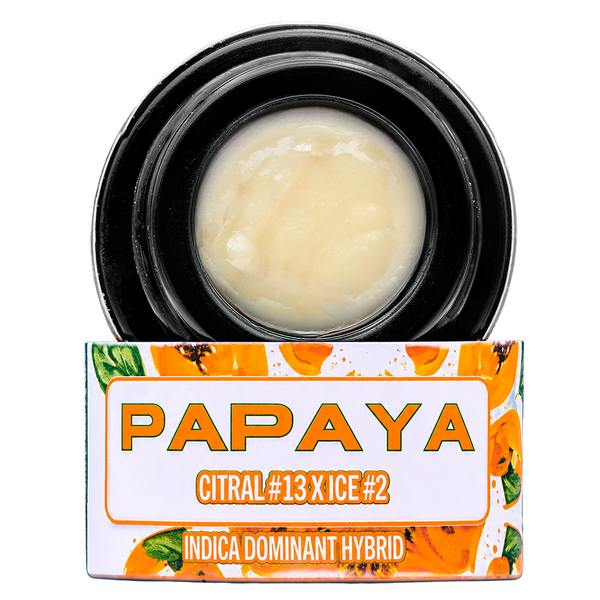
On sale· 20% OFF
THC 81.28%·CBD 0.26%Indica-Hybrid
UmamiiUmamii | Live Rosin Jar | Papaya · 2g
$80.70$100.88
$94after tax

weeddispensarynearme.com
You must be 21 years or older to enter. By entering, you confirm you’re of legal age in your state to purchase cannabis.
For use only by adults 21+ • Keep out of reach of children
Carroll Gardens, with its sun-dappled brownstone blocks and the unhurried rhythm of Court Street and Smith Street, has become one of Brooklyn's most discerning neighborhoods for adult-use cannabis. Among the concentrates drawing attention in this ZIP code, rosin stands apart — a solventless, small-batch extract that mirrors the neighborhood's preference for craft quality and transparent process over mass-market convenience.
About Rosin
Rosin occupies a singular position in New York's licensed adult-use concentrate market. Unlike hydrocarbon extracts that rely on butane or propane, rosin is produced entirely through heat and pressure applied directly to cannabis flower, hash, or kief. The result is a full-spectrum oil that retains a broad range of cannabinoids, terpenes, and minor compounds in proportions that closely reflect the source material — a quality that resonates strongly with consumers who want to understand exactly what they are inhaling. New York's Office of Cannabis Management licenses rosin production under strict manufacturing standards, meaning every gram sold at a legal dispensary has undergone third-party testing for potency, residual solvents, pesticides, and microbials. For a product category whose core identity is purity, that regulatory infrastructure actually becomes a selling point: licensed rosin is verifiably clean in a way that gray-market material cannot be. Formats matter in this category. Fresh-press rosin is processed and packaged within a short window of harvest, preserving volatile terpene profiles that can approach the aromatic complexity of live resin. Cured rosin, made from dried and cured flower, tends toward a more stable consistency — often a badder or butter texture — and a slightly more refined flavor. Cold-cure rosin sits between the two, retaining substantial terpene richness while achieving a creamy, workable consistency that many consumers prefer for ease of use. Potency in rosin typically runs from the mid-50s to the low-80s percent total THC by weight, depending on the starting material and pressing technique. Because the extraction preserves the entourage of minor cannabinoids and terpenes alongside THC, many consumers report that the experience feels more balanced than comparably potent distillate products — though individual responses vary, and anyone new to concentrates should follow standard start-low, go-slow guidance.
Rosin for Carroll Gardens shoppers
Carroll Gardens occupies the northwestern corner of Kings County at ZIP 11231, a neighborhood whose identity is built around craft, provenance, and a certain quiet pride in knowing where things come from. The same sensibility that fills Smith Street wine bars with natural-wine conversations and sends Court Street shoppers toward single-origin coffee translates directly to cannabis concentrate preferences. Rosin, as the extract category most analogous to natural winemaking — minimal intervention, expressive terroir, nothing added — lands with particular resonance here. The neighborhood's demographics skew toward working professionals in their late twenties through forties, many of them commuting into Manhattan via the F and G trains at Carroll Street or Smith-9th Streets. Evening wind-down occasions are common, and so is the desire for a product that can be measured precisely and consumed discreetly at home without the lingering aroma that flower produces. A small dab of fresh-press rosin, consumed through a clean rig or a quality portable vaporizer, fits that use profile cleanly. Seasonality also plays a role along these brownstone blocks. Brooklyn winters along the waterfront corridor near the Gowanus Canal can be raw and wind-driven, making the warm, settling effect of an indica-leaning rosin on a January evening a genuinely appealing prospect. Summer, when stoops fill and the neighborhood's communal outdoor life peaks, tends to favor lighter, terpene-forward sativa-leaning presses that complement rather than overwhelm the social atmosphere. Rosin's diversity of cultivar options accommodates both calendars without compromise.
What to look for
When evaluating rosin in a licensed New York dispensary, the certificate of analysis is your first reference point. Look for total terpene percentage alongside THC: a rosin listing 3–6 percent total terpenes is considered well-preserved; anything above that suggests a particularly expressive starting material or a careful cold-cure. The specific terpenes listed matter as much as the total. Myrcene and linalool tend toward relaxation; limonene and terpinolene lean energetic and uplifting; caryophyllene adds a spiced depth and interacts with CB2 receptors in ways that some consumers associate with reduced tension. Consistency tells you something about process. A true fresh-press will often appear as a translucent, slightly amber sap or a soft pull-and-snap. Cold-cure rosin takes on a matte, creamy badder texture as it slowly converts at low temperatures over days. Sauce-and-crystal rosin separates into THCA diamonds suspended in terpene-rich sauce — a format prized for flavor but requiring a bit more handling skill. For Carroll Gardens shoppers who are newer to concentrates, a stable cold-cure badder is typically the most forgiving format: it portions easily, holds well at room temperature for reasonable periods, and delivers flavor without requiring the higher temperatures that can degrade delicate terpene compounds. For THC potency, rosin made from premium indoor flower or ice-water hash tends to sit between 65 and 78 percent total THC — meaningful potency that rewards moderation. Start with a portion no larger than a grain of rice if you are new to the category, allow fifteen minutes to assess the effect before deciding whether to consume more, and store your product in its sealed container away from direct light and heat to preserve the terpene profile you paid for.
Why ZenZest for rosin in Carroll Gardens
ZenZest Cannabis Dispensary serves the Carroll Gardens community through its Staten Island location at 2343 Forest Ave, Staten Island, NY 10303 — approximately 9.0 miles from the neighborhood's heart. The store carries a curated selection of New York–licensed rosin products across multiple formats, including fresh-press, cold-cure, and hash rosin, with staff who can walk customers through certificates of analysis and help identify the terpene profiles best suited to a given occasion or preference. The drive across the Verrazzano-Narrows Bridge is straightforward, and the store experience reflects the same premium, unhurried service that Carroll Gardens residents expect from the establishments they frequent on Court Street and Smith Street. For those who prefer not to make the trip, ZenZest offers free same-day delivery on orders over one hundred dollars to more than eighty New York ZIP codes, including 11231. Orders can be placed through the ZenZest platform and arrive at your brownstone door without the transit time — a practical option for weeknight restocking or for exploring a new rosin cultivar before committing to a return visit. Delivery orders receive the same product selection and documentation available in-store.
ZenZest Staten Island · 2343 Forest Ave, Staten Island, NY 10303 · 9 miles from Carroll Gardens.
$94after tax
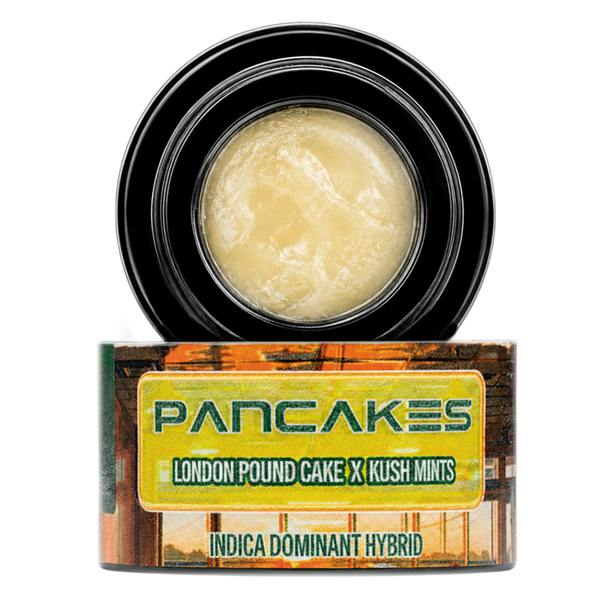
$99after tax

$99after tax
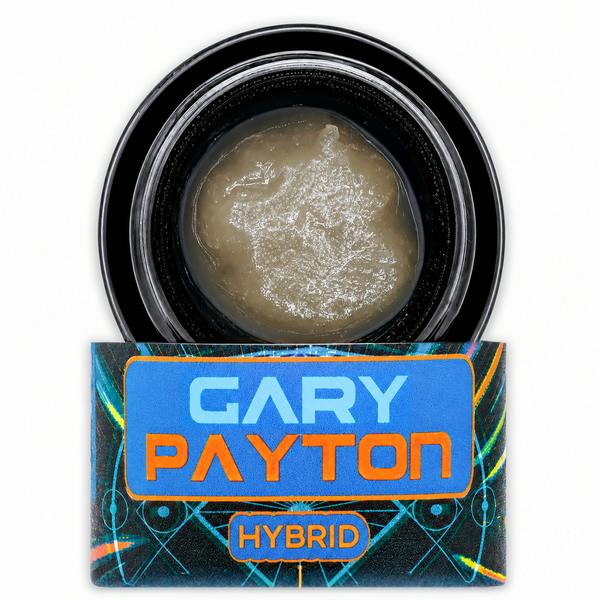
$93after tax
Rosin is a solventless extract, meaning no chemical solvents are introduced during production. Heat and pressure are applied to cannabis flower or hash, causing the resin glands to release a full-spectrum oil that retains cannabinoids, terpenes, and minor compounds without chemical residue. In New York's licensed market, all concentrates undergo third-party testing, but rosin's solventless nature means there are no residual solvents to test for — a meaningful distinction for consumers who prioritize process transparency.
Rosin is generally one of the more discreet concentrate formats available. Consumed through a portable electronic dab device or concentrate-compatible vaporizer, it produces vapor rather than smoke, with a significantly reduced aroma footprint compared to combusted flower. The vapor dissipates quickly and does not cling to soft furnishings the way smoke does. For Carroll Gardens residents in close-proximity brownstone apartments or buildings with shared spaces, this characteristic is a practical advantage.
For a sociable, convivial occasion, terpene profiles leaning toward limonene, terpinolene, or ocimene tend to produce more uplifting, conversational effects that complement an active social environment. These are commonly found in sativa-leaning cultivars. Check the certificate of analysis for a total terpene percentage above 3 percent, which typically indicates a well-preserved, aromatic product. Avoid profiles dominated by myrcene or linalool for these occasions, as those terpenes are more associated with sedation and relaxation.
Rosin is sensitive to heat, light, and humidity. Store it in its original sealed container — ideally glass or silicone — in a cool, dark location such as a drawer or cabinet away from kitchen heat. In humid summer conditions along the Carroll Gardens waterfront corridor, some consumers prefer to keep rosin in the refrigerator in an airtight container, allowing it to return to room temperature before opening to prevent condensation. Avoid freezing unless you are storing for an extended period, as repeated freeze-thaw cycles can degrade terpene content.
The most common methods are a traditional dab rig with a quartz banger heated by a torch, an e-nail or electronic dab device that maintains a precise temperature, or a concentrate-compatible portable vaporizer. For beginners in the Carroll Gardens area who are new to concentrates, an electronic device with adjustable temperature settings is recommended — lower temperatures (in the 450–550°F range) preserve terpene flavor, while higher temperatures increase vapor volume. Portable devices also offer the discretion that many brownstone-block residents prefer.
Fresh-press rosin is packaged shortly after pressing and retains a sap-like or pull-and-snap consistency with a bright, volatile terpene profile. Cold-cure rosin undergoes a slow, low-temperature resting process post-press, converting to a creamy badder texture with a slightly more settled flavor. In New York's current licensed market, cold-cure badder is more widely distributed due to its stability and shelf life. Fresh-press is available but often at a premium and in smaller batch quantities. Both are excellent; the choice often comes down to texture preference and handling comfort.
Hash rosin is produced by pressing ice-water hash — itself an intermediate concentrate made by agitating fresh or dried cannabis in ice water to separate trichome heads — rather than pressing whole flower directly. Because the starting material is already more refined, hash rosin typically achieves higher terpene retention, greater clarity, and a purer flavor profile. It is generally priced above flower rosin and is considered the premium tier within the category. Flower rosin remains an accessible, high-quality option that represents the category's approachable entry point.
Yes. Carroll Gardens' ZIP code, 11231, falls within the delivery coverage area served by ZenZest Cannabis Dispensary. Orders exceeding one hundred dollars qualify for free same-day delivery. Rosin is available through the delivery platform alongside other licensed concentrate formats. Delivery operates within New York State adult-use regulations, requiring age verification at the door. Placing an order on the ZenZest platform allows you to review available cultivars and their associated certificates of analysis before purchase.
Licensed rosin in New York typically ranges from approximately 55 to 82 percent total THC by weight, depending on the starting material and production method. Premium hash rosin tends to cluster at the higher end of that range. By comparison, whole flower products generally test between 18 and 32 percent total THC. This means rosin is roughly two to four times more potent by weight than flower, which is why start-low, go-slow guidance is particularly important for consumers transitioning from flower to concentrates for the first time.
Yes. All cannabis concentrate products sold through New York's licensed adult-use market, including rosin, must pass state-mandated third-party laboratory testing covering potency, residual solvents, pesticides, heavy metals, and microbial contaminants before they can be sold to consumers. Certificates of analysis for each batch are required to accompany the product through the supply chain and are available for consumer review at the point of sale. This regulatory framework applies uniformly to licensed dispensaries across the five boroughs and surrounding counties.
Pick your store
We'll show pricing, deals, and delivery zones for the store you pick. You can switch any time from the header.