On sale· 20% OFF
THC 70.7%Indica-Hybrid
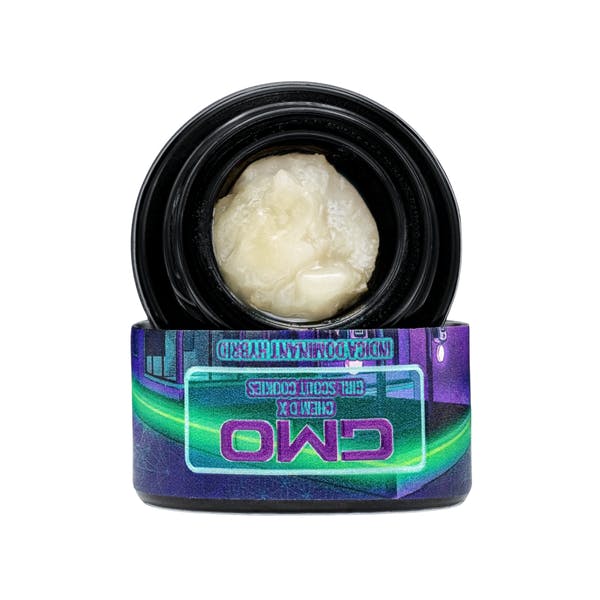
UmamiiUmamii | Live Rosin Jar | GMO · 2g
$80.00$100.00
$93after tax

weeddispensarynearme.com
You must be 21 years or older to enter. By entering, you confirm you’re of legal age in your state to purchase cannabis.
For use only by adults 21+ • Keep out of reach of children
Carroll Gardens, Brooklyn's most quietly considered neighborhood, has long rewarded those who know what to look for — whether that means a perfect red-sauce table on Smith Street or a concentrate that performs with the same precision its brownstone blocks suggest. For adults 21 and older who prefer cannabis in its most refined, potency-forward formats, this ZIP 11231 guide covers everything worth knowing.
About Concentrates
Concentrates represent the most technically sophisticated corner of the licensed New York cannabis market. Produced by extracting cannabinoids and terpenes from the flower using methods that range from hydrocarbon and CO₂ processing to solventless techniques like ice-water hash and rosin pressing, concentrates deliver a profile that is simultaneously more potent and — paradoxically — often more nuanced than traditional flower. Because the extraction process strips away plant material and concentrates the active compounds, a single small dose can carry THC levels anywhere from 60 percent to well above 90 percent depending on the product type and producer. For that reason, responsible adult-use guidance consistently emphasizes starting with a very small amount and allowing adequate time before re-dosing. New York's licensed dispensary ecosystem has matured considerably since adult-use sales launched, and consumers in Kings County now have access to a genuine range of legally tested concentrate formats. Live resin captures the terpene profile of freshly frozen cannabis, producing an aromatic and flavorful experience that many connoisseurs prefer. Badder and budder, whipped to a soft, workable consistency, are approachable for those newer to the category. Diamonds — THCA crystalline structures suspended in terpene-rich sauce — represent the premium end of the spectrum and reward consumers who prioritize both potency and flavour complexity. Shatter, once the dominant format, has ceded ground to these more terpene-forward options, though it remains available and valued for its stability. Because concentrates are consumed in smaller volumes, quality of sourcing matters enormously. Products bearing certificates of analysis from accredited third-party laboratories confirm potency, residual solvent levels, and pesticide screens — details that reputable New York licensees make available at point of sale or on their websites. Shoppers should ask for these documents as a matter of routine; any licensed retailer operating under NYSOCB oversight is expected to have them on hand.
Concentrates for Carroll Gardens shoppers
Carroll Gardens occupies a particular register in Brooklyn's social geography. The brownstone row houses along Kane Street, Degraw Street, and the President Street corridor suggest a neighbourhood that values craft and permanence over novelty. Court Street serves as the main commercial artery, home to independent wine shops, carefully edited coffee bars, and restaurants where the menu changes with the season. Smith Street, once Brooklyn's first restaurant row, retains an effortless walkability that makes an early evening stroll feel like an occasion in itself. The residents who populate these blocks tend to be deliberate consumers — people who read labels, ask questions, and have strong opinions about provenance. Concentrates fit naturally into this sensibility. The format rewards attentiveness: a small amount of live rosin or a well-selected sauce-and-diamonds product offers a complexity that invites the same considered appreciation residents might bring to a natural-wine selection or a single-origin espresso. For the professional who commutes into lower Manhattan via the F or G train at Carroll Street station and returns home in the evening to a well-furnished parlor floor, concentrates also offer a practical advantage — a compact, low-odor dab or a precisely sized portion from a concentrate-filled vaporizer is contained, manageable, and leaves no lingering scent on furnishings or clothing. Seasonality is worth considering in 11231. Brooklyn winters arrive firmly by January, and the brownstone blocks, while beautiful, channel cold wind off the Gowanus Canal. A concentrate that can be enjoyed indoors in a warm, quiet setting suits the neighbourhood's colder months particularly well. Summer, by contrast, brings the Carroll Gardens park crowds and the kind of extended outdoor evenings on garden stoops that make a lighter, more aromatic live resin an appealing complement.
What to look for
Selecting a concentrate in a market as varied as New York's licensed dispensary landscape begins with understanding format trade-offs. Solvent-based concentrates — live resin, distillate, shatter — are widely available and typically accessible in price. Solventless products, including ice-water hash, hash rosin, and live rosin, command a premium because the production process is labor-intensive and yield is lower; in return, these products often preserve a fuller, more complex terpene profile with no residual solvent concerns. For Carroll Gardens shoppers who approach cannabis with the same discernment they apply to other craft consumables, solventless formats are frequently the more satisfying long-term choice. Terpenes deserve close attention regardless of format. Myrcene contributes an earthy, herbal quality and is associated with a more grounding experience; limonene brings citrus brightness that many consumers find conducive to social or creative settings, which might suit a Smith Street dinner-party context well. Caryophyllene, a spicy, peppery terpene that interacts with the endocannabinoid system via CB2 receptors, appears frequently in well-regarded hybrid and indica-leaning concentrates. When reviewing a product's lab report, the terpene panel is as informative as the THC percentage — two concentrates with identical potency numbers can produce substantially different experiences based on their terpene composition. On potency: most quality concentrates will test between 70 and 90 percent total cannabinoids. For consumers accustomed to flower, this represents a significant step up, and the standard guidance applies here firmly — start low, go slow, and resist the instinct to re-dose quickly. Dabbing equipment (a rig, banger, and torch, or an electronic nail) provides the most controlled concentrate experience and is worth the initial investment for regular users. Concentrate-compatible portable vaporizers offer a discreet and travel-friendly alternative well suited to a neighbourhood where low-profile consumption is a social norm.
Why ZenZest for concentrates in Carroll Gardens
For Carroll Gardens residents seeking licensed, lab-tested concentrates, ZenZest Cannabis Dispensary's Staten Island location at 2343 Forest Ave, Staten Island, NY 10303 is the nearest ZenZest store, approximately 9.0 miles from the heart of the neighborhood. ZenZest operates as a curated, premium-oriented dispensary, which means the concentrate selection on the floor reflects the same editorial standards that Carroll Gardens shoppers tend to bring to every other category of specialty retail. Staff are knowledgeable about terpene profiles, solvent versus solventless production methods, and the specific producers whose work appears in the current inventory. For those who prefer not to make the trip, ZenZest offers free same-day delivery on orders over $100 to more than 80 New York ZIP codes, with 11231 included in the delivery footprint. This makes it straightforward to browse the concentrate menu, review available lab documentation, and have product arrive at a Carroll Gardens address the same day — a practical arrangement for a neighborhood where a pleasant evening at home is often the preferred occasion for this category.
ZenZest Staten Island · 2343 Forest Ave, Staten Island, NY 10303 · 9 miles from Carroll Gardens.
$93after tax
$35after tax
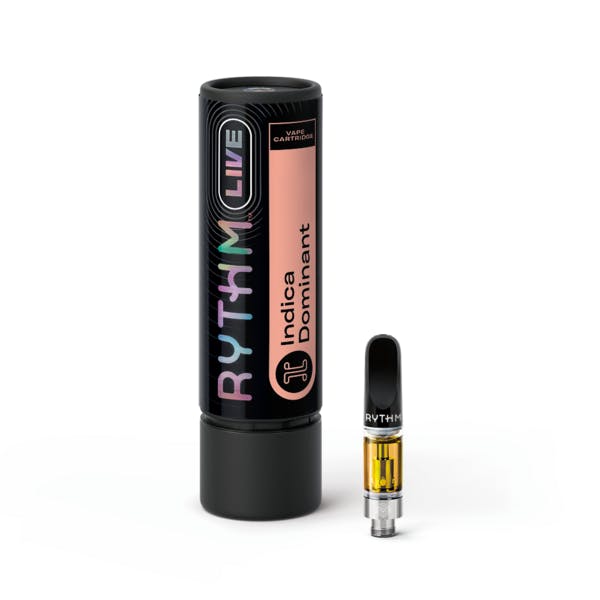
$84after tax
$35after tax
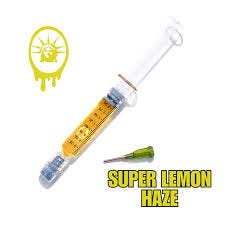
$60after tax
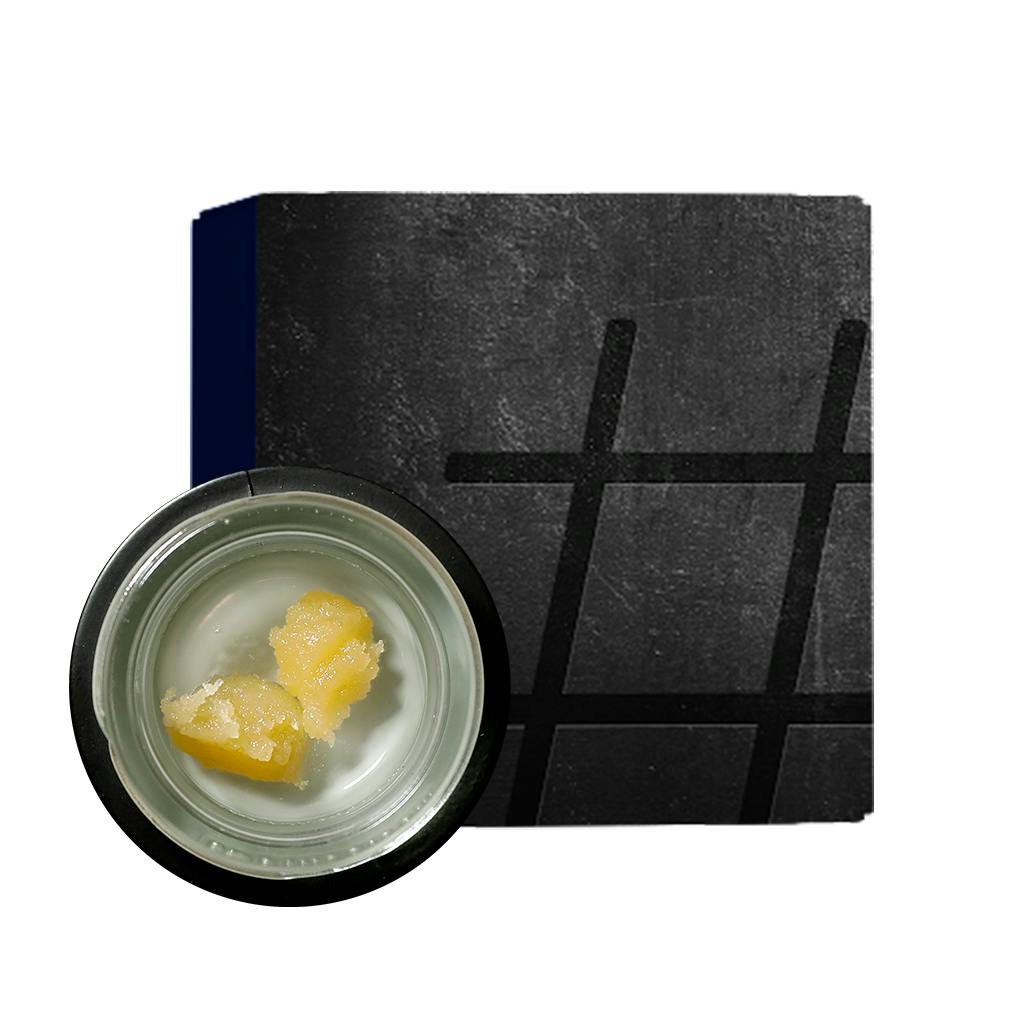
Licensed New York dispensaries typically carry a range that includes live resin, live rosin, hash rosin, distillate, badder, budder, sugar wax, shatter, and THCA diamonds in sauce. The solventless segment — rosin and ice-water hash — has grown considerably as New York cultivators and processors have invested in premium production. Shoppers in 11231 can expect the licensed market to reflect this trend, with solventless options appearing alongside more conventional solvent-based formats on most well-curated menus.
Live resin is produced using hydrocarbon solvents on freshly frozen cannabis, yielding a highly aromatic product at a moderate price point. Live rosin skips solvents entirely, using heat and pressure to extract resin from fresh-frozen material or bubble hash. Rosin typically commands a higher price but carries no residual solvent concerns and often presents a fuller, more complex terpene profile. For the Carroll Gardens consumer who already navigates craft food and beverage with confidence, live rosin's additional nuance is usually worth the premium.
The most common setup is a dab rig — a water pipe designed for concentrates — paired with a quartz banger and a torch. Electronic nails (e-nails) and all-in-one electronic rigs like the Puffco Peak remove the open-flame element and allow precise temperature control, which many users prefer for preserving terpene profiles. Concentrate-compatible dry-herb vaporizers with dedicated concentrate inserts offer a more compact alternative. All of this equipment is used with legal, licensed product, and proper ventilation in a private residence is always advisable.
Yes, concentrates are substantially more potent than flower by volume. Most tested concentrates range from 70 to over 90 percent total cannabinoids, compared to flower that typically tests between 15 and 30 percent. For adults who are new to the format or who primarily consume flower, the consistent guidance is to start with a very small amount — far less than feels intuitive — and allow at least 15 to 20 minutes before considering any further dose. There is no medical advice implied here; the principle is simply that the experience scales quickly with this category.
Terpenes are the aromatic compounds responsible for the distinctive scent and flavor of cannabis, and they interact with cannabinoids in ways that influence the overall character of the experience. Myrcene tends toward earthy, relaxing profiles; limonene skews bright and uplifting; caryophyllene has a spicy, grounding quality; pinene is sharp and clarifying. A concentrate's terpene panel, available on its lab certificate, is as useful as its THC number. Shoppers who approach flavor the way they approach wine or specialty coffee will find terpene-forward live rosin and fresh-press products particularly rewarding.
Concentrate consumption produces significantly less lingering odor than flower combustion. A dab or a concentrate vaporizer session in a ventilated space leaves a much lighter olfactory trace than smoking, which makes it a preferred format for brownstone and co-op residents who share walls or stairwells with neighbors. That said, proper ventilation — an open window or a small exhaust fan — remains advisable, and discreet consumption in private spaces is always the appropriate approach under New York adult-use guidelines.
A legitimate certificate of analysis from an accredited third-party laboratory will confirm total THC and CBD potency, the terpene panel, and the results of pesticide and residual solvent screenings. For solventless products, residual solvent results should show non-detectable levels across the board. Pesticide panels should similarly return clean results. Potency figures should be expressed as percentages of total cannabinoids. Any licensed New York retailer is expected to make these documents accessible, and requesting one before purchasing is an entirely reasonable and encouraged practice.
Yes. ZenZest Cannabis Dispensary offers free same-day delivery on orders exceeding $100 to more than 80 New York ZIP codes, and 11231 falls within that delivery footprint. This allows Carroll Gardens residents to browse the current concentrate menu, review lab documentation online, and receive licensed, tested product at their door the same day the order is placed — a convenient option for those who prefer to shop from home rather than travel to the nearest physical location.
Hash rosin is a solventless product made by pressing bubble hash under controlled heat and pressure; it retains the full terpene and cannabinoid complexity of the source material and is considered a premium, artisanal format. Distillate is a highly refined oil produced through fractional distillation that typically results in very high THC purity but minimal terpene presence in its base form — terpenes are often reintroduced afterward. Distillate is commonly used in vape cartridges and is valued for consistency and potency. Rosin rewards those who prioritize flavor and full-spectrum complexity; distillate suits those who want reliability and ease of use.
Cannabis concentrates are sensitive to heat, light, and air exposure. In a Brooklyn apartment — particularly during the warmer months when Carroll Gardens garden apartments can retain significant heat — concentrates should be stored in airtight, opaque containers kept in a cool, dark location such as a drawer or cabinet away from windows. Many consumers use small silicone or glass jars designed for the purpose. Refrigeration is an option for longer-term storage of rosin and live resin, though the product should be allowed to return to room temperature before use to avoid condensation affecting the texture.
Pick your store
We'll show pricing, deals, and delivery zones for the store you pick. You can switch any time from the header.