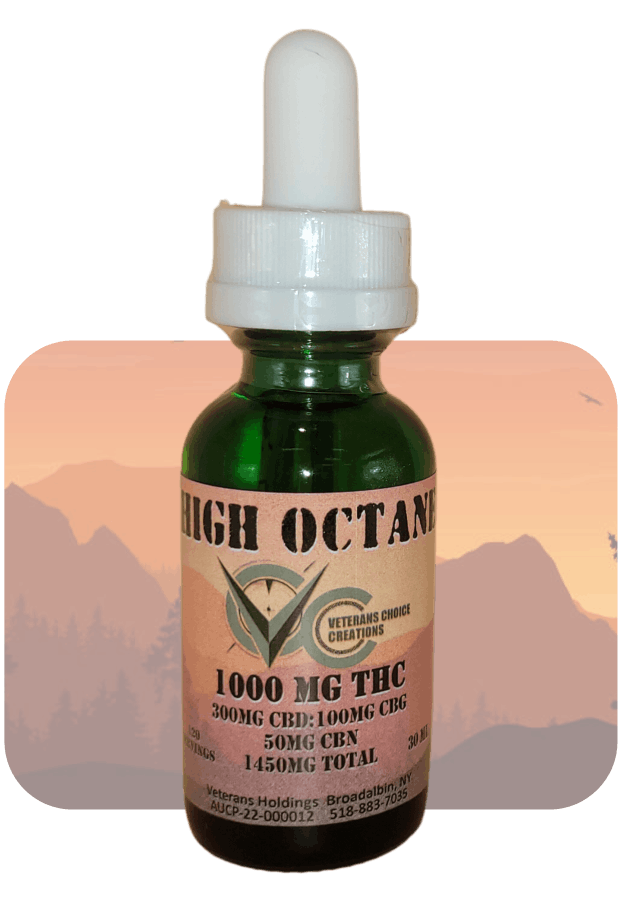
THC 4.41%·CBD 1.58%Hybrid
Veteran's Choice CreationsVETERANS CHOICE CREATIONS | 30ML | TINCTURE | HIGH OCTANE · .1g
$53.10
$60after tax

weeddispensarynearme.com
You must be 21 years or older to enter. By entering, you confirm you’re of legal age in your state to purchase cannabis.
For use only by adults 21+ • Keep out of reach of children
Boerum Hill's quiet brownstone blocks and the unhurried rhythm of Smith Street have long attracted residents who prefer considered choices over convenience-store impulse buys. Cannabis tinctures — precise, discreet, and elegantly low-profile — fit naturally into that sensibility. For adults 21 and older navigating 11217, this guide covers everything worth knowing before adding a tincture to your shelf.
About Tinctures
Tinctures occupy a distinct and often underappreciated corner of the licensed New York cannabis market. At their core, they are liquid cannabis extracts — typically suspended in a carrier oil such as MCT, hemp seed oil, or a food-grade alcohol base — designed for sublingual administration or incorporation into food and drink. Unlike flower or concentrate, a tincture produces no combustion, no vapor, and no discernible aroma once the bottle is sealed, making it one of the most discreet formats available to adult consumers. New York's licensed dispensaries now carry tinctures from a growing roster of state-compliant producers, each working within the Office of Cannabis Management's strict testing and labeling requirements. Every product must display verified cannabinoid percentages, batch-level COA data, and compliant packaging — meaning the figures on the label reflect what is actually inside the bottle. Consumers in 11217 can purchase with the confidence that what they are reading is accurate and independently confirmed. The cannabinoid profile of a tincture is arguably its most important variable. Full-spectrum products retain the complete range of cannabinoids and terpenes present in the original cultivar, which many consumers find produces a more balanced, nuanced effect compared with broad-spectrum or isolate-based options. Broad-spectrum formulations remove delta-9 THC while preserving minor cannabinoids and terpenes. Isolate tinctures deliver a single compound — most commonly CBD or THC — in a highly controlled dose. Understanding which type suits your lifestyle is the first productive question to ask at a licensed counter. Format trade-offs are real and worth weighing. Sublingual absorption, placing drops under the tongue and holding for sixty to ninety seconds, bypasses first-pass liver metabolism and typically produces perceivable effects within fifteen to forty-five minutes — significantly faster than traditional edibles. When added to a beverage or food, a tincture behaves more like an edible, with onset extending to sixty minutes or beyond. New York adult-use tinctures are available in a range of total milligram counts per bottle, allowing consumers to select a package suited to their intended cadence of use.
Tinctures for Boerum Hill shoppers
Boerum Hill is, in many respects, a neighborhood built around deliberate living. The brownstones along Bergen Street and Pacific Street are occupied by residents who tend to read labels, ask questions, and resist anything that feels rushed or imprecise. Atlantic Avenue, the neighborhood's southern commercial spine, anchors a community that has long balanced the functional and the refined — hardware stores alongside natural wine bars, artisan bakeries a few doors from a decade-old yoga studio. A tincture fits into this environment the way a well-chosen supplement or a bottle of bitters would: quietly, usefully, without ceremony. The commute profile of 11217 matters here. Boerum Hill sits within easy walking distance of the Atlantic Terminal transit hub, where the B, D, N, Q, R, 2, 3, 4, and 5 lines converge. Many residents commute into Midtown or Downtown Manhattan and return to the neighborhood in the early evening looking for a transition — something to mark the shift from the noise of the subway platform at DeKalb Avenue to the calm of a tree-lined block. A tincture administered sublingually during that wind-down period offers a measured, reproducible experience without the unpredictability that newer consumers sometimes associate with edibles. Seasonal context also applies. Brooklyn winters, while not as severe as those farther inland, bring genuine cold to Smith Street's exposed sidewalks and the breezy stretch of Fourth Avenue. Consumers who might otherwise prefer flower in warmer months often migrate toward tinctures in winter — no need to step outside, no gear to manage, no cold air to contend with. Summer, by contrast, makes tinctures attractive as a low-heat, low-effort alternative to anything involving combustion in a warm apartment.
What to look for
When evaluating a tincture at a licensed New York dispensary, three variables deserve your attention before the price tag: cannabinoid ratio, terpene preservation, and carrier medium. The cannabinoid ratio — most commonly expressed as THC:CBD — determines the fundamental character of the experience. A 1:1 ratio is frequently described by consumers as producing a more grounded, less overtly psychoactive effect than a high-THC-dominant formulation; a 10:1 THC-dominant tincture will read very differently for a new consumer than for someone with an established tolerance. The guidance most responsible producers and budtenders repeat is 'start low, go slow,' and it applies with particular force to tinctures, where the temptation to add another dropper before the first has taken effect is easy to act on. Terpene preservation separates a thoughtfully produced full-spectrum tincture from a simple distillate-in-oil product. Look for labels that specify the dominant terpenes present — myrcene, linalool, and beta-caryophyllene are associated with relaxing, grounding profiles; limonene and pinene tend to feature in more uplifting formulations. A producer who discloses terpene data on their COA is signaling a higher standard of craft and transparency. Carrier oil affects both bioavailability and palatability. MCT oil (fractionated coconut oil) is widely used because it is odorless, shelf-stable, and absorbs efficiently. Hemp seed oil introduces a more vegetal flavor note and delivers omega fatty acids alongside the cannabinoids. Food-grade alcohol bases are less common in today's New York market but offer a thinner consistency that some consumers prefer for sublingual use. For the Boerum Hill consumer who keeps a well-stocked kitchen and reads ingredient lists on olive oil and hot sauce alike, these distinctions are worth a conversation at the counter.
Why ZenZest for tinctures in Boerum Hill
ZenZest Cannabis Dispensary serves the Boerum Hill community through its Staten Island location at 2343 Forest Ave, Staten Island, NY 10303 — approximately 9.8 miles from the heart of 11217. The store carries a curated selection of licensed New York tinctures alongside the broader adult-use catalog, and staff are trained to walk consumers through cannabinoid ratios, terpene profiles, and format differences without the sales pressure that can make these conversations feel transactional. For residents of Boerum Hill who prefer not to make the trip, ZenZest offers free same-day delivery on orders over $100 to more than 80 eligible New York ZIP codes, with 11217 included among them. Ordering online allows you to review product specifications, COA summaries, and milligram totals from your apartment on Bergen Street or Smith Street before a single decision is made at the door — a purchasing experience that suits the deliberate, research-inclined character of this neighborhood.
ZenZest Staten Island · 2343 Forest Ave, Staten Island, NY 10303 · 9.8 miles from Boerum Hill.
$60after tax
$50after tax
$34after tax
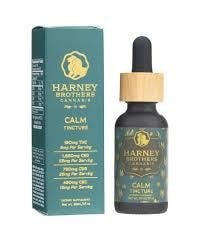
$49after tax
Tinctures are compact, odorless once sealed, and require no accessories — no grinder, no device, no preparation. A small glass bottle fits in a jacket pocket or tote bag without issue. For someone transitioning from the noise of a busy transit hub back to the quiet of a Bergen Street brownstone, a sublingual dose taken at home offers a measured, repeatable wind-down that does not require stepping outside or disturbing neighbors. The absence of combustion or vapor is particularly relevant in building-dense residential blocks.
Full-spectrum tinctures preserve the complete cannabinoid and terpene profile of the original cultivar, which many consumers find produces a more nuanced effect than single-compound options. Isolate tinctures deliver one purified cannabinoid — typically CBD or THC — without the supporting compounds. For a first-time buyer, a full-spectrum product with a balanced or CBD-dominant cannabinoid ratio is often the more forgiving entry point. Starting with a low dose and waiting a full hour before reconsidering is the most widely repeated guidance for any new consumer.
Yes. All adult-use cannabis products sold through New York's licensed dispensaries must pass through OCM-approved third-party testing before reaching the retail shelf. Cannabinoid percentages, terpene data where disclosed, and batch identifiers on the label are required to reflect independently verified results. Consumers can request access to the COA — certificate of analysis — for any product they are considering, and reputable dispensaries make this information readily available either in-store or through their online catalog.
Sublingual administration — placing drops under the tongue and holding for sixty to ninety seconds — allows cannabinoids to absorb directly through the mucous membranes, bypassing the liver's first-pass metabolism. Most consumers report perceivable effects within fifteen to forty-five minutes using this method. When a tincture is mixed into food or a beverage, it behaves more like an edible, with onset typically extending to sixty minutes or longer. Understanding this distinction helps prevent the common mistake of adding more product before the initial dose has had time to take effect.
For a calming, grounding experience after a demanding commute or workday, terpenes associated with relaxation include myrcene, linalool, and beta-caryophyllene. Myrcene is common in many cannabis cultivars and is associated with a sedating, body-forward character. Linalool, which also appears in lavender, is often linked to a calming, stress-attenuating quality. Beta-caryophyllene is notable for being the only known terpene that also binds directly to cannabinoid receptors. Reviewing a product's terpene disclosure on its COA is the most reliable way to identify these compounds before purchasing.
Yes. ZenZest Cannabis Dispensary offers free same-day delivery on qualifying orders over $100 to more than 80 New York ZIP codes, and the 11217 ZIP code that covers Boerum Hill is among the eligible areas. Orders can be placed online, allowing you to review product specifications and cannabinoid information at your own pace before committing. All deliveries comply with New York adult-use regulations and require age verification at the door for consumers 21 and older.
MCT oil — fractionated coconut oil — is the most widely used carrier in the current New York market. It is odorless, stable at room temperature, and thought to facilitate efficient cannabinoid absorption due to its medium-chain fatty acid composition. Hemp seed oil appears in some formulations and introduces a slightly earthy flavor alongside additional omega-3 and omega-6 fatty acids. Food-grade alcohol bases are less prevalent but produce a thinner consistency that some consumers prefer sublingually. If you have a coconut allergy or specific dietary considerations, it is worth confirming the carrier before purchasing.
Total milligram counts vary considerably across the licensed New York market. Bottles commonly range from 250 mg to 1,000 mg of total cannabinoids per unit, with per-serving sizes typically calibrated at one milliliter or half a milliliter. A 500 mg THC tincture in a 30 mL bottle delivers approximately 16.6 mg per one-milliliter serving — a figure that may be significant for a consumer with low tolerance. Reviewing total milligrams per bottle and per serving, rather than percentage alone, is the most useful comparison framework when shopping across multiple products.
Cannabis tinctures are best stored away from direct light, heat, and humidity — conditions that are variable in older Brooklyn brownstone apartments, particularly in summer. A cool, dark cabinet or a dedicated drawer away from the stove or radiator is appropriate for most oil-based tinctures. Alcohol-based formulations are generally more stable at ambient temperature. Refrigeration is not required for most products but can extend shelf life if you anticipate not finishing a bottle within a few months. Always check the producer's recommended storage guidance printed on the label.
Yes, and the distinction is significant. Cannabis tinctures sold through New York's licensed adult-use dispensaries may contain delta-9 THC above the federal 0.3 percent threshold and are produced, tested, and regulated under the Office of Cannabis Management's framework. CBD products sold at general wellness or health food retailers on Atlantic Avenue are typically hemp-derived, contain 0.3 percent THC or less, and operate under a different regulatory structure with variable testing rigor. If delta-9 THC content, full-spectrum cannabinoid profiles, or verified potency data matter to you, licensed dispensary products are the appropriate category.
Pick your store
We'll show pricing, deals, and delivery zones for the store you pick. You can switch any time from the header.