On sale· 20% OFF
THC 70.7%Indica-Hybrid
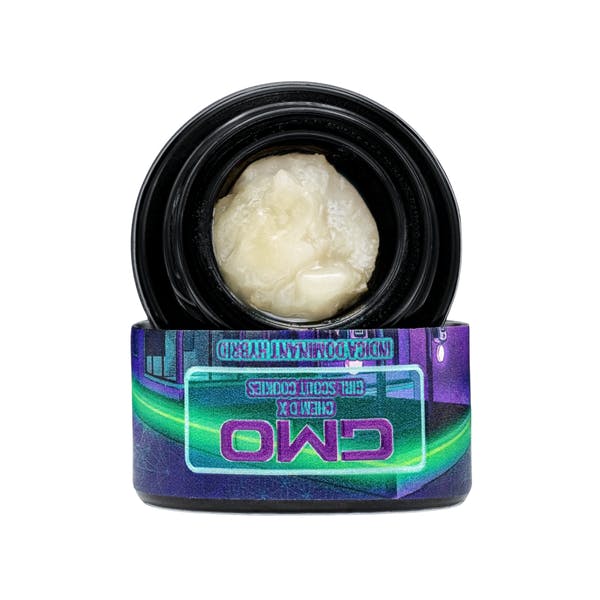
UmamiiUmamii | Live Rosin Jar | GMO · 2g
$80.00$100.00
$93after tax

weeddispensarynearme.com
You must be 21 years or older to enter. By entering, you confirm you’re of legal age in your state to purchase cannabis.
For use only by adults 21+ • Keep out of reach of children
Boerum Hill's converted brownstones and unhurried Atlantic Avenue energy have long attracted residents who appreciate craft over convenience. That same sensibility shapes how the neighborhood approaches cannabis concentrates — and rosin, pressed without solvents from carefully cultivated flower, fits the ethos of this Kings County enclave as naturally as a well-chosen bottle of natural wine.
About Rosin
Rosin occupies a distinct position among New York's adult-use concentrate offerings: it is produced entirely through the application of heat and pressure, with no chemical solvents introduced at any point in the extraction process. The result is a full-spectrum product that preserves the plant's original terpene and cannabinoid profile in a way that hydrocarbon-based extracts — however refined — cannot fully replicate. For consumers who have spent time learning about provenance in food, spirits, or coffee, the distinction resonates immediately. Within New York's Office of Cannabis Management licensing framework, all adult-use rosin sold at licensed dispensaries must originate from state-licensed cultivators and processors. This means the rosin available through compliant retailers is traceable to named farms, tested for pesticide residue and microbial contaminants, and labeled with verified cannabinoid percentages. The category has expanded meaningfully since the state's adult-use market opened, with several upstate and Long Island farms now producing live rosin — pressed from freshly frozen, uncured biomass — alongside traditional cured-flower and hash rosin expressions. The format itself arrives in several textures: a silky, stable badder or budder consistency works well on a dab tool; a more granular, dry-sift or ice-water-hash-derived rosin can crumble and is sometimes preferred for topping a bowl or rolling into a joint; and solventless vape cartridges, which use rosin as their base oil, bring the category to a format that requires no rig at all. Each texture reflects both the starting material and the post-press curing process, and each carries real information about what the experience will feel like. THC concentrations in rosin typically range from the mid-50s to the mid-70s by percentage, though exceptional single-source hash rosins occasionally test higher. This potency range sits above flower but can be meaningfully lower than some solvent-extracted distillates, which sometimes approach or exceed 90 percent THC — a point worth noting for consumers who find ultra-high-potency extracts less nuanced. New York licensed labs publish Certificates of Analysis that any reputable retailer can provide on request.
Rosin for Boerum Hill shoppers
Boerum Hill is not a neighborhood that rushes. The weekday foot traffic along Smith Street moves at a pace set by independent restaurants and long-standing boutiques rather than corporate throughput; Bergen Street's tree-lined blocks feel genuinely residential even on Saturday afternoons. The residents who have settled here — a mix of longtime Brooklynites, young professionals, and creative-industry households — tend to be deliberate consumers who research what they put in their bodies and their homes with the same care they bring to choosing a dinner reservation. That orientation toward intentionality maps cleanly onto rosin's appeal. A concentrate that carries the cultivar's original terpene bouquet — the piney beta-pinene of a mountain-grown cultivar, the citrus-forward limonene of something lighter — offers the kind of sensory depth that rewards attention rather than volume. For a Boerum Hill resident walking home from the F or G train at Bergen Street, or returning from a late dinner on Atlantic Avenue, rosin can serve as a precise and considered wind-down rather than a blunt-instrument sedative. The neighborhood's Atlantic Avenue corridor also sits at the intersection of several distinct Brooklyn commuter flows, connecting Cobble Hill, Carroll Gardens, and Downtown Brooklyn. Many residents who pick up a jar of rosin here are making a conscious trade-up from flower — drawn by the cleaner inhalation profile that comes from the absence of combusted plant material, and by the ritual quality of concentrate preparation, which offers a moment of intentional pause in a day that rarely provides one otherwise. The 11217 ZIP code is dense enough that delivery to a brownstone apartment building is both practical and discreet.
What to look for
Evaluating rosin begins with understanding the starting material. Flower rosin, pressed directly from dried and cured bud, is the most accessible entry point — it tends to be more affordable and widely available, and it delivers a reliable representation of a given cultivar's character. Hash rosin, derived from ice-water-extracted trichome heads, commands a premium because the process is labor-intensive and the yield per pound of starting material is comparatively low; the payoff is a cleaner, more refined expression of terpene and minor cannabinoid content. Live rosin, made from frozen-fresh biomass, preserves volatile aromatic compounds that curing degrades, and its flavor profile is often described as particularly vivid and immediate. Terpene composition deserves as much attention as THC percentage. A rosin testing at 62 percent THC with a robust myrcene and linalool presence will likely feel more physically relaxing than one at the same potency led by terpinolene and ocimene. For Boerum Hill residents who may be looking for a product that eases a long commute out of their shoulders or accompanies a quiet evening with a book, indica-leaning or balanced profiles with earthy, floral, or herbal terpene dominance tend to serve that context well. For a social occasion — a dinner party in one of the neighborhood's comfortable parlor-floor apartments, say — a brighter, more citrus-forward or fuel-driven terpene set might suit better. On format: if you do not already own a dab rig or an electronic concentrate vaporizer, a solventless cartridge derived from rosin offers an approachable entry point before investing in hardware. If you do have a rig or portable device, pay attention to recommended operating temperatures — most rosin expresses its terpene character most fully at lower heat settings, typically between 450 and 550 degrees Fahrenheit. Starting with a small amount and allowing adequate time before reassessing is advisable regardless of prior experience with flower.
Why ZenZest for rosin in Boerum Hill
ZenZest Cannabis Dispensary's nearest location to Boerum Hill is ZenZest Staten Island at 2343 Forest Ave, Staten Island, NY 10303 — approximately 9.8 miles from the 11217 ZIP code. The store carries a curated selection of New York state-licensed rosin across formats, including flower rosin, hash rosin, and solventless vape cartridges, with staff who can speak to the specific terpene and cannabinoid profiles on the current menu rather than offering generic category descriptions. For Boerum Hill residents who prefer not to make the trip, ZenZest offers free same-day delivery on orders over $100 to more than 80 New York ZIP codes, which includes Kings County addresses in the 11217 area. Orders can be placed through the ZenZest online menu, and delivery is handled discreetly and professionally. For a rosin purchase — where the product is small in volume but precise in selection — the ability to review a full menu with lab data at home and have the order arrive the same day is a meaningful convenience that aligns with the way Boerum Hill residents already approach considered retail decisions.
ZenZest Staten Island · 2343 Forest Ave, Staten Island, NY 10303 · 9.8 miles from Boerum Hill.
$93after tax
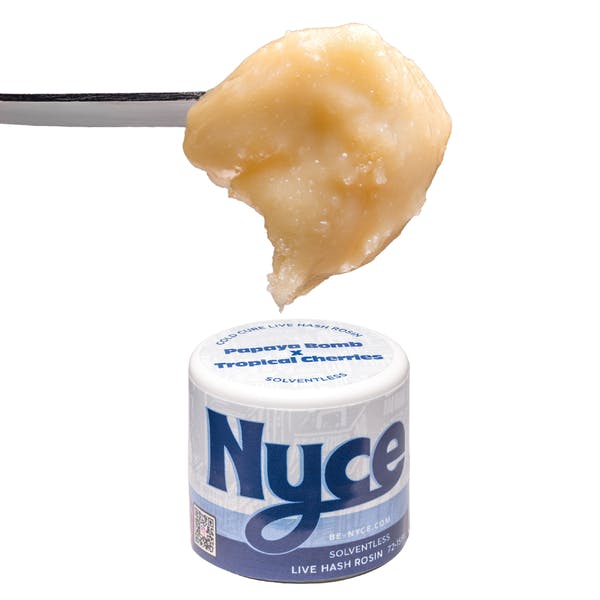
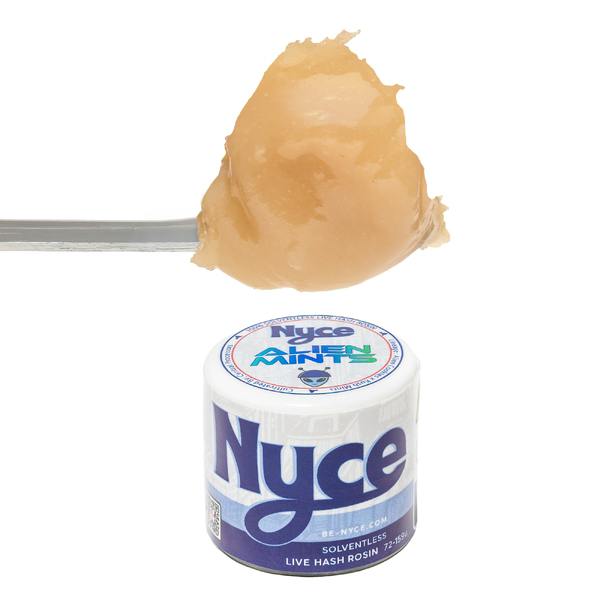
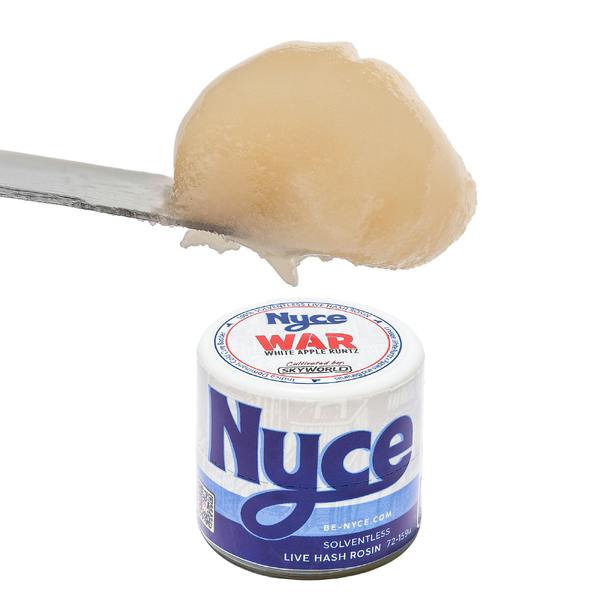
Rosin is distinguished by its solventless production method: heat and pressure are the only forces applied to the starting material. Competing concentrate categories — wax, shatter, live resin, and most vape cartridge oils — are typically produced using hydrocarbon solvents such as butane or propane, or with CO2 under high pressure. These methods can yield very clean, potent products when conducted responsibly, but they introduce additional processing steps. Rosin retains the plant's original full-spectrum terpene and cannabinoid content with minimal intervention, which many consumers find results in a more nuanced and less harsh experience.
Rosin typically tests between 55 and 75 percent THC, compared to the 18 to 28 percent range common in licensed New York flower. For a regular flower consumer making their first foray into concentrates, the practical implication is that a portion roughly the size of a sesame seed is a reasonable starting point. The general guidance — start low, go slow — applies with particular emphasis here. The effect onset with a dab rig is rapid, so allowing several minutes before reassessing is especially important. Many first-time concentrate users find that a very small amount of quality rosin produces a more satisfying result than a larger amount of mid-grade flower.
The most traditional method is a dab rig — a water pipe fitted with a heat-resistant nail or banger, heated with a torch — but electronic dab devices and portable concentrate vaporizers have largely supplanted open-flame rigs for home and on-the-go use. If you are new to concentrates, a solventless rosin vape cartridge used with a standard 510-thread battery requires no specialized equipment at all and is a practical starting point. Some consumers also incorporate small amounts of rosin into a bowl of flower or a rolled pre-roll, which requires no additional hardware beyond what a flower consumer already owns.
Rosin is sensitive to heat, light, and prolonged air exposure, all of which degrade terpene content and alter texture over time. For short-term storage of a few days to a couple of weeks, a cool, dark environment — a kitchen cabinet away from the stove, or a nightstand drawer — in its original sealed container is adequate. For longer storage, a small silicone or glass concentrate container kept in a refrigerator maintains quality well; if you are storing for more than a month, the freezer is preferable, though allowing the container to come to room temperature before opening prevents condensation from affecting the product.
Yes. Solventless rosin vape cartridges, which use rosin as the base oil rather than distillate, pair with any standard 510-thread battery and produce minimal odor relative to combustion or even open dabbing. This format is particularly practical for Boerum Hill apartment residents who share walls with neighbors or have limited space for equipment. Several New York licensed producers now offer this format, and the terpene expression, while less vivid than a fresh dab from the same material, is meaningfully more complex than most distillate-based cartridges.
Myrcene, linalool, and beta-caryophyllene are the terpenes most consistently associated with a physically relaxing, tension-reducing character. Myrcene — found in high concentrations in many indica-leaning cultivars — has an earthy, slightly musky quality; linalool reads as floral and gently herbal; beta-caryophyllene contributes a subtle spice note and is one of the few terpenes that also interacts directly with the endocannabinoid system's CB2 receptors. Any licensed New York dispensary carrying rosin should be able to provide or direct you to a Certificate of Analysis that lists terpene content alongside cannabinoid percentages.
Live rosin begins with biomass that is frozen immediately after harvest rather than dried and cured. This preserves a broader range of volatile monoterpenes — compounds that begin to degrade almost immediately after harvest and continue degrading throughout the curing process. The result is a flavor profile that many consumers describe as fresher, more complex, and truer to the living plant. Whether the price premium is worthwhile depends on how much weight you place on terpene nuance. For a consumer primarily interested in potency and effect, a well-made cured flower rosin at a lower price point may serve just as well.
ZenZest Cannabis Dispensary offers free same-day delivery on orders over $100 to more than 80 New York ZIP codes, which includes Kings County addresses in the 11217 area. Orders are placed through the ZenZest online menu, which lists current inventory with product details and, where available, lab data. Delivery is conducted by licensed cannabis delivery personnel in compliance with New York OCM regulations. Rosin products are typically small in physical volume but may meet the order threshold when combined with other purchases such as flower, pre-rolls, or accessories.
New York licensed dispensaries are required to source exclusively from OCM-licensed cultivators and processors, submit products for third-party laboratory testing covering cannabinoid potency, pesticide residue, heavy metals, and microbial contaminants, and display accurate labeling derived from those test results. Unlicensed products carry none of these guarantees. Given that rosin is a concentrated product — meaning any contaminants present in the starting material are also concentrated in the final extract — the verification provided by the licensed supply chain carries practical significance beyond regulatory compliance.
Hash rosin is produced from bubble hash — trichome-rich resin glands separated from plant material using ice water and fine mesh screens — rather than pressed directly from whole flower. The ice-water extraction process is time-intensive, requires precise temperature control, and yields a relatively small amount of hashish per pound of input material. That hashish is then pressed into rosin, adding a second labor-intensive step. The resulting product concentrates the most resinous portions of the plant with very little extraneous plant wax or lipid content, producing a cleaner flavor and often a lighter color relative to flower rosin. The additional labor at both extraction stages accounts for the higher retail price.
Pick your store
We'll show pricing, deals, and delivery zones for the store you pick. You can switch any time from the header.