
Indica
All strains Watermelon
13 live products in stock
Quick answer · What is the Watermelon cannabis strain?
Watermelon is a deeply relaxing indica whose reputation rests on a remarkably sweet, fruit-forward aroma that mirrors its namesake almost uncannily. Dense, resin-laden buds give way to a calm, body-centred experience that settles in gradually and lingers with a gentle, unhurried ease. For those who favour the quieter end of the cannabis spectrum — long evenings, soft light, and nothing particularly urgent — Watermelon offers a considered, flavour-rich way to arrive there.
Shop Watermelon · 13 of 13 live products
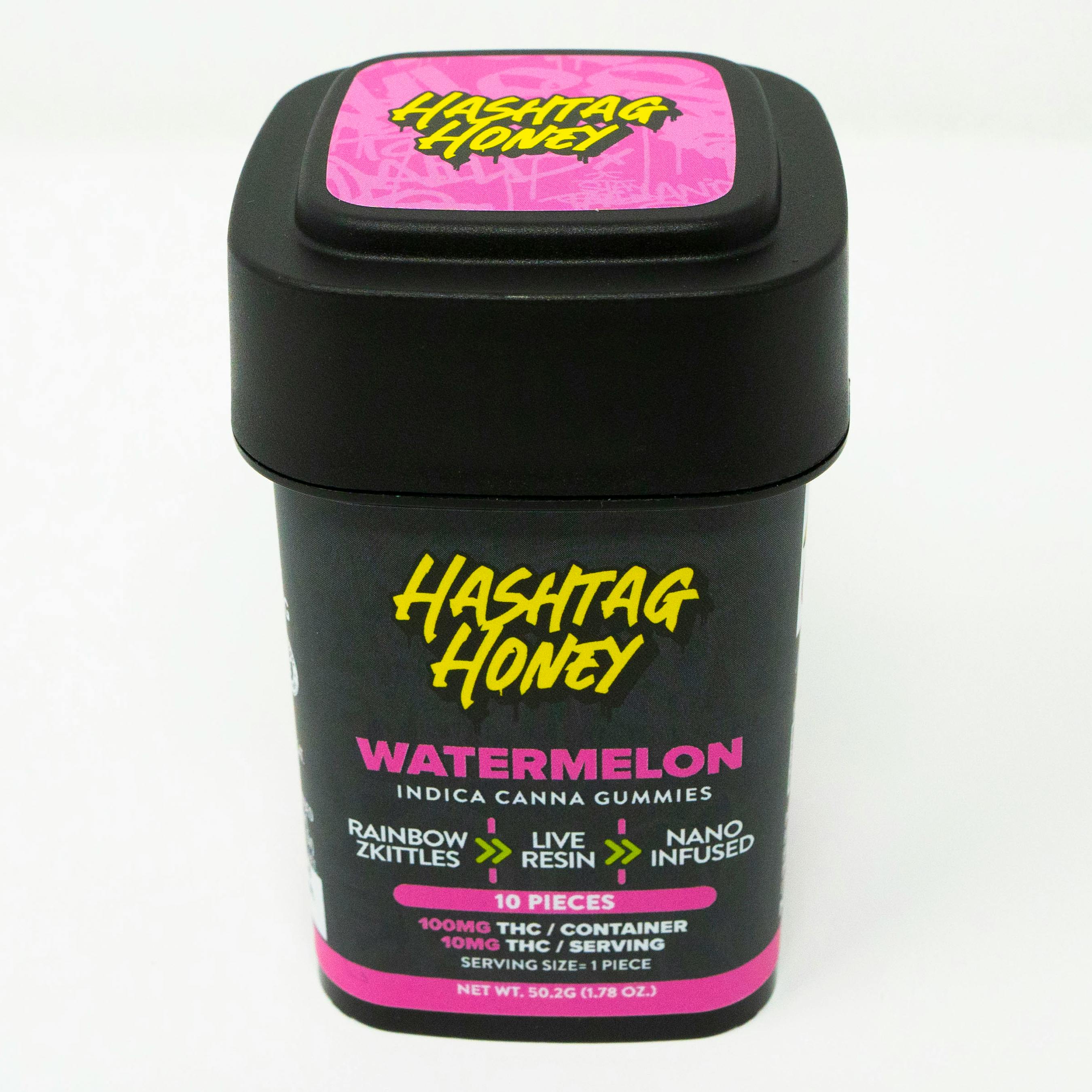
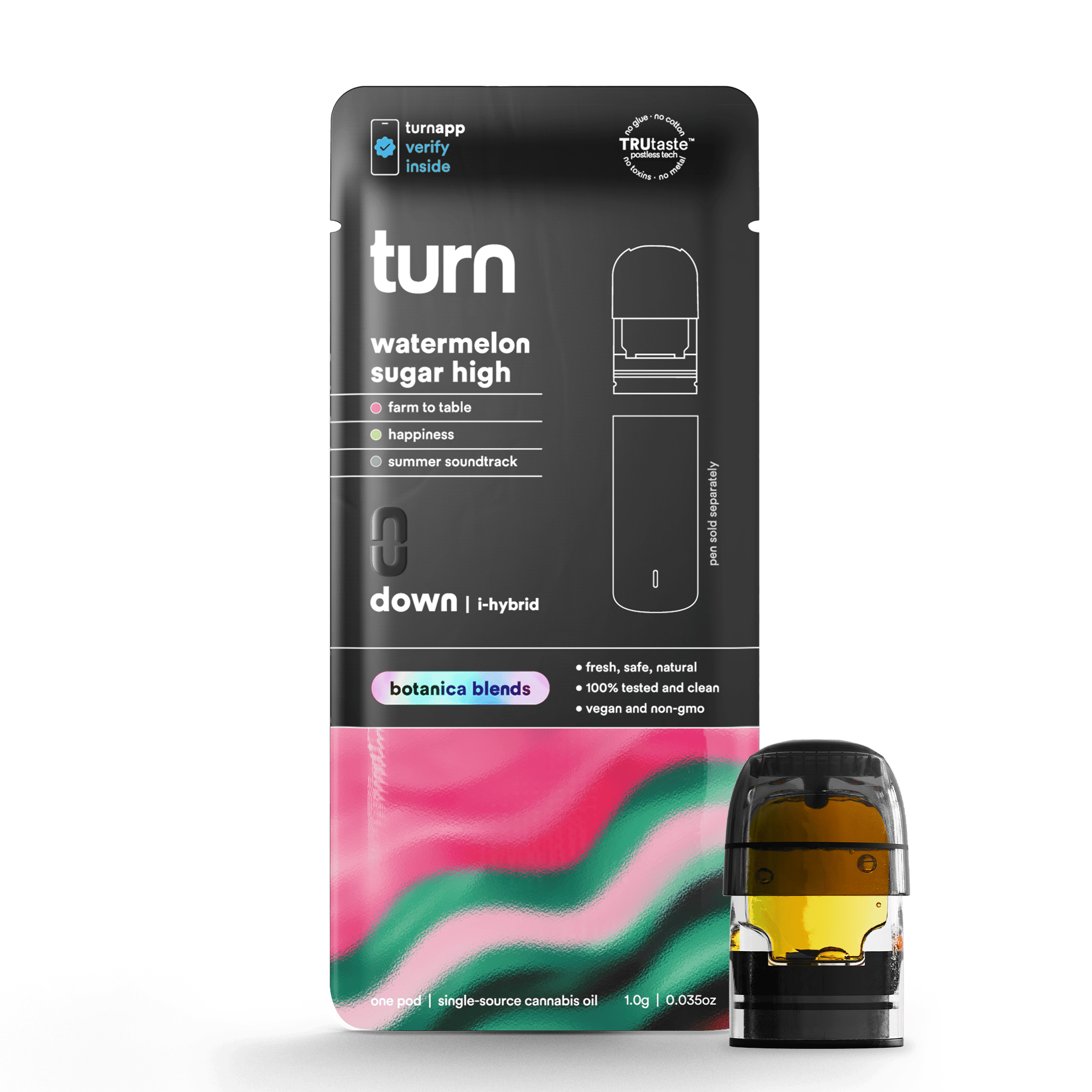
THC 37.73%Indica
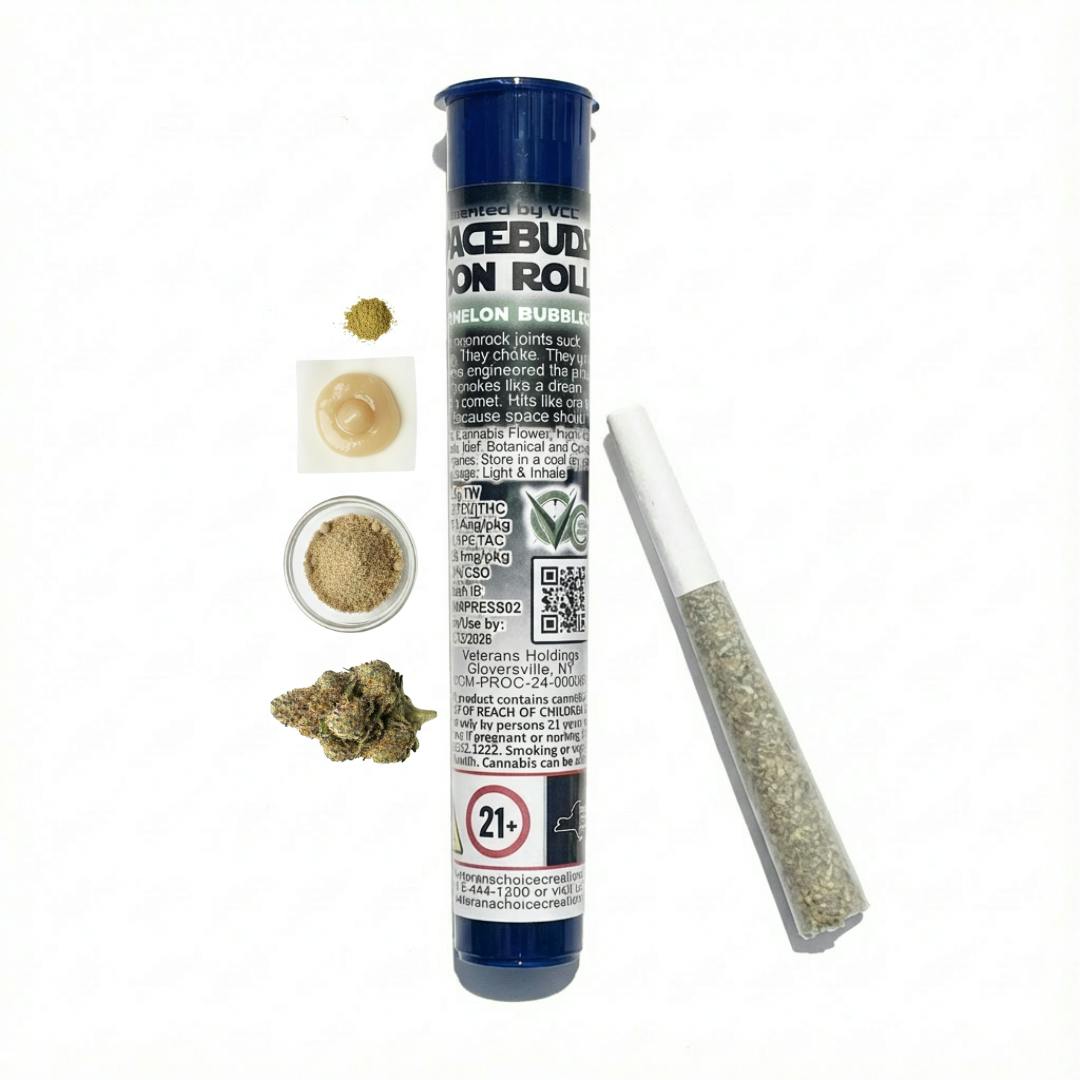
Spacebuds MoonrocksSPACEBUDS | 1.5G | MOON ROOL | WATERMELON BUBBLEGUM · 1.5g
$30.09
$34after tax
THC 82.24%·CBD 0.16%Hybrid
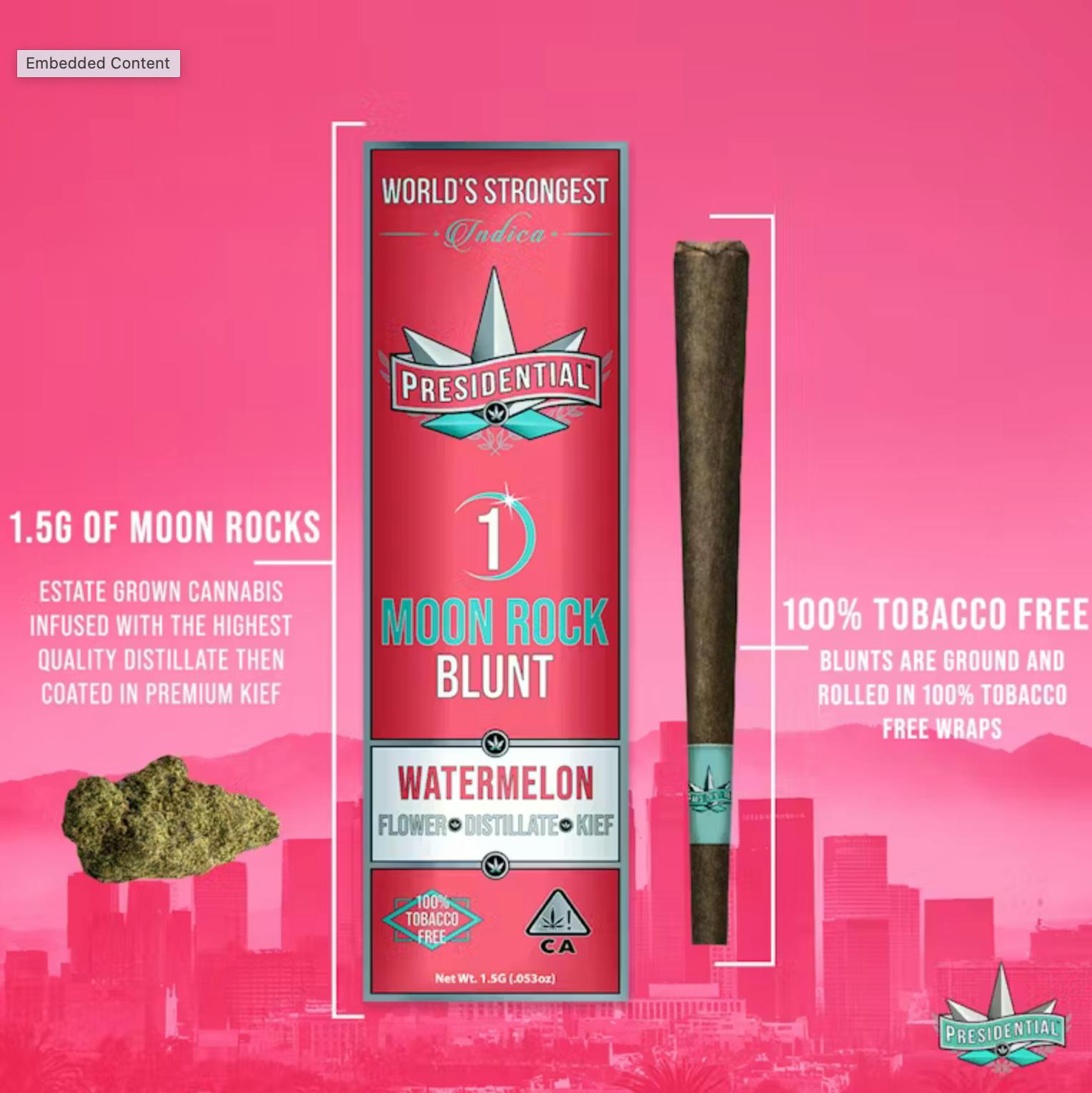
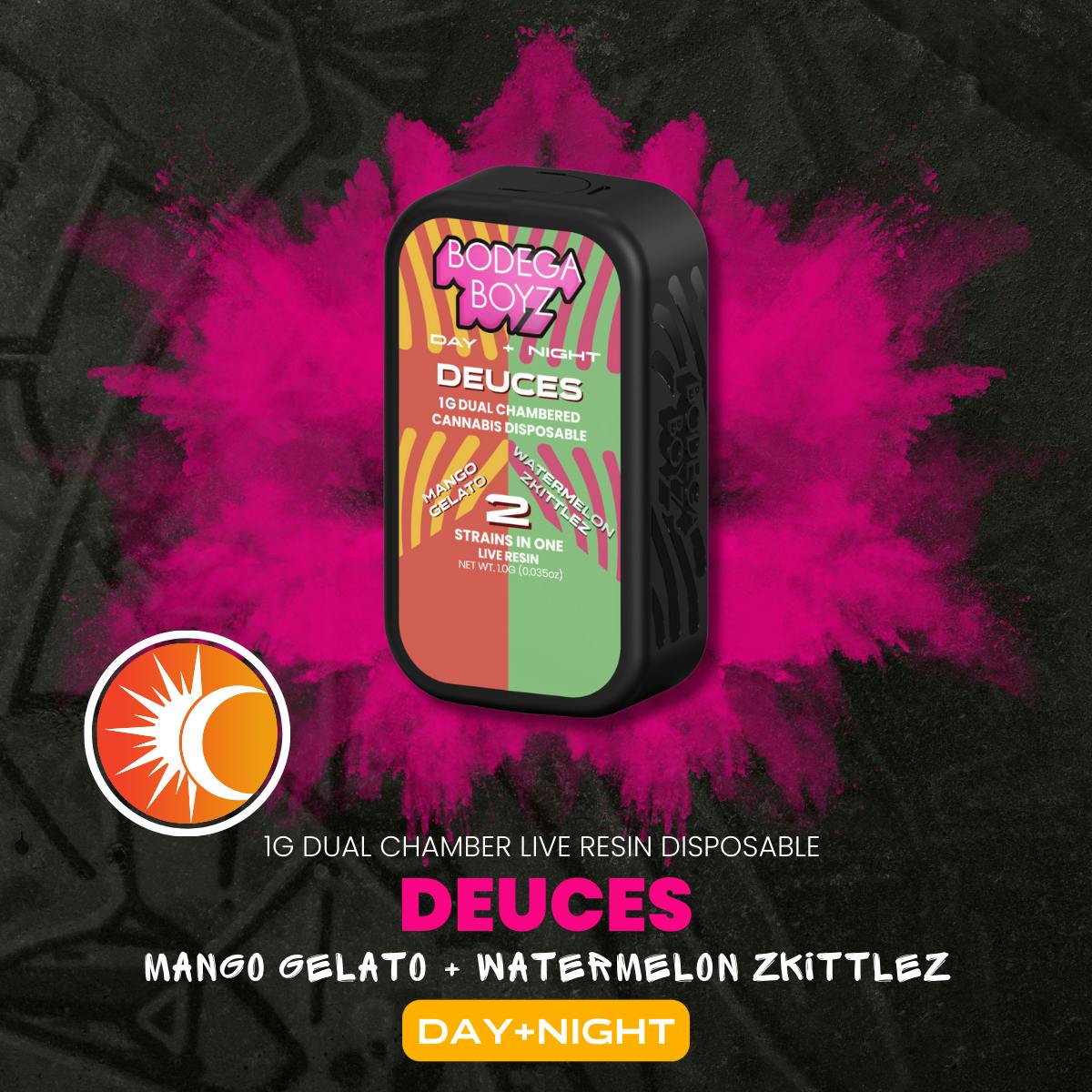
BODEGA BOYZBodega Boyz Mango Gelato X Watermelon Zkittlez Live Resin Dual Chamber AIO | Deuces | Sativa X Indica · 1g
$48.67
$55after tax
THC 0.24%THC
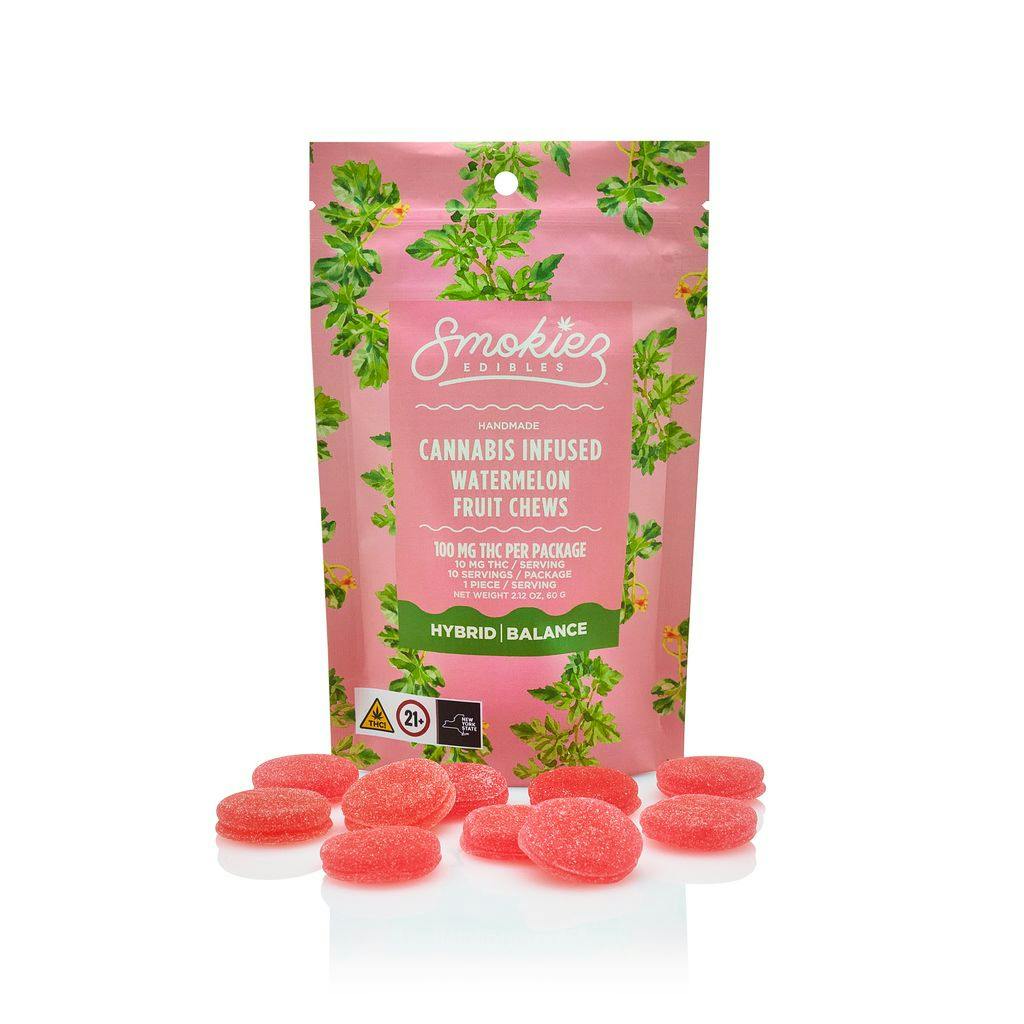
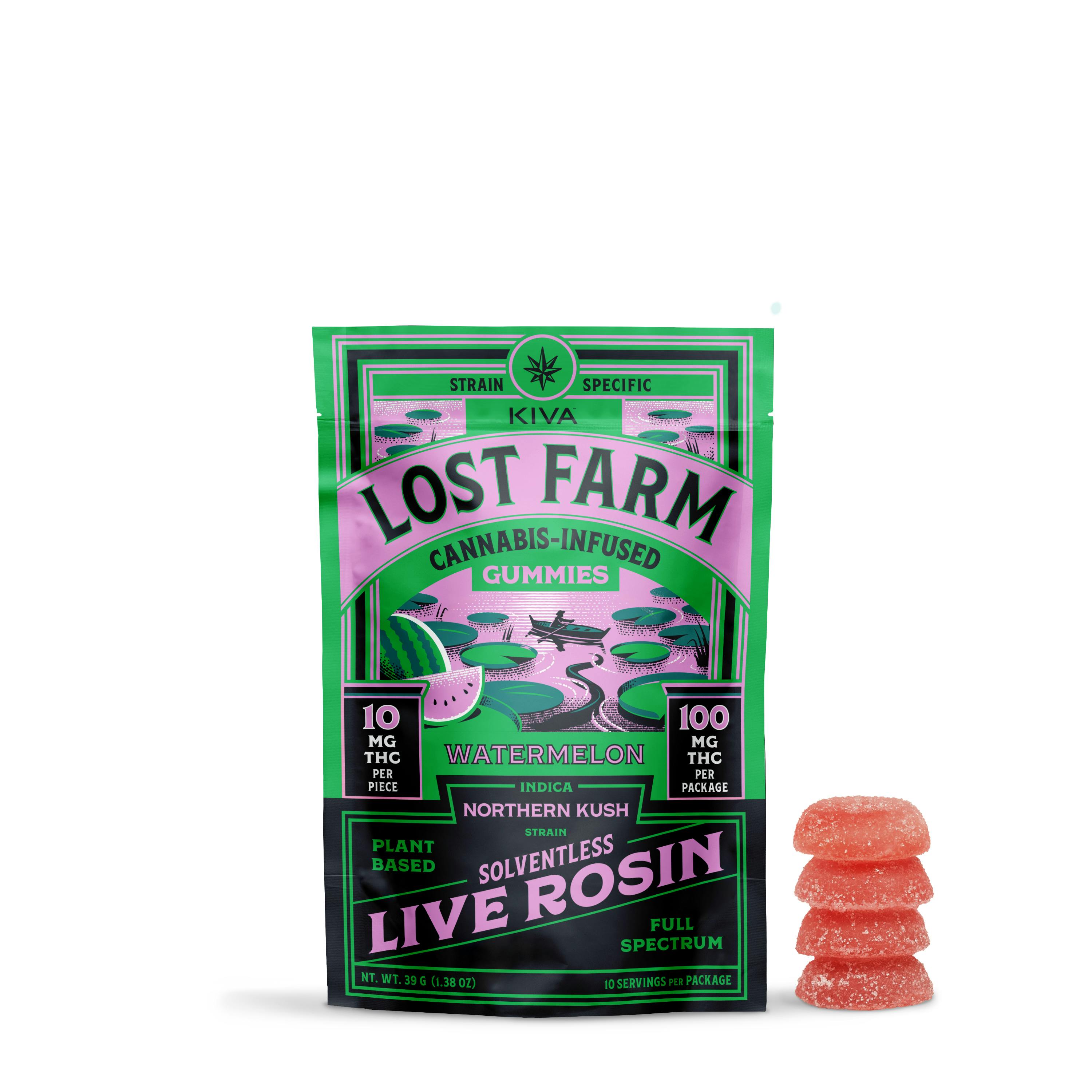
Lost FarmLost Farm | Watermelon X Fatso | Rosin Gummies | 100mg | 10pk · .1g
$30.00
$34after tax
![Camino Sours 'Uplifting' Watermelon Spritz Gummies [10pk]](https://images.dutchie.com/de42d17b80dc410607a28986a241911a)
![Camino Watermelon Lemonade 'Bliss' Gummies [20pk]](https://images.dutchie.com/784ad668d8cf5b104851579e177db040)
THC 0.86%Indica
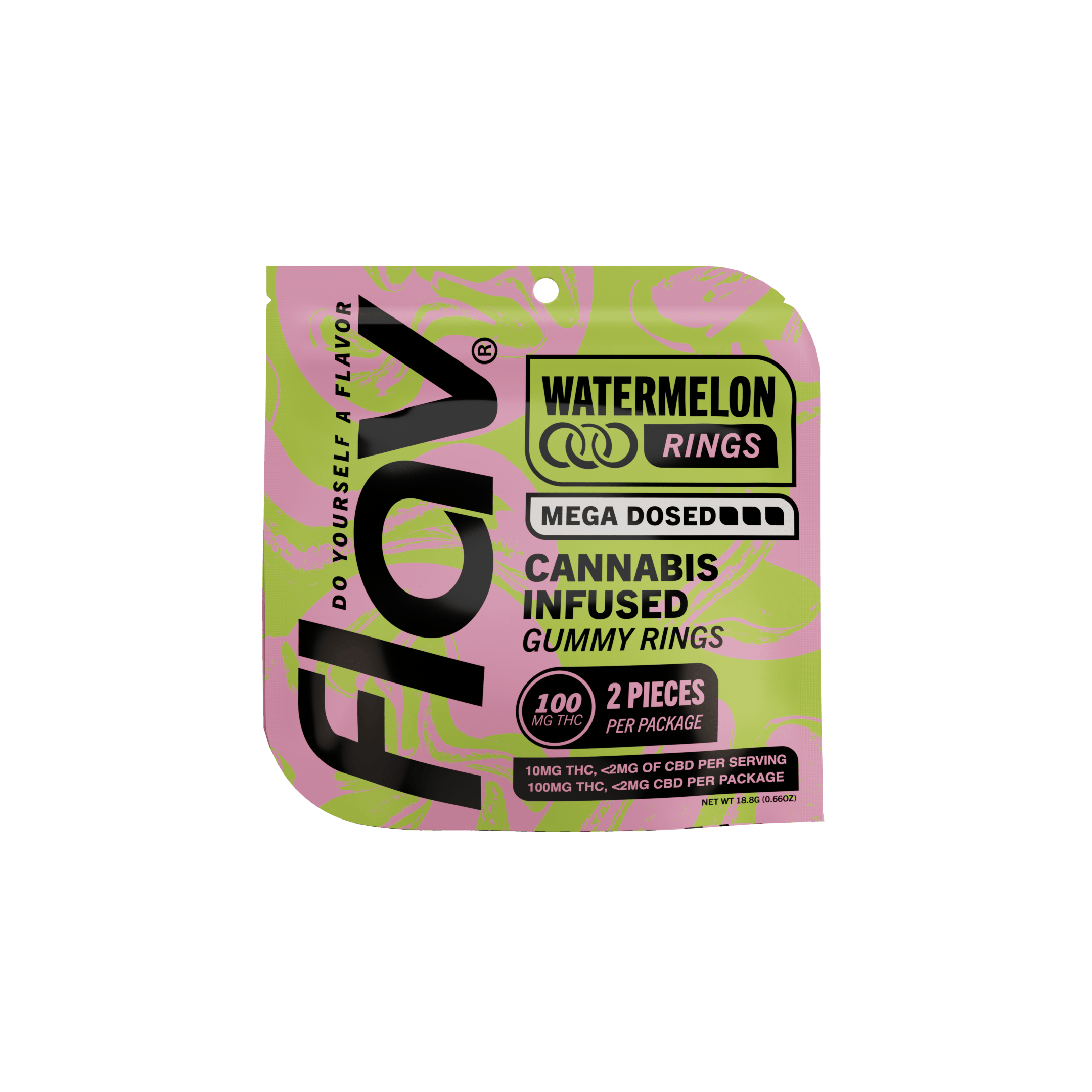
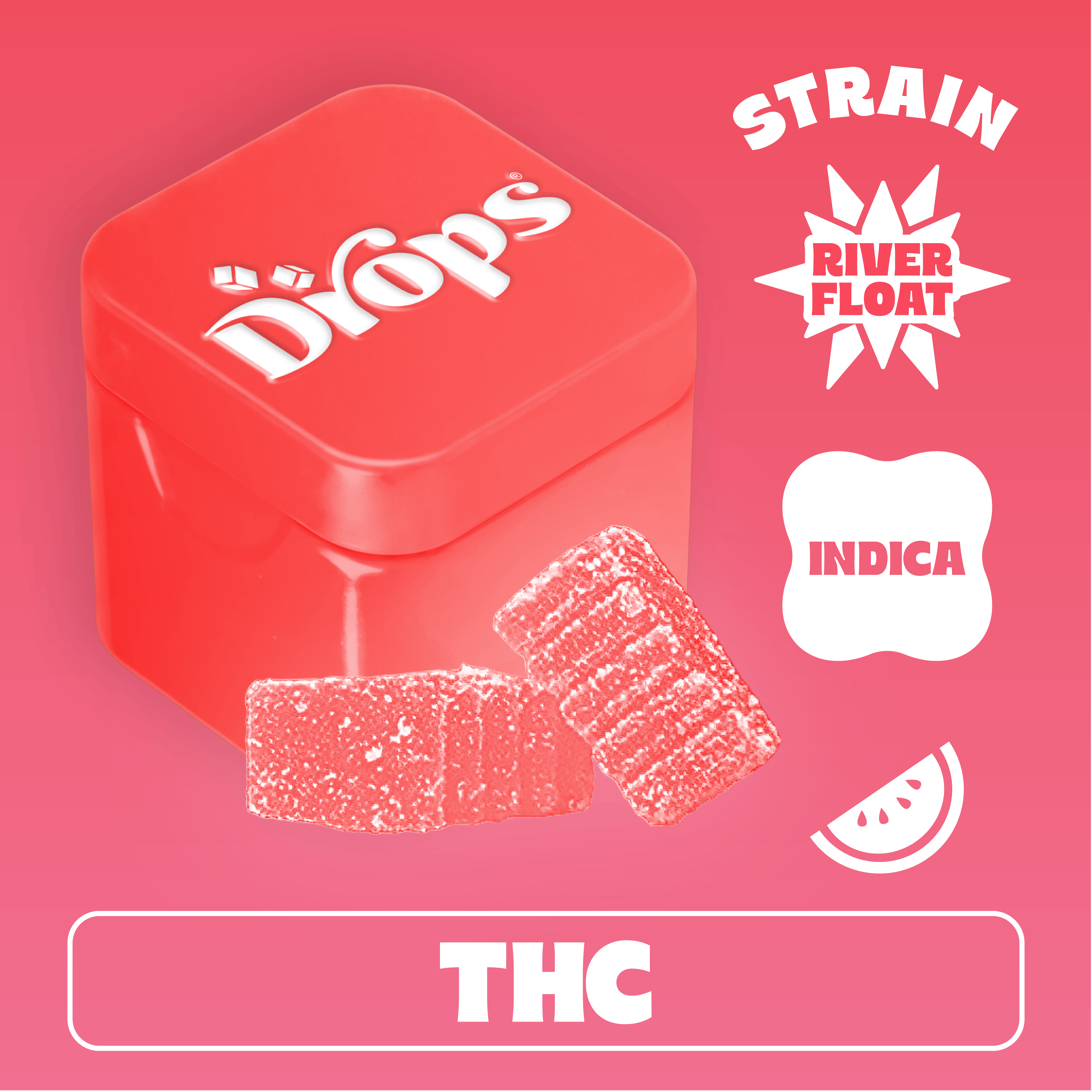
DropsDrops Watermelon - 2pc - River Float - Indica (100mg THC) · 0.01g
$17.70
$20after tax

About Watermelon
Everything to know about Watermelon.
Lineage & origin
Watermelon's precise lineage is a point of some debate within the cannabis community, and no single breeder has been universally credited with its origin. The strain is most commonly associated with Pyramid Seeds, the Spanish seed bank that popularised it across European markets during the mid-2000s, though independent phenotype hunters in North America have long circulated cuttings under the same name with subtly different characteristics. The genetic foundation is frequently cited as a cross between an unknown fruity indica and possibly a Kush-derived parent, lending it the compact structure and heavy resin production that Kush genetics reliably deliver. Some sources propose a connection to Berry family genetics — think Blueberry or Strawberry Cough — which would account for its distinctive fruit-compound terpene signature, though no verified laboratory confirmation has been published. What is settled is that Watermelon occupies a comfortable place in the classic indica canon: short, stout plants producing chunky, aromatic buds that lean hard into sweetness rather than the diesel or earth notes common to Afghan-derived lines. Its influence has extended into newer crosses — Watermelon Zkittlez and Watermelon OG, among others — which have borrowed its fruit profile and applied it to more modern genetic frameworks. The original, in whichever phenotype one encounters, remains a reference point for what a candy-sweet, uncomplicated indica can achieve.
Effects
Watermelon's onset is measured rather than abrupt, typically arriving within five to fifteen minutes of inhalation as a soft pressure behind the eyes and a quiet loosening of the shoulders. It moves with the deliberate pace of a genuinely indica-dominant plant, which suits its character: this is not a strain that announces itself loudly. Early in the experience, there is a mild cerebral warmth — not a creative surge, but a gentle clearing of mental noise that settles the mind into something closer to neutral. Conversation becomes easier without becoming too animated, and minor irritations tend to recede without demanding attention. The peak phase is predominantly physical. A progressive body sensation deepens through the core, upper limbs, and eventually the legs, producing the kind of heaviness that is more pleasant than sedating at moderate consumption. Myrcene, the dominant terpene, is well-documented for its contribution to this muscle-relaxing, sedative arc. Duration tends to run between ninety minutes and three hours depending on individual tolerance, with the comedown being particularly smooth — a slow return to baseline rather than any abrupt shift. New consumers are well advised to follow the standard guidance: start with a single inhalation, wait the full onset window, and assess before continuing.
Aroma, flavor & terpenes
The nose on Watermelon is its most defining characteristic and the quality most responsible for its enduring following. On initial approach, the scent is unmistakably sweet and melon-adjacent — a clean, almost candy-like fruitiness that lacks the sharp chemical edge of some fruit-forward cultivars. This quality is largely attributable to myrcene, which in high concentrations delivers a ripe, tropical fruit character, and to ocimene, a terpene that contributes delicate floral and sweet herbal top notes and is often found in strains with an uplifting aromatic brightness. Beneath the initial sweetness, a secondary layer of light earthiness provides grounding — likely caryophyllene, which adds a subtle spice that prevents the profile from tipping into cloying territory. On the palate, whether smoked or vaporised, Watermelon delivers a smooth, fruit-candy inhale that holds its character well through the mid-palate. The exhale tends to reveal a faint herbal warmth — attributed in part to trace humulene, which carries a gentle, woody bitterness reminiscent of dried herbs. Vaporisation at lower temperatures preserves the brighter terpene notes most faithfully, emphasising the sweet melon and floral character, while combustion draws out more of the earthy undertones. Either method yields a finish that lingers pleasantly and cleanly without harshness, making it a reliable choice for those who place sensory experience near the centre of their cannabis appreciation.
Appearance
Watermelon produces buds that are immediately recognisable as the product of true indica genetics. The structure is compact and densely packed — calyxes layered tightly over one another in formations that feel almost architectural — with very little of the airy looseness associated with sativa-leaning cultivars. Individual buds tend toward a rounded, almost spherical shape, and the visual impression is of a plant that has invested its energy inward rather than outward. The colour palette ranges from a medium forest green to a deeper olive, often punctuated by flashes of purple along the leaf margins when the plant has been exposed to cooler overnight temperatures during its finishing weeks. Pistils — the hair-like structures threading through the bud — run from pale orange to a warm amber, adding visual warmth against the cooler green base. Trichome coverage is generous and consistent across the surface, giving mature flowers a frosted appearance in good light that signals the resin density typical of well-grown Kush-adjacent genetics. Properly cured examples feel slightly sticky to the touch.
Growing notes
Watermelon is considered a moderately accessible cultivar for those with some foundational knowledge, sitting a step or two above beginner level due to its sensitivity to humidity during the flowering period. Its compact indica structure — short internodal spacing and broad fan leaves — makes it particularly well-suited to indoor environments where canopy management techniques such as low-stress training or screen-of-green setups can maximise light penetration to the lower bud sites. Flowering time indoors typically falls between eight and nine weeks, which is on the shorter end of the spectrum for a resin-heavy indica. Outdoor cultivation is viable in temperate climates with warm, dry autumns; the dense bud structure that defines its appeal also makes it vulnerable to mould and botrytis in humid conditions, so airflow and vigilant monitoring become essential in wetter regions. Indoor yields are generally described as moderate to generous when proper growing practices are followed. The strain responds well to consistent feeding during its heavy production phase. For the cultivator-curious dispensary visitor, Watermelon represents the kind of strain that rewards methodical, attentive growing with a final product that reflects the care invested — particularly in the terpene expression, which is most fully realised under stable, controlled conditions.
When it's best enjoyed
Watermelon occupies an evening-to-night niche with quiet confidence. Its gradual body effect and gently settled mental quality make it most at home in the hours after the obligations of the day have concluded — the window between dinner and sleep when the goal is decompression rather than stimulation. Solo listening sessions pair naturally with its character: the myrcene-and-ocimene aromatic profile has an affinity with ambient, jazz, or slow soul recordings where texture and subtlety reward attention. Think late-period Miles Davis or the more contemplative corners of contemporary R&B. For those who enjoy pairing cannabis with food, Watermelon's fruit-forward, candy-sweet profile finds a natural counterpart in soft cheeses, honey-dressed charcuterie boards, or fresh fruit desserts — pairings that echo rather than compete with its terpene signature. Socially, it suits small, familiar gatherings rather than high-energy settings: a quiet dinner among close friends, a long conversation on a summer terrace, or a solo creative pursuit that benefits from a slower, more receptive state of mind. It is not a strain that demands anything of the consumer, which is precisely its virtue.
If you like Watermelon, also explore
Blueberry
Fans of Watermelon's sweet, fruit-candy aroma and deeply relaxing body effect will recognise a kindred spirit in DJ Short's Blueberry, which offers a similarly clean, berry-driven terpene profile alongside a long, gentle indica comedown.
Zkittlez
Zkittlez shares Watermelon's commitment to a candy-sweet, multi-fruit nose and a calming, body-centred effect arc, making it an easy recommendation for anyone drawn to Watermelon's flavour-first identity.
Gelato
While Gelato leans slightly more hybrid in its effect profile, its dessert-sweet terpene character and smooth, resinous smoke quality appeal to the same palate that gravitates toward Watermelon's fruit-forward presentation.
Granddaddy Purple
GDP's grape-and-berry sweetness and pronounced physical relaxation occupy a very similar experiential territory to Watermelon, differing mainly in the purple-fruit direction of its flavour rather than melon.
Strawberry Banana
Strawberry Banana's exceptionally high terpene expression and tropical, candy-fruit aroma make it a natural step sideways from Watermelon for consumers who want to explore within the sweet indica category.
Common questions
Is Watermelon indica or sativa?+
Watermelon is classified as an indica-dominant strain. Its physical characteristics — compact bud structure, broad leaf morphology, and relatively short flowering time — are consistent with indica genetics, and its effect profile aligns with that classification: primarily body-centred relaxation with a mild, calm cerebral component rather than an energising or creatively activating experience.
What does Watermelon taste like?+
Watermelon delivers a sweet, fruit-candy flavour on the inhale that closely mirrors its name — clean melon and berry notes with a light floral edge attributed to ocimene. The exhale reveals a softer herbal warmth from underlying caryophyllene and trace humulene, grounding the sweetness without diminishing it. Vaporised at lower temperatures, the fruit notes are most vivid; combustion draws out more of the earthy base.
What are the typical effects of Watermelon?+
Watermelon produces a gradual, body-focused relaxation that builds over the first fifteen minutes and deepens into a comfortable physical heaviness during the peak phase. A mild cerebral warmth accompanies the onset, settling mental activity without producing strong creative or energising effects. The experience tends to run ninety minutes to three hours, with a smooth, unhurried comedown. It is best suited to low-demand, restful contexts.
What strains are similar to Watermelon?+
Consumers who enjoy Watermelon typically also respond well to Blueberry, Zkittlez, Granddaddy Purple, Strawberry Banana, and Gelato. These strains share some combination of Watermelon's sweet, fruit-forward terpene profile and its indica-leaning, body-centred effect character. The degree of similarity varies — Blueberry and GDP are closest in effect; Zkittlez and Strawberry Banana are closest in flavour.
Is Watermelon good for beginners?+
Watermelon can be approachable for new adult consumers, but its indica potency warrants careful pacing. The gradual onset — sometimes up to fifteen minutes — makes it easy to inadvertently overconsume before the full effect is felt. Following standard guidance is advisable: begin with a single inhalation, allow the full onset window to pass, and reassess. The smooth, fruit-forward smoke quality is generally gentle on the palate for those new to inhalation.
What are the dominant terpenes in Watermelon?+
Myrcene is the dominant terpene in Watermelon, contributing its characteristic ripe, tropical-fruit aroma and its sedative, muscle-relaxing effect profile. Ocimene adds sweet, floral, and lightly herbal top notes that brighten the scent. Caryophyllene provides a subtle spice and earthy grounding on the exhale, while trace levels of humulene contribute a dry, woody bitterness that balances the overall sweetness of the profile.
Who bred Watermelon and where does it come from?+
Watermelon is most commonly associated with Pyramid Seeds, the Spanish seed bank that brought it to wider attention in European cannabis markets during the mid-2000s. However, the precise lineage has not been officially documented, and independent phenotypes have circulated under the same name in North American markets. The breeder has not publicly named the parent strains with specificity, and the genetic origins remain partially debated among enthusiasts.
When is the best time of day to consume Watermelon?+
Given its body-centred, progressively relaxing effect arc, Watermelon is best positioned as an evening or nighttime strain. Its sedative myrcene-forward profile is not well-matched to daytime activities that require sustained attention or physical coordination. Most consumers find it most fitting in the hours following dinner — a transitional strain for moving from the activity of the day toward rest, leisure, or quiet social time.
Related strains