On sale· 30% OFF
THC 28.5%Hybrid
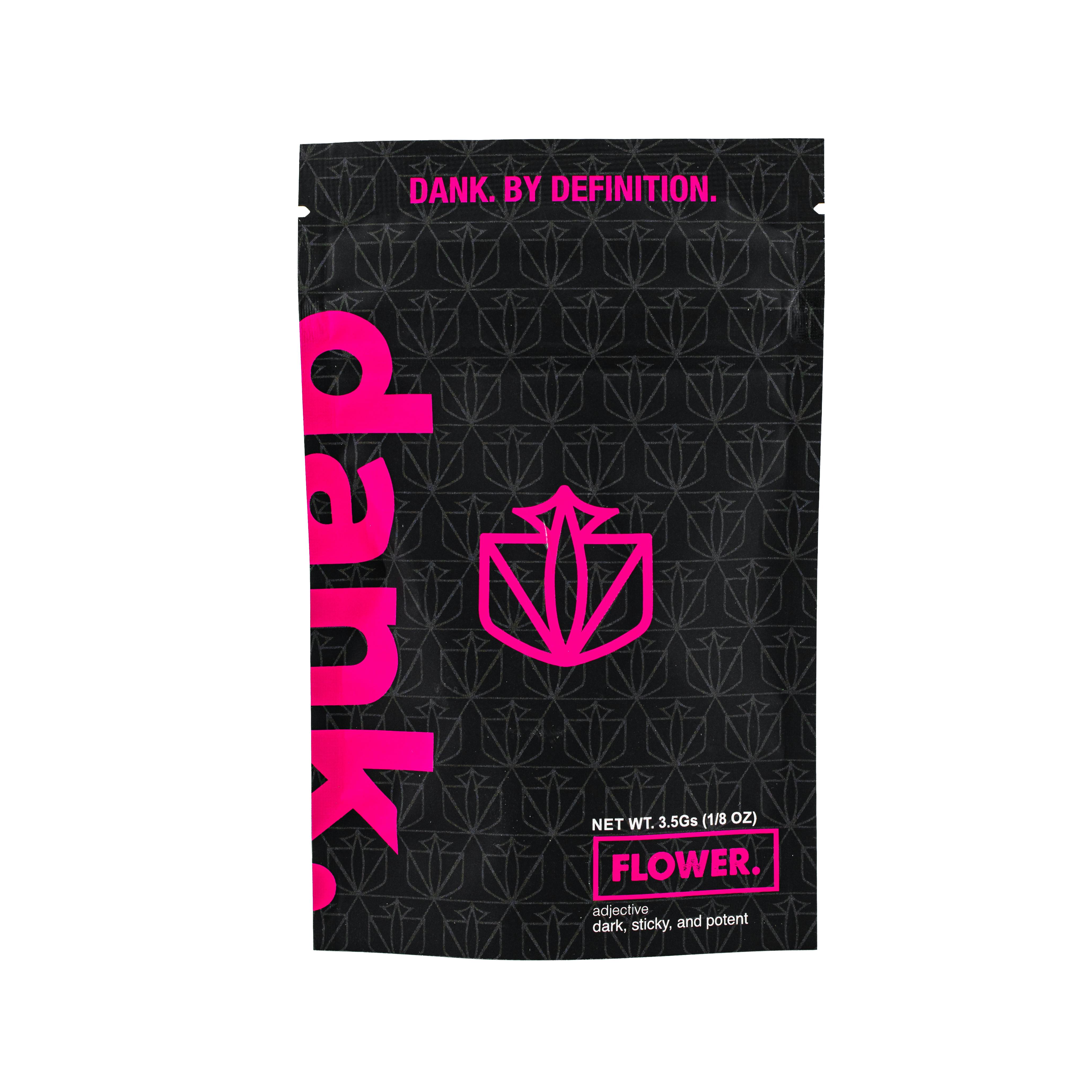
Dank By Definition.Dank | Flower | Triangle Kush · 3.5g
$30.98$44.25
$37after tax

weeddispensarynearme.com
You must be 21 years or older to enter. By entering, you confirm you’re of legal age in your state to purchase cannabis.
For use only by adults 21+ • Keep out of reach of children
1 live products in stock
Quick answer · What is the Triangle Kush cannabis strain?
Triangle Kush is a storied Florida-born indica-dominant hybrid that has quietly shaped the American cannabis landscape for decades. Rooted in OG Kush genetics and cultivated in the humid warmth of the Sunshine State, it carries an earthy, fuel-laced character that speaks to those who appreciate depth over flash. Dense, resin-heavy, and deliberate in its unfolding, Triangle Kush rewards patience with a grounding, contemplative experience that has made it a cornerstone of serious cannabis culture.
$37after tax
About Triangle Kush
Triangle Kush traces its roots to Florida, where it was developed during the early 1990s underground cannabis scene. Its name is widely understood as a reference to the so-called "Florida Triangle" — the geographic corridor formed by Miami, Orlando, and Tampa — which served as a hub for some of the most influential OG genetics circulating on the East Coast at the time. The strain is broadly accepted to be a direct descendant, or close phenotype selection, of OG Kush, itself a cultivar whose full lineage remains one of cannabis's most debated subjects. The prevailing account credits OG Kush to a cross between a Hindu Kush or Chemdawg-related plant and an undisclosed variety brought from Northern California, though no single origin story has been definitively confirmed by its originators. Triangle Kush is considered a genetic pillar in the OG family tree, and its influence has been far-reaching. It served as a foundational parent in the development of several celebrated modern cultivars, most notably Triangle Mints, which was produced by crossing Triangle Kush with Animal Mints. Seed Junky Genetics has been instrumental in bringing Triangle Kush's genetics into contemporary breeding programs. The strain has also given rise to various phenotype selections sought after by collectors and legacy market enthusiasts alike. While a formal commercial release date is difficult to pinpoint — given its underground origins — Triangle Kush gained broader recognition through the mid-to-late 2000s as OG-style genetics traveled across the country and captured the attention of cultivators and connoisseurs on both coasts.
Triangle Kush is an indica-dominant experience that tends to arrive with a measured, deliberate onset. Most users report the initial effects emerging within five to fifteen minutes of inhalation, beginning as a gentle pressure behind the eyes and a softening of mental chatter. The cerebral component is present but modest — there is a quiet clarity to the early phase, a narrowing of focus that some find conducive to slow, unhurried thought. This is not a strain that announces itself loudly; it earns attention gradually. As the experience deepens toward its peak, the body takes on a heavier quality. The limbs may feel weighted, and a pervasive physical ease settles across the shoulders and lower back. This is where Triangle Kush's indica heritage becomes most apparent. The dominant terpene profile — particularly myrcene, which is associated with sedating and muscle-relaxing qualities — likely contributes to this full-body character. Caryophyllene may add a subtle spicy warmth to the physical sensation, while linalool, when present, can lend a smoothing, calming dimension to the overall arc. The duration of the experience is typically moderate to long, often running two to three hours before a gentle comedown. The descent is rarely abrupt; Triangle Kush tends to ease users into a restful, low-energy state. Those newer to high-resin OG cultivars are well advised to start with a conservative amount and allow ample time before reassessing.
Triangle Kush presents an aroma profile that is immediately recognizable to anyone familiar with classic OG-lineage cannabis. The dominant note is an assertive petroleum earthiness — a deep, almost mineral-like fuel character that serves as the strain's aromatic signature. Beneath this, a layer of damp forest floor and rich soil emerges, lending the profile a naturalistic complexity that distinguishes it from more superficially sweet contemporary cultivars. Myrcene, typically the most abundant terpene in Triangle Kush, is responsible for this earthy, musky foundation and is one of the most widely documented terpenes in cannabis science. Caryophyllene contributes a subtle but discernible spice — a gentle pepper or clove quality that surfaces particularly on the exhale. Linalool, where present, introduces a faint floral softness that keeps the profile from feeling one-dimensional. Pinene adds a faint piney brightness that lifts the heavier earth notes and provides occasional moments of freshness within an otherwise weighty aromatic palette. On the palate, Triangle Kush delivers a full-bodied smoke or vapor. The inhale carries the fuel and earth notes cleanly, without harshness when properly cured, and the exhale brings a lingering spiced earthiness that coats the mouth pleasantly. The finish is long, with the characteristic OG funk remaining on the palate for several minutes. Vapor production through a quality device tends to reveal the more delicate floral and piney nuances that combustion can obscure.
Triangle Kush produces buds that are compact and notably dense — hallmarks of its OG Kush heritage and its development in a humid, challenging climate that selected for tight, resilient flower structure. The calyxes stack tightly upon one another, forming chunky, rounded formations that feel almost sculptural in hand. The color palette leans toward deep, forest greens, occasionally touched by muted olive undertones, with some phenotypes expressing faint purple hues when exposed to cooler overnight temperatures during the final weeks of flowering. Pistils — the hair-like structures that weave through the bud — tend to present in warm amber and rust tones that deepen as the plant matures toward full ripeness. Trichome coverage is substantial and consistent across the surface and into the inner structure of the bud, giving well-grown examples a frosted, almost crystalline appearance under light. This resin density is a core characteristic of the strain and a direct expression of its OG lineage. The overall visual impression is one of restrained richness — nothing showy, but unmistakably well-bred.
Triangle Kush presents a moderate-to-challenging cultivation profile, one that rewards experienced growers while offering genuine lessons to the cultivator-curious. Its Florida origins mean it was adapted to humid subtropical conditions, but paradoxically, this makes careful humidity management indoors essential — dense bud structure can create conditions favorable to mold if airflow and relative humidity are not monitored closely. Indoors, Triangle Kush typically flowers in approximately nine to ten weeks, producing moderate yields that reflect its emphasis on resin quality over bulk volume. Experienced cultivators often employ low-stress training techniques to open the canopy and maximize light penetration to lower bud sites. Outdoors, the strain performs best in warm, Mediterranean-style or subtropical climates, reaching harvest in the early to mid-autumn months in the Northern Hemisphere. Outdoor yields can be generous when the plant is given adequate space and consistent care. The strain is considered moderately difficult, primarily due to its sensitivity to environmental stress and its tendency to express phenotypic variation — a characteristic common in cultivars with complex OG heritage. For the home grower, it represents an aspirational project rather than a beginner's starting point.
Triangle Kush is at its most fitting in the quieter hours — late afternoon fading into evening, or a slow weekend morning with no obligations pressing. Its deliberate pace and grounding physical character make it well suited to solitary pursuits that benefit from unhurried attention: a long reading session, a carefully prepared home-cooked meal eaten without distraction, or an extended session with music that rewards close listening. The fuel and earth terpene profile pairs naturally with bold, savory foods — aged cheeses, slow-braised dishes, dark rye bread — where its assertive aromatic character finds a complementary register rather than a contrasting one. Musically, Triangle Kush feels at home alongside records that share its deliberate, layered quality: classic soul, deep jazz, or low-tempo electronic music where texture and space are as important as melody. It is less a strain for social animation than for the kind of quiet, present company that requires no performance. Shared among two or three people who are comfortable with comfortable silence, it can anchor an evening of genuine conversation. The general guidance of starting with a modest amount applies here — Triangle Kush's OG potency can accumulate quietly before the full weight of the experience is apparent.
OG Kush
As Triangle Kush's closest genetic ancestor, OG Kush shares the same fuel-driven earthiness, dense bud structure, and full-body character that define the Triangle experience.
SFV OG
Another OG-family cultivar with a similarly earthy, piney terpene profile and a grounding physical effect, SFV OG appeals to the same palate that gravitates toward classic, resin-forward expression.
Tahoe OG
Tahoe OG shares Triangle Kush's heavy, sedating body quality and its assertive fuel-and-earth aromatic signature, making it a natural next step for fans of the Triangle profile.
Triangle Mints
As a direct offspring of Triangle Kush, Triangle Mints carries its parent's earthy OG foundation while adding a pronounced minty-floral dimension for those who enjoy genetic continuity with added complexity.
Ghost OG
Ghost OG, often described as a particularly clean and resinous OG phenotype, resonates with Triangle Kush fans through its shared emphasis on trichome density, earthiness, and measured, full-body effects.
Triangle Kush is considered an indica-dominant hybrid. While it carries the hybrid designation, its character skews heavily toward the body-focused, grounding qualities associated with indica expression. Its lineage — rooted in OG Kush genetics developed in Florida during the 1990s — places it firmly within the indica-leaning OG family. Shoppers seeking an uplifting, energizing experience may find it less suited to their needs than those looking for something more settling and deliberate.
Triangle Kush delivers a flavor profile centered on earthy petroleum and damp forest floor, characteristic of classic OG-lineage cannabis. On the exhale, a subtle spiced warmth — attributable to caryophyllene — lingers on the palate alongside the dominant fuel and soil notes. Faint pine and floral undertones add occasional brightness. The finish is long and assertive, with the OG funk remaining present for several minutes. It is a flavor profile designed for those who appreciate depth and complexity over sweetness.
Triangle Kush tends to produce a measured, progressive experience. Onset arrives within five to fifteen minutes as a softening of mental tension and a gentle pressure behind the eyes. The peak brings a pronounced physical heaviness — weighted limbs, a settled ease across the body — while the mind remains relatively calm and unhurried. The experience typically runs two to three hours before a gradual, restful comedown. It is better suited to low-activity, contemplative settings than to social or physically demanding situations.
Strains within the OG family offer the closest parallels. OG Kush is its direct genetic ancestor and the most natural reference point. SFV OG and Tahoe OG share the earthy, fuel-forward terpene profile and heavy body character. Triangle Mints, a direct descendant of Triangle Kush, carries similar roots with added minty complexity. Ghost OG appeals to the same audience through its emphasis on trichome density and measured, grounding effects.
Triangle Kush is best approached with some prior cannabis experience. Its indica-dominant character and resin-heavy OG genetics can produce a pronounced, accumulating body effect that may feel overwhelming for those unaccustomed to high-resin cultivars. The general principle of starting low and going slow is especially relevant here. A modest initial amount, consumed in a comfortable setting with no obligations, allows a newcomer to gauge the strain's pace before proceeding further.
Myrcene is typically the most prominent terpene in Triangle Kush, lending its characteristic earthy, musky, and slightly fruity foundation while contributing to the strain's body-heavy quality. Caryophyllene follows, adding a spiced, peppery warmth on the exhale. Linalool, where present, introduces a faint floral softness, while pinene contributes occasional piney brightness that lifts the heavier bass notes of the profile. Together, these terpenes produce a grounded, complex aromatic signature rooted in classic OG expression.
Triangle Kush originated in Florida during the early 1990s, developed within the underground cannabis community of the state's so-called "Florida Triangle" — the geographic corridor connecting Miami, Orlando, and Tampa. It is widely regarded as a direct descendant or phenotype selection of OG Kush. Its Florida roots gave it an adaptation to humid subtropical conditions, and it traveled through the underground market before gaining broader recognition in the cannabis community through the mid-2000s and beyond.
Triangle Kush is generally best suited to late afternoon and evening consumption, given its indica-dominant, physically settling character. Its grounding effects and the sedating qualities associated with its myrcene-forward terpene profile make it less compatible with daytime obligations that require sustained energy or sharp focus. It is well suited to the transition into a slow evening — a meal, a period of quiet listening, or an early night — rather than as an opening note to an active day.
Related strains
Pick your store
We'll show pricing, deals, and delivery zones for the store you pick. You can switch any time from the header.