On sale· 50% OFF
THC 70.2%Sativa
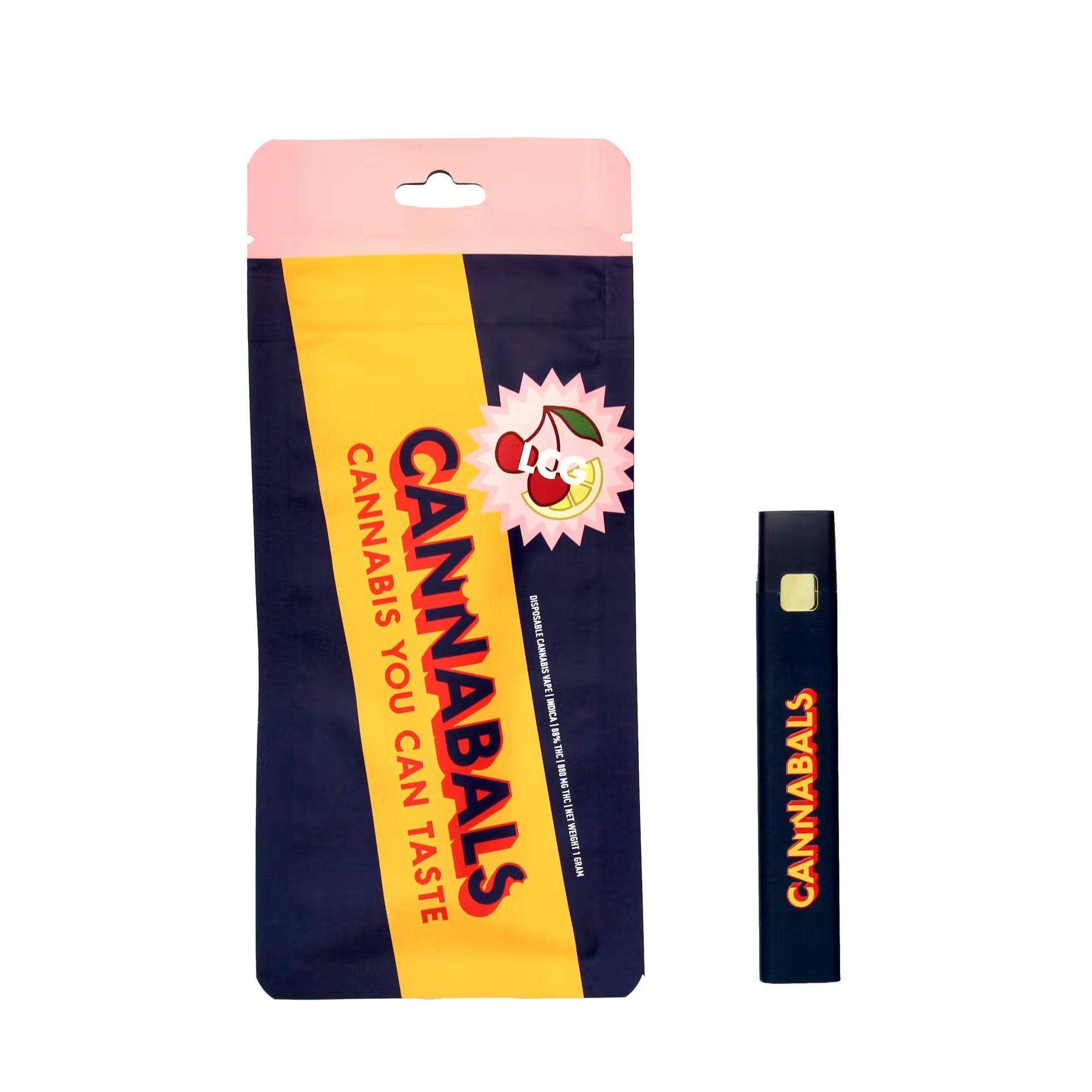
CannabalsCannabals Tahiti Lime - Distillate Mood Vape AIO · 1g
$13.00$26.00
$16after tax

weeddispensarynearme.com
You must be 21 years or older to enter. By entering, you confirm you’re of legal age in your state to purchase cannabis.
For use only by adults 21+ • Keep out of reach of children
1 live products in stock
Quick answer · What is the Tahiti Lime cannabis strain?
Tahiti Lime arrives like a sea breeze cutting through a sun-drenched afternoon — bright, citrus-forward, and unmistakably alive. This sativa-dominant cultivar carries an assertive lime-rind aroma underpinned by tropical sweetness, making it one of the more distinctive entries in the contemporary citrus-terpene canon. Its uplifting, clear-headed character suits the daytime consumer who values both mental clarity and sensory pleasure in equal measure.
$16after tax
About Tahiti Lime
Tahiti Lime's precise genetic lineage has not been fully disclosed by a single confirmed breeder, and public cannabis databases list its parentage as debated or unconfirmed — a circumstance common among boutique or craft-market cultivars that travel through regional clone networks before receiving formal documentation. What most growers and seed-bank references agree upon is that the strain exhibits strong characteristics consistent with citrus-leaning sativa hybrids, likely drawing from lime- or lemon-phenotype parents within the broader OG Lime, Key Lime Pie, or Citral family trees — all of which have contributed heavily to the fragrant, terpinolene-rich sativa styles popular since the mid-2010s West Coast cultivation boom. The name itself suggests a deliberate tropical branding in the tradition of strains like Maui Wowie and Pineapple Express, positioning the cultivar within an experiential narrative of warmth and ease. Some market sources place its popularization among California craft growers, where terpene-expressive, light-structured sativas gained significant traction as the state's adult-use market matured post-2016. Genetic siblings or analogues — strains occupying a similar niche — include Citral Glue, Key Lime OG, and various Lime Skunk phenotypes, all of which share a limonene-dominant, terpinolene-accented terpene signature. Until a breeder formally publishes a verified lineage chart, the full ancestry of Tahiti Lime remains an open and honest question.
The onset of Tahiti Lime follows the pattern typical of well-grown sativa-dominants: a relatively brisk cerebral lift that often begins within five to ten minutes of inhalation. The initial impression is one of brightened attention — thoughts arrive with a certain crispness, and the environment can feel more vivid or acoustically alive than usual. This is not a jarring or racey experience in well-cured, lower-stress batches; rather, it tends toward an energized calm that feels productive rather than agitating. At its peak, the experience is predominantly cerebral. Physical sensations remain present — a mild body warmth, a loosening of tension across the shoulders — but they play a supporting role to the mental clarity that defines this cultivar's reputation. The dominant terpene profile, likely led by limonene and terpinolene with myrcene in a softer secondary position, correlates with the mood-elevating and mildly anxiolytic qualities that consumers frequently describe. Terpinolene in particular is associated in the literature with uplifting, sometimes lightly euphoric character. Duration typically runs two to three hours at moderate consumption, with a gradual and soft comedown that avoids the abrupt energy drop associated with some high-terpinolene cultivars. As always, individual response varies considerably, and those newer to sativa-dominant strains are well-served by starting low and going slow.
Tahiti Lime presents one of the more immediately arresting aromatic profiles in the citrus-sativa category. On the nose, the dominant impression is unmistakably lime rind — not lime juice, but the bright, slightly bitter, and waxy fragrance of the outer zest, which points directly to a high limonene concentration. Limonene, one of the most prevalent terpenes in the cannabis plant, is the primary carrier of citrus aromas and has been associated in early research with mood elevation, though the science on specific human effects remains developing. Beneath the citrus foreground sits a secondary layer of tropical sweetness — faint mango or papaya-adjacent notes that suggest the presence of myrcene and ocimene in moderate quantities. Myrcene contributes an herbal earthiness that keeps the aroma from reading as purely synthetic or candy-like, while ocimene can introduce light floral and sweet herbaceous threads when present. A subtle resinous pine note rounds the profile, consistent with small but perceptible alpha-pinene contribution, which also carries associations with mental focus and alertness. On the palate — whether smoked in a well-rolled joint or experienced through a vaporizer set to lower temperature ranges — Tahiti Lime delivers a clean, bright citrus upfront that transitions into a mild herbal-damp exhale. The finish is relatively clean and does not linger with heaviness, which suits its overall light, daytime character. The smoke, when combusted, carries a mild tartness that distinguishes it from sweeter citrus strains.
Tahiti Lime buds tend toward a moderately dense, elongated structure that reflects their sativa-dominant genetics — less compact than a typical indica-leaning cultivar, with a somewhat tapered calyx arrangement and visible foxtailing in some phenotypes. The flowers are typically medium to large, with a slightly airy interior that allows for good airflow during the cure. The colour palette reads as a vivid medium green, often brightened by patches of lime or yellow-green on interior calyxes — a visual attribute that reinforces the strain's citrus identity. Pistils are generally amber to burnt orange at peak maturity, threading through the flower in moderate density. Trichome coverage is generous for a sativa-dominant cultivar, giving dried flowers a frosted, slightly silvery appearance under direct light. The resin glands are predominantly capitate-stalked and visible to the naked eye, signaling a reasonably expressive terpene production even before the jar is opened.
Tahiti Lime performs well in both indoor and outdoor settings, though its sativa-leaning structure — including a tendency toward vertical stretch — makes indoor cultivation somewhat more management-intensive than a compact indica-dominant variety. Growers who have documented this cultivar suggest a flowering window in the range of nine to ten weeks under standard photoperiod conditions, which is consistent with most mid-length sativa hybrids. Indoor yields are reported as moderate to above average when training techniques such as low-stress training or screen-of-green are employed to manage canopy height and light penetration. Outdoor cultivation in warm, Mediterranean-style or tropical climates is where this strain arguably expresses its terpene profile most vividly — high ambient temperatures and UV exposure tend to enhance limonene and terpinolene expression in citrus cultivars. Humidity control during late flowering is advisable, as the moderate bud density can be susceptible to moisture retention. Overall difficulty is considered intermediate, making it a rewarding project for those with a season or two of cultivation experience rather than an ideal starting point for first-time growers.
Tahiti Lime is most at home in the luminous hours of late morning through late afternoon — the window when the mind benefits most from an additional degree of animation and the body does not yet demand rest. It suits solo creative sessions particularly well: writing, sketching, or any pursuit where a loosened associative mind is an asset rather than a liability. The clear-headed quality of its peak experience means it does not overwhelm the capacity for careful, detail-oriented work, but it does soften the threshold between effort and engagement. For social contexts, Tahiti Lime threads well into a casual outdoor gathering — a rooftop afternoon, a farmers' market walk, or a beach day where conversation flows without particular destination. The citrus terpene profile pairs elegantly with fresh, acidic foods: ceviche, yuzu-dressed salads, sparkling water with citrus, or a light Sauvignon Blanc if alcohol is part of the occasion. Musically, the strain's character aligns with rhythmically bright, textured work — Afrobeat, bossa nova, or any genre that rewards attentive listening without demanding full contemplative absorption. It is, in short, a cultivar for people who want to be present.
Super Lemon Haze
Fans of Tahiti Lime's bright limonene-forward aroma and energizing sativa lift will find a well-documented, widely available analog in Super Lemon Haze, which shares the citrus-dominant terpene profile and uplifting cerebral character.
Tangie
Tangie's intense citrus-rind fragrance and mood-elevating sativa effects occupy a very similar experiential space, making it a natural recommendation for anyone drawn to Tahiti Lime's aromatic identity.
Key Lime OG
Sharing likely genetic adjacency and a distinctive lime-over-earth terpene signature, Key Lime OG appeals to the same consumer seeking citrus brightness with a slightly more grounded body dimension.
Pineapple Express
Those who appreciate Tahiti Lime's tropical aromatic register and smooth, sociable effect arc will recognize a kindred spirit in Pineapple Express, which adds tropical fruit depth to a similarly energizing sativa-leaning experience.
Citral Glue
Citral Glue shares the limonene-and-terpinolene terpene architecture and vivid citrus character, making it a worthy alternative for consumers who enjoy Tahiti Lime's brightness but seek slightly longer-lasting effects.
Tahiti Lime is classified as a sativa-dominant cultivar, meaning its effects profile leans toward the cerebral, energizing, and mood-elevating end of the spectrum rather than the sedating or body-heavy qualities more associated with indica-dominant strains. Its bud structure — somewhat elongated and airy — also reflects this sativa heritage. For daytime consumers, this orientation is generally considered one of the strain's more appealing attributes.
Tahiti Lime delivers a pronounced lime-rind flavor on the inhale — bright, slightly bitter, and citrus-forward rather than sweet. The exhale introduces a softer herbal and mildly tropical note, with a clean finish that avoids heaviness. When vaporized at moderate temperatures, the citrus clarity is particularly well-defined. The overall palate experience is fresh, tart, and relatively light, consistent with the limonene and terpinolene terpene profile that defines this cultivar.
Consumers typically describe an uplifting, clear-headed experience that begins with a cerebral brightening — heightened focus, elevated mood, and a sense of engaged energy — followed by mild physical relaxation in the body. The arc is smooth rather than intense, and the comedown is generally gradual. It is considered well-suited to daytime use, creative pursuits, and social settings where mental presence is valued. As with any cultivar, individual response varies, and a start-low-go-slow approach is advisable.
Consumers who enjoy Tahiti Lime tend to appreciate other citrus-forward, sativa-dominant cultivars such as Tangie, Super Lemon Haze, Key Lime OG, Pineapple Express, and Citral Glue. Each of these shares elements of the limonene-rich terpene profile or the uplifting, energized effect character that defines Tahiti Lime's appeal. The degree of similarity varies — Tangie and Super Lemon Haze are perhaps the closest aromatic analogs in wide availability.
Tahiti Lime can be approachable for newer consumers, but its sativa-dominant character warrants some care. Sativa-leaning cultivars can occasionally produce heightened heart rate or mild anxiety in sensitive individuals, particularly at higher consumption levels. For anyone new to adult-use cannabis, starting with a very small amount, waiting to assess the full onset before consuming more, and choosing a comfortable, familiar environment are all sound practices that apply here as with any cultivar.
Based on its well-documented aromatic and effect profile, Tahiti Lime's terpene composition appears to be led by limonene — responsible for the vivid lime-citrus fragrance — alongside terpinolene, which contributes uplifting and light floral qualities. Myrcene is likely present in a secondary role, providing earthy depth and mild body relaxation. Ocimene and alpha-pinene may also contribute tropical sweetness and resinous pine notes respectively, though specific lab-verified terpene percentages vary by batch and cultivar source.
Tahiti Lime is most naturally a daytime cultivar. Its energizing, clear-headed effect profile and bright citrus aroma suit late-morning through late-afternoon consumption particularly well. Many consumers find it well-matched to creative work, outdoor activity, or casual social settings during daylight hours. Evening use is less conventional given its sativa orientation, though individuals vary considerably in how they respond — some find the experience gentle enough to enjoy at any hour.
As of current publicly available documentation, Tahiti Lime does not have a single confirmed, widely credited breeder or a fully verified genetic lineage. Its parentage is considered debated or undisclosed in major cannabis databases. The strain's terpene and phenotype characteristics suggest citrus-dominant sativa parentage — possibly within the OG Lime, Key Lime, or Citral family trees — but consumers seeking definitive genetic provenance should note this remains an open question.
Related strains
Pick your store
We'll show pricing, deals, and delivery zones for the store you pick. You can switch any time from the header.