On sale· 25% OFF
THC 36.92%Indica
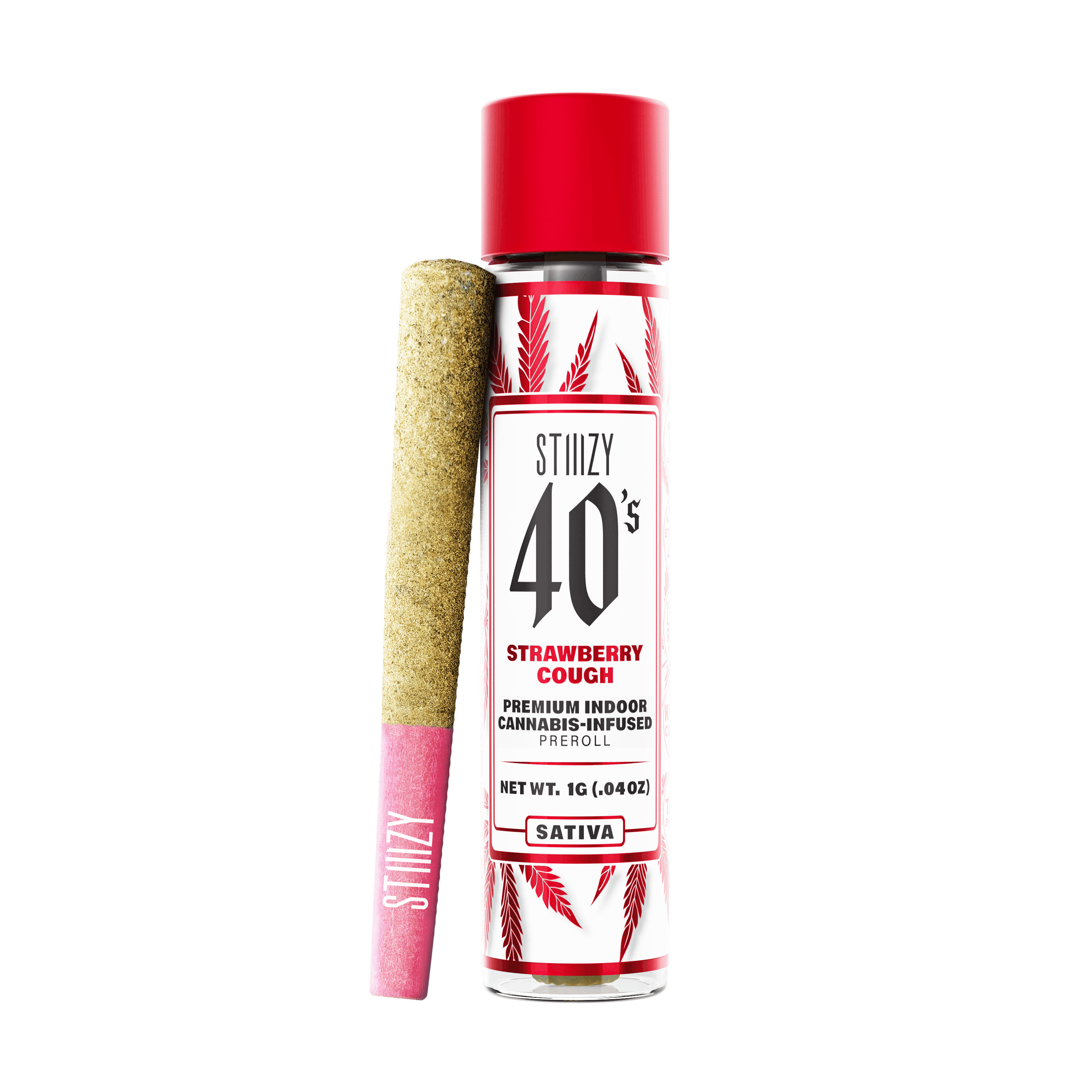
STIIIZYSTZY | Strawberry Mango | 40's Infused Preroll · 1g
$15.26$20.35
$18after tax

weeddispensarynearme.com
You must be 21 years or older to enter. By entering, you confirm you’re of legal age in your state to purchase cannabis.
For use only by adults 21+ • Keep out of reach of children
2 live products in stock
Quick answer · What is the Strawberry Mango cannabis strain?
Strawberry Mango arrives as a sun-warmed fruit basket translated into vapor — a sativa-leaning cultivar whose tropically sweet profile and gently uplifting character make it one of the more approachable expressions of the modern fruit-forward cannabis canon. Its vivid terpene architecture, dominated by ripe berry and stone-fruit notes, pairs with a clear-headed, sociable elevation that suits afternoon occasions as readily as early evening ones.
$18after tax

About Strawberry Mango
Strawberry Mango is generally understood to descend from two fruit-oriented parent strains: Strawberry Cough and a Mango-lineage cultivar, most commonly attributed to the classic Mango strain originally bred by KC Brains in the Netherlands during the early 1990s. KC Brains' Mango itself drew on KC 33 and an Afghani-influenced gene pool, lending the family a soft, resinous warmth beneath its tropical surface. Strawberry Cough, whose precise origins remain partially debated — Kyle Kushman has been widely credited with its popularization, though he has acknowledged receiving it as a clone of uncertain history — contributes a bright, expansive cerebral quality along with its hallmark berry sweetness. Together, the cross is designed to layer the Mango parent's dense, tropical stone-fruit terpene profile over Strawberry Cough's lively, socially orientated sativa effects. The specific breeder responsible for the Strawberry Mango combination has not been consistently documented across major public databases, making it difficult to assign a definitive release date or originating seed company. Several independent breeders in the United States have offered versions of the pairing since the mid-2010s, and phenotypic variation between batches is not uncommon. What remains consistent across documented cuts is a reliable sativa character with a fruit-forward nose that has earned the strain a devoted following in legal markets on both coasts.
Strawberry Mango tends to follow a sativa-characteristic onset pattern: the initial impression typically arrives within five to fifteen minutes of inhalation, presenting as a gentle brightening of mood and a mild sharpening of sensory focus. This onset is generally reported as smooth rather than abrupt, which some users attribute to the moderating influence of myrcene softening the more stimulating terpene contributors. The early phase leans cerebral — thoughts flow with relative ease, conversation feels natural, and creative associations may come more readily than usual. As the experience deepens into its peak window, which for most users falls between thirty and ninety minutes after consumption, the body begins to register a mild warmth without the heaviness characteristic of indica-dominant cultivars. The sativa lineage from Strawberry Cough keeps the mental state buoyant and socially functional; this is not a strain that tends to tether the consumer to a couch. Duration is typically moderate, with effects reported to taper gracefully over two to three hours, leaving a soft, settled baseline rather than an abrupt comedown. Caryophyllene's documented interaction with CB2 receptors may contribute a subtle easing of physical tension during the peak, while limonene's association with elevated mood aligns with the generally optimistic emotional texture users describe. As always, individual response varies considerably based on tolerance, consumption method, and set and setting. Those new to cannabis or to sativa-leaning cultivars are encouraged to start with a modest amount and allow adequate time before reassessing.
The terpene profile of Strawberry Mango is one of its most immediately distinctive qualities. Myrcene typically registers as the anchor terpene, lending a ripe, slightly musky stone-fruit sweetness that reads as mango and papaya on the nose — the same compound responsible for the characteristic earthiness in many tropical cultivars. Layered above it, ocimene contributes a brighter, almost floral-herbaceous lift that keeps the aroma from reading as flat or one-dimensional; this terpene is known for its sweet, faintly woody-green character and is common in fruit-forward sativa genetics. Limonene introduces a clean citrus brightness — a hint of tangerine peel or fresh-squeezed juice — that bridges the tropical and berry registers and is consistent with the Strawberry Cough influence in the genetic background. Caryophyllene, a spicy-woody sesquiterpene, appears as a grounding secondary note that adds just enough depth to prevent the profile from skewing cloying. Some cuts also express a thread of terpinolene, which brings a soft, piney-floral quality reminiscent of fresh orchard air. On the palate, Strawberry Mango is generally described as smooth and fruit-forward in both smoke and vapor, with the berry character dominating the inhale and the mango-tropical warmth emerging more fully on the exhale. The finish is relatively clean, with a lingering sweetness and minimal harshness — qualities that make it particularly well-suited to vaporization, where terpene expression is often more nuanced and the palate can discern the layered fruit notes with greater clarity.
Strawberry Mango buds typically present with the moderately dense, elongated structure common to sativa-leaning genetics — not the compact, boulder-like calyx formations of a heavy indica, but with enough substance to feel well-cultivated and finished. The coloration runs toward a vivid medium green with occasional chartreuse highlights, and healthy cuts will display a generous population of amber-to-rust pistils that thread across the surface, reinforcing the warm, ripe-fruit visual identity of the strain. Trichome coverage is notably generous for a sativa-oriented cultivar, lending the exterior a frosted, almost crystalline appearance when examined closely under good light. This resin density suggests a terpene richness consistent with the aromatic profile described above. The calyxes are generally well-formed and open, contributing to the airy-yet-substantial bud architecture. Overall, Strawberry Mango presents with a visual warmth and vibrancy that aligns with its aromatic character — a strain that communicates approachability and quality before the jar is even opened.
Strawberry Mango's sativa-leaning genetics suggest it inherits some of the vertical growth tendencies associated with Strawberry Cough parentage, meaning cultivators should anticipate plants that stretch meaningfully during the flowering transition and benefit from training techniques such as low-stress training or topping to manage canopy height and improve light penetration. Indoor growing is feasible and allows for tighter environmental control over temperature and humidity, which can help protect the aromatic terpene profile. Flowering time is generally reported in the range of nine to eleven weeks, which sits on the longer end of the spectrum for many hybrid cultivars but is consistent with sativa-dominant genetics. Indoor yields are considered moderate, and outdoor cultivation in warm, Mediterranean-style climates with long sun exposure can produce more generous results. The strain is considered moderately challenging for newer home cultivators, primarily due to its height management requirements and sensitivity to humidity fluctuations, which can affect trichome development and aroma. For the cultivator-curious shopper, understanding this background helps contextualize why well-grown Strawberry Mango commands careful attention to craft at the production level.
Strawberry Mango is well-suited to the kind of afternoon that benefits from gentle elevation without cognitive fog — a weekend brunch extending into the early afternoon, a gallery visit, or a collaborative creative session where ideas should flow freely but focus should remain accessible. Its sociable, mood-brightening character makes it a natural companion for small gatherings where conversation is the main event, and its fruit-forward terpene profile pairs intuitively with foods that share its register: a citrus-dressed summer salad, a charcuterie arrangement accented with fresh tropical fruit, or a well-made sparkling water with a squeeze of blood orange. Musically, the strain's bright, textured terpene architecture and uplifting sativa arc pair naturally with recordings that reward close, engaged listening — Brazilian jazz, early-era Afrobeat, or the more melodically intricate corners of indie pop. Outdoors, it suits a slow walk through a botanical garden or a relaxed picnic setting where sensory awareness is welcome but exertion is not required. The overarching theme is unhurried presence: Strawberry Mango rewards those who approach it with time to spare and an openness to letting the experience unfold at its own measured, fruit-warmed pace.
Strawberry Cough
As one of Strawberry Mango's parent strains, Strawberry Cough shares the same bright, berry-forward sweetness and socially uplifting sativa arc that defines the cultivar's core character.
Mango Kush
Mango Kush draws on a related tropical gene pool and delivers a similarly ripe, stone-fruit aromatic profile, making it a natural step for consumers drawn to Strawberry Mango's mango-dominant terpene expression.
Tropicana Cookies
Tropicana Cookies offers a comparable citrus-and-tropical terpene architecture with a mood-elevating sativa disposition, appealing to the same palate that gravitates toward fruit-forward, clear-headed cultivars.
Mimosa
Mimosa's blend of citrus brightness, berry undertones, and energetic sativa effects mirrors the uplifting, fruit-saturated experience that Strawberry Mango consumers tend to seek.
Zkittlez
While slightly more balanced in its effects, Zkittlez shares the multi-layered, candy-fruit terpene complexity that makes Strawberry Mango appealing to consumers who prioritize aroma and flavor as central to the experience.
Strawberry Mango is classified as a sativa-dominant cultivar. Its parentage — which draws on Strawberry Cough and a Mango-lineage strain — tilts the experience toward cerebral clarity and mood elevation rather than deep physical sedation. That said, phenotypic variation exists between cuts, and some batches may present a slightly more balanced effect profile. As always, consulting the specific batch's terpene and cannabinoid data at the point of purchase offers the most accurate guidance.
Strawberry Mango delivers a fruit-forward palate experience dominated by ripe berry on the inhale and warm tropical notes — mango, papaya — on the exhale. A subtle citrus brightness from limonene and a light floral quality from ocimene add complexity without disrupting the overall sweetness. The finish is clean and lingering, with minimal harshness. Vaporization tends to bring out the most nuanced expression of the layered fruit terpene profile.
Users commonly report a smooth, gently uplifting onset that brightens mood and encourages sociability and creative thinking. The experience tends to remain clear-headed and functional, without pronounced physical sedation, which aligns with its sativa-dominant character. The peak is typically characterized by a mild energetic warmth, and the comedown is generally described as gradual and soft. Individual response varies based on tolerance, consumption method, and environment.
Consumers who enjoy Strawberry Mango often find similar satisfaction in Strawberry Cough, which shares its berry-forward sweetness and uplifting sativa arc; Mimosa, which offers a comparable citrus-tropical brightness; Tropicana Cookies, for its mood-elevating fruit-terpene character; Mango Kush, for tropical aroma overlap; and Zkittlez, for its layered, candy-fruit complexity. Each offers a slightly different inflection on the shared themes of fruit-forward aroma and elevated, accessible effects.
Strawberry Mango is considered relatively approachable among sativa-dominant cultivars, largely because its onset is typically described as smooth and its effects as sociable rather than overwhelming. However, those new to cannabis should approach any sativa with measured caution, as cerebral effects can feel more pronounced for inexperienced consumers. The standard guidance applies: start with a modest amount, allow sufficient time to gauge the response before consuming more, and choose a comfortable, low-stress setting for the first experience.
Myrcene typically leads the terpene profile, contributing the ripe, tropical-fruit sweetness at the aromatic core. Ocimene adds a floral-herbaceous lift, limonene brings citrus brightness, and caryophyllene provides a grounding spicy-woody depth. Some cuts also express terpinolene, which introduces a soft piney-orchard quality. Together, these terpenes produce a layered, fruit-forward profile that is both immediately recognizable and genuinely complex on closer examination.
Given its sativa-dominant orientation and mood-brightening terpene profile, Strawberry Mango is generally better suited to daytime and early-evening occasions than to late-night wind-down sessions. Afternoon use — particularly in social or creative contexts — tends to align well with the strain's uplifting, clear-headed character. Consuming it close to bedtime may not be ideal for those who find sativa-leaning cultivars engaging rather than sedating, though individual response varies considerably.
In flower form, Strawberry Mango's aroma is expressive and immediate — the tropical and berry notes are evident upon opening the container, with the mango and citrus registers becoming more pronounced as the bud is broken apart. In vapor, the lower combustion temperature allows individual terpenes to express more discretely, often making the limonene and ocimene contributions — citrus brightness and floral lift — easier to distinguish from the myrcene-forward base. Many consumers find vaporization the more revealing format for appreciating the strain's aromatic layering.
Related strains
Pick your store
We'll show pricing, deals, and delivery zones for the store you pick. You can switch any time from the header.