
THC 28.02%Hybrid
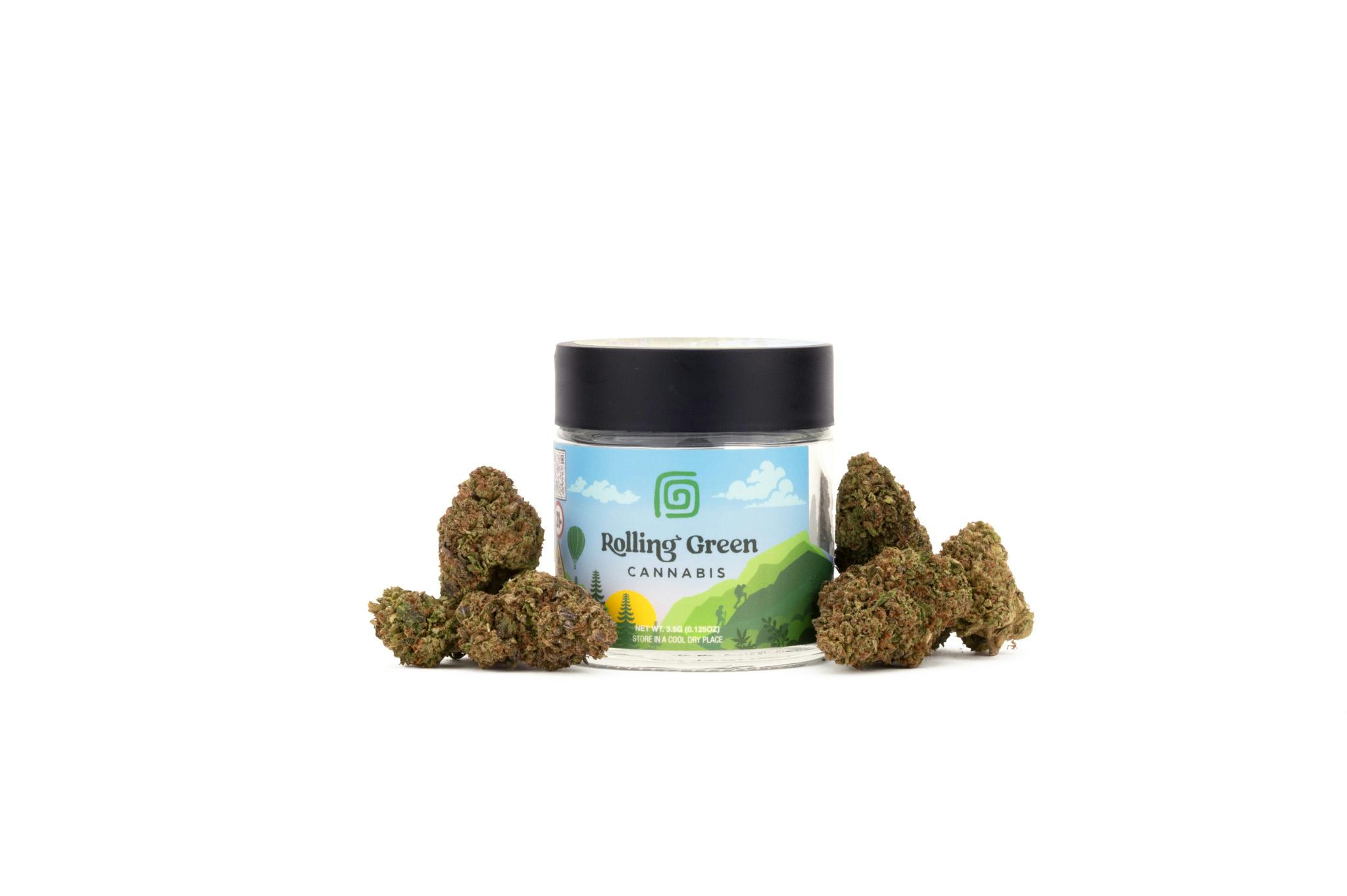
Rolling Green CannabisRolling Green | Rainbow Belts | Flower · 28g
$159.29
$180after tax

weeddispensarynearme.com
You must be 21 years or older to enter. By entering, you confirm you’re of legal age in your state to purchase cannabis.
For use only by adults 21+ • Keep out of reach of children
8 live products in stock
Quick answer · What is the Rainbow Belts cannabis strain?
Rainbow Belts arrives as a study in contrast — the sweet, candy-shop nostalgia of its flavor profile balanced against a surprisingly grounded, full-body presence. A hybrid of notable parentage, it delivers an experience that moves through the senses methodically: first a lift of quiet euphoria, then a softening of the body that never quite tips into sedation. For those who appreciate nuance in their cannabis, Rainbow Belts rewards attention.
$180after tax
$40after tax

$57after tax
$59after tax
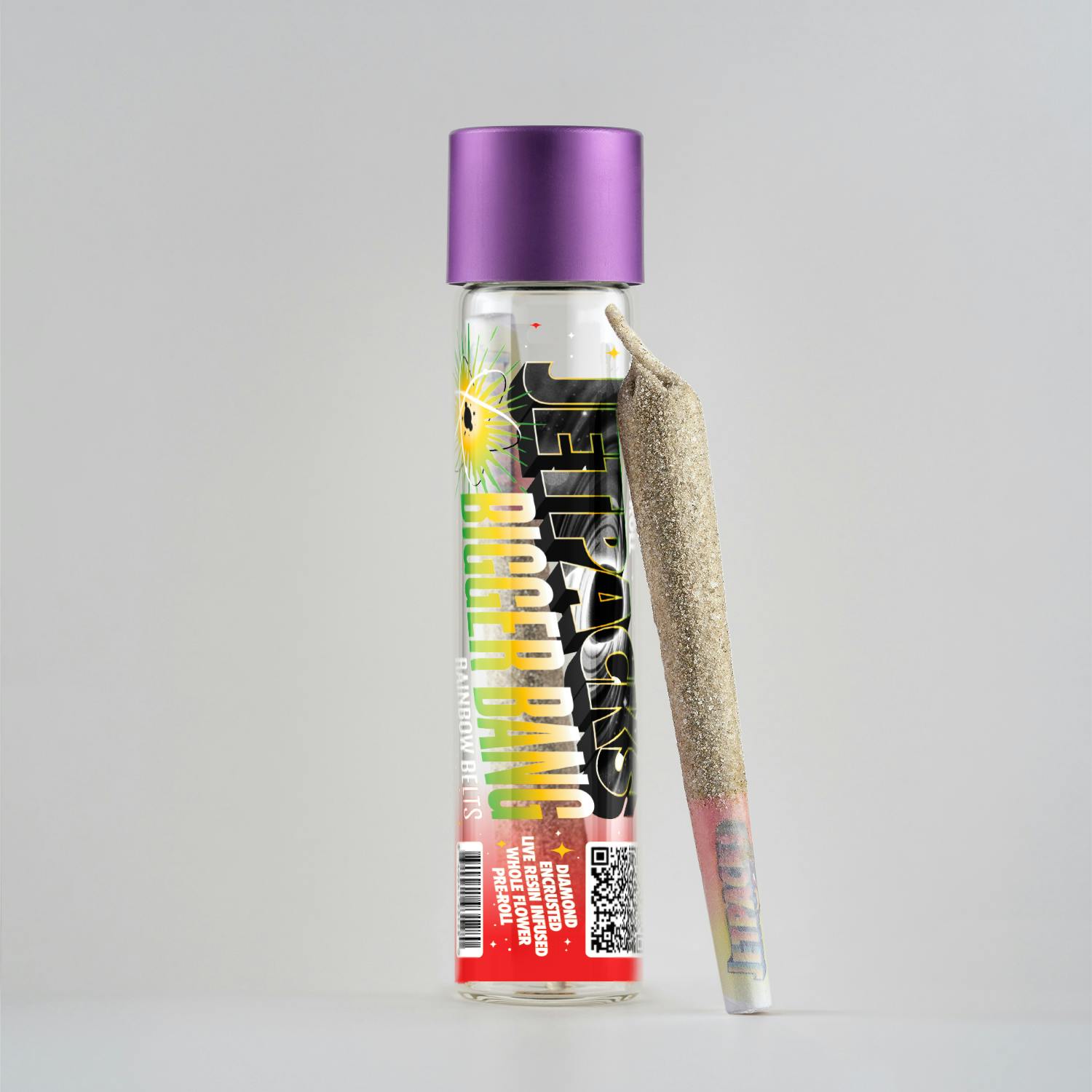
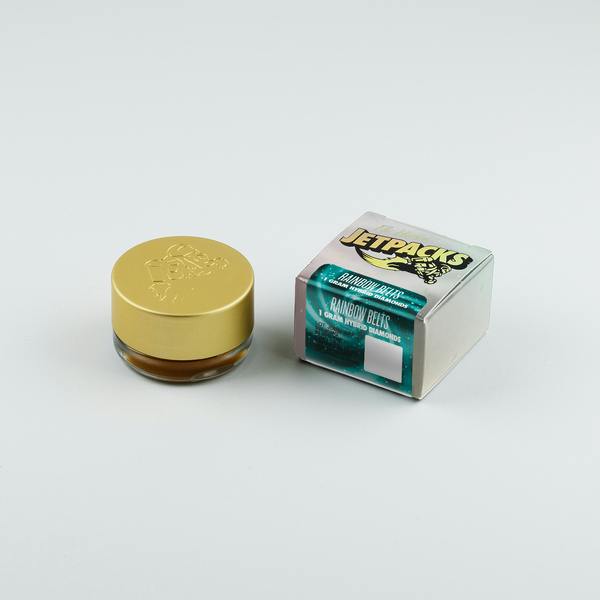
About Rainbow Belts
Rainbow Belts is widely attributed to the prolific California-based collective Zkittlez (also known as 3rd Gen Family and Terp Hogz), the same team responsible for the original Zkittlez, which won multiple Cannabis Cup titles in the mid-2010s. The strain is generally understood to be a cross of Zkittlez and Moonbow, the latter itself a cross of Do-Si-Dos and Zkittlez — making Rainbow Belts a heavily Zkittlez-influenced cultivar with a deep OG and indica lineage running beneath its candy exterior. Some phenotypic selections also carry influence from the broader Wedding Cake and Animal Mints family trees, though the breeder has not publicly confirmed all contributing genetics in every release. The strain gained visibility in the California market around 2019 to 2021, riding the wave of interest in sweet, fruit-forward hybrids that defined much of the West Coast premium market during that period. Its genetic siblings include Grape Zkittlez and Forbidden Zkittlez, which share the same flavor-forward breeding philosophy. Rainbow Belts phenotypes can vary meaningfully between cuts: some lean more toward the gassy, doughy character of Moonbow, while others express the bright, tropical fruit tones more associated with classic Zkittlez. Collectors and dispensaries typically distinguish these as RB #1 and RB #2, though naming conventions are not fully standardized across the market.
Onset for Rainbow Belts tends to arrive within five to fifteen minutes of consumption, making it a relatively prompt cultivar for a hybrid of its density. The initial effect is characteristically cerebral — a gentle brightening of mood and a loosening of mental tension that does not escalate into overt raciness or anxiety. This quality is partly attributed to the strain's terpene profile, in which myrcene and caryophyllene work in tandem to moderate the initial head effect and prevent the sharpness sometimes associated with high-limonene cultivars. As the experience deepens into its peak, typically between thirty and sixty minutes in, a body component becomes more pronounced. Muscles release subtle tension, and a quality of physical ease settles in without demanding sedation. The experience tends to remain functional for most seasoned consumers — conversations continue with ease, creative thought feels accessible, and physical movement is unimpaired. This balance makes Rainbow Belts a strong candidate for evening use before it tips to nighttime, or for afternoon sessions on relaxed days. The comedown is gradual and gentle, fading over one to two hours toward a restful, unhurried baseline. Those with lower tolerance should approach with the standard counsel: start with a modest amount, wait a full session before reassessing, and allow the arc to unfold at its own pace.
The aromatic identity of Rainbow Belts is its most immediately distinguishing quality. On opening a well-cured jar, the nose encounters a warm, candy-sweet top note reminiscent of fruit-flavored confections — the strain's Zkittlez heritage is unmistakable here. This sweetness is underpinned by myrcene, the most commonly dominant terpene in this cultivar, which contributes an earthy, slightly musky bass note that prevents the profile from reading as one-dimensional. Limonene adds a citrus brightness — think tangerine peel or a squeeze of mandarin — that lifts the mid-register and keeps the aroma fresh rather than cloying. Caryophyllene, present in moderate to significant quantities across most tested phenotypes, introduces a subtle spice — a faint pepperiness that only becomes apparent when the flower is broken apart or ground. This compound is also unique among terpenes for its ability to interact with CB2 receptors, which is thought to contribute to Rainbow Belts' grounding body quality. Some phenotypes also carry detectable linalool, lending a faint floral, almost lavender note that softens the overall impression. On the palate — whether smoked in a glass piece or consumed through a dry-herb vaporizer — Rainbow Belts delivers a notably smooth, sweet draw. The exhale carries the fruit-candy character most prominently, finishing with a faint earthiness and a lingering spice. The vapor experience tends to preserve the citrus and floral notes more faithfully than combustion, which intensifies the earthier, spicier base tones.
Rainbow Belts produces buds that are dense and compact in structure, reflecting the indica-leaning qualities of its Moonbow and Do-Si-Dos lineage. Well-grown specimens present a layered color palette that earns the strain its name: deep forest greens and occasional flashes of purple — the latter more pronounced in cuts grown at cooler temperatures during the final weeks of flowering — are threaded through with vivid orange to rust-colored pistils that curl generously across the surface of each calyx. Trichome coverage is a defining visual characteristic of quality Rainbow Belts. A fully mature, properly dried and cured cut will appear almost silver-white under direct light, with a thick, resinous frosting that extends from the sugar leaves down into the bract structure. The calyxes themselves are rounded and slightly swollen, giving the finished bud a full, heavy character in the hand. A well-preserved cut retains its structural integrity without excessive brittleness, indicating careful moisture management during cure.
Rainbow Belts is considered a moderately challenging cultivar for home growers, owing in part to the attention its dense bud structure demands during late flowering. The thick, compact calyxes that define its premium appearance also create conditions favorable to moisture retention, making airflow management and humidity control essential, particularly in the final two to three weeks before harvest. Indoor cultivation under controlled conditions is where this strain most reliably expresses its full terpene potential, with a flowering window typically cited between eight and nine weeks. Outdoor cultivation is viable in warm, Mediterranean-style climates where late-season humidity is not a concern — the Pacific Coast environments in which this strain was developed represent its natural outdoor habitat. Indoor yields are generally moderate, rewarding cultivators who invest in training techniques such as low-stress training or light defoliation to improve canopy light penetration. The strain's resin production makes it a notable candidate for solventless extraction, and many small-batch producers specifically seek out Rainbow Belts for this application. For the cultivator-curious shopper, it is a strain that repays patience and attentiveness rather than one suited to low-maintenance growing approaches.
Rainbow Belts occupies a particular niche in the hybrid spectrum: it is social without being overstimulating, and relaxing without tipping toward inertia. This makes it well suited to the transitional hours of an evening — the window between the end of the workday and dinner, or the unhurried hours of a Saturday afternoon when no specific agenda presses. Its mood-lifting onset pairs naturally with creative pursuits that benefit from a slightly altered perspective without demanding intense focus: sketching, playlist curation, or a slow walk through a neighborhood with good architecture. At the table, Rainbow Belts finds natural companions in food profiles that echo its own sweetness and acidity. Stone fruits — peaches, plums, a well-ripened nectarine — harmonize with the limonene and myrcene character of the strain. A soft, lightly aged cheese alongside a small pour of a fruit-forward natural wine would not be out of place. For a musical companion, the strain's balance of brightness and body gravitates toward something warm and layered: a late-period soul record, a carefully considered ambient album, or the kind of jazz that moves at conversational pace rather than demanding intellectual effort.
Zkittlez
As Rainbow Belts' primary parent, Zkittlez shares the same fruit-candy terpene signature and offers a similarly grounding hybrid experience for those who want a closer look at the lineage.
Moonbow
The other direct parent of Rainbow Belts, Moonbow carries more of the doughy, OG-influenced character that underpins Rainbow Belts' body quality, making it a natural companion for fans of the earthier side of this strain.
Grape Zkittlez
A genetic sibling bred from the same Terp Hogz / 3rd Gen Family lineage, Grape Zkittlez emphasizes the darker berry and grape tones within the same sweet-fruit flavor framework.
Runtz
Runtz shares the candy-sweet, myrcene-forward profile and balanced hybrid effect arc that defines Rainbow Belts, making it a reliable recommendation for shoppers drawn to this flavor category.
Wedding Cake
Fans of Rainbow Belts who want more of the rich, vanilla-dough body quality with a comparable level of resin production and evening-leaning effects will find a familiar rhythm in Wedding Cake.
Rainbow Belts is classified as a hybrid, with its lineage — Zkittlez crossed with Moonbow — pulling toward the indica side of the spectrum in terms of body effect. Most consumers describe an initial cerebral lift followed by a pronounced physical ease, a pattern more consistent with indica-leaning hybrids than with sativa-dominant cultivars. The balance, however, is one of its defining qualities: neither effect dominates to the point of imbalance.
Rainbow Belts delivers a notably sweet, fruit-candy flavor on the inhale, strongly influenced by its Zkittlez parentage. Notes of tropical fruit, tangerine, and a faint berry character define the primary taste experience. The exhale introduces a gentle earthiness and a subtle spice — attributable to caryophyllene — that rounds out what might otherwise be an entirely confection-driven profile. A light floral note is detectable in some phenotypes, likely from the presence of linalool.
Rainbow Belts typically produces an onset of mild cerebral euphoria within five to fifteen minutes, followed by a gradual body relaxation that deepens over the following thirty to forty-five minutes. The experience is generally described as balanced — uplifting enough for social or creative engagement but grounding enough to support physical ease. Most consumers find the duration runs between one and two hours, with a gentle, unhurried comedown. Those new to cannabis should approach any new cultivar conservatively.
Consumers who enjoy Rainbow Belts frequently also appreciate Zkittlez and Moonbow, its direct parents, as well as Runtz, which shares the candy-sweet terpene profile and balanced hybrid arc. Grape Zkittlez, a genetic sibling from the same breeding family, offers a darker berry variation on the same theme. Wedding Cake appeals to Rainbow Belts fans who favor the richer, more body-dominant side of the experience paired with high resin output.
Rainbow Belts is a moderately potent hybrid, and while its effect profile is balanced rather than overwhelming, new or infrequent consumers should approach it with care. Its resin-dense bud structure often reflects a robust cannabinoid and terpene concentration, which can produce a more intense experience than anticipated. The standard guidance applies: start with a small amount, allow adequate time — at least thirty minutes — to assess the full effect before consuming more, and choose a comfortable, familiar setting.
Myrcene is the most commonly identified dominant terpene in Rainbow Belts, contributing the earthy, slightly musky base note and supporting the strain's body-relaxing quality. Caryophyllene follows as a significant secondary terpene, adding a subtle spice and a grounding effect attributed to its interaction with the body's CB2 receptors. Limonene adds citrus brightness, while linalool — present in some phenotypes — contributes a faint floral character that softens the overall aromatic impression.
Rainbow Belts is best suited to the afternoon or early evening, occupying the transitional space between active daytime engagement and the full wind-down of the night. Its initial cerebral lift supports creative or social activity, while its body component makes late-night or high-demand productivity less natural. Those who are sensitive to indica-leaning hybrids may find it more appropriate as a strictly evening cultivar, while experienced consumers often find it functional well into the afternoon hours.
Rainbow Belts is widely attributed to the California breeding collective known as 3rd Gen Family and Terp Hogz, the same group responsible for the original Zkittlez. The strain emerged from the California premium cannabis market in approximately 2019 to 2021, and its development reflects the same philosophy of fruit-forward, terpene-expressive breeding that defined the group's earlier work. Some details of specific phenotype selection have not been fully disclosed publicly by the breeders.
Related strains
Pick your store
We'll show pricing, deals, and delivery zones for the store you pick. You can switch any time from the header.