
Indica
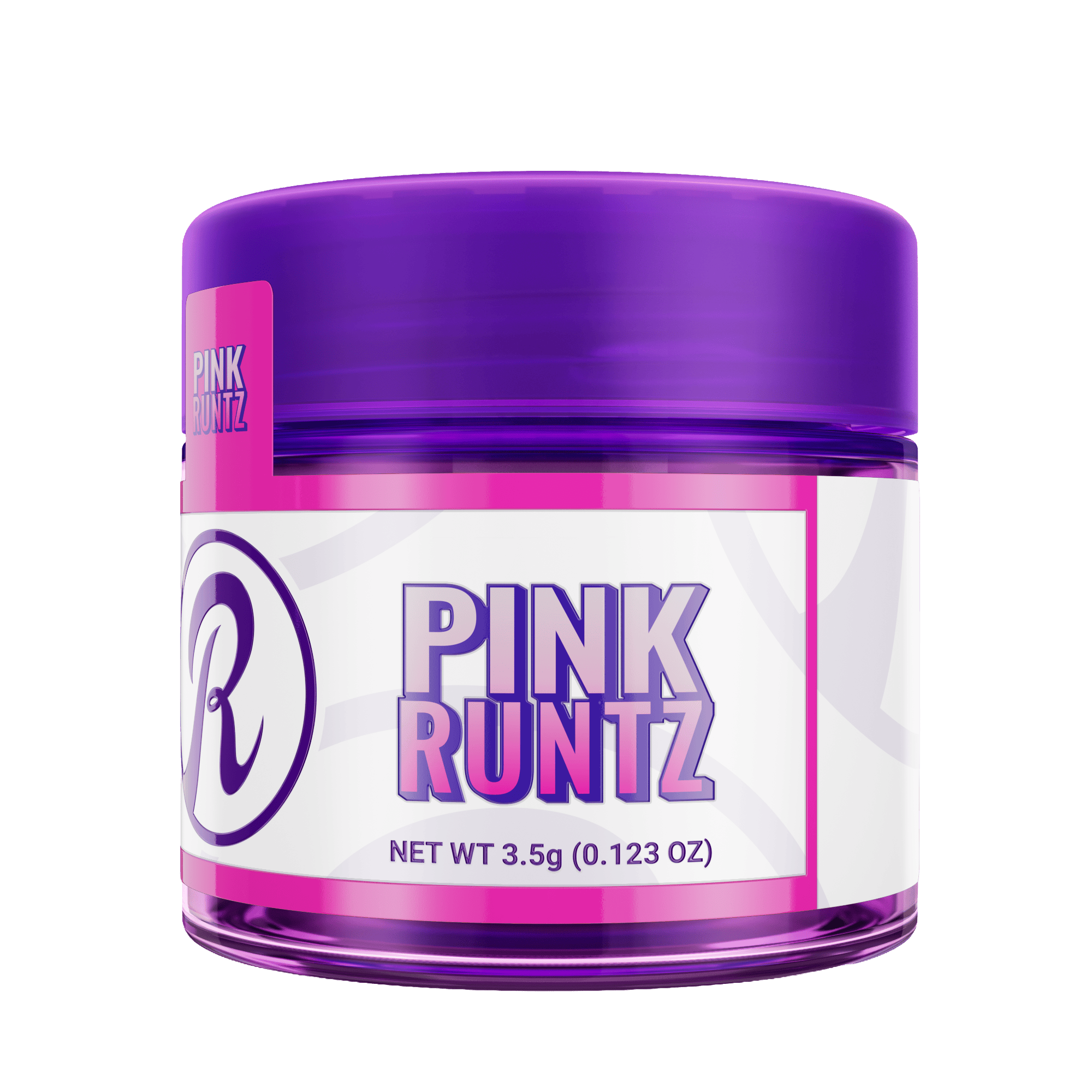
All strains Pink Runtz
6 live products in stock
Quick answer · What is the Pink Runtz cannabis strain?
Pink Runtz arrives at the intersection of indulgence and refinement — a sativa-leaning hybrid whose candy-sweet aroma, lush rose-tinted buds, and buoyant, clear-headed lift have made it one of the more sought-after expressions of the modern Runtz family. Equal parts visual spectacle and sensory pleasure, it rewards the discerning New York consumer who wants elevation without sedation, and sweetness without excess.
Shop Pink Runtz · 6 of 6 live products
THC 81.1% - 86.29%Hybrid
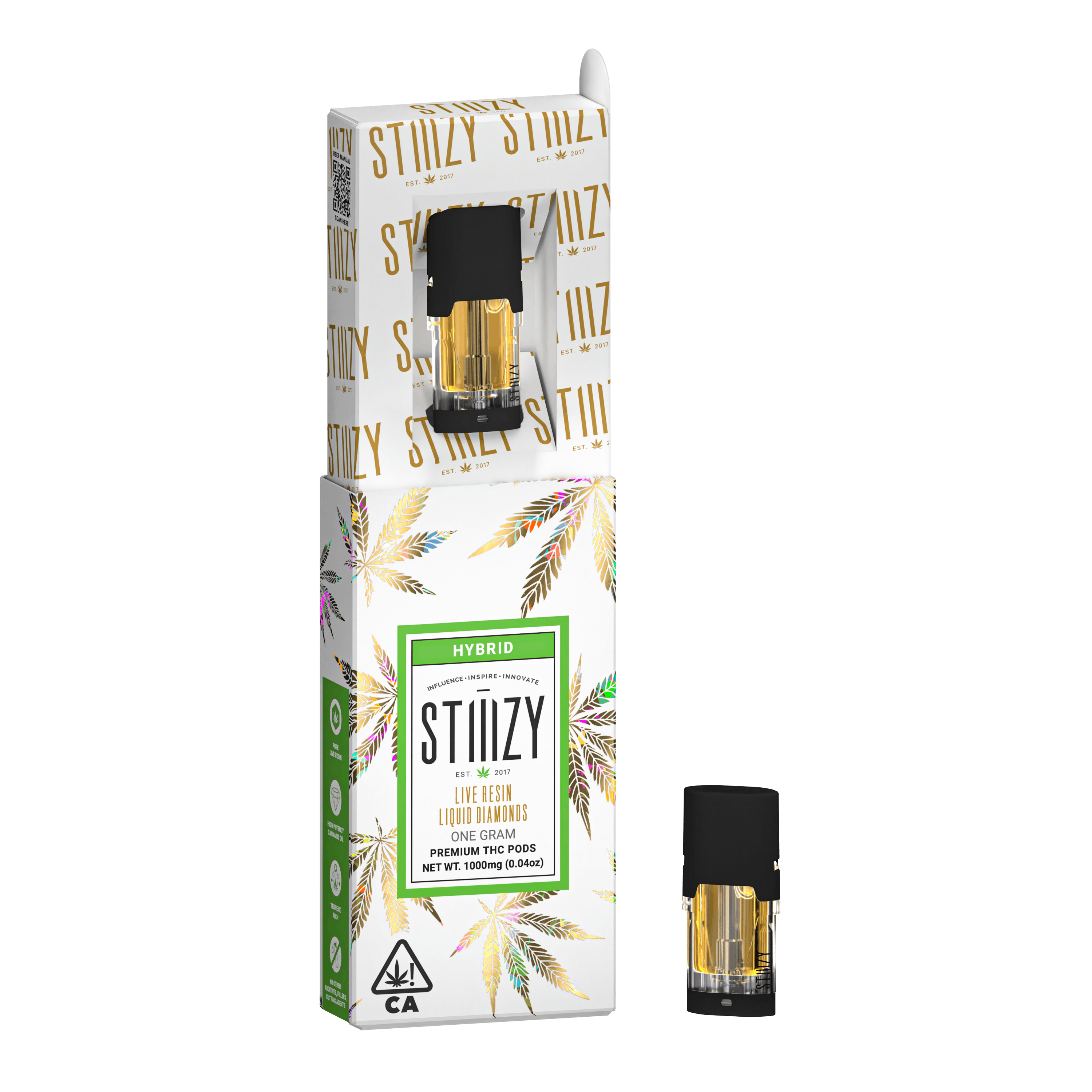
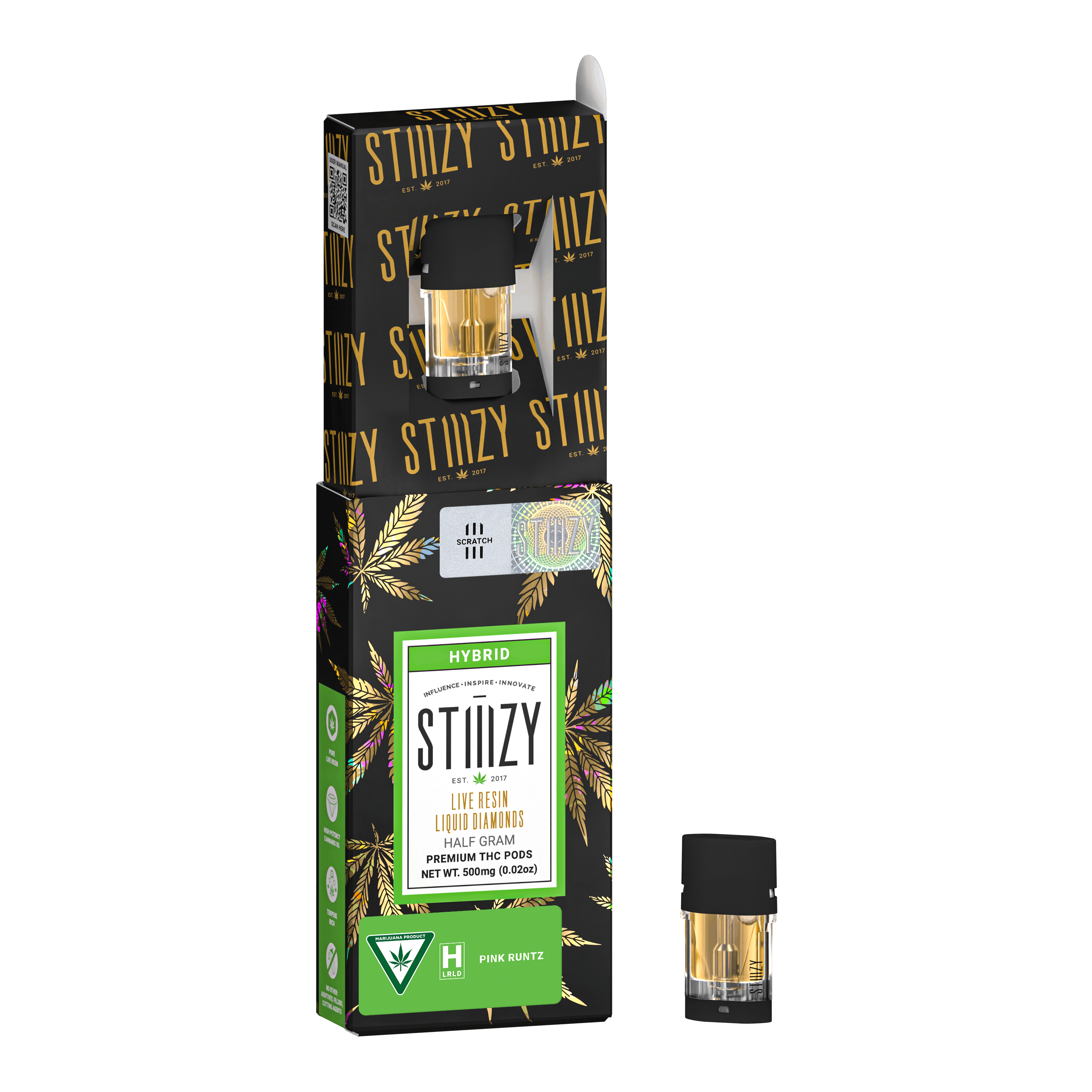
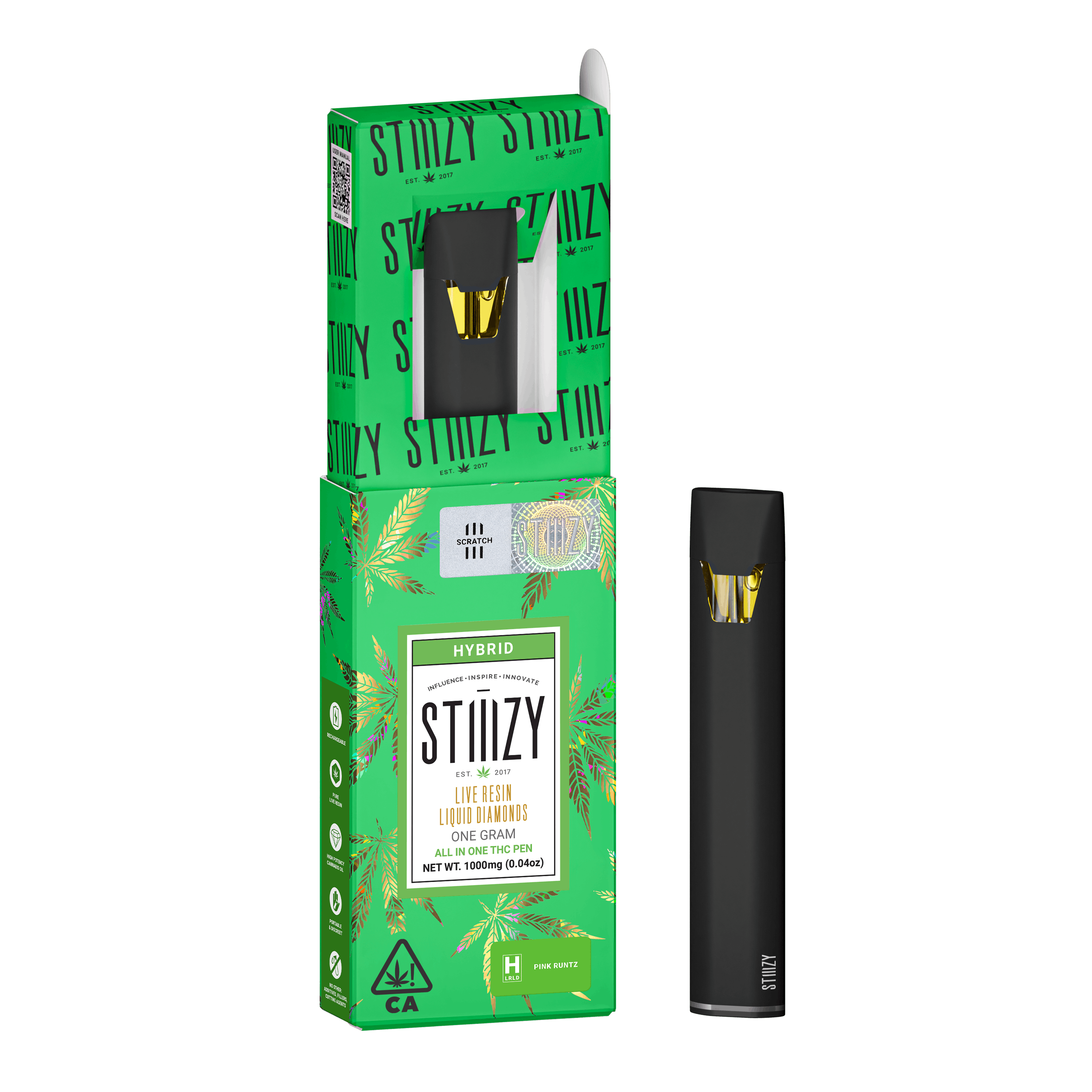
STIIIZYPink Runtz Live Resin Liquid Diamonds Pod | 0.5g · .5g
$24.78
$28after tax


About Pink Runtz
Everything to know about Pink Runtz.
Lineage & origin
Pink Runtz is widely understood to be a phenotype — or in some accounts a deliberate cross — derived from the original Runtz, itself the acclaimed union of Zkittlez and Gelato. Zkittlez, bred by Terp Hogz in collaboration with 3rd Gen Family and Dying Breed Seeds, brought the fruity, candy-forward terpene architecture that defines much of the Runtz family's character. Gelato, a prolific Bay Area cultivar developed by Cookie Fam Genetics from Sunset Sherbet and Thin Mint GSC, contributed the dense, resinous structure and the creamy, dessert-like depth that grounds the sweetness. The precise origin of the Pink Runtz phenotype is a matter of some debate within the cannabis community. Some accounts attribute it to Cookies, the same house responsible for popularizing the original Runtz, while others suggest independent breeders isolated particularly pink-expressing phenotypes from Runtz seed runs and selected them for their distinctive coloration and slightly elevated sativa lean. The name references the pastel-pink pistils and lavender hues that appear under cooler finishing temperatures — a trait that emerged through phenotype selection rather than a fundamentally different genetic cross. Genetic siblings and close relatives include White Runtz, Rainbow Runtz, and Runtz OG, each emphasizing different facets of the Zkittlez-Gelato profile. Pink Runtz distinguishes itself through a lighter, more uplifting effect profile and a terpene expression that trends slightly more toward limonene and terpinolene than its heavier siblings.
Effects
The onset of Pink Runtz tends to arrive within five to fifteen minutes of inhalation — a gentle, brightening pressure that gathers behind the eyes before diffusing outward across the temples and crown. The experience aligns with what one would expect from a sativa-leaning hybrid: the mind sharpens and becomes more receptive to conversation, creative thought, and sensory detail, without the anxious edge that can accompany more purely sativa-dominant cultivars. At its peak, the experience is characterized by a sociable, lightly euphoric clarity. The body is not ignored — there is a comfortable warmth and mild muscle relaxation that traces the Gelato lineage — but it does not anchor the consumer to the couch. The cerebral quality remains dominant for most users through the peak window, which typically spans sixty to ninety minutes. The terpene interplay between limonene, known to support mood elevation, and myrcene, which contributes a gentle physical ease, helps explain why the experience feels simultaneously energized and composed. The comedown is gradual and gentle, tapering into a settled, relaxed state rather than an abrupt conclusion. Duration from onset to full resolution is generally two to three hours for most consumers, though individual response varies considerably based on tolerance, consumption method, and set and setting. Those newer to cannabis are encouraged to start with a modest amount and allow adequate time before re-dosing.
Aroma, flavor & terpenes
The dominant terpenes typically identified in Pink Runtz are limonene, myrcene, and caryophyllene, with secondary contributions from terpinolene and occasionally linalool — a profile that reads on the nose as a confectionery shop with botanical depth. The initial aroma on opening the jar is bright and citrus-forward, a quality driven by limonene, the same monoterpene found in lemon peel and orange rind. It gives the first impression a clean, effervescent lift. Beneath that citrus brightness, myrcene introduces a ripe, almost tropical fruitiness — think mango skin and overripe berry — that thickens the sweetness and draws it toward the candy character the Runtz family is celebrated for. Caryophyllene, the only terpene known to interact with CB2 receptors, adds a subtle spiced warmth and a faint pepper note that prevents the profile from becoming cloying. Where linalool is present, it weaves a soft floral thread — faintly of rose and lavender — that enhances the pink aesthetic in an almost synesthetic way. On the palate, the smoke is smooth and sweet, with the candy-fruit quality arriving first and the spiced, creamy exhale following close behind. Vapor tends to amplify the floral and citrus notes, making a temperature-controlled vaporizer a rewarding delivery method for those seeking to explore the full aromatic range. The finish is clean, with a lingering sweetness that recalls watermelon candy and soft citrus peel.
Appearance
Pink Runtz buds present with a medium-to-dense structure that reflects the Gelato parentage — tightly wound calyxes that pack into compact, slightly elongated formations without becoming brick-hard. The color palette is one of this cultivar's most arresting qualities: a deep forest green base is interrupted by patches of muted lavender and soft purple, the result of anthocyanin expression during cooler late-stage flowering temperatures. The pistils, or hairs, range from soft peach to a vivid coral-pink, which gives the cultivar its name and lends a warm, almost painterly quality to a well-cured flower. Trichome coverage is generous and evenly distributed, lending the surface a frosted, slightly translucent appearance under direct light. The resin glands are predominantly capitate-stalked, visible to the naked eye as a dense crystalline layer that speaks to the potency of the Zkittlez-Gelato genetic foundation. When broken apart, the interior reveals a lighter green core threaded with the same pink-orange pistils, and the aroma releases with immediate intensity.
Growing notes
Pink Runtz is considered an intermediate-difficulty cultivar — manageable for an experienced home grower, but not the most forgiving choice for a first-time cultivator. It thrives in a controlled indoor environment where temperature and humidity can be dialed in precisely; the prized pink and lavender coloration is largely dependent on exposing the plant to a modest temperature differential between day and night cycles during the final two to three weeks of flowering, typically dropping night temperatures into the low 60s Fahrenheit. Indoor flowering time generally falls between eight and nine weeks, with most phenotypes finishing closer to sixty days. Yields are moderate — respectable for the quality delivered, though not exceptional in raw volume. Outdoors, Pink Runtz performs well in dry, Mediterranean-style climates where late-season humidity is low, as the dense bud structure can be susceptible to mold if moisture is unmanaged. Training techniques such as low-stress training and light defoliation are commonly employed to improve light penetration and air circulation through the canopy, supporting even development across the plant.
When it's best enjoyed
Pink Runtz is well-suited to the first half of an unhurried evening — the window between obligation and full rest when the mind is ready to explore but the body welcomes a degree of ease. It is a natural companion for a solo creative session: a canvas, an open notebook, or a carefully curated playlist reward the gentle perceptual sharpening it provides. The limonene-forward terpene profile aligns particularly well with activities that benefit from an elevated mood and fluid thinking rather than deep, locked-in concentration. For those who prefer a social context, Pink Runtz suits an intimate dinner gathering or a gallery opening — settings where conversation flows easily and sensory detail, from food to art to music, is worth paying attention to. As a food pairing, the strain's sweet, citrus-and-berry aromatic profile finds a complementary counterpart in light desserts built around stone fruit, yuzu curd, or strawberry. On the musical side, its sativa lean and candy-bright character pair naturally with artists whose work sits at the boundary of R&B and electronic production — mellow in texture, but rhythmically alive.
If you like Pink Runtz, also explore
Runtz
As the direct parent of Pink Runtz, Runtz shares the same Zkittlez-Gelato candy sweetness, making it the most intuitive next step for anyone who responds to the Pink phenotype's flavor architecture.
Zkittlez
Fans drawn to Pink Runtz for its fruity, confectionery aroma will find Zkittlez delivers a similarly sweet, grape-and-berry profile with a comparably balanced, mood-lifting experience.
Gelato
Those who appreciate the creamy, dessert-like depth beneath Pink Runtz's sweetness will recognize that quality as Gelato's signature contribution, making Gelato a satisfying exploration of that side of the lineage.
White Runtz
A direct genetic sibling with a slightly more balanced indica-sativa character, White Runtz appeals to Pink Runtz consumers who occasionally want a touch more physical relaxation alongside the shared sweetness.
Rainbow Chip
Rainbow Chip shares the terpene-rich, dessert-forward profile and sativa-leaning hybrid character that defines Pink Runtz, making it a natural recommendation for consumers who enjoy the candy-fruit space.
Common questions
Is Pink Runtz indica or sativa?+
Pink Runtz is classified as a sativa-leaning hybrid. It descends from Zkittlez and Gelato via the Runtz lineage, and its effect profile reflects that balance — offering a noticeable cerebral lift and sociable energy while retaining a mild, comfortable body quality. It does not lean as heavily sativa as some pure sativa cultivars, but the upward, clear-headed character is its defining trait.
What does Pink Runtz taste like?+
Pink Runtz delivers a sweet, candy-forward flavor profile with prominent notes of citrus, tropical fruit, and ripe berry. The exhale introduces a softer, creamier quality — a reflection of its Gelato heritage — along with a faint spiced warmth from caryophyllene. The overall impression is of a high-quality confection: sweet and layered without being one-dimensional, with a clean, lingering finish.
What are the typical effects of Pink Runtz?+
The typical experience begins with a brightening, mood-elevating onset that settles into a clear-headed, sociable euphoria at its peak. The body experiences a gentle warmth and ease without significant sedation. Pink Runtz is generally considered conducive to creative thought, conversation, and sensory engagement. The arc is smooth and the comedown gradual, with the full experience typically resolving over two to three hours.
What strains are similar to Pink Runtz?+
The most closely related strains are Runtz, White Runtz, and Zkittlez, all of which share the same candy-sweet, fruit-forward terpene character and Zkittlez-Gelato genetic lineage. Gelato itself is a worthy exploration for anyone drawn to the creamy depth that underlies Pink Runtz's sweetness. Rainbow Chip also appeals to consumers who enjoy the dessert-hybrid category more broadly.
Is Pink Runtz good for beginners?+
Pink Runtz can be a reasonable choice for adults new to cannabis who are drawn to its approachable, sweet aroma and moderate sativa-leaning character, but caution is still warranted. The experience can be more pronounced than its pleasant flavor suggests. New consumers are encouraged to start with a small amount, allow fifteen to thirty minutes before assessing the effects, and choose a comfortable, low-pressure setting for the first experience.
What are the dominant terpenes in Pink Runtz?+
The dominant terpenes typically found in Pink Runtz are limonene, myrcene, and caryophyllene. Limonene contributes the bright citrus quality on the nose and is associated with mood elevation. Myrcene adds a ripe, fruity depth and contributes to the mild physical ease in the effect profile. Caryophyllene provides a subtle spiced warmth. Secondary terpenes may include terpinolene and linalool, which add complexity and a faint floral note.
What makes Pink Runtz different from regular Runtz?+
Pink Runtz is most often described as either a distinct phenotype of Runtz or a closely selected variant, characterized by a more pronounced pink and lavender coloration in the bud — a result of anthocyanin expression — and a slightly more sativa-forward effect profile compared to the original Runtz. The terpene expression can also trend more toward limonene, giving Pink Runtz a lighter, more citrus-dominant character.
How should Pink Runtz be consumed for the best flavor experience?+
A temperature-controlled dry herb vaporizer is widely considered the most effective method for exploring the full terpene complexity of Pink Runtz. Lower temperature settings tend to emphasize the limonene-driven citrus and floral notes, while slightly higher settings bring out the myrcene-driven fruit depth and the creamier Gelato-derived character. Traditional glass or high-quality rolling papers also deliver a clean, sweet smoke that honors the strain's flavor profile.
Related strains