
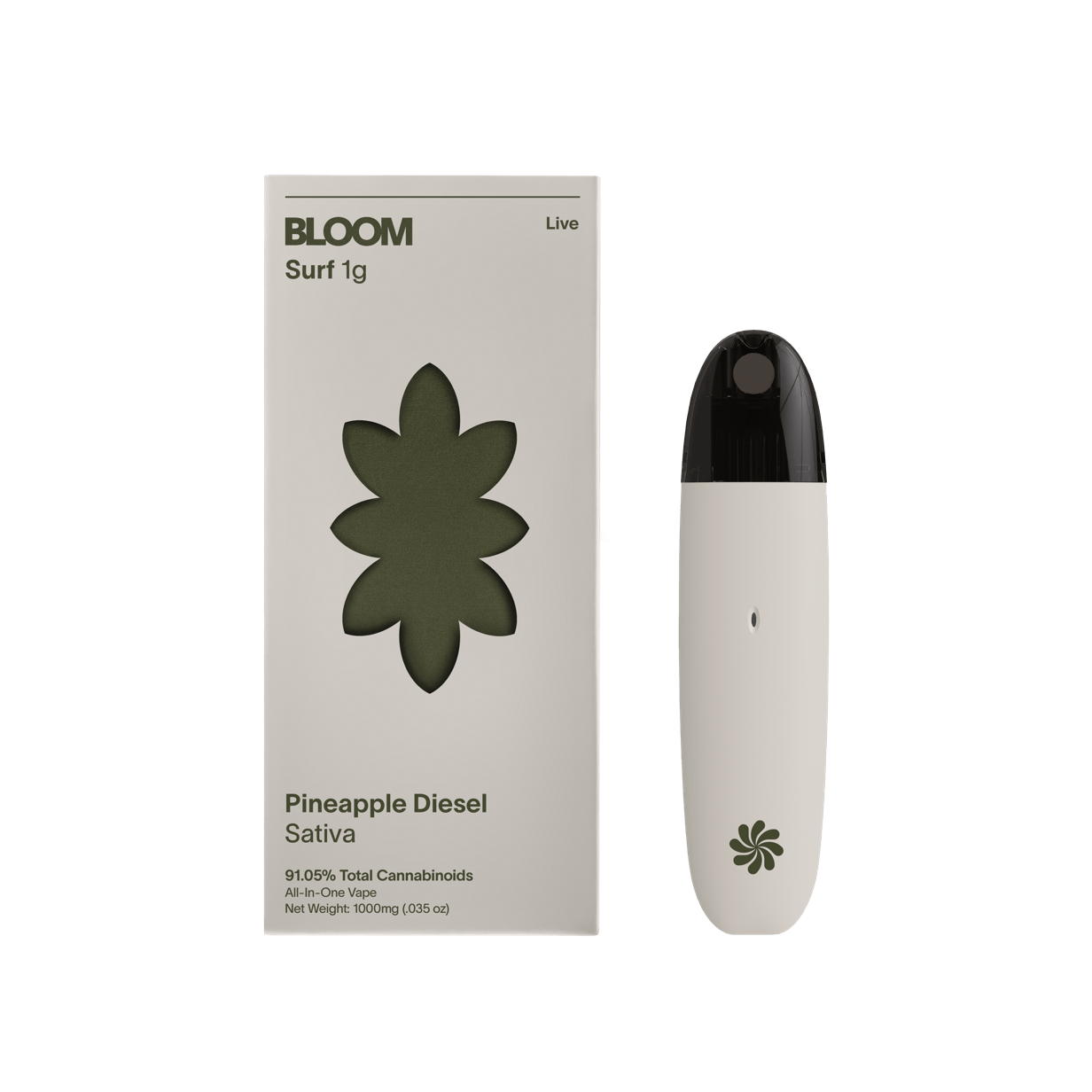
Sativa
All strains Pineapple Diesel
1 live products in stock
Quick answer · What is the Pineapple Diesel cannabis strain?
Pineapple Diesel arrives at the intersection of tropical sweetness and fuel-laced intensity, a sativa-leaning cultivar that carries the unmistakable brightness of ripe pineapple alongside the sharp, electric energy associated with its Diesel heritage. Equal parts fruit bowl and engine room, this is a strain for those who appreciate contrast — a morning opener or a creative companion that rewards the curious and the unhurried alike.
Shop Pineapple Diesel · 1 of 1 live products
About Pineapple Diesel
Everything to know about Pineapple Diesel.
Lineage & origin
Pineapple Diesel is generally understood to be a cross of Pineapple and Sour Diesel, two strains with deeply individual identities that, when combined, produce something genuinely cohesive. Pineapple itself is believed to descend from Ed Rosenthal Super Bud, a cultivar developed by Sensi Seeds that carries a tropical terpene signature, though certain accounts suggest additional undisclosed genetics may be involved. Sour Diesel — perhaps the most culturally significant sativa of the New York cannabis scene — is commonly attributed to the early 1990s East Coast underground, with its own lineage subject to ongoing debate. Most widely accepted is a Chemdawg 91 and Super Skunk cross, possibly with a hint of Northern Lights, though the true origin remains contested among longtime cultivators. The pairing of these two plants became popular in the mid-to-late 2000s as breeders sought to soften Sour Diesel's sharp, acrid profile with the sweetness of tropical cultivars. Pineapple Diesel has been offered by several seed companies and collectives over the years, meaning there are slight phenotypic variations in the market — some leaning more pungent and diesel-forward, others expressing a rounder, fruitier character. No single breeder has been universally credited with its creation, making it something of a collaborative legacy strain within the broader cannabis community.
Effects
Pineapple Diesel is regarded as a sativa-dominant experience, and the onset reflects that classification with notable clarity. Most consumers report that the initial wave arrives within the first few minutes of inhalation — a lift in mood and a sharpening of focus that feels more like a cleared mind than an overwhelming rush. The cerebral character is primary here: thoughts tend to move with ease, conversation flows, and creative threads become easier to follow. This is not the narrow-beam concentration of some pure sativas, but rather a broadened, sociable awareness. As the session progresses into its peak window — typically between fifteen and forty-five minutes — a gentle body warmth often settles beneath the mental activity, lending a quality of ease without heaviness. The myrcene present in many expressions of this strain is likely responsible for that softening, even as the limonene keeps the mood elevated and alert. Duration is moderate, generally running one and a half to two and a half hours before a gradual, unhurried comedown. The descent from Pineapple Diesel is generally clean. Novice consumers are still advised to begin with a conservative amount — the Sour Diesel lineage can carry significant potency — and to allow adequate time between sessions. Those sensitive to sativa-driven mental acceleration may notice some restlessness at higher consumption levels.
Aroma, flavor & terpenes
The aroma of Pineapple Diesel is immediately arresting, a two-note chord of tropical fruit and petroleum that manages to be more harmonious than its components might suggest on paper. On first encounter, ripe pineapple and citrus dominate — this is largely the contribution of terpinolene and limonene, both of which are associated with bright, uplifting, slightly sweet aromas. Beneath them, myrcene adds an earthier, faintly herbal undertone that keeps the profile grounded. As the bud is broken apart, the Diesel heritage asserts itself more directly. Caryophyllene — a spicy, peppery terpene also found in black pepper and cloves — adds a sharpness and a subtle diesel-adjacent note that rounds out the sweetness. Some phenotypes also carry detectable amounts of ocimene, a terpene linked to floral, green, and faintly waxy aromatic qualities that can complicate the profile in appealing ways. On the palate, whether smoked or vaporized, Pineapple Diesel offers an initial inhale that is fruit-forward and smooth, with a sweet-tart quality reminiscent of fresh pineapple juice. The exhale shifts toward the earthier, more pungent register — a warm spice and a faint fuel note that lingers pleasantly on the finish. Vaporizing at moderate temperatures tends to foreground the fruit and floral elements, while combustion brings the diesel and pepper notes into sharper relief.
Appearance
Pineapple Diesel buds tend toward a moderately dense structure — not the tight, compact formation associated with classic indicas, but not the loose, airy architecture of a pure landrace sativa either. The physical expression reflects its hybrid parentage: medium-sized to large flowers with a somewhat elongated, spade-like calyx shape. Coloration runs primarily through lighter and mid-range greens, often accented with faint yellow-gold hues that echo the tropical identity of the strain. Pistils are typically amber to orange, winding through the bud structure in a generous quantity that adds warmth to the overall appearance. Trichome coverage is notable — a fine, even layer of milky to golden resin glands that gives the surface a slightly frosted quality without the dramatic sugar-coating seen on some heavy indica varieties. When cured well, the buds have a slight give when pressed, releasing aroma readily.
Growing notes
Pineapple Diesel is generally considered a moderately challenging cultivar, suitable for growers with at least some prior experience. Its sativa-dominant structure means it tends to stretch considerably during the vegetative phase, requiring topping, low-stress training, or a well-managed screen of green (SCROG) setup to keep canopy height manageable in indoor environments. Indoor flowering time typically falls in the nine-to-ten-week range, which is somewhat longer than average and reflects its sativa-forward genetics. Indoors, yields are moderate to generous when canopy management is handled attentively. Outdoors, Pineapple Diesel prefers a warm, Mediterranean-style climate with ample sunlight and low humidity during the late flower period, as the density of some phenotypes can make them susceptible to mold in cooler, wetter conditions. Harvest outdoors generally falls in mid-to-late October in temperate Northern Hemisphere climates. The cultivar-curious shopper should know that the quality of cure matters considerably with this strain — its aromatic complexity is best preserved through a slow, controlled drying process.
When it's best enjoyed
Pineapple Diesel is at its most rewarding during the hours when the day still carries possibility — a late morning when creative work is on the agenda, or an early afternoon that might unfold into conversation and exploration. Its sativa character suits environments that encourage engagement rather than retreat: a sun-filled studio, a long walk through a neighborhood with something to observe, or a gathering where dialogue tends toward the curious and wide-ranging. From a pairing perspective, the tropical terpene profile aligns naturally with foods that share its brightness. A ceviche with fresh mango and lime, or a yogurt-based granola bowl with fresh pineapple, will feel like natural companions rather than arbitrary suggestions. On the musical side, the strain's electric, forward-moving energy pairs well with uptempo jazz — something in the vein of post-bop, where structure and spontaneity coexist. For solo moments, it lends itself to writing, sketching, or any activity that benefits from a mind willing to follow a thought wherever it leads.
If you like Pineapple Diesel, also explore
Sour Diesel
As a direct parent strain, Sour Diesel shares the fuel-laced, cerebral sativa energy of Pineapple Diesel, making it a natural reference point for those who want the Diesel experience in a less tropical expression.
Pineapple Express
Another tropical sativa-leaning hybrid with a fruit-forward terpene profile, Pineapple Express offers a similar mood lift and sweetness, though it tends to be somewhat gentler in its diesel intensity.
Tangie
Tangie shares the citrus-dominant, uplifting terpene character of Pineapple Diesel — particularly the limonene and terpinolene notes — while delivering a similarly energetic, creative-friendly experience.
Super Lemon Haze
For fans of the bright, electric sativa arc of Pineapple Diesel, Super Lemon Haze offers a comparable daytime energy with a citrus-forward profile and a similarly extended, clear-headed duration.
Strawberry Cough
Those drawn to Pineapple Diesel's fruity sweetness balanced by a sociable sativa effect may find Strawberry Cough an equally approachable companion with a slightly softer, berry-inflected character.
Common questions
Is Pineapple Diesel indica or sativa?+
Pineapple Diesel is a sativa-dominant hybrid, typically reflecting the uplifting, cerebral character associated with sativa genetics. Its Sour Diesel parentage drives the energetic, head-forward experience, while the Pineapple lineage introduces a mild body ease that softens the overall arc. Consumers should expect a primarily mental, mood-elevating effect rather than heavy physical sedation.
What does Pineapple Diesel taste like?+
The flavor profile opens with tropical sweetness — fresh pineapple and bright citrus — before transitioning on the exhale to earthier, more pungent diesel and subtle spice notes. Limonene and terpinolene are responsible for the fruit-forward character, while caryophyllene introduces the peppery, fuel-adjacent finish. The overall impression is both sweet and sharp, balancing fruit and funk in a way that suits those who enjoy complex, layered palates.
What are the typical effects of Pineapple Diesel?+
Pineapple Diesel typically produces a clear-headed mental lift, an elevation in mood, and a sharpening of focus that makes it well-suited to creative activity and social engagement. A mild physical warmth often accompanies the cerebral effects without inducing sedation. The experience generally lasts one and a half to two and a half hours, with a gradual and relatively clean comedown that avoids the abrupt drop associated with some sativa-heavy cultivars.
What strains are similar to Pineapple Diesel?+
Consumers who enjoy Pineapple Diesel's balance of tropical sweetness and sativa energy often appreciate Sour Diesel for its diesel-forward intensity, Tangie or Super Lemon Haze for their citrus-bright uplifts, and Pineapple Express for a softer, fruitier variation on the same general theme. Strawberry Cough is another option for those drawn primarily to the fruity, socially oriented character of the strain.
Is Pineapple Diesel good for beginners?+
Pineapple Diesel can be approachable for beginners, though the Sour Diesel lineage means potency should not be underestimated. New consumers are advised to start with a very small amount and wait a full session before considering more. Those sensitive to the mental acceleration common in sativa-dominant cultivars — including racing thoughts or heightened awareness — should approach with particular patience and a comfortable, low-stimulus environment.
What are the dominant terpenes in Pineapple Diesel?+
Pineapple Diesel is commonly associated with a terpene profile led by limonene and terpinolene, which together produce its characteristic tropical, citrus-sweet aroma. Myrcene adds an earthy, slightly herbal foundation, while caryophyllene introduces the spicy, peppery note that echoes the Diesel heritage. Some phenotypes also express detectable ocimene, contributing floral and green nuance to the overall olfactory profile.
What time of day is best for Pineapple Diesel?+
Given its sativa-dominant effects — elevated mood, mental clarity, and a relatively active energy — Pineapple Diesel is best suited to morning or daytime use. It is less appropriate for winding down in the evening, as the cerebral stimulation may interfere with relaxation or sleep for those sensitive to uplifting cultivars. Many consumers find it ideal for creative sessions, outdoor activities, or engaged social settings during daylight hours.
Who bred Pineapple Diesel, and where does it come from?+
No single breeder has been universally credited with creating Pineapple Diesel. It emerged from the broader cannabis breeding community in the mid-to-late 2000s as growers sought to pair Sour Diesel's electric sativa character with the tropical terpene profile of Pineapple, itself descended from Sensi Seeds' Ed Rosenthal Super Bud. Several seed banks and collectives have offered versions of the strain, resulting in minor phenotypic variation across the market.
Related strains