
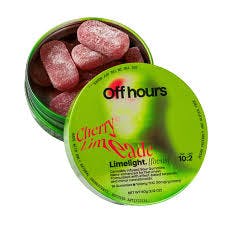
Hybrid
All strains Limelight
2 live products in stock
Quick answer · What is the Limelight cannabis strain?
Limelight arrives like the first light through a grove of citrus trees — bright, clarifying, and impossible to ignore. This sativa-leaning cultivar earns its name through a vivid lime-forward aroma and an energizing character that tends to sharpen focus without unsettling the senses. Whether approached in the late morning or carried into a creative afternoon, Limelight offers the kind of lucid, lifted presence that invites engagement with the world rather than retreat from it.
Shop Limelight · 2 of 2 live products
THC 77.6%Indica-Hybrid
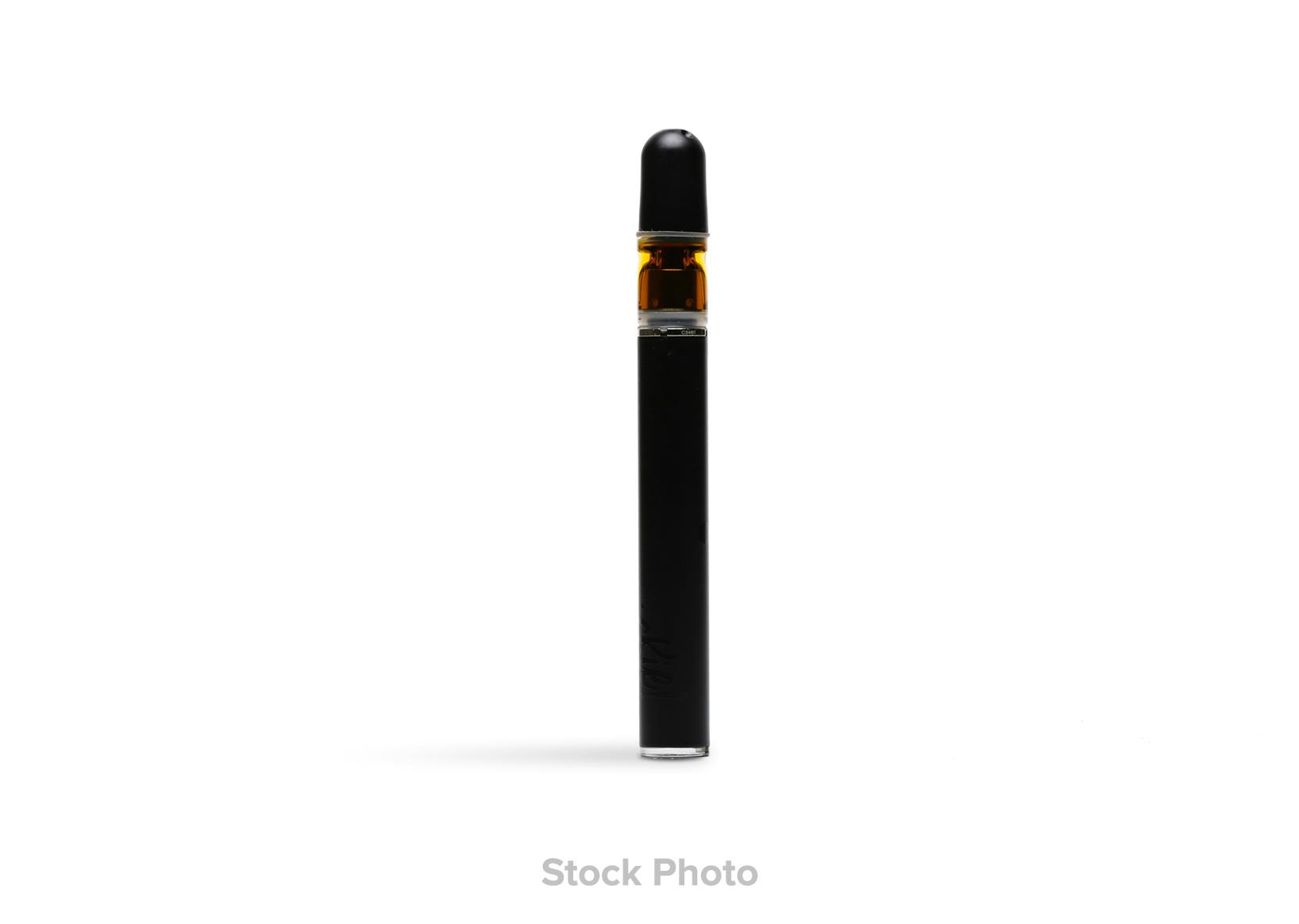
Wizard TreeWizard Trees | Live Resin Disposable LimeLight · 1g
$60.18
$68after tax
About Limelight
Everything to know about Limelight.
Lineage & origin
Limelight's precise genetic lineage is not uniformly documented across public cannabis databases, and the breeder has not publicly named confirmed parent strains in widely available sources — a situation not uncommon among boutique cultivars that gained regional traction before formal documentation became industry standard. What is broadly noted is that Limelight shares genetic characteristics consistent with lineages rooted in classic Haze-family sativas, known for their cerebral elevation and citrus-forward terpene expression, crossed with strains selected for their pronounced lime and green citrus aromatic profile. Some phenotype discussions on community platforms suggest kinship with strains in the Kush or Cookies family on the body-effect side, though these claims remain unverified without breeder confirmation. The strain appears to have developed meaningful recognition in the northeastern United States cannabis market, benefiting from the region's growing appetite for sativa cultivars that deliver functional daytime experiences. Its name is well-suited: the lime-terpene dominance is immediately apparent and distinguishing. Cultivators working with Limelight have noted consistency in its aromatic phenotype, suggesting stable genetics even if the exact parental cross is contested. Shoppers seeking genetic siblings or close relatives would do well to explore other limonene-forward sativa hybrids of similar lineage speculation, such as Lemon Haze or Super Lemon Haze, which share structural terpene and effect profiles.
Effects
The onset of Limelight's effects typically arrives within minutes when smoked or vaped, beginning with a gentle pressure behind the eyes and a brightening of sensory focus that is characteristic of limonene-forward sativas. The initial wave is predominantly cerebral — thoughts tend to clarify and quicken rather than drift or scatter. This is not a strain known for sedation; instead, the early experience is often described as an elevation of mood paired with an increased readiness to engage with tasks, conversations, or creative projects. As the peak settles in, typically between fifteen and forty-five minutes after consumption, the experience takes on a more rounded quality. The body softens without becoming heavy — a welcome balance that keeps the sativa energy functional rather than overstimulating. Myrcene's presence, even as a secondary terpene, may contribute this mild physical ease, tempering what might otherwise be an entirely racing, edge-of-anxious headspace in more purely Haze-derived cultivars. The duration of Limelight's effects tends to run moderate — roughly one to two hours of meaningful activity before a gentle, clear-headed comedown returns the consumer to baseline without the fog that heavier indica-dominant strains can leave behind. Those newer to cannabis or sensitive to THC should observe the standard counsel: start low and allow ample time before considering any additional consumption. The overall arc is well-suited for those who value clarity and engagement above all.
Aroma, flavor & terpenes
The terpene profile of Limelight is anchored by limonene, and the expression is immediate and genuine — not a synthetic lime candy approximation, but a brighter, more complex citrus character reminiscent of freshly zested lime rind with a faint green, almost herbal undertone. Limonene is well-documented for its mood-elevating properties and its sharp, citrus-forward aromatic contribution, and in Limelight it functions as the strain's defining sensory signature. Beneath the limonene canopy, terpinolene appears to play a meaningful supporting role. Terpinolene is associated with floral, piney, and faintly herbal notes, and its presence here adds a pleasant complexity — a slight elevation above pure citrus into something more multidimensional. Some phenotypes carry a whisper of pinene as well, lending a clean, forest-air freshness that rounds the aroma without competing with the dominant lime expression. Myrcene, where present, contributes an earthy base note that grounds the aromatic profile and provides a subtle hint of tropical fruitiness beneath the citrus brightness. On the palate, Limelight tends to smoke or vaporize cleanly. The inhale delivers the expected lime citrus with a bright, almost effervescent quality. The exhale softens into a slightly sweeter, herbal finish — occasionally with a light floral note from the terpinolene. The smoke is generally smooth, not harsh, making the flavor experience as refined as the aromatic one.
Appearance
Limelight presents buds that are moderately dense — neither the tight, compact structure of a classic indica nor the loose, wispy architecture of a pure Haze landrace. The calyxes stack in a way that reads as well-organized and deliberate, with a structure that holds its shape through handling. The color palette leans toward vivid, saturated greens, often with lime and sage tones that visually echo the strain's name and terpene character. Pistils — the fine, hair-like structures that thread across the surface — tend toward a warm amber-orange, providing a pleasing contrast against the bright green bud mass. Trichome coverage is generous without being extravagant, giving the flower a frosted, luminous quality when examined in good light. The overall visual impression is of a well-cultivated, attentive grow — a flower that looks as considered as it smells. Bag appeal is high, particularly for consumers who associate visual brightness with the kind of clean, uplifting experience Limelight reliably offers.
Growing notes
Limelight is generally considered a moderately approachable cultivar for experienced home growers, though the relative scarcity of formal breeder cultivation guides means that growers typically work from community-sourced experience and phenotype observation. Its sativa-leaning genetics suggest a preference for environments that can accommodate some vertical stretch during flowering — indoor cultivators would be well served by training techniques such as low-stress training or screen-of-green methods to manage canopy height and maximize light penetration. Flowering time is estimated in the range of nine to ten weeks indoors, consistent with sativa-influenced hybrids. Outdoor cultivation is viable in temperate to warm climates, with harvest generally falling in mid-to-late October in the Northern Hemisphere. Yields are reported as moderate to above-average indoors under optimized conditions, and outdoor plants — given adequate sun and well-drained soil — can produce generously. The strain appears to respond well to a dry, well-ventilated growing environment, which supports its terpene expression and reduces the risk of mold in the dense-enough bud structure. As with all cannabis cultivation in New York, home grow regulations should be consulted and followed carefully.
When it's best enjoyed
Limelight is, at its core, a daytime companion — a strain that asks to be brought along rather than settled into. The early-to-mid morning represents perhaps the most natural window for its energizing, mood-brightening character: a quiet studio session, a long walk through a neighborhood coming alive, or the beginning of a work block that calls for creative lateral thinking rather than linear task completion. The strain's limonene and terpinolene profile pairs with remarkable ease alongside bright, acid-forward food and drink. A late brunch of soft scrambled eggs with preserved lemon and fresh herbs, or a sparkling water with citrus, complements the same brightness already present in the terpene profile without competing. Musically, Limelight feels well-matched to productions that share its character — something clean and rhythmically propulsive, perhaps jazz fusion or well-produced indie rock, where attention to detail is rewarded. For those who work in visual arts, writing, or design, this strain represents the kind of cultivated focus that feels earned rather than forced — a lifted clarity that invites craft.
If you like Limelight, also explore
Super Lemon Haze
A Haze-lineage classic with pronounced limonene expression and a similarly uplifting, energizing sativa arc that will feel immediately familiar to Limelight enthusiasts.
Lemon Haze
Shares the citrus-forward terpene profile and cerebral onset character, offering a comparable bright, functional daytime experience with a well-documented genetic pedigree.
Strawberry Cough
Another sativa-leaning cultivar known for mood elevation and a pleasant, clear-headed effect profile that appeals to the same consumer seeking functional, social-ready energy.
Green Crack
For consumers drawn to Limelight's focus-sharpening onset and daytime utility, Green Crack offers a similarly driven, alert experience with a tropical-citrus terpene character.
Durban Poison
A pure sativa benchmark with terpinolene dominance and an energetic, clear-eyed effect profile that resonates with Limelight's most functional and cerebral qualities.
Common questions
Is Limelight indica or sativa?+
Limelight is classified as a sativa-leaning cultivar. Its effect profile — characterized by cerebral clarity, mood elevation, and functional daytime energy — reflects the characteristics commonly associated with sativa genetics. The physical experience includes some mild body ease, suggesting possible hybrid influence, but the dominant character is uplifting and mentally engaged rather than sedating or physically heavy.
What does Limelight taste like?+
Limelight delivers a clean, bright citrus flavor on the inhale — predominantly lime zest, with a freshness that is more natural rind than confection. The exhale softens into a slightly sweeter, herbal finish with occasional floral undertones. The smoke is generally smooth, making the tasting experience as distinctive as the aroma. Limonene and terpinolene are the primary drivers of this layered, citrus-forward palate.
What are the typical effects of Limelight?+
Limelight typically produces a clear-headed, mood-elevating onset that sharpens focus and invites engagement. The peak experience is predominantly cerebral, with a mild physical ease that keeps the effect functional rather than overstimulating. Duration runs one to two hours on average, with a gentle, clear comedown. It is generally considered a daytime strain suited to creative work, social settings, or active outdoor pursuits.
What strains are similar to Limelight?+
Consumers who enjoy Limelight often find affinity with other limonene and terpinolene-forward sativas: Super Lemon Haze and Lemon Haze share the citrus-dominant aromatic profile and uplifting effect arc. Durban Poison offers a similarly focused, energetic experience with terpinolene prominence. Green Crack appeals to those drawn to Limelight's daytime functionality, while Strawberry Cough resonates with fans of its mood-brightening, social character.
Is Limelight good for beginners?+
Limelight can be a reasonable choice for newer consumers who prefer a clear-headed, functional experience over sedation. However, its sativa-leaning energy and THC content merit caution for those particularly sensitive to cannabis-induced anxiety or heightened heart rate. The standard guidance applies: start with a small amount, allow sufficient time to assess the effects, and increase gradually over subsequent sessions as comfort and familiarity develop.
What are the dominant terpenes in Limelight?+
Limonene is the dominant terpene in Limelight, responsible for its characteristic lime-citrus aroma and its mood-elevating aromatic properties. Terpinolene contributes floral and piney complexity, adding depth beyond the citrus surface. Myrcene appears as a grounding secondary terpene, providing mild earthy and tropical undertones. Some phenotypes also express pinene, lending a clean, air-fresh quality that complements the broader aromatic profile.
What is the best time of day to enjoy Limelight?+
Limelight is best approached during the daytime hours — morning through early afternoon represents the most natural window for its energizing, focus-oriented character. The strain's uplifting effect arc and bright terpene profile make it a considered choice before creative work, light physical activity, or social engagement. Evening use is not contraindicated, but consumers seeking evening relaxation may find Limelight's alert energy less conducive to winding down.
What is the lineage of Limelight?+
Limelight's precise genetic lineage is not uniformly confirmed in public cannabis databases, and the breeder has not released widely documented parental information. Community observations and terpene analysis suggest Haze-family sativa influence, consistent with the strain's cerebral, citrus-forward character. Until formal breeder documentation becomes publicly available, any specific parental claims should be treated as speculative rather than established fact.
Related strains