
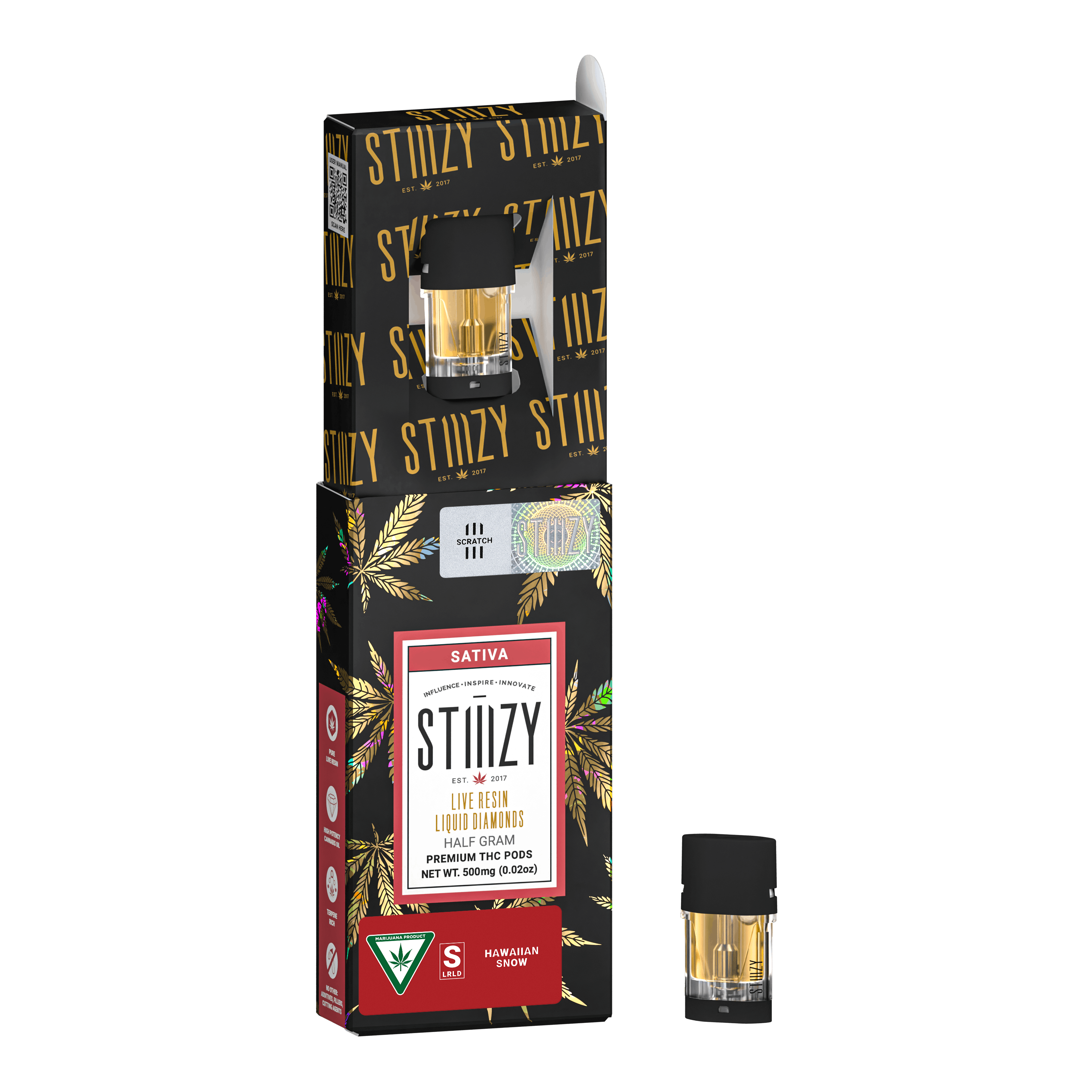
Sativa
All strains Hawaiian Snow
3 live products in stock
Quick answer · What is the Hawaiian Snow cannabis strain?
Hawaiian Snow arrives like a long exhale on a warm coastal afternoon — bright, citrus-threaded, and expansively uplifting. This award-winning sativa descends from three storied tropical and haze lineages, and its effects carry the kind of clear-headed buoyancy that seasoned flower enthusiasts seek when the day calls for creativity and conversation rather than rest. It is a strain best savored deliberately, in good light, with something worth thinking about.
Shop Hawaiian Snow · 3 of 3 live products
THC 87.06%Sativa
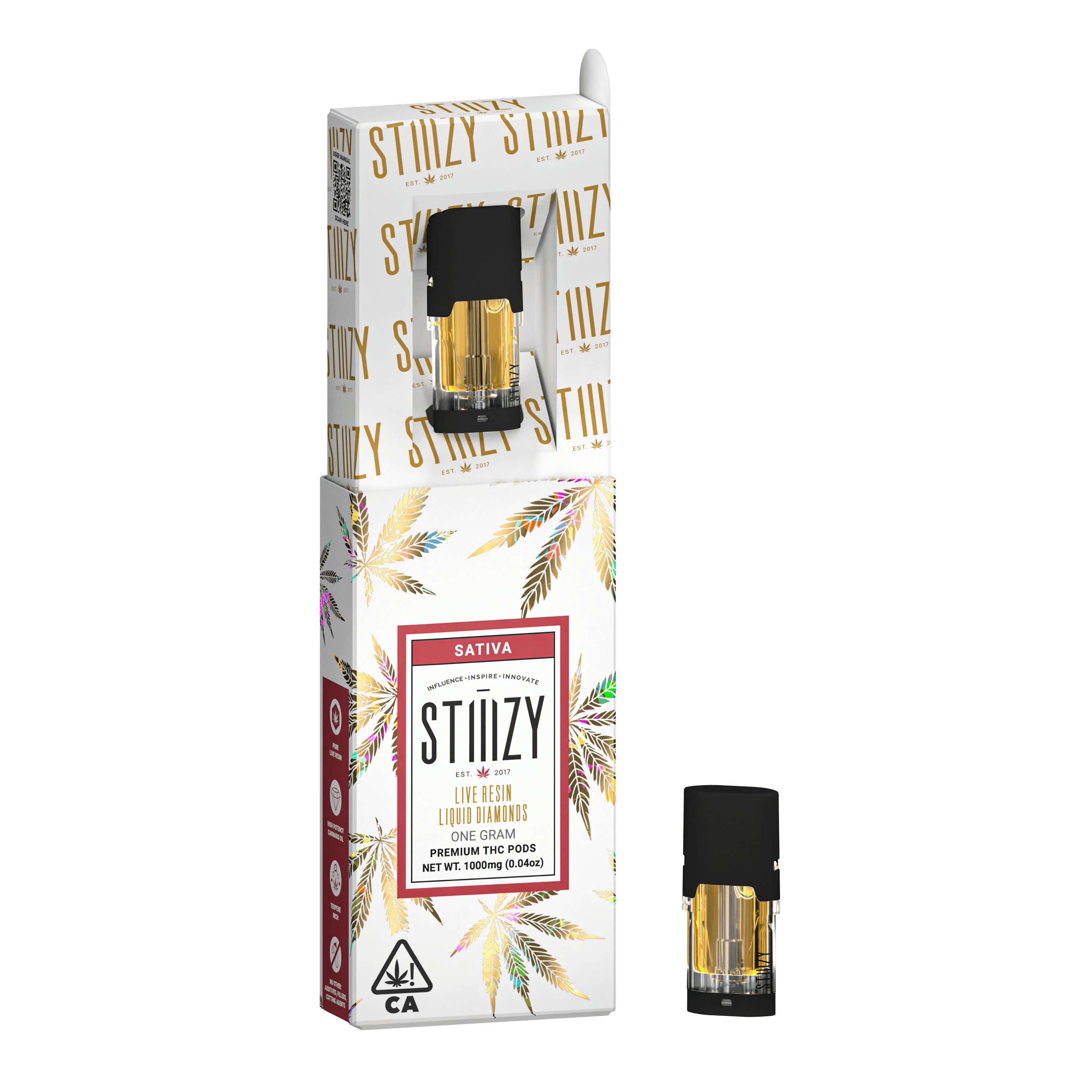
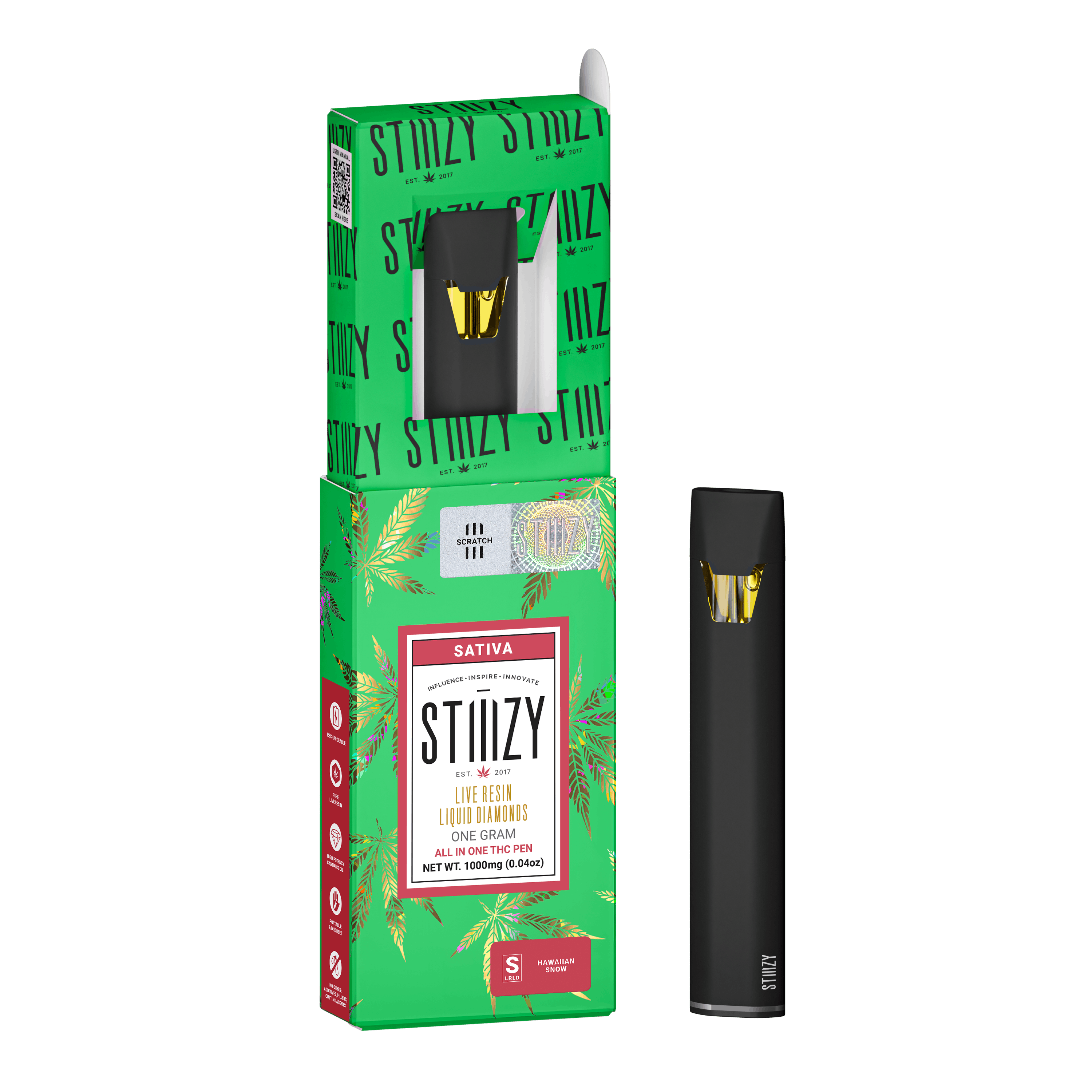
STIIIZYHawaiian Snow Live Resin Liquid Diamonds All-In-One | 1g · 1g
$47.79
$54after tax
About Hawaiian Snow
Everything to know about Hawaiian Snow.
Lineage & origin
Hawaiian Snow is a sativa-dominant hybrid bred by Greenhouse Seeds, the Amsterdam-based seed company founded by Arjan Roskam. It was developed in the early 2000s and rose to international recognition when it won the High Times Cannabis Cup in 2003 in the sativa category — a result that cemented its reputation in the connoisseur circuit. The strain is a three-way cross of Hawaiian, Pure Haze, and White Widow. Hawaiian contributes the tropical sweetness and the characteristic uplifting energy associated with equatorial landraces long cultivated in the Pacific. Pure Haze injects the cerebral, long-lasting sativa architecture that the Haze family is known for — genetics traced back to 1970s Santa Cruz, California, where seed stock from Colombia, Mexico, Thailand, and South India was blended. White Widow, itself a 1990s Dutch classic crossing a Brazilian sativa with a South Indian indica, lends a layer of resinous density and a slightly grounding counterbalance to the otherwise purely cerebral profile. The resulting phenotype trends strongly toward the sativa end of the spectrum, presenting the lanky structure and extended flowering period typical of haze-forward crosses. No widely documented sibling phenotypes have been commercialized under distinct names, though Greenhouse Seeds later released related sativa expressions in their 'Doctors' series.
Effects
The onset of Hawaiian Snow is measured rather than sudden, typically presenting within five to ten minutes when smoked or vaped, with a gradual brightening of mental focus that many consumers describe as a gentle lifting of atmospheric pressure behind the eyes. This cerebral opening is the dominant characteristic through the peak, which tends to settle into a state of alert, social ease — thought becomes more associative, conversation flows without forced effort, and sensory engagement sharpens rather than dulls. It sits firmly in the energizing sativa tradition, and the experience rarely trends toward heaviness or sedation in standard use. The terpene profile — particularly the interaction between terpinolene, limonene, and myrcene — is thought to contribute to this balance: limonene is associated in the literature with mood elevation, terpinolene with lighter, cerebral character, and the modest myrcene content with enough somatic ease to prevent anxiety from compounding. Duration runs on the longer side for a sativa, often two to three hours of functional engagement before a gradual, unhurried comedown that leaves most consumers clear rather than depleted. Those sensitive to potent sativas should approach with the standard caution — a single measured inhalation and an interval of fifteen minutes before reassessing is a reasonable starting practice.
Aroma, flavor & terpenes
The aromatic profile of Hawaiian Snow is one of its most celebrated qualities, drawing from the tropical and haze parentage in equal measure. The first impression on a well-cured sample is bright and citrus-forward — a clean lemon and orange peel quality that is direct without being sharp. This is largely attributable to a notable limonene presence, a monoterpene widely found in citrus rinds and associated with fresh, elevating aromatic notes. Beneath the citrus, terpinolene introduces a complex secondary register: faintly floral, subtly herbal, and occasionally reminiscent of fresh pine or apple skin. Terpinolene is the signature terpene in many haze-descended strains and contributes meaningfully to Hawaiian Snow's distinctive, slightly exotic nose. Myrcene appears in the background, lending an earthy, faintly tropical musk that rounds the profile and prevents the citrus from reading as one-dimensional. Trace elements of ocimene are reported in some phenotypes, which can add a sweet, almost herbal-hay quality that reinforces the tropical character. On the palate, the smoke is smooth for a haze-descended variety — less sharp than some pure haze expressions — and the exhale carries a lasting citrus-herbal sweetness. Vapor at moderate temperatures allows the terpinolene and limonene to express with greater clarity, making a convection or temperature-controlled device a natural complement to this strain's flavor architecture.
Appearance
Hawaiian Snow presents with the structural hallmarks of its haze and tropical lineage: buds tend toward the elongated, open formation common to sativa-dominant genetics, with a looser, airier architecture than a typical indica or hybrid. The calyxes are stacked rather than tightly compressed, giving each flower a tapered, almost feathered silhouette. Coloring sits in the classic green range — medium to light green — with pistils that shift from white to pale amber-orange at maturity, weaving visibly through the open bud structure. Trichome coverage is substantial given the White Widow ancestry, and a properly cultivated sample under direct light shows a fine, silver-white resin layer that justifies the 'snow' element of the name. The overall visual impression is airy but luminous rather than sparse — a well-grown specimen has a certain translucency when held to light that distinguishes it from denser, darker cultivars.
Growing notes
Hawaiian Snow is considered a moderately challenging cultivar, primarily because of the extended flowering period inherited from its Haze genetics. Greenhouse Seeds documents a flowering time in the range of eleven to thirteen weeks indoors, which is considerably longer than the industry average and demands patience from any cultivator. Indoors, it is best managed with techniques that control vertical stretch — low-stress training or a screen-of-green setup can help contain the characteristic sativa height while maximizing canopy light distribution. Yields indoors are described as above average when managed attentively. Outdoors, Hawaiian Snow thrives in warm, Mediterranean-to-tropical climates with long growing seasons, rewarding growers in the right environment with generous harvests in the October-to-November window in the Northern Hemisphere. It is less forgiving in cool, damp conditions, where the open bud structure can be susceptible to mold if airflow is not carefully managed. For the cultivator-curious consumer, this is a strain that reflects its environment clearly — premium curing and attentive late-stage feeding show directly in the aroma and trichome expression of the finished flower.
When it's best enjoyed
Hawaiian Snow is most at home in the daylight hours, particularly in the window between mid-morning and late afternoon when the day holds open possibility. It suits the kind of focused, unhurried creative work that benefits from a clear and slightly elevated mental state — writing, visual art, design, or any practice where ideation and attention need to coexist without one overrunning the other. It is equally well-suited to social engagement: a small gathering oriented around conversation, music, or a shared outdoor activity finds the strain's sociable, mood-brightening character a natural fit. In terms of specific pairings, the citrus and tropical terpene profile aligns gracefully with fresh, acid-forward foods — think ceviche, yuzu-dressed greens, or a ripe mango eaten simply. Musically, the strain's airy, energetic arc pairs well with recordings that share a bright, harmonic openness: classic Afrobeat, Hawaiian slack-key guitar, or mid-period jazz with a modal quality. It is worth noting that late-evening or pre-sleep use is generally a mismatch for this strain's character; those seeking a nighttime companion would be better served elsewhere in the catalog.
If you like Hawaiian Snow, also explore
Super Silver Haze
A fellow Greenhouse Seeds creation and Cannabis Cup champion with a similarly energizing haze-forward profile and citrus-spice aroma that appeals to the same cerebral-sativa enthusiast.
Neville's Haze
Shares much of the Pure Haze genetic backbone, offering a comparably long-duration cerebral experience for consumers who want to explore the haze lineage in a more undiluted expression.
Maui Wowie
Another tropical sativa classic with the citrus-pineapple aromatic register and uplifting energy that fans of Hawaiian Snow's equatorial character consistently gravitate toward.
Amnesia Haze
A haze-dominant, award-winning sativa with a similarly bright and euphoric onset and a citrus-earthy terpene profile that occupies much of the same experiential territory.
Jack Herer
Balances sativa uplift with a resinous, slightly spiced complexity in a way that bridges the gap between Hawaiian Snow's tropical brightness and a more grounded, versatile daily driver.
Common questions
Is Hawaiian Snow indica or sativa?+
Hawaiian Snow is a sativa-dominant hybrid bred by Greenhouse Seeds, crossing Hawaiian, Pure Haze, and White Widow. While White Widow contributes a modest indica element to the genetic foundation, the overall experience and structure run strongly sativa — energizing, cerebral, and uplifting rather than sedating. It is reliably categorized and marketed as a sativa-leaning strain, and its effect profile reflects that classification consistently.
What does Hawaiian Snow taste like?+
Hawaiian Snow has a bright, citrus-forward flavor profile defined primarily by limonene and terpinolene. The taste on the inhale is clean and tropical — lemon peel, orange rind, and a faint floral-herbal undercurrent. The exhale carries a lingering sweetness with a slightly piney, haze-characteristic finish. Vapor at moderate temperatures tends to express the citrus and floral notes with greater nuance than combustion, though both methods deliver the strain's signature clean, tropical palate.
What are the typical effects of Hawaiian Snow?+
Hawaiian Snow delivers a gradually ascending, cerebral uplift that settles into clear-headed social ease and creative focus. It is energizing rather than sedating, with most consumers reporting enhanced mood, sharper sensory engagement, and a comfortable sociability during the peak. Duration tends to run two to three hours, with a gentle, non-abrupt comedown. It is not recommended for late-evening use by those sensitive to stimulating sativas, as its energizing character may interfere with winding down.
What strains are similar to Hawaiian Snow?+
Consumers who enjoy Hawaiian Snow often gravitate toward other haze-lineage sativas and tropical classics. Super Silver Haze and Amnesia Haze share the cerebral, citrus-forward haze architecture. Maui Wowie offers a comparable tropical sweetness and uplifting energy. Neville's Haze provides a more undiluted haze experience for purists. Jack Herer bridges the gap between tropical sativa brightness and slightly more grounded, versatile daily use, making it a natural companion recommendation.
Is Hawaiian Snow good for beginners?+
Hawaiian Snow can be a rewarding choice for beginners who are drawn to sativa effects, but its potency and long duration warrant thoughtful approach. The standard guidance — start with a single, modest inhalation and allow at least fifteen minutes before reassessing — applies here with particular relevance. Those who are sensitive to the energizing or occasionally thought-amplifying qualities of potent sativas may want to begin with a less intense entry point before graduating to a strain of this character and duration.
What are the dominant terpenes in Hawaiian Snow?+
The dominant terpenes in Hawaiian Snow are generally identified as terpinolene, limonene, and myrcene. Terpinolene contributes the faintly floral, herbal, and citrus-adjacent aromatic complexity characteristic of haze-descended strains. Limonene is responsible for the bright, citrus-peel freshness most consumers notice first. Myrcene appears in a supporting role, adding a grounding, earthy-tropical warmth. Some phenotypes also express trace ocimene, which reinforces the sweet, tropical aromatic register.
When did Hawaiian Snow win the Cannabis Cup?+
Hawaiian Snow won the High Times Cannabis Cup in 2003 in the sativa category, a recognition that brought significant international attention to the strain and to Greenhouse Seeds as its breeder. The Cannabis Cup win is one of the better-documented facts in the strain's public history and contributed directly to its lasting reputation among sativa enthusiasts seeking a benchmark haze-forward cultivar from that era of Dutch breeding.
How long does Hawaiian Snow take to flower?+
Hawaiian Snow has an extended flowering period of approximately eleven to thirteen weeks indoors, reflecting the Haze genetics in its lineage. This is notably longer than the eight-to-ten-week average for most commercially available strains. Outdoors in warm climates, harvest typically falls in October to November in the Northern Hemisphere. The long flowering window is a trade-off that cultivators familiar with haze varieties generally accept in exchange for the strain's distinctive aromatic and experiential qualities.
Related strains