
Hybrid
All strains Cheese Cake
1 live products in stock
Quick answer · What is the Cheese Cake cannabis strain?
Cheese Cake arrives as a study in sensory contrast — the sharp, funky tang of its Cheese heritage tempered by the sweet, doughy warmth of its Cookies lineage. This hybrid occupies a balanced middle ground, offering a layered experience that unfolds gradually and rewards patience. Dense, frost-covered buds deliver an aroma that is at once familiar and pleasantly unexpected, making Cheese Cake a compelling choice for those who appreciate complexity over simplicity.
Shop Cheese Cake · 1 of 1 live products
About Cheese Cake
Everything to know about Cheese Cake.
Lineage & origin
Cheese Cake is generally understood to be a cross of a Cheese-family cultivar and a Cookies-family cultivar, though the precise parentage varies depending on the breeding house. The most widely cited interpretation places UK Cheese — itself a celebrated phenotype of Skunk No. 1 that emerged from the British rave scene in the late 1980s and early 1990s — alongside Girl Scout Cookies or a closely related Cookies derivative. Some accounts also introduce a third element, with certain breeders incorporating a Kush line to add structural depth and additional resin production. The Cheese family's origin story is well-documented in cannabis culture: a single clone, reportedly circulated at a festival in the UK around 1989, became the mother plant for an entire lineage known for its unmistakable barnyard-and-funk aroma. When crossed with the West Coast sweetness of the Cookies lineage — itself a descendant of OG Kush and Durban Poison that exploded in popularity around 2012 through Bay Area cultivators — the result is a cultivar with a genuinely compelling tension between old-world pungency and modern confectionary sweetness. Because multiple seed banks and breeding collectives have produced their own interpretations under the Cheese Cake name, phenotypic expression can vary meaningfully between sources. Shoppers seeking a specific character should inquire about the originating breeder, as the lineage is not fully standardized across the market.
Effects
Cheese Cake typically presents as a well-balanced hybrid, with onset arriving within five to fifteen minutes when inhaled — a window that favors a measured approach, particularly for those newer to cannabis. The initial experience is often described as a gentle cerebral lift: a quiet brightening of mood and a soft sharpening of focus that does not tip into anxiety or racing thoughts. This is consistent with the myrcene-forward, caryophyllene-accented terpene profile, which research suggests may help modulate the intensity of psychoactive response. As the session progresses into its peak phase — typically between twenty and forty-five minutes after first inhalation — a warm physical quality begins to settle across the shoulders and chest. This is not a sedating heaviness in the classic indica sense, but rather a pleasant grounding that runs beneath the cerebral activity. The duality reflects the cultivar's hybrid architecture: the Cookies lineage contributes euphoric sociability while the Cheese and Kush elements pull gently toward ease and comfort. The comedown is generally gradual and cooperative, with most consumers reporting a smooth return to baseline rather than an abrupt drop. Total duration tends to fall in the two-to-three-hour range, though individual biochemistry, consumption method, and quantity all influence this meaningfully. As with any cannabis product, a start-low, go-slow approach is always advisable.
Aroma, flavor & terpenes
The aromatic profile of Cheese Cake is one of its most immediately distinguishing qualities. On the nose, the dominant impression is a layered interplay between savory and sweet — a sharp, slightly acidic funk that recalls aged cheese or cultured dairy, underlaid by a warmer, baked-good sweetness reminiscent of vanilla shortbread. This combination is not accidental: it is the direct expression of the cultivar's terpene architecture, which typically centers on myrcene, caryophyllene, and limonene, with secondary contributions from linalool and occasionally pinene. Myrcene, the most abundant terpene in the cannabis plant broadly, contributes the earthy, slightly herbal muskiness that underpins the Cheese family character. Caryophyllene — a sesquiterpene also found in black pepper and cloves — adds a subtle spice note and a dry, woody warmth that keeps the profile from becoming cloying. Limonene introduces the brighter, citrus-adjacent sweetness that evokes the Cookies parentage, while linalool softens the overall impression with a faintly floral, almost lavender-like quality that smooths the transitions between the more assertive notes. On the palate, the smoke or vapor is typically full-bodied and creamy, with the savory funk most prominent on the inhale and the sweetness lingering through the exhale. The finish is smooth, with a mild herbal aftertaste that dissipates cleanly. Well-cured Cheese Cake is notably easy on the throat, a quality that reflects the Cookies lineage's characteristic smoke refinement.
Appearance
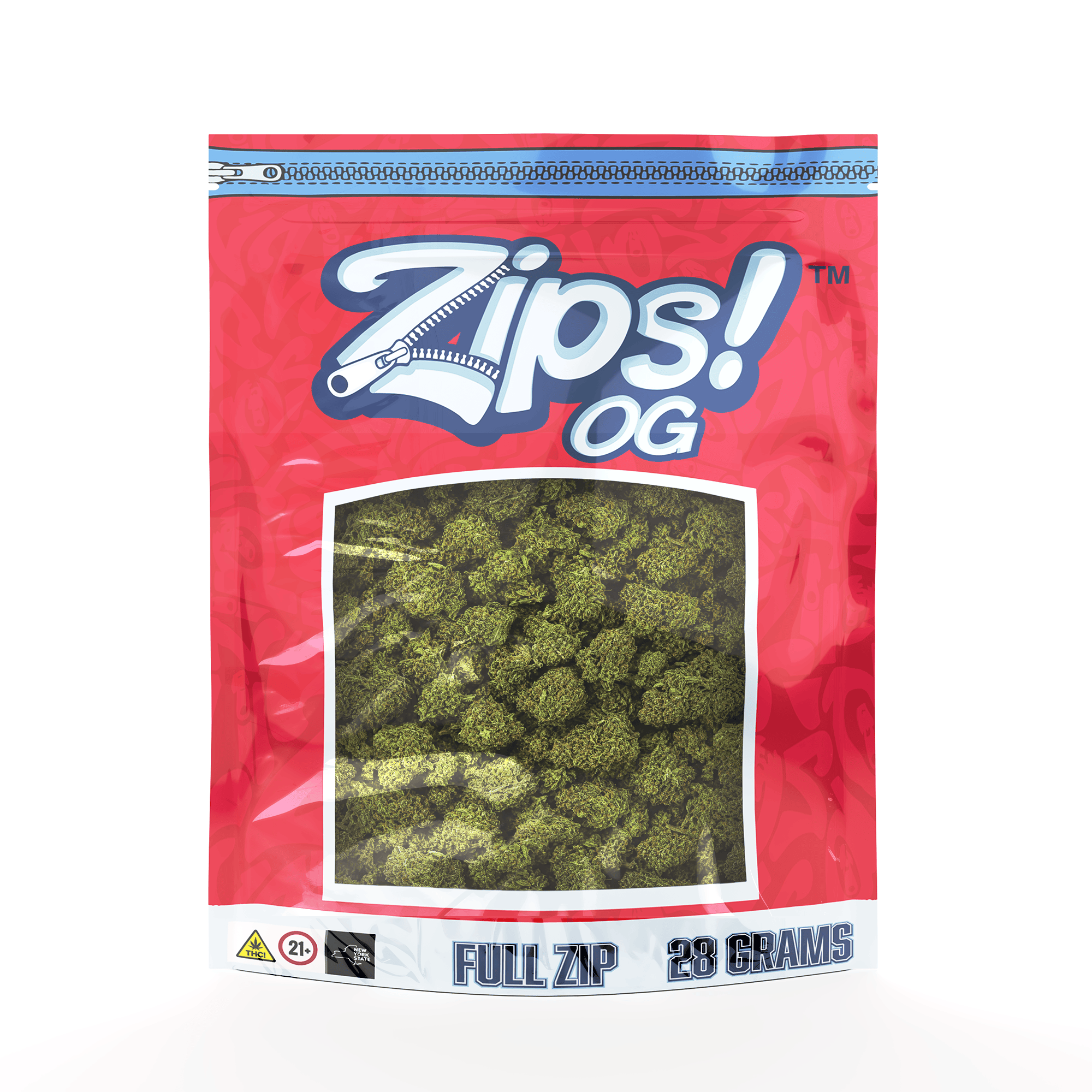
Cheese Cake buds tend toward the dense, compact structure inherited from its Kush and Cookies lineage, forming tightly wound calyxes that hold their shape well even after curing. The color palette is predominantly a deep, saturated green — ranging from forest to olive depending on the phenotype — with frequent flashes of purple in the inner leaves when the plant has experienced cooler nighttime temperatures during its finishing phase. Pistils are typically a warm amber to burnt orange, weaving through the bud in generous quantity and contributing to the visual richness of a well-grown specimen. Trichome coverage is one of Cheese Cake's more notable physical attributes: a thick, even frost of milky-to-amber resin glands blankets both the surface calyxes and the surrounding sugar leaves, giving mature buds a heavy, almost lacquered appearance in good light. The overall impression is of a cultivar that has been selected with resin yield and bag appeal firmly in mind.
Growing notes
Cheese Cake is generally considered a moderately challenging cultivar for home growers — accessible enough that an intermediate cultivator with proper environmental controls can achieve strong results, but demanding enough to reward attentive technique. It performs well both indoors under controlled lighting and outdoors in a temperate to warm Mediterranean-style climate, where it benefits from ample direct sun and low humidity during its flowering phase. Indoor flowering time typically falls in the eight-to-nine-week range, with indoor yields that can be generous when the plant is given room to develop through techniques such as low-stress training or light topping. Outdoor harvests generally arrive in late September to mid-October in the Northern Hemisphere. The Cheese heritage can express a pronounced aroma during flowering, so odor management is a practical consideration for indoor environments. The plant's tendency toward dense bud structure makes airflow an important variable; growers who maintain good canopy management are rewarded with resin-heavy flowers and a reduction in moisture-related risk.
When it's best enjoyed
Cheese Cake occupies a versatile position in the daily rhythm — balanced enough to suit a late afternoon unwind without fully closing the evening down, yet engaging enough to accompany creative or social activity without demanding excessive mental effort. It is a strain that fits naturally into the transitional hours: the space between the end of a work session and the beginning of an evening, when the mind is ready to soften without fully disengaging. For solo moments, Cheese Cake pairs thoughtfully with activities that benefit from relaxed attention — sketching, cooking an unhurried meal, or settling into a long-form playlist. Given the cultivar's creamy, savory-sweet flavor profile, it finds a natural companion in aged cheeses, charcuterie, or anything with a fermented, umami-forward quality that echoes its own aromatic character. Musically, the cultivar's layered, contrasting notes lend themselves well to jazz with an exploratory quality — something in the tradition of late Miles Davis or the more atmospheric end of contemporary neo-soul. The strain is equally at home at a small dinner gathering where conversation is the primary entertainment, offering sociability without the edge that more sativa-forward cultivars can introduce.
If you like Cheese Cake, also explore
UK Cheese
As the foundational parent of Cheese Cake's funky, savory character, UK Cheese will feel like familiar territory for anyone drawn to the pungent, barnyard-adjacent depth that defines this cultivar.
Girl Scout Cookies
Sharing the same Cookies lineage that contributes Cheese Cake's sweet, doughy undertones and balanced euphoric arc, GSC fans will recognize the cerebral warmth and creamy finish.
Wedding Cake
Another Cookies-family descendant with a rich, confectionary sweetness and dense resin production, Wedding Cake appeals to the same palate that gravitates toward Cheese Cake's layered, dessert-forward profile.
Blue Cheese
A Blueberry-crossed Cheese cultivar, Blue Cheese shares the savory-funky base of Cheese Cake while adding a fruity sweetness that offers a slightly softer, more approachable variation on the same aromatic theme.
Gelato
Gelato's Cookies and Sunset Sherbet heritage produces a similarly creamy, sweet smoke with a balanced hybrid effect, making it a natural recommendation for Cheese Cake enthusiasts seeking comparable sensory richness.
Common questions
Is Cheese Cake indica or sativa?+
Cheese Cake is a hybrid cultivar, drawing from both Cheese-family and Cookies-family genetics. In practice, it tends to express a balanced effect profile — an initial cerebral lift associated with its sativa-leaning heritage, followed by a grounding physical ease that reflects its indica roots. Neither dimension dominates decisively, which makes it suitable for a range of occasions without leaning strongly in one direction.
What does Cheese Cake taste like?+
Cheese Cake offers a layered palate experience that balances savory and sweet. The inhale is typically marked by the funky, slightly acidic tang characteristic of the Cheese lineage — reminiscent of aged dairy — while the exhale delivers a warmer, creamy sweetness that evokes baked goods or vanilla. Caryophyllene adds a subtle spice note, and the finish is generally smooth with a mild herbal aftertaste that dissipates cleanly.
What are the typical effects of Cheese Cake?+
Most consumers describe an experience that begins with a quiet mood lift and a soft sense of mental clarity, arriving within ten to fifteen minutes of inhalation. This transitions into a warmer, more physical quality as the session deepens — a comfortable grounding that runs beneath the cerebral activity rather than overtaking it. The overall arc is smooth, with a gradual comedown and a total duration typically in the two-to-three-hour range.
What strains are similar to Cheese Cake?+
Those who enjoy Cheese Cake tend to also appreciate UK Cheese for its shared funky, savory depth; Girl Scout Cookies for the sweet, balanced hybrid character; Wedding Cake for its dense resin and confectionary warmth; Blue Cheese for a fruitier take on the same Cheese-family foundation; and Gelato for a comparably creamy, smooth smoke with a balanced effect arc.
Is Cheese Cake good for beginners?+
Cheese Cake is approachable for newer consumers who exercise appropriate caution. Its balanced hybrid nature means it is less likely to produce the intensity of a strongly sativa-dominant cultivar, but the Cookies lineage can contribute a pronounced potency that newer consumers should respect. A start-low, go-slow approach — beginning with a single inhalation and allowing a full fifteen minutes before reassessing — is always the advisable entry point.
What are the dominant terpenes in Cheese Cake?+
Cheese Cake is typically led by myrcene, which provides the earthy, musky foundation associated with the Cheese family. Caryophyllene contributes spice and dry warmth, while limonene introduces the citrus-adjacent sweetness tied to the Cookies lineage. Secondary terpenes often include linalool, which adds a soft floral note, and occasionally pinene, lending a subtle herbal brightness. This combination produces the cultivar's characteristic savory-sweet aromatic tension.
How does Cheese Cake compare to Wedding Cake?+
Both cultivars share Cookies-family genetics and a rich, dessert-adjacent flavor profile, but Cheese Cake introduces the sharp, fermented funk of the UK Cheese lineage — an element entirely absent from Wedding Cake. Where Wedding Cake leans toward pure confectionary sweetness and a more heavily indica-influenced physical effect, Cheese Cake balances that sweetness against a pungent savory counterpoint, resulting in a more complex and arguably more surprising aromatic experience.
What is the origin of the Cheese Cake strain?+
Cheese Cake's lineage draws from two well-established cannabis traditions: the UK Cheese phenotype, a Skunk No. 1 descendant that circulated in Britain from the late 1980s onward, and the Cookies family, which rose to prominence through Bay Area cultivators around 2012. Multiple breeders have produced versions under the Cheese Cake name, so phenotypic expression can vary. The breeder of origin and specific parent selection should be confirmed at point of purchase for the most accurate expectation.
Related strains