
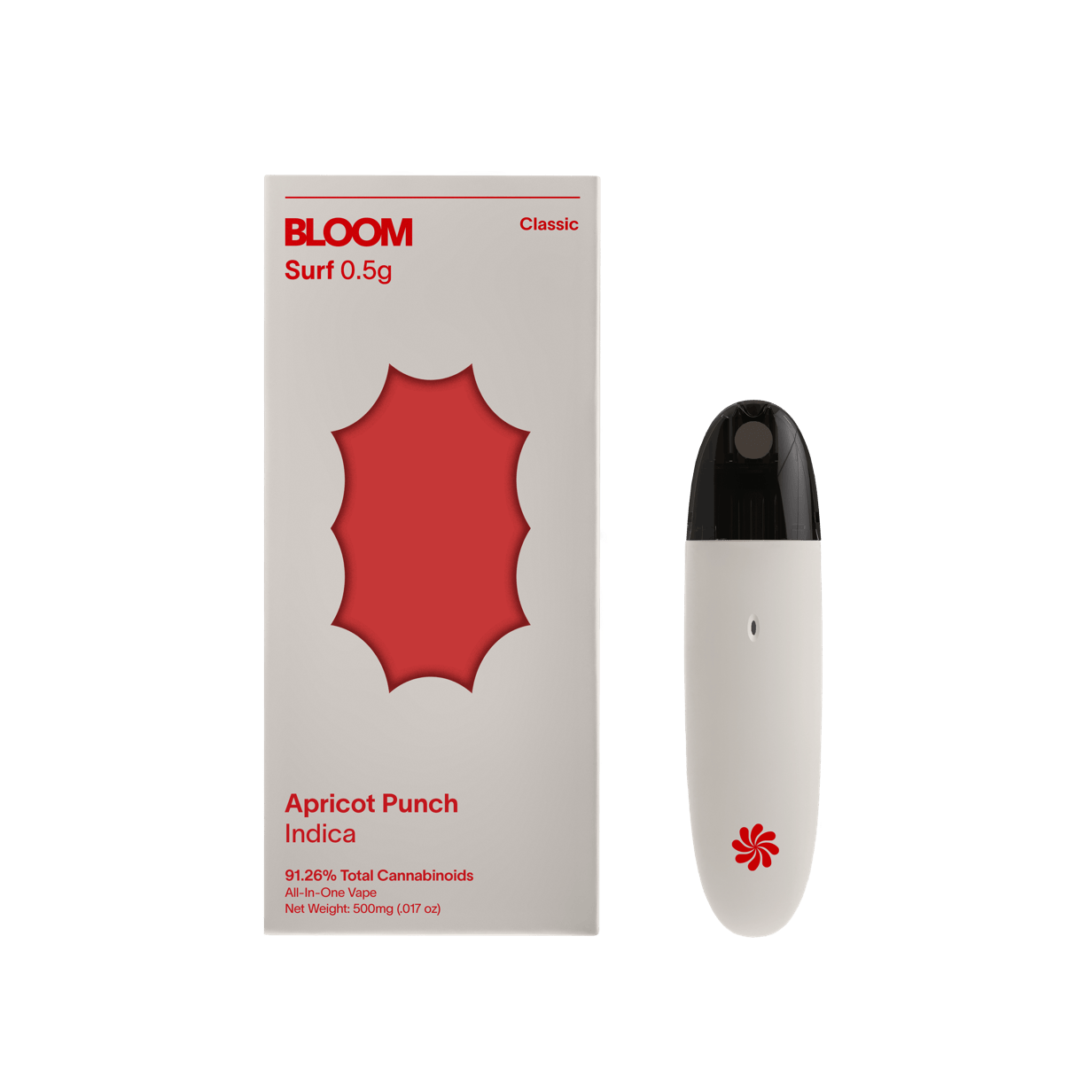
Indica
All strains Apricot Punch
2 live products in stock
Quick answer · What is the Apricot Punch cannabis strain?
Apricot Punch is a lush, fruit-forward indica whose stone-fruit sweetness arrives first on the nose before settling into a warm, grounding body experience. Bred for those who appreciate nuance in their cannabis as much as in a well-composed dish, it offers an unhurried, contemplative kind of ease — the sort that makes an ordinary evening feel deliberately curated.
Shop Apricot Punch · 2 of 2 live products
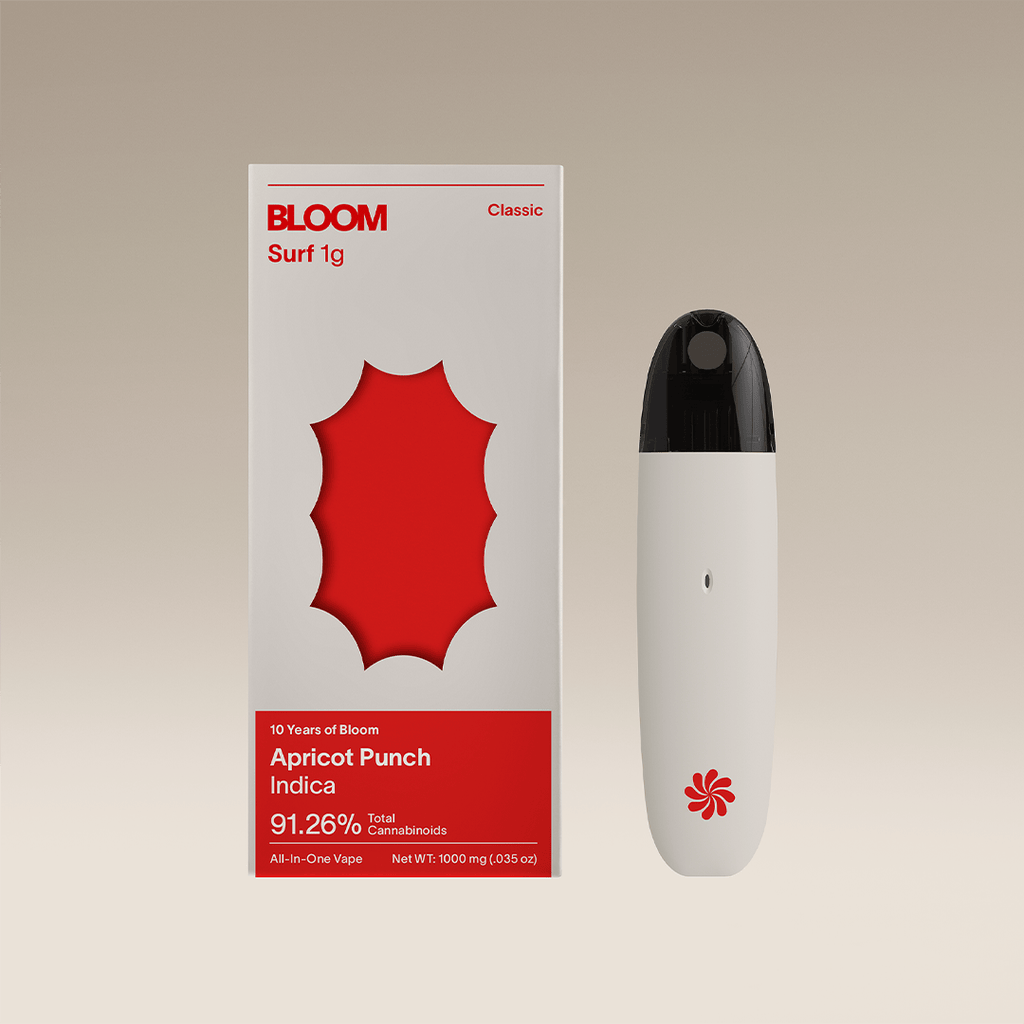
About Apricot Punch
Everything to know about Apricot Punch.
Lineage & origin
Apricot Punch is generally understood to descend from a cross of Apricot Helix and an undisclosed punch-family cultivar, though some accounts suggest the parentage may involve selections from the broader Zkittlez lineage. The breeder of record most frequently cited in community databases is Symbiotic Genetics, a California-based seed company that built a reputation through the 2010s for producing terpene-forward, visually striking cultivars. Symbiotic Genetics introduced Apricot Punch as part of a wave of dessert and fruit-profile indicas that gained traction in the California recreational market before spreading east through licensed channels. Apricot Helix, one of the likely parents, itself carries the genetic influence of Tangie and at least one OG-adjacent line, which helps explain the bright citrus-stone-fruit aroma that defines this cultivar's identity. The punch-family parent contributes density, resin production, and the particular sedative lean that distinguishes the finished plant from lighter citrus hybrids. Genetic siblings and phenotypic cousins within the Symbiotic Genetics catalogue include Tropicana Punch and Papaya Punch, both of which share the color expression and terpene richness that have made fruit-punch indicas a collector's category of their own. Phenotypic variation across different runs can shift the profile toward deeper apricot or brighter tangerine notes, making it a strain that rewards attention across multiple encounters.
Effects
The onset of Apricot Punch is characteristically gradual — most consumers report noticing the first signals within five to ten minutes of inhalation, typically as a gentle pressure behind the eyes and a softening of ambient tension in the shoulders and upper back. This measured entry is consistent with an indica-dominant terpene and cannabinoid profile weighted toward myrcene, which is associated in the literature with more sedative, body-centered onset patterns. At its peak, which tends to arrive fifteen to thirty minutes in, the experience is primarily physical: a deep muscular ease that does not demand mental surrender so much as it gently encourages it. Many consumers describe a pleasant cognitive quieting rather than outright sedation — thoughts slow to a more manageable pace, and the inner monologue loses its urgency. There is a mild euphoric warmth that is sociable in lower quantities but tilts toward introspective contentment at higher doses. The duration is moderate to long by flower standards, with the body effects often extending two to three hours before tapering into a natural, restful drowsiness. The comedown is notably smooth — there is little of the abrupt drop that characterizes some high-THC indicas, and most consumers find the transition into sleep or simply into relaxed wakefulness to be comfortable. As always, individual response varies considerably, and those new to cannabis or to indica-dominant cultivars are well advised to start with a conservative amount.
Aroma, flavor & terpenes
Apricot Punch announces itself with an immediate wave of ripe stone fruit — specifically the jammy, sun-warmed quality of apricot rather than the sharper edges of peach or nectarine. This signature character is largely attributable to a terpene profile dominated by myrcene and ocimene, the latter contributing the distinctly tropical, faintly herbal sweetness that elevates the nose beyond simple fruit candy. Secondary terpenes add layering and depth. Caryophyllene introduces a mild, dry spice — a subtle peppery undertone that keeps the sweetness from becoming cloying and gives the aroma something to anchor it. Limonene, present in moderate amounts in most cuts, brightens the mid-register with a gentle citrus lift that reinforces the orange-adjacent quality inherited from the Tangie lineage in Apricot Helix. Some phenotypes also express detectable pinene, lending a faint piney resin note on the exhale that adds structural contrast to the overall profile. On the palate, whether consumed via flower or vapor, Apricot Punch delivers a surprisingly faithful translation of its aroma. The smoke is smooth and moderately dense, with the sweet fruit character most prominent on the inhale and the spice-and-resin tones emerging more clearly on the exhale. Vapor at lower temperatures accentuates the ocimene-driven tropical brightness; higher temperature extraction draws out the caryophyllene's earthier, more grounding qualities. The finish is clean, leaving a faintly sweet residue rather than the acrid dryness associated with harsher cultivars.
Appearance
Apricot Punch produces buds that are characteristically dense and compact, reflecting the indica architecture of its lineage. The calyxes stack tightly, forming rounded, almost bulbous clusters that feel substantial in the hand. Trichome coverage is generous and even, giving the surface a frosted, slightly luminescent quality under direct light — a visual indicator of the resin production that defines this cultivar's appeal to extract makers as well as flower consumers. The color palette is one of the strain's most discussed features. Mature flowers from well-grown plants frequently display deep purple and violet hues within the leaf tissue, a phenotypic expression tied to anthocyanin development during late-stage flowering when temperatures drop. These cool tones are offset by vivid amber and burnt-orange pistils that curl and weave across the surface in dense clusters. The overall aesthetic is rich and autumnal — a palette that aligns with the stone-fruit warmth of the aroma profile and makes Apricot Punch one of the more visually distinctive indicas in its tier.
Growing notes
Apricot Punch is considered an intermediate-level cultivar, accessible to growers who have navigated a full cycle or two but carrying enough sensitivity to humidity and late-stage temperature management to humble the casual gardener. It performs well in both indoor and outdoor environments, though indoor cultivation — particularly in a controlled tent or room setup — offers the best opportunity to coax out the purple coloration through deliberate temperature drops of ten to fifteen degrees Fahrenheit in the final two weeks of flowering. Flowering time typically runs eight to nine weeks in an indoor environment, with outdoor harvests in the northern hemisphere generally falling in early to mid-October. Indoor yields are reported as moderate to above-average when canopy training techniques such as low-stress training or light defoliation are applied. The plant responds well to ample airflow; its dense bud structure can create conditions favorable to botrytis if humidity is not managed carefully in the final weeks. Climate preferences lean toward mild, dry conditions during flowering — a practical consideration for outdoor cultivators in variable markets like New York.
When it's best enjoyed
Apricot Punch is best understood as a late-evening cultivar — one that rewards the hour after the day's obligations have resolved but before sleep becomes the immediate agenda. It fits naturally into solo rituals: a slow wind-down with a film that does not demand close attention, a long bath, or the quiet pleasure of reading without urgency. The body ease it promotes makes physical stillness feel actively comfortable rather than merely restful. For those who prefer shared experiences, Apricot Punch brings a gentle sociability to small, intimate gatherings where conversation is unhurried. It does not sharpen creative output in the way a sativa-leaning cultivar might, but it does soften the self-consciousness that can impede genuine exchange. In terms of pairings, the caryophyllene and myrcene profile finds a natural complement in soft, warm flavors: a ripe cheese board with honeycomb, stone-fruit preserves, or a lightly spiced chai. Musically, low-tempo soul, ambient jazz, or the quieter end of neo-classical composition tends to mirror the strain's own unhurried character. The pairing, in either direction, is less about contrast than about deepening what is already present.
If you like Apricot Punch, also explore
Tropicana Punch
A genetic sibling from the same Symbiotic Genetics stable, Tropicana Punch shares the fruit-punch density and vivid coloration while leaning slightly brighter and more citrus-forward on the nose.
Papaya Punch
Another punch-family indica with comparable resin production and tropical terpene architecture, offering a similarly smooth body experience for those who appreciate Apricot Punch's physical ease.
Zkittlez
The ancestral candy-fruit indica that helped define the flavor category Apricot Punch inhabits, making it a natural reference point for anyone drawn to sweet, multi-layered fruit profiles with reliable body sedation.
Mimosa
For consumers who enjoy the stone-fruit brightness of Apricot Punch but occasionally want a lighter, more daytime-appropriate option, Mimosa offers citrus-forward sweetness with a more balanced effect profile.
Sunset Sherbet
A dessert-indica with similarly warm, fruit-and-cream terpene character and a grounding body effect that will feel familiar to Apricot Punch enthusiasts seeking an alternative with its own distinct complexity.
Common questions
Is Apricot Punch indica or sativa?+
Apricot Punch is classified as an indica-dominant cultivar. Its effects profile — gradual onset, pronounced body ease, and a tendency toward restful sedation at higher consumption levels — is consistent with that classification. The lineage, which involves indica-weighted genetics from the punch and Zkittlez families, reinforces this designation, though individual phenotypes can carry varying degrees of hybrid character.
What does Apricot Punch taste like?+
Apricot Punch delivers a palate experience centered on ripe stone fruit — specifically the jammy sweetness of apricot — with secondary notes of tropical fruit, mild citrus, and a dry, peppery finish courtesy of its caryophyllene content. The smoke is smooth and relatively gentle, with the fruit character most vivid on the inhale and the earthier, spiced notes emerging on the exhale. The finish is clean and faintly sweet.
What are the typical effects of Apricot Punch?+
Consumers most commonly describe Apricot Punch as producing a deep, even body relaxation accompanied by a quiet mental calm — a slowing of the inner monologue rather than cognitive impairment. Onset is gradual, typically five to fifteen minutes post-inhalation. The peak is warm and physically grounding, and the experience generally concludes in natural drowsiness. It is particularly well-suited to evening use and low-activity settings.
What strains are similar to Apricot Punch?+
Consumers who appreciate Apricot Punch frequently also enjoy Tropicana Punch and Papaya Punch, both genetic relatives from Symbiotic Genetics. Zkittlez serves as an ancestral reference point in the same flavor category. Sunset Sherbet and Mimosa are useful adjacent options for those who enjoy fruit-forward profiles and seek either comparable sedation or a lighter daytime alternative, respectively.
Is Apricot Punch good for beginners?+
Apricot Punch can be approachable for beginners who are specifically seeking an indica-dominant, body-centered experience, but its potency warrants the standard guidance: start with a modest amount and allow adequate time to assess the full onset before consuming more. The smooth, gradual character of its onset is forgiving compared to more abrupt cultivars, but new consumers should still approach any indica with patience and in a comfortable, familiar setting.
What are the dominant terpenes in Apricot Punch?+
Apricot Punch is typically dominated by myrcene, which contributes its herbal, musky sweetness and sedative body lean. Ocimene adds the tropical, stone-fruit brightness that defines the strain's aromatic identity. Caryophyllene provides a dry, spiced counterpoint that adds depth and complexity. Limonene and, in some phenotypes, trace amounts of pinene round out the profile with citrus lift and faint resinous structure.
When is the best time of day to consume Apricot Punch?+
Apricot Punch is best suited to the late evening or night. Its indica-dominant character — gradual onset, pronounced body ease, and a natural drift toward drowsiness at the experience's conclusion — makes it poorly matched to mornings or to any part of the day requiring sustained focus, physical coordination, or complex decision-making. It is ideally consumed in a comfortable, low-demand environment where relaxation is the primary intention.
Who bred Apricot Punch and where does it come from?+
Apricot Punch is most commonly attributed to Symbiotic Genetics, a California-based seed company that gained recognition during the mid-to-late 2010s for terpene-rich, visually expressive cultivars. The strain emerged from the broader fruit-punch and dessert-indica wave that characterized California's post-legalization breeding scene. It has since been adopted by licensed producers across multiple legal markets, including the Northeast.
Related strains