
Indica
All strains Twin
1 live products in stock
Quick answer · What is the Twin cannabis strain?
Twin is an indica-leaning variety that earns its name through a balanced duality of sensation — a brief, clarifying mental lift that gives way to a deep, grounding physical ease. With a dense, resinous structure and an earthy, fuel-kissed aroma underscored by subtle sweetness, Twin rewards those who approach it with patience. It is the kind of flower that suits the unhurried evening, the quiet room, and the company of someone who appreciates the slower side of things.
Shop Twin · 1 of 1 live products
About Twin
Everything to know about Twin.
Lineage & origin
Twin's precise lineage has not been fully disclosed by its breeder in widely available public documentation, placing it among a category of proprietary or small-batch genetics whose full family tree remains partially opaque. What is broadly reported across cannabis community platforms is that Twin carries strong indica heritage, with phenotypic characteristics that point toward Afghani or OG Kush ancestry — both of which are commonly associated with the dense bud structure, sedative terpene profiles, and resinous trichome production that Twin expresses consistently. The OG Kush lineage, itself descended from a crossing of Chemdawg with a Hindu Kush and Lemon Thai combination, would account for Twin's earthy, fuel-forward aromatic notes and its characteristic cranial onset before settling into body-dominant relief. Afghani influence, one of the oldest and most stable landrace gene pools in cannabis cultivation, would further reinforce its compact calyx formation and its notably heavy resin output. As of the time of writing, no single licensed breeder has publicly claimed Twin as a flagship release with full transparency of parent strains, and lineage discussions on platforms such as Leafly and Wikileaf remain inconclusive. Shoppers seeking certified genetic documentation should inquire directly with their licensed dispensary. What is less contested is that Twin's expression sits firmly within the classic indica tradition — dense, aromatic, and physically authoritative.
Effects
Twin's experience tends to follow a deliberate, two-phase arc that reflects its indica character without entirely abandoning cerebral engagement. Onset typically arrives within five to fifteen minutes of inhalation, manifesting first as a mild, almost imperceptible brightening of mood — a quiet mental clarity that does not escalate into anxiety or racing thoughts but simply smooths the edges of the day. This initial phase is subtle enough to be mistaken for simple relaxation, but attentive consumers will notice a modest uplift in perceptual focus during the first twenty minutes. The transition into the dominant body phase is gradual rather than abrupt. As the cerebral opening subsides, a warm, spreading physical weight begins at the shoulders and works its way through the torso and limbs. This is where Twin's indica identity becomes unmistakable — the muscles soften, tension held in the jaw and neck tends to ease, and movement feels deliberate and unhurried. The peak body experience can last between one and two hours depending on individual tolerance and consumption method. Myrcene, likely the dominant terpene based on its aromatic and phenotypic profile, is widely documented to contribute to sedative and muscle-relaxing qualities in combination with THC, helping to explain the progressive physical heaviness Twin delivers. The comedown is generally smooth rather than abrupt, fading into a calm, grounded drowsiness that most consumers find conducive to rest. New consumers and those sensitive to THC should approach Twin with measured intention, keeping portions modest and the setting comfortable.
Aroma, flavor & terpenes
Twin's aromatic profile opens with an immediate, damp earthiness — the kind of rich, soil-forward note reminiscent of forest floor after rain — punctuated by a faint undercurrent of fuel and spice that becomes more pronounced as the flower is broken apart. This combination strongly suggests a terpene profile anchored by myrcene and caryophyllene, both of which are characteristically expressed in OG and Afghani-derived genetics. Myrcene, the most abundant terpene in many indica varieties, contributes the heavy, musky, and faintly herbal base that gives Twin its grounding initial impression. Beta-caryophyllene adds a peppery, slightly woody dimension that sharpens the blend and lends a dry, spice-cabinet complexity to the aroma. Secondary terpenes that appear to be present, based on the observed flavor character, include humulene — which introduces a subtle hoppy bitterness — and trace amounts of pinene, responsible for a fleeting, resinous pine note that surfaces when the bud is ground. On the palate, Twin delivers a smooth, full-bodied draw with vapor or smoke that coats the throat without harshness at appropriate temperatures. The initial taste is earthy and slightly sweet, transitioning through a mid-palate spice note before a clean, damp-wood finish. The retrohale, if explored, amplifies the caryophyllene pepper and leaves a lasting, pleasant bitterness not unlike dark roast coffee. The interplay between these terpene layers rewards slow, deliberate consumption, making Twin well-suited to a glass pipe or low-temperature vaporizer that preserves aromatic nuance.
Appearance
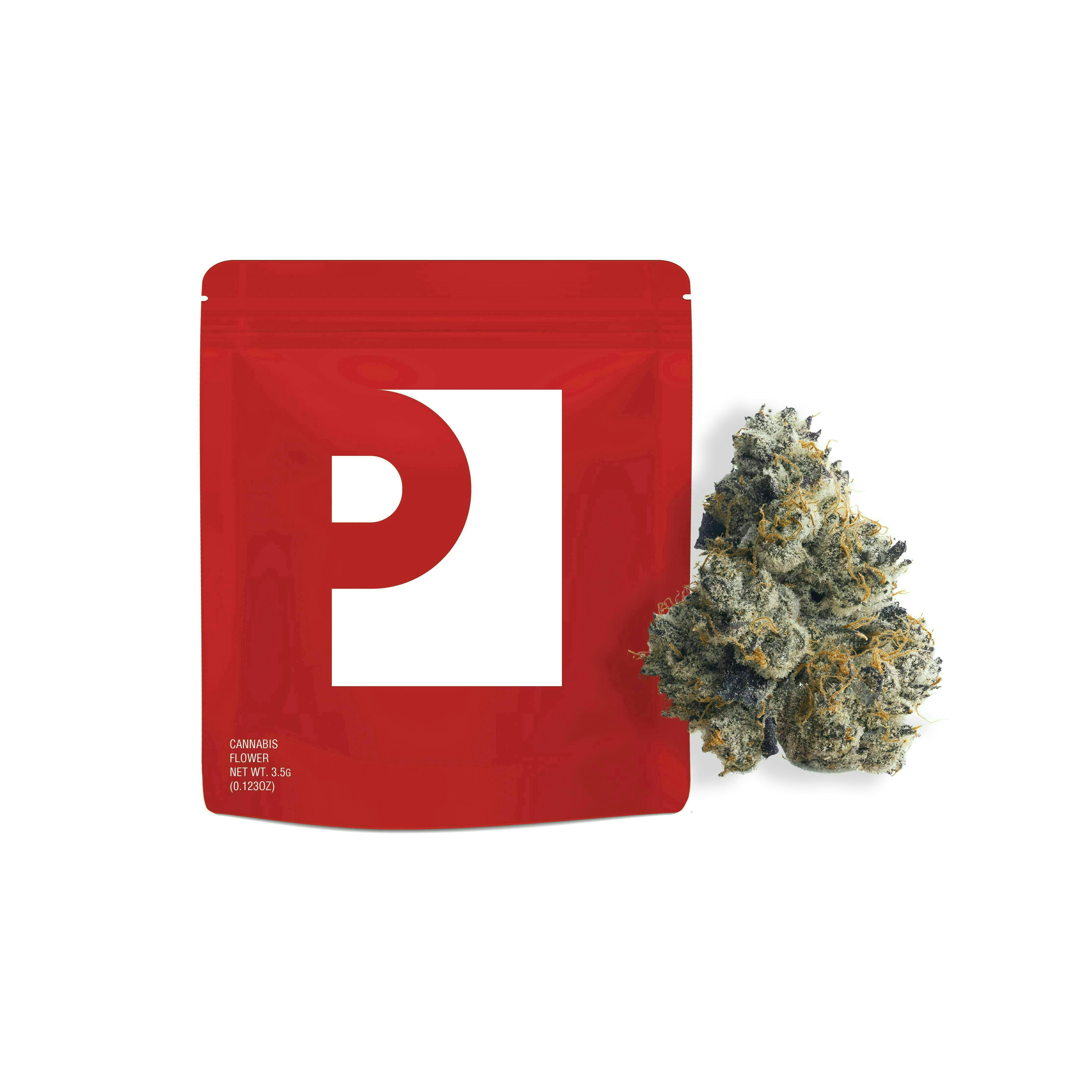
Twin presents as a classically structured indica flower — compact, densely packed, and heavier in the hand than its visual size might suggest. The calyxes stack tightly, forming rounded, almost globular buds with minimal airgap between the individual sugar leaves, a hallmark of Afghani-adjacent genetics. The color palette skews toward deep forest and olive greens, occasionally punctuated by deeper purple undertones in the outer leaves, particularly in phenotypes that were cultivated at lower finishing temperatures. Trichome coverage is notably generous — a frost-white, near-opaque layer of capitate-stalked glandular trichomes blankets both the calyxes and the adjacent trim leaves, giving finished flower a luminous, slightly silver appearance under direct light. Pistils are rust-orange to amber in coloration, curling tightly around the bud structure and providing the primary color contrast against the dense green base. Overall, Twin's appearance communicates maturity and resin density in equal measure — a visual profile that aligns with its aromatic and experiential weight.
Growing notes
Twin is reported to perform with reliability in controlled indoor environments, where its indica structure and relatively compact height make it well-suited to techniques such as sea of green (SOG) arrangements or moderate low-stress training. Indoor flowering time generally falls within the eight-to-nine-week range, consistent with Afghani-influenced genetics, and plants tend to reward growers with above-average resin production when environmental conditions remain stable. Yield potential indoors is considered moderate to generous given the dense, heavy bud structure, though the thick canopy can trap humidity and warrant attentive airflow management to prevent moisture-related issues during late flower. Outdoor cultivation is viable in temperate climates with warm, dry finishing conditions — Twin's dense bud architecture makes it less forgiving of sustained rain or high humidity near harvest. Overall difficulty is considered moderate: the plant is not particularly demanding in its nutrient or lighting requirements, but the density that makes its flower so appealing also requires cultivators to maintain disciplined environmental oversight. For the cultivator-curious shopper, Twin's profile suggests a strain that generously rewards attentive growing practices without requiring expert-level intervention.
When it's best enjoyed
Twin is a strain for the deliberate evening — the hours that belong neither to obligation nor to sleep, but to the unhurried pleasure of existing comfortably in one place. Its two-phase experience makes it particularly well-suited to solo creative work that benefits from initial mental clarity before softening into atmospheric immersion: slow-cooked meals prepared without urgency, a vinyl record explored from side A to side B, or a long-form documentary watched without the impulse to check a phone. For those who prefer social settings, Twin is best reserved for intimate gatherings rather than active social functions — a quiet dinner with one or two trusted companions, where conversation moves slowly and no one is in a hurry to be anywhere else. Given its earthy, caryophyllene-forward terpene profile, Twin pairs naturally with umami-rich foods: aged cheeses, braised dishes, dark chocolate, or a glass of a full-bodied red wine. Musically, the strain's grounding body character aligns well with slow, textured genres — ambient, jazz, or low-tempo soul. The guiding principle with Twin is unhurried presence, and the ideal setting is one that honors that rhythm.
If you like Twin, also explore
Granddaddy Purple
Fans of Twin's deep physical relaxation and earthy-sweet aroma will find familiar comfort in Granddaddy Purple's grape-tinged indica body effect and similarly dense, resinous structure.
OG Kush
Given Twin's probable OG-adjacent genetics, OG Kush offers the same fuel-and-earth terpene profile and that characteristic two-stage onset — cerebral first, then progressively physical — that Twin consumers tend to appreciate.
Bubba Kush
Bubba Kush mirrors Twin's compact bud architecture, heavy myrcene and caryophyllene presence, and the kind of slow, deeply grounding body effect that defines a classic evening indica.
Northern Lights
Northern Lights shares Twin's Afghani landrace roots, offering a similarly smooth, full-body experience with an earthy pine aroma that will resonate with those drawn to Twin's understated complexity.
Hindu Kush
As one of the foundational landrace indicas from which much of Twin's likely ancestry derives, Hindu Kush appeals to the same consumer who values resinous density, earthy spice, and unhurried physical ease above all else.
Common questions
Is Twin indica or sativa?+
Twin is classified as an indica-dominant variety. Its bud structure, terpene profile, and reported effects all align with indica tradition — compact, resinous flower delivering a grounding, body-forward experience with a modest cerebral opening. While modern cannabis genetics make strict indica-sativa labels increasingly approximate, Twin's overall character is unambiguously weighted toward the physically relaxing, sedative end of the spectrum.
What does Twin taste like?+
Twin delivers an earthy, slightly sweet initial flavor with a mid-palate spice note — a quality attributed to its likely caryophyllene content — and a clean, damp-wood finish. The retrohale brings forward a pleasant dark pepper bitterness. The overall palate experience is smooth, full-bodied, and grounding, evoking rich soil, coffee, and a trace of pine resin. It rewards low-temperature consumption that preserves the terpene complexity.
What are the typical effects of Twin?+
Twin typically begins with a brief, clarifying mental lift in the first ten to fifteen minutes before transitioning into a warm, progressive physical relaxation that spreads from the shoulders through the body. The peak experience is body-dominant, with muscles softening and movement becoming deliberate and unhurried. Duration at peak is generally one to two hours, with a smooth comedown into calm drowsiness. It is best suited to low-demand, comfortable settings.
What strains are similar to Twin?+
Consumers who enjoy Twin's grounding indica character and earthy, fuel-touched terpene profile often find similar satisfaction in Granddaddy Purple, OG Kush, Bubba Kush, Northern Lights, and Hindu Kush. Each of these shares at least one key dimension of Twin's experience — whether that is its dense resinous structure, its two-phase onset, or its deep physical body effect rooted in Afghani or OG genetic heritage.
Is Twin good for beginners?+
Twin can be appropriate for new consumers who approach it with care and intention. Its indica-dominant character means the effects can be quite pronounced, particularly in the body-relaxation phase, which may feel overwhelming for those unaccustomed to higher-potency flower. The standard guidance applies: start with a small amount, allow adequate time for onset before consuming more, and choose a setting that is comfortable and low in external demands. A trusted, experienced companion nearby can add reassurance.
What are the dominant terpenes in Twin?+
Based on its aromatic profile and phenotypic character, Twin's terpene profile appears to be anchored by myrcene — which contributes its earthy, musky base and supports the sedative body effect — and beta-caryophyllene, which adds a peppery, woody spice and is the only terpene known to interact with the body's CB2 receptors. Secondary contributions from humulene and pinene round out the profile with hoppy bitterness and a resinous pine note respectively.
When is the best time of day to consume Twin?+
Twin is best suited to the late afternoon or evening hours. Its progressive physical sedation and the grounding body weight it produces are not well-matched to mornings or periods requiring sustained focus, physical coordination, or social engagement at full capacity. The strain's two-phase arc — beginning with mild mental clarity and deepening into relaxation — makes it well-timed for the transition between an active day and a restful evening, ideally with no obligations remaining.
What is the lineage of Twin?+
Twin's complete lineage has not been publicly confirmed by a named breeder in widely available documentation. Community reports and its phenotypic expression suggest probable Afghani or OG Kush ancestry, consistent with its dense bud structure, resinous trichome production, and earthy, fuel-forward terpene profile. Until a breeder officially discloses the parent strains with verifiable sourcing, the full genetic story remains partially speculative. Shoppers seeking confirmed lineage information are encouraged to consult with dispensary staff directly.
Related strains