
Indica-Hybrid
All strains Purple Starfruit
2 live products in stock
Quick answer · What is the Purple Starfruit cannabis strain?
Purple Starfruit arrives like a slow dusk settling over a summer garden — its deep violet calyxes and tropical sweetness announcing something unhurried and considered. An indica-leaning hybrid of notable visual distinction, it balances a calm, grounding body character with just enough mental clarity to keep the evening interesting. For those who appreciate craft cannabis as they might a well-cellared natural wine, Purple Starfruit rewards patience and attention in equal measure.
Shop Purple Starfruit · 2 of 2 live products
THC 81.1%Indica
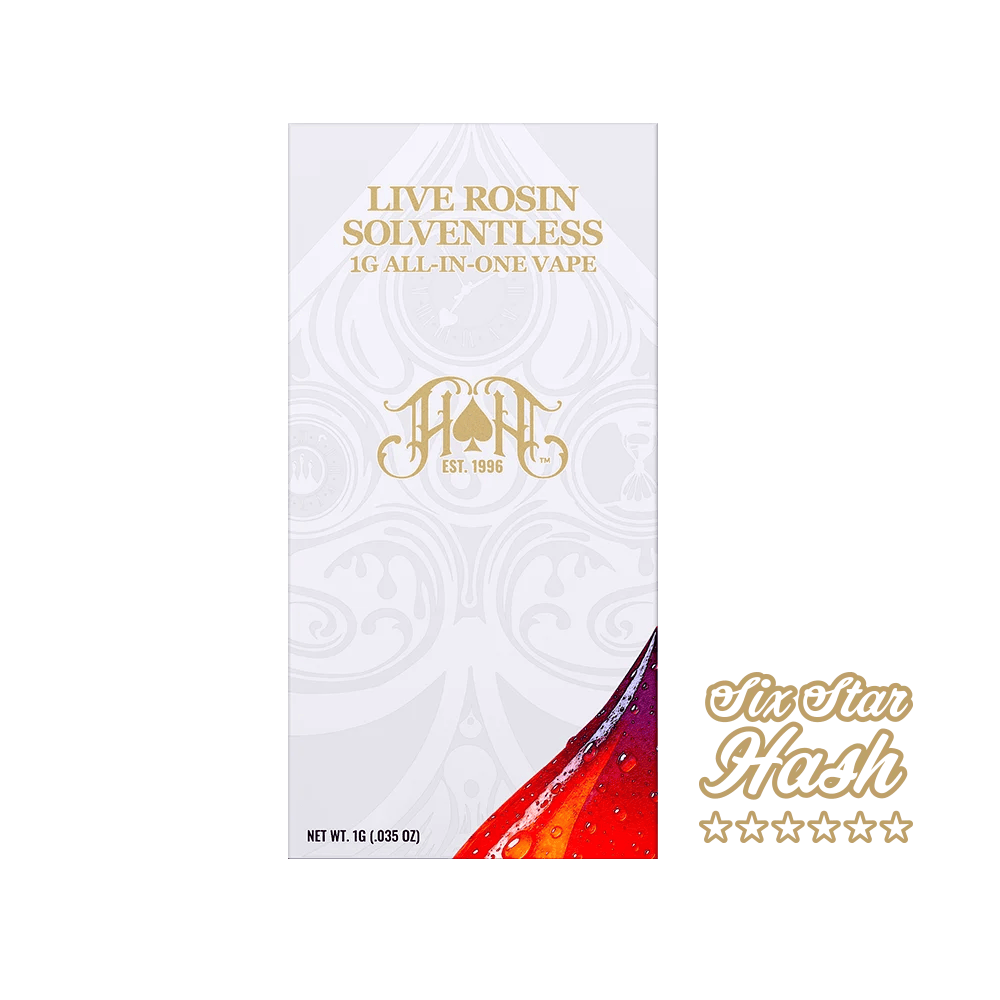
Heavy HittersHeavy Hitter | Purple Starfruit | Indica - Live Rosin All-In-One · 1g
$90.27
$102after tax
About Purple Starfruit
Everything to know about Purple Starfruit.
Lineage & origin
Purple Starfruit is a relatively modern indica-leaning hybrid whose precise lineage has not been exhaustively documented across major public registries, and the breeder of record varies depending on the source. The strain is most commonly attributed to crossings within the broader Purple family — likely descending from Granddaddy Purple or a close Purple Urkle phenotype — combined with a Starfruit or tropical-forward cultivar that contributes its signature citrus and stone-fruit aromatic signature. Granddaddy Purple itself, bred by Ken Estes in Northern California around 2003, became the foundational purple-pigmented indica of the modern era, and its influence cascades through dozens of descendant crosses. The Starfruit parent, sometimes listed as a sativa-leaning hybrid of Cinderella 99 and an unnamed indica, contributes brightness and lift to what would otherwise be a deeply sedating lineage. Because the full genetic chain has not been publicly certified by a single originating breeder, some dispensary listings attribute Purple Starfruit to regional craft breeders in California and the Pacific Northwest who have each produced phenotypes under this name. Shoppers should be aware that minor variation between batches — particularly in color expression and aromatic intensity — may reflect these distinct phenotypic origins rather than inconsistency in cultivation. What remains consistent across reputable cuts is the marriage of vivid anthocyanin pigmentation, tropical terpene expression, and an indica-dominant effect profile.
Effects
The onset of Purple Starfruit tends to be measured and deliberate — typically arriving within five to fifteen minutes when inhaled, with a gentle cerebral warmth that spreads across the temples before softening into the shoulders and upper back. Unlike more sativa-forward hybrids that announce themselves with an immediate mental acceleration, this strain eases in with a quality closer to comfortable settling: thoughts slow just enough to become spacious rather than scattered. The cerebral component, while present, remains secondary to the body-forward character that defines the indica side of its lineage. At its peak, which generally arrives within twenty to forty minutes and sustains for one to two hours depending on individual tolerance and consumption method, Purple Starfruit delivers a warm physical ease that many consumers describe as tension releasing without becoming immobilizing at moderate amounts. The myrcene-forward terpene profile almost certainly contributes to this sedating body quality, given that myrcene is well-documented in the scientific literature as a terpene associated with muscle relaxation and synergy with cannabinoid sedation. The comedown is typically gradual and gentle, fading into a calm that most find conducive to rest. Those newer to cannabis or to indica-dominant cultivars are well-served by the familiar guidance: start low, go slow, and allow the full arc to develop before reassessing.
Aroma, flavor & terpenes
The aromatic profile of Purple Starfruit is one of its most compelling qualities — a layered tropical bouquet that opens with bright, sun-warmed notes of star fruit and ripe mango, underpinned by the kind of soft berry sweetness that calls to mind Granddaddy Purple's storied heritage. Myrcene is almost certainly the dominant terpene here, lending the earthy, faintly musky base note that keeps the tropical brightness from reading as artificial or one-dimensional. Limonene contributes the citrus brightness on the top notes, adding a clean, almost bergamot-like lift that becomes more apparent as the flower warms. Caryophyllene appears in the mid-register, offering a subtle spice — not pepper-forward, but enough to add structural complexity to what would otherwise be an entirely sweet profile. Some phenotypes show detectable ocimene, which in the cannabis literature is associated with sweet, herbal, and faintly woody undertones that smooth the transition between the citrus top and the musky base. Linalool may also be present in trace amounts in more expressive cuts, lending a barely-there floral note. On the palate, when vaporized at moderate temperatures, Purple Starfruit delivers a smooth, fruit-forward draw with that tropical sweetness most present on the inhale and a soft, earthy finish on the exhale. Combustion retains the fruit character but introduces a rounder, denser smoke quality with a pleasant sweetness that lingers briefly on the lips.
Appearance
Purple Starfruit presents with a visual drama that immediately distinguishes it on any well-curated dispensary shelf. The buds are typically dense and tightly wound — a structural inheritance from the indica side of the lineage — with a compact calyx formation that holds its shape well even after curing. The color palette is the strain's most immediately striking feature: deep violet and indigo tones wash across the leaves and calyxes, the result of anthocyanin pigments activated during cooler late-flowering temperatures, set against a foundation of forest green that prevents the purple from reading as monochromatic. Trichome coverage is generous and even, giving mature buds a frost-dusted quality that catches light with a silvery luminescence. Pistils range from burnt orange to a deeper amber-rust, weaving through the violet and green in a way that adds warmth to an otherwise cool color story. The overall impression is of a bud that has been cultivated with intention — structured, resinous, and visually cohesive in a way that rewards close examination.
Growing notes
Purple Starfruit is considered a moderately challenging cultivar — accessible to intermediate home growers but likely to reward those with some experience managing indica-dominant plants. Indoors, it tends to perform well under controlled conditions where temperature can be deliberately dropped in the final weeks of flowering to encourage full anthocyanin expression, bringing out the violet pigmentation that defines the strain aesthetically. Flowering time runs approximately eight to nine weeks under a standard 12/12 light cycle. Indoor yields are moderate, generally in the range typical of well-maintained indica hybrids, and the plant tends toward compact, bushy growth that benefits from low-stress training techniques to improve light penetration and canopy evenness. Outdoors, Purple Starfruit thrives in a Mediterranean-style climate with warm days and cooler nights — the temperature differential being particularly important for color development. Harvest timing in the Northern Hemisphere typically falls in mid to late October. Humidity management during late flowering is worth attention, as the dense bud structure that makes this strain so visually appealing can also create conditions where airflow is important.
When it's best enjoyed
Purple Starfruit is a strain that aligns naturally with the quieter, more intentional hours of the day — the late afternoon lull before dinner, or the window after a long week when the goal is genuine decompression rather than stimulation. Its indica-leaning character makes it most at home in unhurried settings: a long bath, an evening on a terrace as the light shifts, or a slow Sunday without agenda. It is the kind of cultivar that pairs well with solo time as much as with a small gathering of trusted company where conversation drifts without pressure. Given the tropical, myrcene-rich terpene profile, Purple Starfruit finds a natural culinary companion in dishes that share its aromatic register — a ripe mango sorbet, a Thai-influenced fruit salad, or a lightly sweetened sparkling water with citrus and fresh herb. Musically, it suits ambient and downtempo selections: artists in the tradition of Four Tet, Tycho, or early Brian Eno records complement the strain's gradual, enveloping quality without competing with it. For those inclined toward creative work, the early, clearer stage of the experience can be a pleasant window for journaling, sketching, or reflective reading before the deeper body ease takes over.
If you like Purple Starfruit, also explore
Granddaddy Purple
As a likely ancestral cultivar, GDP shares the vivid purple aesthetic, grape-berry sweetness, and deeply relaxing body character that define Purple Starfruit's indica foundation.
Mimosa
Mimosa's tropical citrus brightness and hybrid balance appeal to those drawn to Purple Starfruit's limonene-forward aromatic top notes paired with a manageable, sociable effect profile.
Wedding Cake
Wedding Cake's dense, trichome-rich structure and caryophyllene-forward spice with sweet undertones will resonate with Purple Starfruit enthusiasts who appreciate complexity and physical ease.
Zkittlez
Zkittlez shares the candy-fruit aromatic palette and indica-leaning calm that make Purple Starfruit appealing to consumers who prioritize flavor and gentle relaxation over intensity.
Purple Punch
Purple Punch's grape and blueberry muffin sweetness, indica dominance, and similarly photogenic violet coloration make it a natural next exploration for Purple Starfruit admirers.
Common questions
Is Purple Starfruit indica or sativa?+
Purple Starfruit is classified as an indica-leaning hybrid, meaning it carries characteristics of both categories while tilting toward the relaxing, body-forward qualities typically associated with indica genetics. Consumers generally describe a mild cerebral warmth at onset that gives way to a predominant physical ease — a profile consistent with its indica-dominant lineage. Individual experience will vary based on tolerance, consumption method, and the specific phenotype of the batch.
What does Purple Starfruit taste like?+
Purple Starfruit delivers a distinctly tropical flavor profile — ripe star fruit and mango sweetness dominate the inhale, supported by soft berry undertones inherited from its purple parentage. A subtle citrus brightness, likely from limonene, keeps the palate from feeling heavy, while a faint earthy spice on the exhale adds depth. Vaporization tends to highlight the fruit-forward clarity, while combustion rounds the experience into a denser, sweeter smoke.
What are the typical effects of Purple Starfruit?+
Consumers typically describe Purple Starfruit as producing a gradual, warm onset — a gentle mental spaciousness followed by a grounding physical ease that settles into the body without becoming fully immobilizing at moderate amounts. The experience arc tends to peak within thirty to forty minutes and sustain comfortably before a slow, calm fadedown. Those new to indica-dominant cultivars are encouraged to start with a conservative amount and allow the full progression to unfold before consuming more.
What are the dominant terpenes in Purple Starfruit?+
Myrcene is widely considered the dominant terpene in Purple Starfruit, contributing the earthy, tropical musk that grounds the aromatic profile and is associated with relaxing body effects. Limonene adds citrus brightness on the top notes, while caryophyllene introduces a mild spice in the mid-register. Ocimene may also be present, lending herbal sweetness, and trace linalool can appear in more expressive phenotypes, offering a subtle floral quality.
What strains are similar to Purple Starfruit?+
Consumers who enjoy Purple Starfruit often find common ground with Granddaddy Purple for its purple aesthetics and berry-forward calm, Zkittlez for its candy-fruit palette and gentle indica ease, and Purple Punch for its deep relaxation and visual similarity. Mimosa appeals to those drawn to the tropical citrus brightness, while Wedding Cake satisfies consumers who value dense, resinous structure and complex sweetness alongside a grounding effect profile.
Is Purple Starfruit good for beginners?+
Purple Starfruit can be appropriate for adults new to cannabis, with the standard caveat that its indica-leaning character means the body-forward effects can feel pronounced for those without established tolerance. The general guidance of starting low and going slow is particularly relevant here — allowing time between inhalations to assess the full onset before continuing. Those unfamiliar with sedating cultivars may find a small initial amount sufficient to gauge their individual response.
Why does Purple Starfruit have purple coloring?+
The violet and indigo hues characteristic of Purple Starfruit result from anthocyanin pigments — water-soluble compounds present in the plant's cellular structure that become visually dominant when exposed to cooler temperatures during the late flowering stage. This is not a dye or additive but a natural physiological response, similar to autumn foliage color change. Skilled cultivators deliberately manage nighttime temperatures during the final weeks of flowering to maximize the strain's signature color expression.
When is the best time of day to enjoy Purple Starfruit?+
Given its indica-leaning effect profile and gradual, physically relaxing character, Purple Starfruit is generally best suited to late afternoon or evening consumption for most adults. The early stage of the experience — characterized by a mild mental warmth — can complement contemplative or low-demand creative activities, while the deeper body ease that follows makes it a natural companion to wind-down rituals. Daytime use is a matter of individual tolerance, but the sedating terpene profile suggests it is not ideally positioned for high-focus or physically demanding activity.
Related strains