
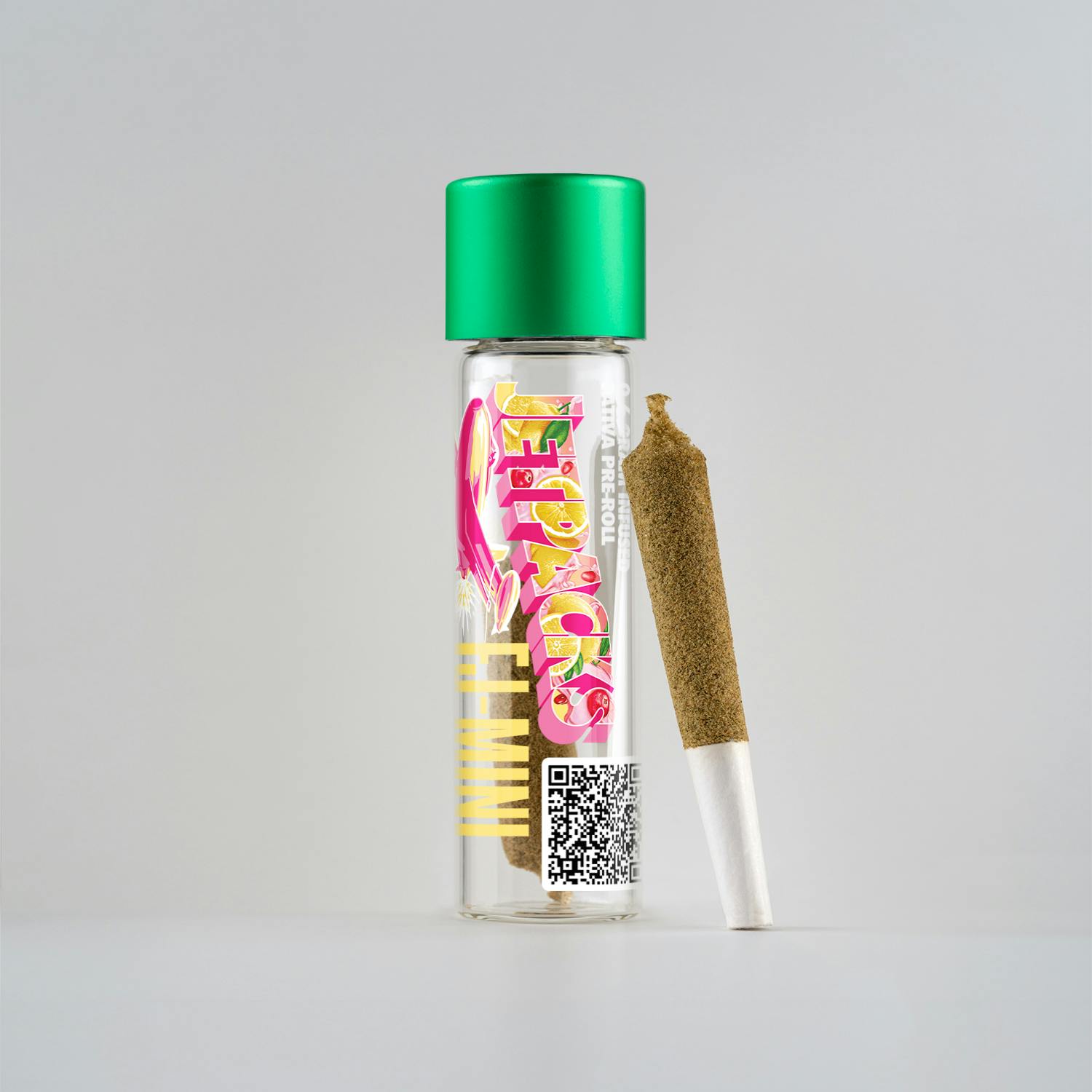
Sativa
All strains Pink Lemonade
3 live products in stock
Quick answer · What is the Pink Lemonade cannabis strain?
Pink Lemonade arrives with the quiet confidence of a well-composed cocktail — bright citrus aromatics layered over a subtly sweet, berry-tinged finish, and an effect profile that leans upward without tipping into restlessness. This sativa-dominant cultivar has earned a loyal following among those who prize mental clarity and social ease in equal measure, making it a natural companion for the kinds of afternoons and early evenings New York tends to invent spontaneously.
Shop Pink Lemonade · 3 of 3 live products
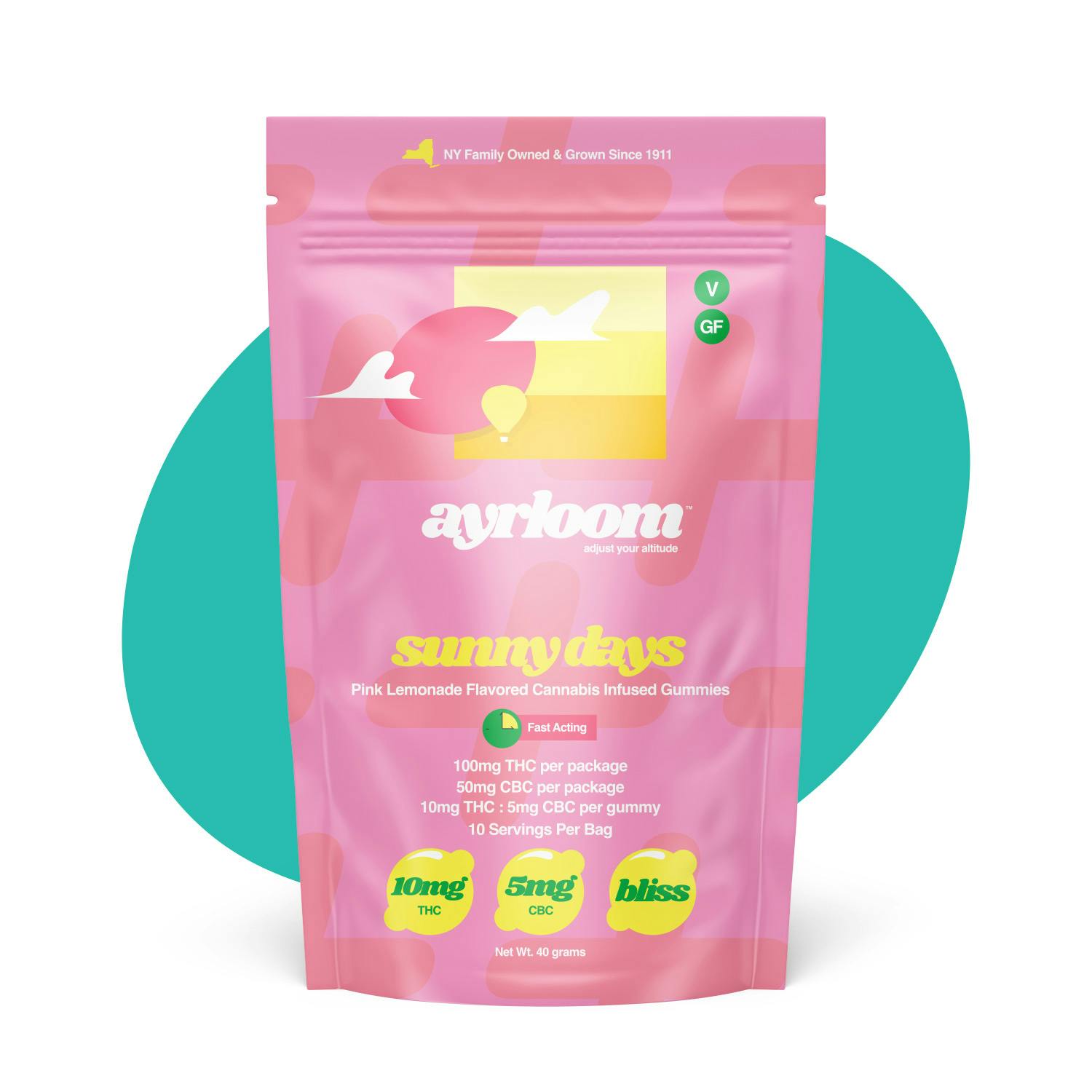
THC 0.24%Hybrid
ayrloomAyrloom | Pink Lemonade "Sunny Days" | 2:1 10MG THC : 5MG CBC 10 Pack · .1g
$24.78
$28after tax
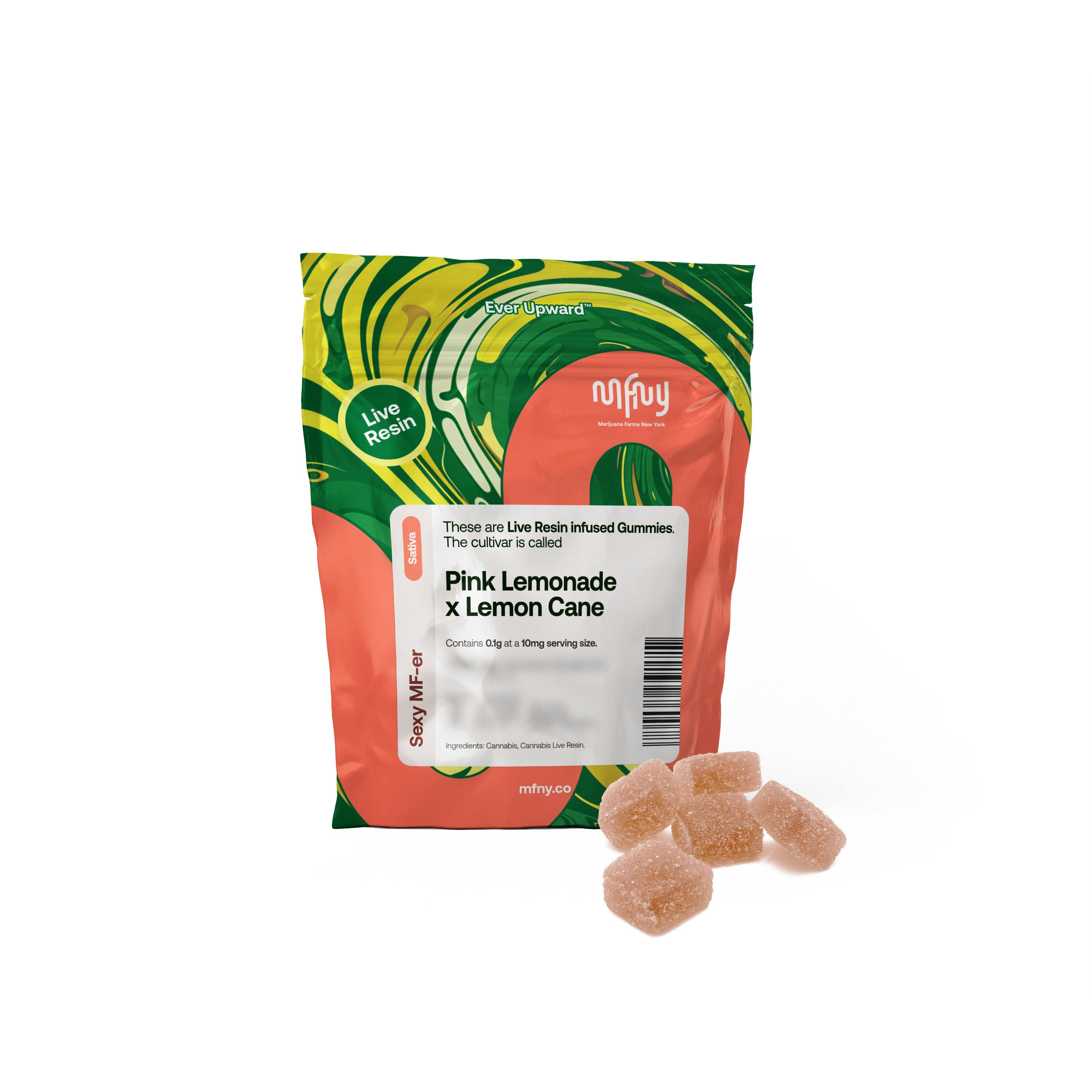
On sale· 15% OFF
THC 0.36%·CBD 3%Sativa
MFNYPink Lemonade x Lemon Cane Live Resin Gummies | 10 pk · .1g
$25.58$30.09
$29after tax
About Pink Lemonade
Everything to know about Pink Lemonade.
Lineage & origin
Pink Lemonade is generally attributed to crossing Lemon Skunk with Purple Kush, though some phenotype hunters and seed banks describe alternative parentage involving Pink Lemon and an undisclosed hybrid — a point of mild contention in online cultivation communities. The Lemon Skunk side of the equation traces back to DNA Genetics, who stabilized the strain from two exceptional lemon-forward Skunk phenotypes sourced in Las Vegas in the early 2000s. Lemon Skunk itself carries the resinous, citrus-drenched legacy of Skunk No. 1, one of the foundational hybrids of modern cannabis breeding. Purple Kush, the indica anchor, originates from the Oakland cannabis community and represents a cross between Hindu Kush and Purple Afghani — a lineage that contributes dense bud structure and deep pigmentation to the offspring. The marriage of these two poles — a bright, cerebral lemon sativa and a heavy-bodied purple indica — produced a strain that trends sativa in its effect arc while carrying indica characteristics in its physical structure. No single breeder has been universally credited with the Pink Lemonade name, and the cultivar exists across multiple seed libraries under slightly varying expressions. Phenotypes can range from vivid purple-and-green to predominantly lime green, depending on temperature manipulation during the late flowering stage. Its closest genetic neighbors in the broader Lemon Skunk family include Super Lemon Haze, Lemon OG, and Lemon Diesel.
Effects
The onset of Pink Lemonade typically unfolds within five to fifteen minutes of inhalation, beginning as a gentle but distinct pressure behind the eyes and a soft brightening of mood. This initial phase has a quality best described as attentive — thoughts arrive with more energy and slight curiosity, without the scattered quality some high-limonene sativas can produce. The dominant experience positions itself clearly in the cerebral register: conversation becomes fluid, creative threads feel worth following, and environmental details carry a pleasant sharpness. At peak, Pink Lemonade offers a balanced lift that avoids the anxious edge sometimes associated with heavily sativa-leaning genetics. This is likely tied to the modest myrcene contribution from its Purple Kush heritage, which provides a soft physical undertone that grounds the limonene-driven uplift without flattening it. The body does not feel sedated so much as at ease — a calm steadiness beneath the active mind. Duration tends to run in the two-to-three-hour range for most consumers, with a gradual comedown that returns to baseline without abruptness. The descent is smooth, carrying a mild warmth that makes the transition gentle. Given the sativa-forward character, those newer to cannabis or particularly sensitive to THC are well advised to follow a start-low, go-slow approach — the bright onset can occasionally feel more pronounced than expected on first encounter.
Aroma, flavor & terpenes
The aromatic profile of Pink Lemonade is dominated by limonene, the terpene most directly responsible for its signature citrus brightness. On the nose, fresh lemon peel is the first and most persistent impression — clean, zesty, and slightly resinous rather than artificially sweet. As the bud warms in the hand, a secondary layer of berry sweetness emerges, referencing the Purple Kush lineage and suggesting a quiet presence of myrcene alongside the dominant citrus compounds. Caryophyllene contributes a faint spice in the background — perceptible as a dry, almost peppery finish on the exhale — and is the terpene most often associated with a balancing, mildly grounding quality in the overall profile. Terpinolene, which frequently appears in Lemon Skunk-derived genetics, adds a floral and slightly herbal nuance that keeps the aroma from reading as purely one-dimensional citrus. Some phenotypes also show a whisper of pinene, which can add a clean, almost green freshness reminiscent of pine sap or a forest clearing after rain. On the palate, Pink Lemonade is a considered smoking or vaping experience. The inhale carries that front-loaded lemon and berry sweetness, rounded and accessible. The exhale resolves into the caryophyllene-driven spice, leaving a lightly tangy, clean finish. Vapor tends to express the fruit notes with particular fidelity, while combustion brings out more of the earthy, herbal undertones from the myrcene and terpinolene fractions.
Appearance
Pink Lemonade buds tend toward medium density — not the compressed, rock-hard structure typical of pure indicas, but firmly packed enough to suggest quality cultivation and adequate maturation. Calyx clusters build in tight, slightly elongated formations that reflect both its indica structural inheritance and sativa elongation tendencies. Trichome coverage is generous, giving well-cured examples a frosted, almost luminous appearance under direct light that speaks to the Lemon Skunk resin heritage. The color palette varies meaningfully by phenotype and grow environment. In cooler nighttime temperatures during late flower, anthocyanin expression from the Purple Kush genetics can push the buds toward muted lavender, soft violet, or deep forest green with purple accents. Warmer grows will yield a predominantly lime-to-medium green expression. Pistils — the fine hair-like structures threading through the bud — tend to run amber to deep orange at maturity, providing a warm contrast against the cooler green and purple tones. The overall visual impression is one of carefully composed natural color, not theatrical, but distinctly appealing.
Growing notes
Pink Lemonade performs well in both indoor and outdoor settings, though its color expression — the purple hues that make it visually compelling — is most reliably achieved indoors where nighttime temperatures can be deliberately lowered to around 60°F during the final two weeks of flowering. Flowering time runs approximately eight to nine weeks, placing it within a standard cycle for sativa-leaning hybrids. Indoor yields are reported as moderate to generous when canopy management techniques such as low-stress training are applied. Outdoor cultivation in temperate climates with warm summers and cool autumns can produce the purple pigmentation naturally, and plants typically finish by early to mid-October in the Northern Hemisphere. The strain is considered moderately demanding — not a first-time grower's ideal project, but approachable for anyone with a season or two of cultivation experience. Humidity management during the latter stages of flowering is worth attention, as the denser bud structure can create conditions favorable to mold if airflow is insufficient. Overall, the plant rewards attentive care with a terpene-rich, visually striking harvest.
When it's best enjoyed
Pink Lemonade is most at home in the transitional hours of the day — the late-morning window before obligations press in, or the early evening when the city's ambient energy softens from midday urgency to something more convivial. Its sativa-forward clarity makes it a natural companion for creative work that benefits from loose, generative thinking: writing, sketching, ideating — any pursuit where the goal is volume of ideas rather than analytical precision. Socially, it carries well at a small dinner gathering or rooftop gathering where conversation is the evening's primary pleasure. The limonene-forward terpene profile has a natural affinity with citrus-forward cuisine — a well-seasoned ceviche, a lemon-dressed salad with herbs, or a plate of charcuterie with preserved lemon components would complement rather than compete with the strain's aromatic character. For a musical pairing, recordings that balance energy with intricacy tend to harmonize well: Brazilian jazz, early funk, or a thoughtfully assembled neo-soul playlist. The strain's profile suits those who prefer to remain present and engaged rather than retreating inward.
If you like Pink Lemonade, also explore
Super Lemon Haze
Sharing the Lemon Skunk lineage and a dominant limonene terpene profile, Super Lemon Haze offers a comparable citrus-forward uplift with similarly energetic, socially inclined effects.
Lemon Skunk
As a direct parent strain, Lemon Skunk provides the same zesty, resinous citrus character and cerebral brightness, making it the natural reference point for any Pink Lemonade enthusiast.
Tangie
Tangie's vivid mandarin-orange terpene expression and sativa-dominant effect arc appeal to the same consumer who gravitates toward Pink Lemonade's bright, mood-elevating qualities.
Mimosa
Mimosa shares the citrus-and-berry aromatic duality and delivers a comparable uplifted, clear-headed experience that suits daytime and social contexts equally well.
Zkittlez
For those drawn to Pink Lemonade's berry-citrus sweetness and visual appeal, Zkittlez offers a similarly vibrant terpene palette, though with a more indica-balanced effect profile.
Common questions
Is Pink Lemonade indica or sativa?+
Pink Lemonade is classified as a sativa-dominant hybrid. Its parentage — Lemon Skunk on the sativa side and Purple Kush on the indica side — produces a strain that leans toward uplifting, cerebral effects while retaining a modest physical ease from its indica heritage. The overall experience is active and mentally engaged rather than sedating, which places it firmly in the sativa-dominant category for most consumers.
What does Pink Lemonade taste like?+
Pink Lemonade tastes much as its name implies: a bright, clean lemon citrus on the inhale, followed by a subtle berry sweetness mid-palate and a light, peppery finish on the exhale. The flavor is rounded and natural rather than artificial or candied. Vapor tends to highlight the fruit notes with greater fidelity, while combustion brings forward earthier, herbal undertones from its myrcene and terpinolene fractions.
What are the typical effects of Pink Lemonade?+
Pink Lemonade typically produces an uplifted, clear-headed experience with a social and mildly creative character. Onset arrives within five to fifteen minutes as a mood brightening and gentle mental energizing. The peak is cerebral but not anxious, with a soft physical ease running beneath the mental activity. Effects generally last two to three hours before a smooth, gradual return to baseline. First-time or sensitive consumers should approach with a start-low, go-slow orientation.
What strains are similar to Pink Lemonade?+
Consumers who enjoy Pink Lemonade tend to respond well to Super Lemon Haze and Lemon Skunk, both of which share its citrus-dominant terpene character and sativa-forward energy. Tangie and Mimosa offer similar citrus-bright, uplifting profiles with slightly different aromatic nuance. Zkittlez appeals to those most drawn to Pink Lemonade's berry-citrus sweetness, though it sits closer to the indica side of the hybrid spectrum.
Is Pink Lemonade good for beginners?+
Pink Lemonade can be approachable for newer consumers who prefer sativa-leaning effects, but it warrants a measured approach. Its bright limonene-driven onset can feel more pronounced than expected, and those unaccustomed to THC may find the mental activation slightly intense at higher amounts. A start-low, go-slow approach is the sensible path — beginning with a single inhalation and allowing adequate time to assess before continuing is sound practice for anyone new to the cultivar.
What are the dominant terpenes in Pink Lemonade?+
Limonene is the most prominent terpene in Pink Lemonade, responsible for its defining citrus-peel aroma and its association with elevated mood. Myrcene contributes a subtle earthy sweetness and a grounding physical undertone. Caryophyllene adds a dry, peppery spice to the finish and is the only terpene known to interact directly with the endocannabinoid system. Secondary terpenes may include terpinolene, which adds floral and herbal complexity, and traces of pinene, contributing a clean, green freshness.
When is the best time of day to consume Pink Lemonade?+
Pink Lemonade is well suited to daytime and early evening consumption. Its sativa-dominant character supports mental engagement, social ease, and creative activity, making it a natural fit for late mornings, afternoon creative sessions, or casual early-evening gatherings. It is generally less aligned with nighttime use for those seeking rest, as its cerebral uplift may delay the transition to sleep for those sensitive to stimulating effects.
What is the lineage of Pink Lemonade?+
Pink Lemonade is most commonly attributed to a cross of Lemon Skunk and Purple Kush, though some seed banks and phenotype descriptions suggest alternative or additional parentage. Lemon Skunk was developed by DNA Genetics from two exceptional lemon-phenotype Skunk plants. Purple Kush originates from the Oakland cannabis community as a cross of Hindu Kush and Purple Afghani. No single breeder has been universally credited, and the name appears across several libraries under slightly varying expressions.
Related strains