
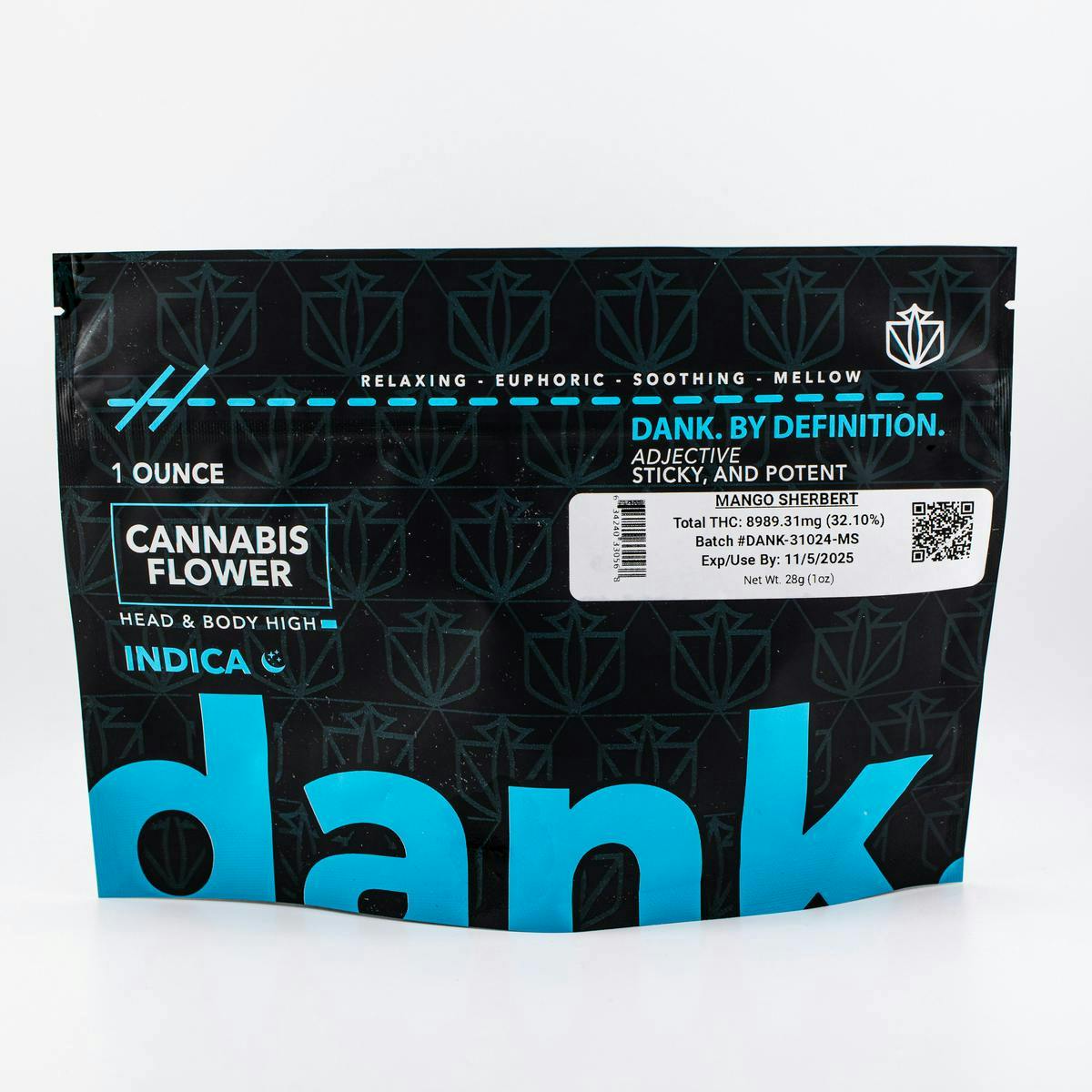
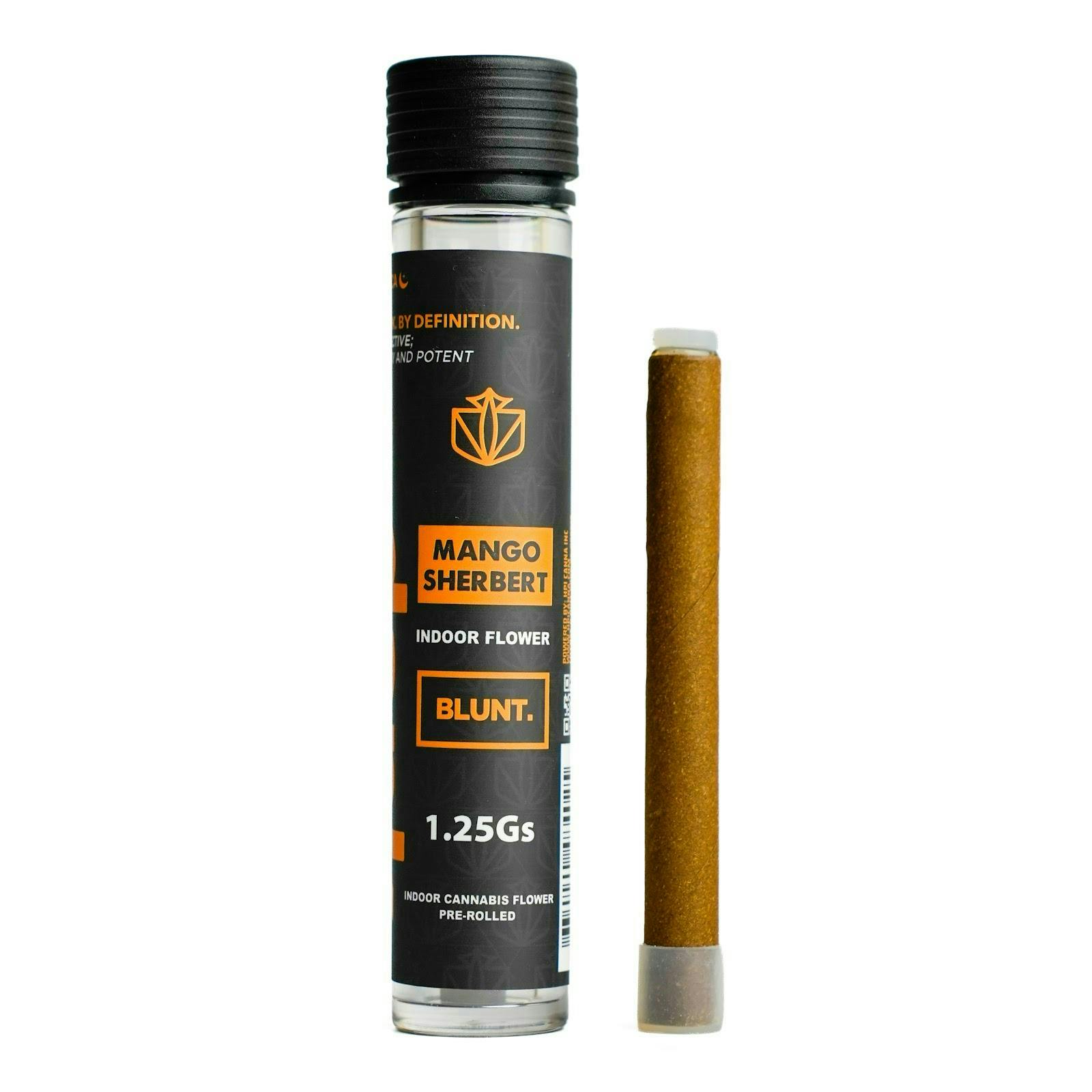
Indica-Hybrid
All strains Mango Sherbert
2 live products in stock
Quick answer · What is the Mango Sherbert cannabis strain?
Mango Sherbert arrives like a well-composed tropical dessert — layered, unhurried, and quietly indulgent. An indica-leaning hybrid whose terpene suite reads like a fruit market in full afternoon sun, it offers a grounded ease that settles without overwhelming. The name earns its keep: ripe mango, citrus cream, and a faintly herbal undercurrent thread through every inhale, making this a strain that rewards the attentive palate as much as the searching mind.
Shop Mango Sherbert · 2 of 2 live products
About Mango Sherbert
Everything to know about Mango Sherbert.
Lineage & origin
Mango Sherbert is understood to be a cross of Mango and Sherbert (also spelled Sherbet), two strains with distinct and well-documented identities. Mango, sometimes attributed to KC Brains and popularized in the early 2000s, is itself a descendant of KC 33 and Afghani genetics, carrying a heritage rooted in South Asian landrace stock. It became a foundational fruit-forward cultivar, prized for its unusually expressive myrcene-dominant terpene profile and its ability to pass sweetness and tropical aroma reliably to its offspring. Sherbert — most often attributed to the California collective Cookies Fam, emerging around 2013 — is a descendant of Girl Scout Cookies and Pink Panties, the latter believed to carry Florida OG and Burmese genetics. Sherbert earned rapid recognition for its creamy, dessert-like aroma and balanced hybrid character that leaned indica at the tail end of the experience. The precise breeder of Mango Sherbert has not been publicly confirmed in major reference sources, and the cross appears to have been popularized through multiple regional cultivators. It follows a broader wave of Sherbert-family crosses from the mid-2010s that sought to graft the Cookies lineage's complexity onto fruit-forward landrace foundations. Phenotypic siblings and cousins within the Sherbert family — Sunset Sherbert, Sherbert OG, and Rainbow Sherbert — give some comparative context, though Mango Sherbert's tropical emphasis sets it apart from the darker berry notes found in many of those relatives.
Effects
The onset of Mango Sherbert is characteristically gentle, typically registering within five to ten minutes of inhalation as a mild cerebral lift — an easing of mental static rather than an energetic push. The myrcene and limonene combination in this cultivar tends to express as a mood-brightening quality in the opening phase, producing calm engagement that many consumers find well-suited to low-stimulus creative activities or unhurried conversation. As the experience deepens through the first thirty minutes, the indica lineage begins to assert itself through a progressive physical ease. Tension held in the shoulders and neck is often among the first things to soften, followed by a broader body warmth that does not typically produce sedation at moderate consumption levels. The peak phase tends to occupy a comfortable middle ground: present and gently euphoric in mood, while relaxed in the body — the signature character of a well-balanced indica-leaning hybrid. The comedown is notably smooth in most accounts, drifting toward rest without the abruptness sometimes associated with heavier indica cultivars. Duration for most consumers falls in the two-to-three-hour range, with individual variation depending on tolerance and consumption method. Caryophyllene, the strain's secondary terpene contributor, is believed to modulate the physical aspect of the experience through its interaction with CB2 receptors, adding depth to the body component without pushing the effect into heaviness. As with any cultivar, those new to cannabis or returning after an extended break are encouraged to start with a conservative amount.
Aroma, flavor & terpenes
The aromatic profile of Mango Sherbert is anchored by myrcene, the most prevalent terpene in this cultivar and the compound most directly responsible for the ripe tropical-fruit character that defines its identity. Myrcene contributes both the sweet mango flesh quality in the nose and a mild earthy warmth underneath — the slight fermented-fruit note that keeps the aroma from reading as synthetic or candy-like. It is a grounded sweetness rather than a sharp one. Linonene adds citrus brightness: where myrcene provides the mango body, limonene lifts the top notes with something closer to mandarin or blood orange, adding zest and a faint impression of cream-sherbet acidity. Together, these two terpenes produce the signature dessert-fruit opening that the name promises. Caryophyllene, the third notable contributor, introduces a subtle spiced warmth — faintly peppery on the exhale — that gives the flavor some structural complexity and prevents the profile from collapsing into one-dimensional sweetness. On the palate, whether consumed via dry-herb vaporizer or traditional combustion, Mango Sherbert tends to deliver its tropical notes most clearly on the inhale, with the caryophyllene-driven spice and a faint herbal undercurrent becoming more apparent mid-exhale. Vapor tends to preserve the citrus and mango definition more cleanly, while combustion can amplify the earthy, slightly floral base. Secondary contributions from trace amounts of linalool and humulene — reported in some phenotypes — add a light floral note and a mild dry-hop quality that sophisticated palates may detect in the finish.
Appearance
Mango Sherbert typically presents as a compact, densely structured bud — a trait inherited from its Afghani-influenced Mango parentage — with a somewhat chunky, rounded calyx formation that holds together well after curing. The color palette leans toward deep forest green with occasional shifts toward sage or olive depending on the growing environment and the maturity at harvest. Phenotypes grown at cooler temperatures during late flowering sometimes develop faint lavender or purple hues at the edges of sugar leaves, a visual nod to the Sherbert side of the family. Trichome coverage is consistently generous on well-cultivated examples, lending the bud a frosted, almost powdered appearance that reflects light with a pearlescent quality. Pistils are typically amber to burnt orange at harvest, threading through the green in a way that adds visual warmth to the overall presentation. The density and trichome load together suggest above-average resin production, which aligns with the cultivar's parentage on both sides.
Growing notes
Mango Sherbert is considered a moderately challenging cultivar for home growers, primarily because realizing its full terpene expression requires careful attention to environmental conditions in the final weeks of flowering. It performs well both indoors under controlled lighting and outdoors in warm, dry climates with long summers — the kind of Mediterranean-style conditions that suit its Afghani and Cookies-family heritage. Indoor flowering time is generally cited at around eight to nine weeks, and the plant responds well to low-stress training techniques that open up the canopy and improve light penetration to lower bud sites. Indoor yields are moderate to above average with proper management. Outdoors, harvest typically falls in late September to mid-October in temperate Northern Hemisphere climates. Humidity control during late flowering is particularly important given the strain's dense bud structure, which can make it susceptible to moisture-related issues if airflow is not carefully managed. For the cultivator-curious consumer, Mango Sherbert rewards patience and environmental attentiveness with an unusually expressive final product.
When it's best enjoyed
Mango Sherbert occupies a versatile position in the evening-to-night repertoire. Its opening cerebral ease makes it a natural companion for the hour after work when the day's accumulated tension calls for something that softens the transition to leisure without eliminating clarity entirely. It suits solo time as readily as it suits a small gathering — the mood-brightening quality contributes to conversation and creative enjoyment, while the grounding body effect keeps the experience feeling composed. For food pairings, the strain's tropical terpene profile finds a natural counterpart in dishes that echo its own sweetness and acidity: a mango and burrata salad, a citrus-glazed fish, or a composed fruit dessert with a cream element. The caryophyllene-driven spice in the finish also pairs thoughtfully with mild South Asian or Caribbean cuisine. On the music side, the unhurried euphoria of Mango Sherbert aligns well with mid-tempo soul, Afrobeat, or ambient jazz — genres that reward presence without demanding it. A quiet evening walk in warm weather, particularly around dusk, represents one of the more fitting physical contexts for this cultivar's arc.
If you like Mango Sherbert, also explore
Sunset Sherbert
As a direct relative sharing the Sherbert lineage, Sunset Sherbert offers a similarly creamy, fruit-forward profile with an indica-leaning body effect that will feel immediately familiar to Mango Sherbert admirers.
Mango Kush
Mango Kush shares the ripe tropical-fruit aroma and indica-influenced relaxation that define Mango Sherbert, making it a straightforward transition for those who favor the mango character above all else.
Tropicana Cookies
Tropicana Cookies delivers a comparable citrus-and-cream terpene experience with a Cookies-family genetic foundation, appealing to the same palate that gravitates toward Mango Sherbert's dessert-fruit complexity.
Papaya
Papaya's myrcene-heavy tropical profile and measured indica body effect echo Mango Sherbert's core character, particularly for consumers drawn to the ripe, fermented-fruit depth in the aroma.
Mimosa
Mimosa shares the citrus brightness and mood-lifting opening that Mango Sherbert fans appreciate, though it leans slightly more sativa in its arc — a useful neighboring option when the evening calls for a lighter physical component.
Common questions
Is Mango Sherbert indica or sativa?+
Mango Sherbert is an indica-leaning hybrid. It draws from Mango, which carries Afghani landrace genetics, and Sherbert, a Cookies-family cultivar. In practice, this means the experience typically opens with a measured cerebral ease before transitioning into a grounding, relaxing body effect — the signature arc of a well-constructed indica-dominant hybrid rather than a pure expression of either end of the spectrum.
What does Mango Sherbert taste like?+
Mango Sherbert tastes primarily of ripe tropical fruit — mango and citrus, with a faint cream-sherbet sweetness that gives the name its logic. On the exhale, a mild spiced warmth from caryophyllene adds structure, preventing the flavor from reading as entirely sweet. Trace floral and herbal notes are detectable in some phenotypes, particularly in the finish. Vapor tends to preserve the fruit definition most cleanly.
What are the typical effects of Mango Sherbert?+
Consumers most commonly report a gentle mood lift at onset, followed by a progressive physical relaxation that settles into ease without becoming heavily sedative at moderate levels. The experience tends to be sociable and calm in its middle phase, with a smooth, restful comedown. Duration typically spans two to three hours, with individual variation based on tolerance and consumption approach. A conservative starting point is advisable for those less familiar with indica-leaning cultivars.
What strains are similar to Mango Sherbert?+
Sunset Sherbert and Mango Kush are the closest analogues — the former sharing the Sherbert lineage and creamy profile, the latter echoing the tropical-fruit aroma. Tropicana Cookies offers a similar dessert-fruit complexity within the Cookies family, while Papaya captures the myrcene-forward depth. Mimosa provides a lighter, citrus-bright alternative for moments when the indica body effect of Mango Sherbert is more than the occasion requires.
Is Mango Sherbert good for beginners?+
Mango Sherbert's indica-leaning character means its body effect can be more pronounced than a newcomer might anticipate, particularly at higher consumption levels. Its aroma and flavor are approachable and its onset is relatively gentle, which works in a beginner's favor. That said, the standard guidance applies: start with a small amount, allow ample time for the experience to develop before consuming more, and choose a comfortable, familiar environment for a first session.
What are the dominant terpenes in Mango Sherbert?+
Myrcene is the primary terpene, responsible for the ripe mango and tropical-fruit aroma as well as the earthier base note. Limonene is the key secondary terpene, contributing citrus brightness and an uplifting quality. Caryophyllene adds a spiced, peppery warmth in the finish and is understood to contribute to the body-relaxing dimension of the experience through its interaction with CB2 receptors. Trace amounts of linalool and humulene are reported in some phenotypes.
What is the lineage of Mango Sherbert?+
Mango Sherbert is a cross of Mango and Sherbert. Mango is attributed to KC Brains and draws from KC 33 and Afghani landrace genetics. Sherbert is a Cookies Fam cultivar descended from Girl Scout Cookies and Pink Panties. The specific breeder of the Mango Sherbert cross has not been publicly confirmed in major cannabis reference sources, and it appears to have emerged through multiple regional cultivators in the mid-to-late 2010s.
When is the best time of day to enjoy Mango Sherbert?+
Mango Sherbert is best suited to the evening or late afternoon — the window when the day's obligations have concluded and a period of unhurried leisure lies ahead. Its opening clarity makes it functional enough for low-demand creative or social activity, while the indica arc that follows favors contexts where full relaxation is welcome. It is generally not the cultivar most consumers would reach for before a demanding workday or early morning commitments.
Related strains