
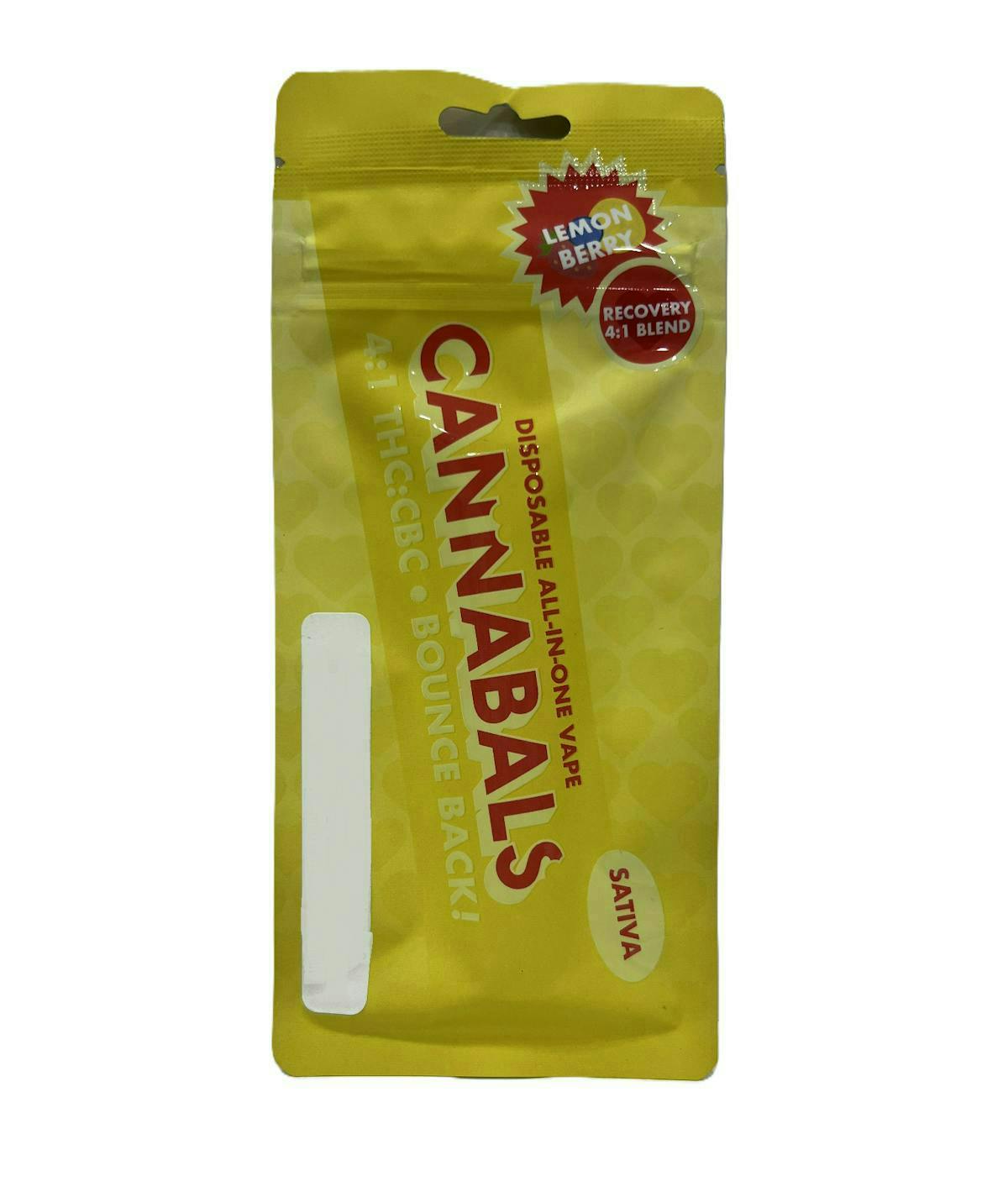
Sativa
All strains Lemon Berry
1 live products in stock
Quick answer · What is the Lemon Berry cannabis strain?
Lemon Berry is a sativa-leaning cultivar that carries its lineage openly on its sleeve — a citrus-forward brightness layered beneath a soft, ripe-berry sweetness that lingers on the palate long after the session ends. Energizing without being abrasive, it suits the mid-afternoon explorer as readily as the early-evening conversationalist, offering a mood that feels lit from within rather than pushed from outside.
Shop Lemon Berry · 1 of 1 live products
About Lemon Berry
Everything to know about Lemon Berry.
Lineage & origin
Lemon Berry is most commonly attributed to a cross of Lemon OG and Blueberry, though documentation across breeder pages and seed banks is inconsistent, and some phenotypes circulating under this name appear to trace a slightly different path involving Lemon Skunk as a parent. The Lemon OG side of the family carries DNA from the venerable OG Kush lineage — itself a pillar of American cannabis genetics since the early 1990s — lending structure, resin production, and a grounding aromatic depth. Blueberry, the celebrated indica-leaning strain developed by DJ Short through the 1970s and first distributed commercially in the 1980s, contributes the unmistakable anthocyanin-driven berry sweetness and a gentle body warmth that softens the more electric sativa qualities. The specific breeder of the Lemon Berry variety most widely encountered in dispensaries today has not been publicly and definitively identified across major public cannabis sources, and the name is used somewhat loosely across multiple seed companies. What is consistent across verified phenotypes is the sativa-dominant expression: an upright, stretchy plant with terpene fingerprints that lean heavily citrus and fruit. Genetic siblings from comparable OG-meets-berry crosses — such as Berry White and Blue OG — share some of its dual-character charm but tend toward heavier indica weight, making Lemon Berry distinct in its lighter, more airborne character.
Effects
Onset with Lemon Berry tends to arrive within five to ten minutes of inhalation, beginning as a gentle pressure behind the eyes and a quiet brightening of peripheral awareness — the kind of shift that feels less like something switching on and more like a dimmer being turned up. The cerebral phase is the most pronounced: thoughts quicken without becoming scattered, conversation feels more fluid and generative, and creative tasks often seem more approachable. This is primarily consistent with its sativa-dominant terpene and cannabinoid profile, where limonene and terpinolene together appear to contribute to the uplifted, energized quality documented across multiple user-reported databases. As the experience matures — typically between the thirty and sixty-minute marks — a gentle body warmth, likely attributable to the myrcene content inherited from its Blueberry parentage, settles into the limbs without inducing significant sedation. The dual-layered effect makes the mid-session a pleasant equilibrium between mental engagement and physical ease. Duration for most experienced consumers runs between ninety minutes and two and a half hours, with a gradual, unhurried comedown rather than an abrupt drop. Novice consumers should follow a start-low, go-slow approach, as the initial cerebral clarity can tip into overstimulation at higher intake levels. Dry mouth is the most commonly reported minor side effect.
Aroma, flavor & terpenes
The terpene architecture of Lemon Berry is led by limonene, the citrus-family monoterpene responsible for the sharp, clean lemon-peel quality that defines the cultivar's first impression on the nose. Limonene is well-documented to contribute an uplifting sensory quality and is among the most recognizable terpenes across sativa-leaning cultivars. Beneath it, terpinolene introduces a secondary aromatic layer — floral and slightly herbal, with faint hints of fresh pine — that keeps the citrus note from reading as one-dimensional. Myrcene, inherited from the Blueberry lineage, works quietly in the background, adding a musky, ripe-fruit softness that rounds the overall profile toward berry rather than zest. This is what distinguishes Lemon Berry from a purely citrus expression: there is a fullness to the aroma, a jammy quality that emerges as the flower warms. Caryophyllene appears in smaller concentrations but contributes a faint spice and subtle earthiness that grounds the sweetness and gives the nose its compositional depth. On the palate, whether consumed via dry herb vaporizer or traditional combustion, Lemon Berry opens with a bright, almost effervescent citrus note on the inhale. The exhale shifts to the softer, berry-tinged sweetness, with a light floral finish that dissipates cleanly. The smoke is notably smooth for a sativa of this character, and vapor at moderate temperatures (around 185–195°C) preserves the full terpene range with exceptional fidelity.
Appearance
Lemon Berry presents as a moderately dense flower with the elongated, tapered bud structure typical of sativa-dominant cultivars. Calyxes are pointed and well-separated, stacking in loose, airy formations that allow trichome coverage to remain visible even to the naked eye. The base coloration is a medium-to-bright green, often with faint yellow-gold undertones in the outer leaves — a visual echo of its citrus parentage. When grown in cooler finishing temperatures, some phenotypes express subtle violet or lavender tones in the sugar leaves, a trait carried over from the Blueberry ancestry. Pistils are abundant and lean toward amber-orange at harvest, weaving through the bud structure in a way that adds warmth to the overall color palette. Trichome density is respectable without being extravagant — a fine, even frost rather than the thick resin crust associated with heavier indica-dominant varieties. Under magnification, the trichome heads are predominantly cloudy with occasional amber heads at peak ripeness, indicating a balanced cannabinoid maturity curve. Well-cultivated, properly cured examples carry a slight stickiness that speaks to resin quality without being gummy.
Growing notes
Lemon Berry is considered a moderately approachable cultivar for home growers with some prior experience, though its sativa-dominant structure requires attentive canopy management. Indoor cultivation is the more predictable route: flowering typically completes between eight and nine weeks, and the plants benefit from low-stress training or light topping early in the vegetative stage to manage their tendency to stretch. Yields indoors are moderate, generally consistent with mid-tier sativa hybrids, and the quality of the aromatic expression rewards careful attention to humidity control in the final weeks, as the terpene-rich flowers can be susceptible to mold if airflow is inadequate. Outdoor cultivation is viable in temperate climates — the plant appreciates a long, warm growing season and produces more generous yields when given room to express its natural structure. Harvest typically falls in early to mid-October in Northern Hemisphere gardens. The cultivar is not considered particularly forgiving under stressful conditions such as drought or heavy nitrogen loading; dialing in a balanced nutrient program tends to preserve the terpene fidelity that makes this variety worth cultivating in the first place. Difficulty is rated moderate — rewarding for the attentive grower, potentially inconsistent for a first-time cultivator.
When it's best enjoyed
Lemon Berry finds its clearest expression during the unhurried hours of a mid-morning or early afternoon, when there is space to let a lifted, curious mindset wander without the pressure of obligations. It suits the solo creative session particularly well — the kind of afternoon given over to writing, sketching, or the deliberate exploration of a new playlist — where its cerebral brightness acts as a gentle lens of focus rather than a disorganizing force. For those who find inspiration arrives more readily with mild sensory stimulation, this cultivar provides a thoughtful companion. Socially, Lemon Berry performs with equal grace at a small, intimate gathering where conversation is the primary activity. The mood it encourages is engaged and genuinely curious without tipping into restlessness, making it a reasonable choice for an unhurried early-evening gathering before dinner. On the pairing side, its citrus-forward terpene profile harmonizes naturally with foods that carry acidity and brightness — a charcuterie spread with citrus-cured elements, or a well-salted ceviche. For music, clean, melodic recordings with mid-tempo dynamics tend to map well against its sensory character: think carefully produced jazz or the more architectural corners of ambient electronic music.
If you like Lemon Berry, also explore
Lemon Haze
Fans of Lemon Berry's citrus-forward brightness and sativa-leaning uplift will find a familiar aromatic and experiential signature in Lemon Haze, which shares the limonene-dominant terpene profile with slightly more herbal complexity.
Blueberry Headband
For those drawn to the berry sweetness contributed by Lemon Berry's Blueberry parentage, Blueberry Headband offers a similarly fruit-forward aroma with a comparably smooth, sociable effect character.
Blue Dream
Blue Dream shares the Blueberry lineage and delivers a comparably approachable, mood-lifting sativa hybrid experience with a sweet berry and light citrus terpene signature that will feel like familiar territory.
Lemon Skunk
Lemon Skunk's zesty, sharp citrus profile and energizing sativa-leaning effects make it a natural companion for consumers who appreciate the bright, clean opening notes of Lemon Berry.
Strawberry Cough
Strawberry Cough offers a similarly fruit-driven aromatic experience with a light, uplifting sativa effect arc that mirrors Lemon Berry's capacity for social ease and creative engagement.
Common questions
Is Lemon Berry indica or sativa?+
Lemon Berry is classified as a sativa-dominant hybrid. Its parentage — most commonly cited as Lemon OG and Blueberry — leans toward the sativa expression in terms of both plant structure and effect character, delivering an uplifted, mentally engaged quality. The Blueberry genetics introduce a mild body warmth, but the overall experience is primarily cerebral and energizing rather than sedating.
What does Lemon Berry taste like?+
Lemon Berry opens on the palate with a clean, bright citrus note — tart lemon peel driven by the dominant limonene terpene — that transitions on the exhale into a softer, ripe-berry sweetness, the fingerprint of its Blueberry lineage. A faint floral and lightly herbal finish, contributed by terpinolene, lingers briefly. The overall flavor profile is refreshing, smooth, and well-balanced between zest and fruit.
What are the typical effects of Lemon Berry?+
The typical experience begins with a noticeable cerebral lift that enhances focus, mood, and conversational flow without inducing agitation. A moderate body warmth follows as the session matures, softening the more electric sativa qualities into a balanced, grounded calm. The experience is generally described as energizing and sociable. Duration runs roughly ninety minutes to two and a half hours, with a gradual, smooth comedown.
What strains are similar to Lemon Berry?+
Consumers who enjoy Lemon Berry often appreciate Lemon Haze for its shared limonene-driven citrus profile, Blue Dream for its Blueberry lineage and approachable hybrid balance, and Lemon Skunk for a similarly bright, zesty sativa character. Blueberry Headband and Strawberry Cough are additional options for those drawn specifically to the ripe-fruit sweetness that distinguishes Lemon Berry from purely citrus-forward cultivars.
Is Lemon Berry good for beginners?+
Lemon Berry can be suitable for newer adult-use consumers, though some care is warranted given its sativa-dominant profile. At lower intake levels, the experience is pleasant and manageable — uplifted and clear-headed. At higher amounts, the cerebral intensity can become overstimulating for those unaccustomed to sativa-leaning cultivars. A start-low, go-slow approach is advisable, and a comfortable, familiar environment is recommended for those exploring it for the first time.
What are the dominant terpenes in Lemon Berry?+
The dominant terpenes in Lemon Berry are limonene, terpinolene, and myrcene. Limonene delivers the sharp, clean lemon-citrus character and contributes to the uplifted mood. Terpinolene adds a secondary floral and lightly herbal aromatic layer. Myrcene, inherited from the Blueberry lineage, provides the ripe, musky berry softness that rounds the profile. Caryophyllene appears in smaller concentrations, contributing subtle spice and grounding earthiness.
When is the best time of day to enjoy Lemon Berry?+
Lemon Berry is best suited to daytime and early-evening consumption. Its sativa-dominant, energizing character makes it a natural fit for mid-morning or afternoon sessions — creative work, outdoor activity, or unhurried social engagement. It is generally not considered an ideal cultivar for winding down before sleep, as the limonene and terpinolene-driven uplift tends to sustain mental alertness for a meaningful portion of the experience's duration.
Who bred Lemon Berry, and what is its lineage?+
The specific original breeder of Lemon Berry has not been definitively and publicly confirmed across major cannabis sources, and the name is used by multiple seed companies with some variation in documented parentage. The most commonly cited lineage is Lemon OG crossed with Blueberry, the latter being DJ Short's celebrated fruity indica developed through the 1970s and 1980s. Some phenotypes suggest Lemon Skunk may substitute or supplement the Lemon OG parent, and lineage should be considered partially debated.
Related strains