On sale· 20% OFF
THC 26.44%Hybrid
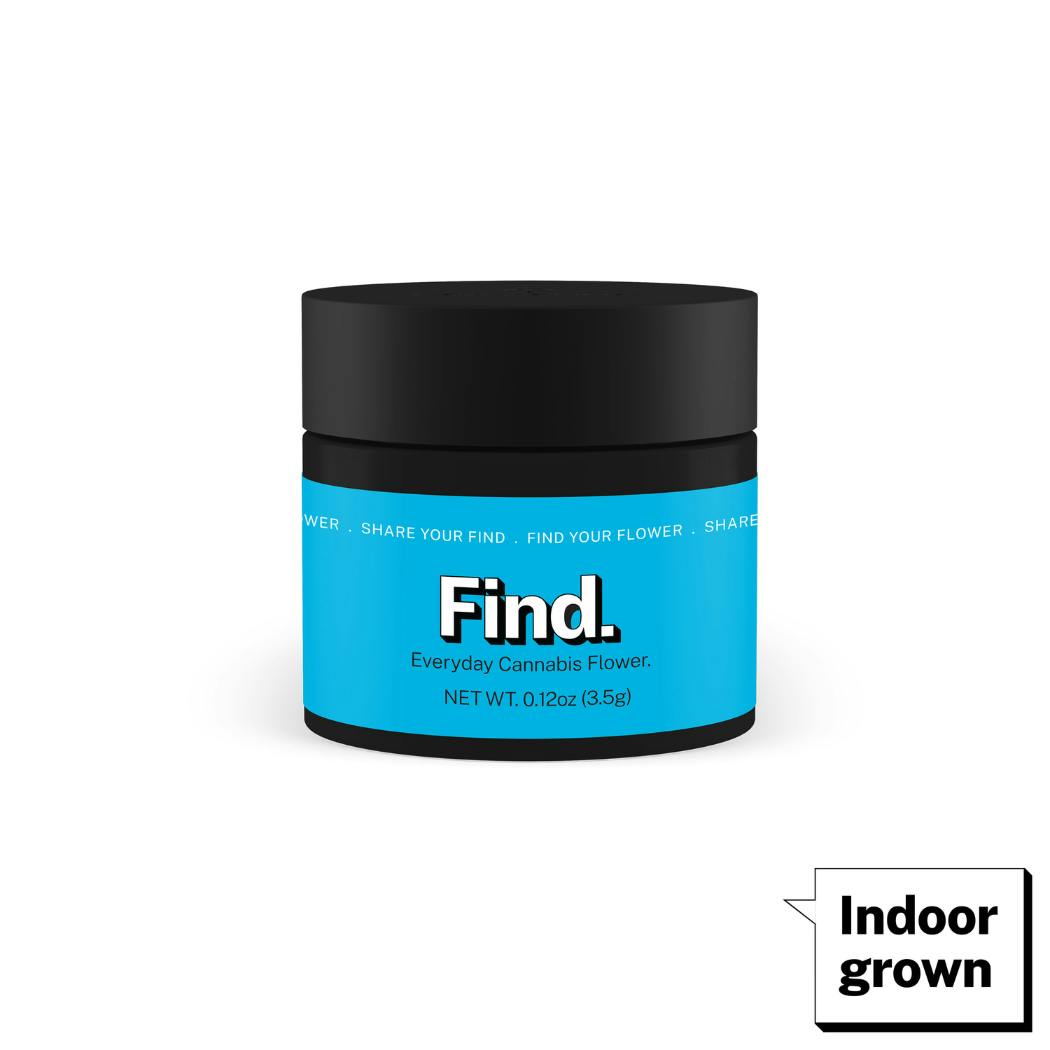
Find.Find Prepack Whole Flower - Hybrid : Gas Lit · 3.5g
$28.32$35.40
$33after tax

weeddispensarynearme.com
You must be 21 years or older to enter. By entering, you confirm you’re of legal age in your state to purchase cannabis.
For use only by adults 21+ • Keep out of reach of children
2 live products in stock
Quick answer · What is the Gas Lit cannabis strain?
Gas Lit arrives with the quiet authority of a strain that knows exactly what it is: a fuel-forward hybrid that balances cerebral clarity with a grounding physical ease. Its pungent, diesel-laced aroma gives way to a nuanced experience that rewards patience and attention. For the discerning New York consumer seeking something that commands the room without overwhelming it, Gas Lit occupies a distinct and memorable place on the shelf.
$33after tax
$163after tax
About Gas Lit
Gas Lit is a hybrid whose precise genetic lineage has not been fully disclosed by its breeder, which is not unusual for newer boutique cultivars entering the New York adult-use market. The name itself is a strong signal: 'Gas' in contemporary cannabis vernacular refers to strains with heavy fuel, diesel, and chemical-skunk aromatic profiles, a tradition traceable directly to the East Coast's long love affair with OG Kush and Sour Diesel genetics. Based on its reported terpene expression and effect character, Gas Lit is widely understood to draw from a lineage rooted in either OG Kush or one of its many derivatives — strains that trace back to the legendary Hindu Kush landrace genetics combined with Chemdawg, the shadowy East Coast cultivar whose own parentage remains one of cannabis's most debated mysteries. Chemdawg, first circulated in the early 1990s at concerts and through mail-order seed networks, gave rise to both Sour Diesel and OG Kush, effectively fathering the entire 'gas' family of flavor profiles. If Gas Lit carries those bloodlines — even distantly — it inherits a genetic tradition spanning more than three decades of cultivation refinement. Some phenotype variations of Gas Lit are noted for a slightly more indica-leaning structure, suggesting a possible Kush-dominant phenotype selected for its trichome density and sedative undertones, though the breeder has not publicly named the specific parents or confirmed the cross.
Gas Lit tends to announce itself with some efficiency. Most consumers report a noticeable onset within five to ten minutes of inhalation, beginning as a gentle but clear pressure behind the eyes and a warming lift in mood. The early phase leans distinctly cerebral — thoughts become more associative, conversation flows with greater ease, and there is a quality of heightened present-moment awareness that many find appealing for social settings or solitary reflection. As the experience progresses into its peak — typically around twenty to forty minutes in — a physical warmth begins to layer beneath the mental activity. This is where Gas Lit's hybrid character becomes most evident: it does not choose between head and body but instead runs both in a measured, parallel current. The body component is relaxing rather than sedating, allowing the consumer to remain engaged and mobile while feeling genuinely at ease. Myrcene, if present in quantity, is likely responsible for this grounding physical dimension, while limonene may contribute to the mood elevation noted early in the arc. The comedown is generally gradual and comfortable, easing rather than dropping the consumer out of the experience. Duration for most consumers falls in the two-to-three-hour range, though individual variation is significant. As always, starting with a modest amount and allowing adequate time before re-dosing is the sensible approach.
The aroma of Gas Lit is its most immediate and defining characteristic. At the forefront sits a dense, fuel-like pungency — the olfactory signature of caryophyllene and myrcene working in concert to produce that diesel and damp-earth combination so prized by East Coast cannabis culture. Caryophyllene, a sesquiterpene also found in black pepper and cloves, contributes the spicy, almost chemical edge that sharpens the overall profile and gives Gas Lit its name-worthy presence in the room. Myrcene, the most commonly occurring terpene in cannabis, deepens the earthy musk beneath the fuel note and adds a subtle herbal sweetness. On closer inspection, secondary notes emerge that add complexity to what might initially seem like a one-dimensional gas profile. A faint citrus brightness — likely attributable to limonene — cuts through the diesel at the edges, offering a moment of lightness before the earthiness reasserts itself. Some phenotypes carry a whisper of pine from alpha-pinene, which lends a clean, resinous quality to the mid-notes that prevents the profile from becoming too heavy or one-directional. On the palate, Gas Lit delivers what its nose promises. Inhaled through a clean glass piece or quality vaporizer, the smoke or vapor carries a thick, fuel-forward body with a spiced, peppery finish on the exhale. The retrohale often reveals the citrus and pine nuances more clearly, and the aftertaste lingers with a pleasant earthy warmth. The overall smoke character is full-bodied and dense, rewarding those who take the time to appreciate it slowly.
Gas Lit presents with the kind of structural density one associates with Kush-influenced genetics. The buds are typically compact and well-formed, with a tight calyx structure that speaks to a thorough cure and attentive cultivation. The color palette skews toward deep, saturated greens — sometimes tipping into olive or forest tones — occasionally interrupted by flashes of purple in phenotypes that experienced cooler temperatures during late flowering. Trichome coverage is a notable feature of this cultivar. A dense blanket of milky-to-amber resin glands coats the surface of the flower, giving it a frosty, almost silvery appearance under direct light. This resin density is consistent with the heavy terpene load the strain is known for. Pistils — the fine hair-like structures threading through the bud — tend toward a burnt orange or amber hue, providing a warm contrast against the cool greens of the underlying calyx. Overall, the visual impression is one of maturity and richness.
Gas Lit, like many gas-profile hybrids with probable OG or Chemdawg ancestry, is considered an intermediate-level cultivar — accessible enough for an experienced home grower but not especially forgiving of environmental inconsistency. It is reported to perform well in both indoor and outdoor settings, though its dense bud structure requires careful attention to airflow and humidity management indoors, where moisture can accumulate in the tight calyxes and create conditions favorable to mold or powdery mildew. Indoors, Gas Lit is generally understood to have a flowering window of approximately eight to nine weeks, consistent with OG-lineage strains. Yields indoors tend toward the moderate range, rewarding growers who invest in training techniques such as low-stress training or a screen of green setup to maximize light penetration. Outdoors, the plant prefers a warm, Mediterranean-style climate and typically finishes in early to mid-October in the Northern Hemisphere. The resin production is heavy, which makes late-stage monitoring for pest pressure particularly worthwhile for the cultivator-curious consumer seeking to understand what goes into their flower.
Gas Lit is a strain that earns its place in the early-evening hours — that transitional window after the structured demands of the day have receded but before the evening has fully committed to rest. It is well-suited to the kind of unhurried sociability that New York's quieter moments afford: a small gathering on a rooftop at dusk, a long dinner with close friends where conversation carries more weight than the menu, or a solo evening with a project that benefits from both focus and ease. Its terpene profile — diesel-forward, earthy, with citrus and spice threading through — makes it a natural companion to bold, umami-rich foods. Consider pairing it with a well-aged hard cheese, a mushroom-forward dish, or a smoky charcuterie spread, where the caryophyllene's spice note mirrors the food's own complexity. Musically, Gas Lit finds its register in something with texture and forward momentum — late-period John Coltrane, J Dilla's instrumentals, or the more contemplative corners of Nick Cave's catalog. The strain rewards those who bring something to the experience, rather than those simply seeking to turn the world off.
Sour Diesel
Fans of Sour Diesel's signature fuel-and-citrus aromatic profile will find Gas Lit occupies closely related olfactory and experiential territory, with a slightly more grounded body effect alongside the cerebral energy.
OG Kush
OG Kush shares the dense, resinous structure, earthy-diesel terpene expression, and balanced hybrid character that define Gas Lit's core identity.
Chemdawg
Chemdawg's legendary chemical-diesel pungency and mood-elevating onset closely mirror what Gas Lit delivers, making it a natural reference point for consumers who appreciate that East Coast fuel tradition.
Motorbreath
Motorbreath, a cross of Chemdog and SFV OG Kush, doubles down on the heavy gas and earth profile that Gas Lit consumers tend to seek, with a similarly weighted physical component.
GG4 (Gorilla Glue #4)
GG4's thick resin production, caryophyllene-dominant spice, and hybrid balance between mental engagement and body ease make it a reliable alternative for the Gas Lit enthusiast.
Gas Lit is classified as a hybrid, and its experience reflects that balance accurately. The onset carries a clear, cerebral character associated with sativa-leaning effects, while the peak and comedown introduce a grounding physical ease more typical of indica genetics. Neither dimension overwhelms the other, which is part of what makes Gas Lit a versatile choice for consumers who want both presence of mind and physical comfort.
Gas Lit delivers a full-bodied, fuel-forward flavor on the inhale, driven by caryophyllene and myrcene — the terpene pairing responsible for that diesel-and-earth combination so central to East Coast cannabis culture. On the exhale, a spiced, peppery finish lingers alongside faint citrus and pine notes. The aftertaste is earthy and warm, and the overall smoke character is dense and satisfying for those who appreciate a robust, complex profile.
Gas Lit typically begins with a clear cerebral lift — an elevation in mood and a loosening of mental tension — that settles within the first ten to fifteen minutes. This is followed by a gradual body warmth that runs parallel to the mental engagement rather than replacing it. The overall arc is one of relaxed alertness: grounded but not sedated, present but not wired. Duration generally falls in the two-to-three-hour range for most consumers.
Consumers who enjoy Gas Lit tend to gravitate toward other gas-profile hybrids in the OG and Chemdawg family. Sour Diesel, OG Kush, Chemdawg, Motorbreath, and GG4 all share overlapping terpene profiles and effect characters with Gas Lit. Each offers a slightly different emphasis — Sour Diesel skews more cerebral, OG Kush more sedating, Motorbreath more heavy-bodied — but all speak to the same diesel-and-earth aesthetic.
Gas Lit can be approachable for newer consumers who are drawn to its hybrid balance, but its fuel-forward potency and dense terpene load mean it is best approached with intention. Starting with a single, modest inhalation and allowing a full fifteen to twenty minutes to assess the experience before continuing is the sensible approach for anyone new to cannabis or unfamiliar with this particular cultivar. New York's adult-use market is for consumers 21 and older.
Based on its reported aromatic and effect profile, Gas Lit's dominant terpenes are understood to be caryophyllene — responsible for the spicy, chemical-diesel edge — and myrcene, which contributes the earthy musk and grounding physical dimension. Secondary terpenes likely include limonene, adding a faint citrus brightness, and alpha-pinene, which introduces a clean resinous note. This terpene combination is characteristic of the broader OG and Chemdawg genetic family.
Gas Lit's hybrid character makes it most at home in the late afternoon or early evening — after the structured demands of the day have passed but before full wind-down mode. Its combination of cerebral lift and physical ease suits that transitional window well, whether the plan involves social engagement, a creative project, or a long, unhurried meal. Morning or midday use is certainly possible for experienced consumers, though the body component may feel more pronounced without the natural ease of evening context.
The precise breeder origin of Gas Lit has not been publicly confirmed, which is not uncommon among newer boutique cultivars circulating in the New York adult-use market. Its name and terpene expression suggest strong roots in the East Coast gas tradition — most likely drawing from OG Kush or Chemdawg lineage — but without an official breeder disclosure, the specific parent cross remains unverified. Consumers seeking confirmed genetic documentation should ask their budtender for available cultivation or certificate-of-analysis records.
Related strains
Pick your store
We'll show pricing, deals, and delivery zones for the store you pick. You can switch any time from the header.