
Brooklyn · Concentrates
Best Concentrates in Williamsburg, Brooklyn
Williamsburg has long set the tempo for Brooklyn's creative class, and along Bedford Avenue the same discerning attention given to single-origin coffee and small-batch spirits now extends to cannabis concentrates. For adults 21 and older navigating the licensed New York market, this guide distills everything worth knowing about concentrates in the 11211 and 11249 ZIP codes.
About Concentrates
Cannabis concentrates represent the most refined expression of the plant's active compounds, produced by extracting cannabinoids and terpenes from flower through processes that range from solventless cold-pressing to hydrocarbon and CO₂ extraction. The resulting products — live resin, rosin, badder, wax, shatter, diamonds, and distillate cartridges, among others — deliver a concentrated experience that seasoned consumers often prefer for its intensity, efficiency, and, at the premium end, its remarkable flavor fidelity. In New York's licensed adult-use market, concentrates must meet the Office of Cannabis Management's strict testing and labeling requirements. Every batch sold through a licensed retailer carries a certificate of analysis detailing cannabinoid percentages, residual solvent levels, and microbiological safety results. That regulatory framework matters: it separates the transparent, accountable supply chain of licensed dispensaries from gray-market alternatives that carry no such guarantees. Within the concentrate category, format determines occasion as much as potency does. Solventless options — particularly ice-water hash and rosin pressed from fresh-frozen or cured material — are increasingly favored by consumers who prioritize a clean, additive-free product. Solvent-based extracts such as live resin and sauce tend to preserve a broader terpene profile, yielding pronounced aroma and nuanced effect. Distillate cartridges occupy the opposite end of the spectrum: highly refined, near-odorless, and engineered for discreet, portable consumption. Potency in concentrates typically ranges from roughly 60 percent total THC on the modest end to well above 80 percent in crystalline or diamond formats. The OCM's labeling requirements ensure those figures are independently verified — a critical assurance for any consumer approaching a product category where a small volume carries significant effect. As always, adult-use guidance in New York emphasizes a start-low, go-slow approach, particularly for consumers moving up from flower.
Concentrates for Williamsburg shoppers
Williamsburg's north waterfront corridor — running from the reimagined Domino Park esplanade through the converted loft buildings along North 6th Street and down to the boutique retail stretch of Bedford Avenue — is inhabited by a demographic that tends to research purchases with genuine thoroughness. Architects, musicians, food industry professionals, and tech workers share the neighborhood's coffee shops and co-working spaces, and they apply the same sourcing consciousness to cannabis that they bring to natural wine or artisan cheese. Concentrates, with their emphasis on terroir-forward terpene profiles and traceable extraction methods, appeal naturally to that sensibility. Seasonality also shapes concentrate consumption patterns here. Williamsburg winters along the East River are genuinely sharp — wind off the water can cut through even a well-layered coat on the walk home from the Bedford Avenue L train station. In those months, a concentrate vaporizer in a coat pocket offers a degree of convenience that a traditional smoke session does not. Conversely, summer evenings at Domino Park, with the Manhattan skyline reflected on the river, invite the kind of leisurely, flavor-forward session that a high-quality live rosin is designed for. The neighborhood's density of creative professionals also means that many residents work unconventional hours or maintain studio practices that stretch late into the evening. Concentrates' efficiency — the ability to achieve a precise, repeatable effect from a small, easily stored quantity — fits that rhythm. A discreet 0.5-gram cartridge slips into a bag alongside a laptop; a small jar of badder sits neatly on a studio shelf next to other tools of the trade.
What to look for
When evaluating concentrates at a licensed New York dispensary, the first variable worth examining is extraction method, because it determines both purity and terpene preservation. Solventless products — rosin and ice-water hash — use only heat, pressure, and cold water, leaving no residual solvents to test for. For a Williamsburg consumer accustomed to reading ingredient labels carefully, solventless often feels like the most intuitive choice. Solvent-based products (live resin, badder, sauce) are not inherently inferior, but they should come with a certificate of analysis showing residual solvents below OCM thresholds. Terpene profile is the second axis. Look for named terpenes on the label — myrcene, caryophyllene, limonene, terpinolene, and pinene are common in New York-market concentrates, and each contributes a distinct aromatic and experiential character. A product listing only total THC percentage with no terpene information is telling you less than it should. Flavor-forward consumers often find that a lower-THC live rosin with a rich, complex terpene profile is more satisfying than a high-THC distillate that has been stripped of most of its aromatic compounds. Format trade-offs matter too, particularly for the Williamsburg commuter who splits time between the neighborhood and Manhattan via the L train. Cartridges and disposable vaporizers are the most portable format, but distillate-based carts sacrifice terpene complexity for convenience. Live resin cartridges offer a middle path: solvent-extracted but processed at low temperatures to preserve more of the plant's original profile. For home sessions, a concentrate designed for use with a dab rig or an electronic dab device gives the greatest control over temperature — and temperature is, ultimately, the variable that determines how much of that terpene investment you actually taste. Start with lower temperatures to preserve flavor, and increase gradually from there.
Why ZenZest for concentrates in Williamsburg
ZenZest Cannabis Dispensary's Staten Island location at 2343 Forest Ave, Staten Island, NY 10303 — approximately 11.8 miles from the heart of Williamsburg — is part of a licensed New York operation known for maintaining a thoughtfully curated concentrate selection within the OCM-compliant framework. The staff there approach concentrate consultation with genuine product knowledge, which matters in a category where format and extraction method significantly affect the experience a shopper walks away with. For residents of the 11211 and 11249 ZIP codes who prefer not to make the trip across the harbor, ZenZest offers free same-day delivery on orders over $100 to more than 80 eligible New York ZIP codes. That threshold is straightforward to reach in the concentrate category, where premium rosin and live resin often represent a meaningful per-gram investment. Placing an order in the morning means a licensed, tested product arrives at a Williamsburg address the same day — no gray-market uncertainty, no trip required.
ZenZest Staten Island · 2343 Forest Ave, Staten Island, NY 10303 · 11.8 miles from Williamsburg.
Live concentrates for Williamsburg
Full concentrates menu →
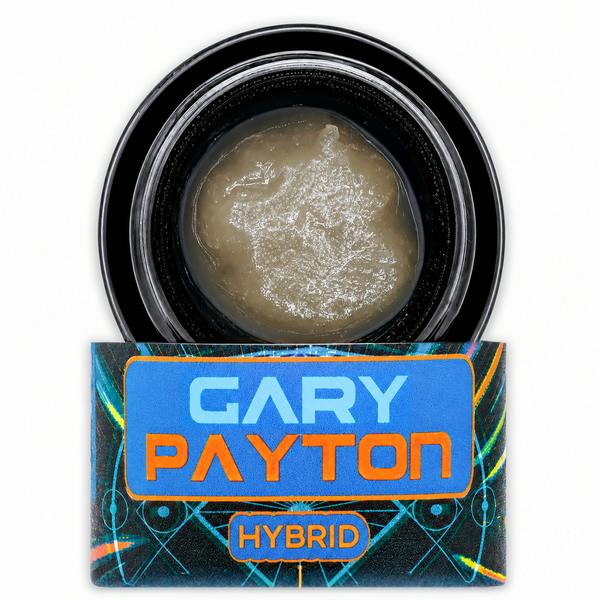
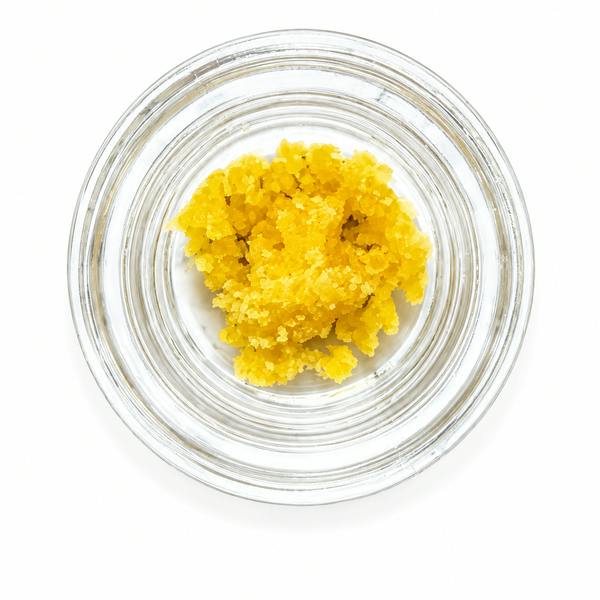
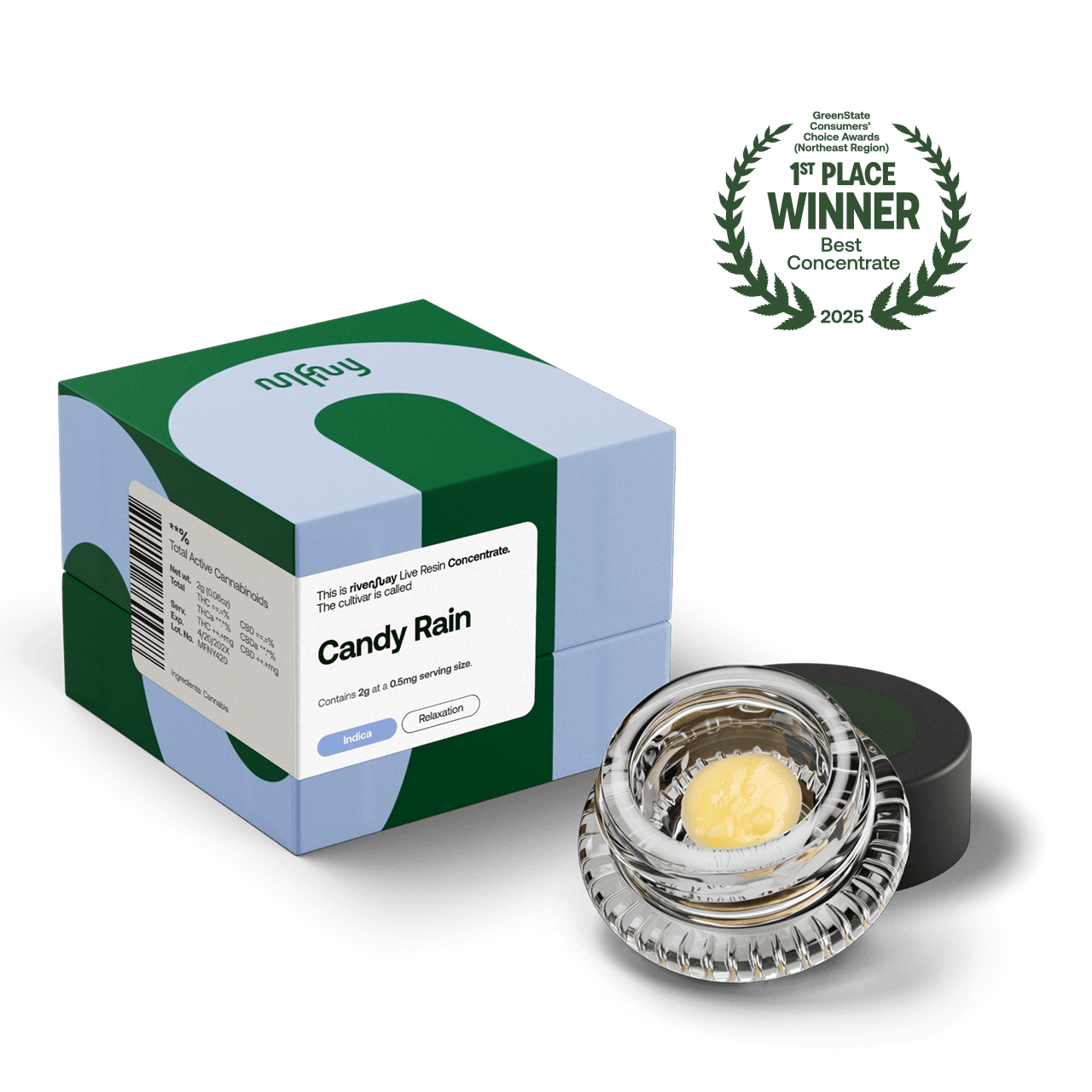
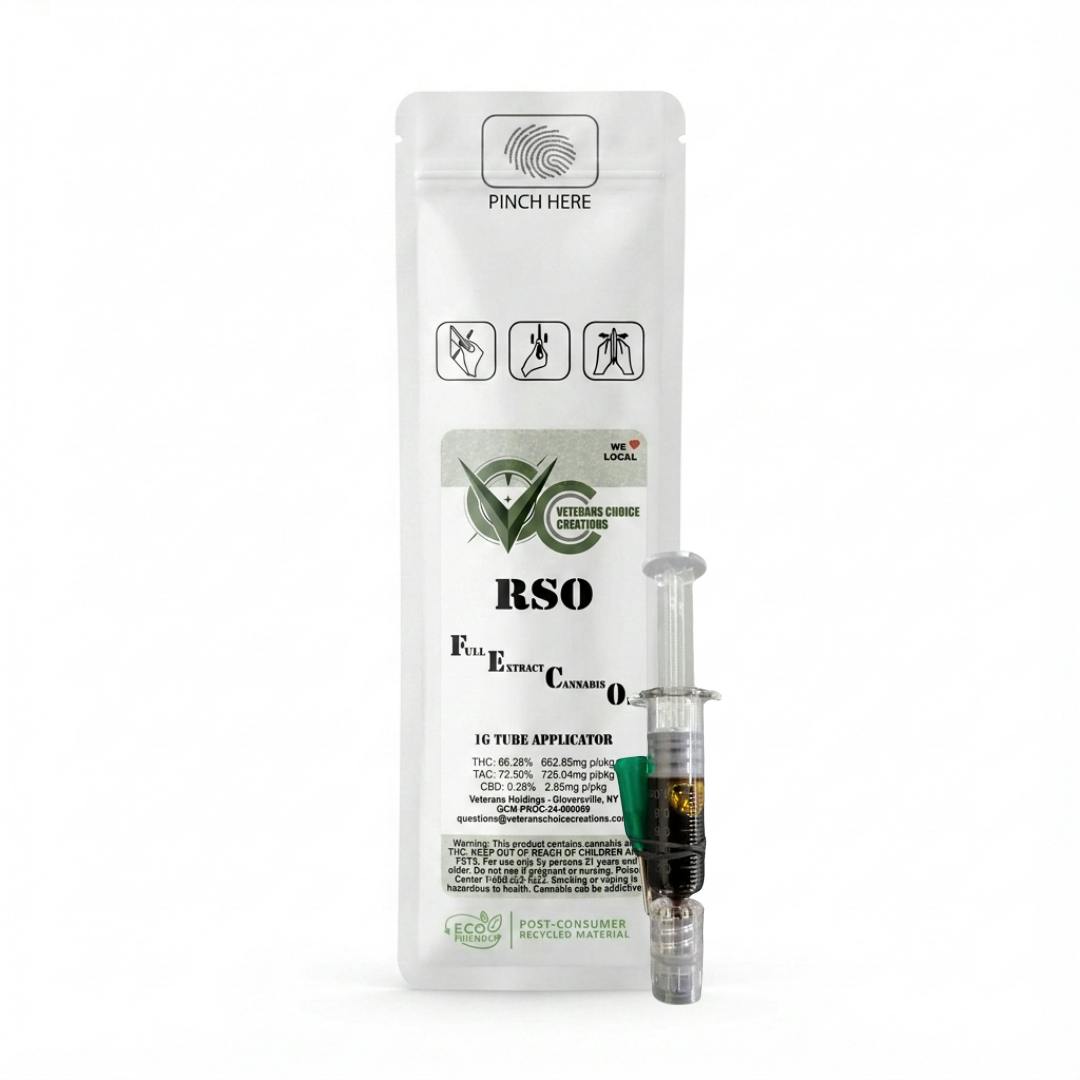
THC 66.28%·CBD 0.13%Hybrid
Veteran's Choice CreationsVETERANS CHOICE CREATIONS | 1G | RSO - FECO (FULL EXTRACT CANNABIS OIL) · 1g
$39.82
$45after tax
Concentrates in Williamsburg — answers
What types of concentrates are typically available at licensed New York dispensaries serving the Williamsburg area?+
Licensed New York dispensaries carry a range of concentrate formats including live resin, rosin, badder, wax, shatter, hash, distillate cartridges, and live resin cartridges. Availability shifts as the state's licensed supply chain matures, but adult-use dispensaries in and around Brooklyn's 11211 and 11249 ZIP codes increasingly stock solventless options alongside cartridge formats suited to the neighborhood's on-the-go lifestyle.
How are concentrates different from flower, and is the experience significantly stronger?+
Cannabis flower typically tests between 18 and 30 percent THC. Concentrates compress those compounds, commonly reaching 60 to 85 percent THC or higher in crystalline formats. The experiential difference is meaningful: effects tend to arrive more quickly and with greater intensity. New York's adult-use guidance encourages all consumers — particularly those newer to concentrates — to start with a very small amount, wait to assess the effect fully, and increase gradually over subsequent sessions.
What equipment do I need to use concentrates at home in my Williamsburg apartment?+
The simplest entry point is a cartridge-compatible battery, which requires no additional setup and works with pre-filled oil cartridges. For loose concentrates such as rosin or live resin, an electronic dab device (often called an e-rig or electronic nectar collector) provides precise temperature control without open flame, which is practical in a Brooklyn apartment setting. Traditional glass dab rigs require a torch and demand more familiarity with temperature management.
What should I look for on a concentrate's certificate of analysis when buying in New York?+
A COA from a licensed New York producer should confirm total THC and CBD percentages, a full terpene breakdown with individual compound percentages, and residual solvent levels for any solvent-extracted products. Microbial and pesticide panels should also pass OCM limits. Any licensed dispensary should be able to provide or direct you to the COA for any product on its shelves — if that information is unavailable, that is a meaningful signal.
Are concentrates a good option for someone who normally smokes flower but wants something more efficient for use around Williamsburg's busy schedule?+
Many consumers who transition from flower to concentrates cite efficiency and discretion as primary motivations — both relevant in a dense, fast-moving neighborhood like Williamsburg. A cartridge vaporizer, for instance, produces minimal odor, fits in a jacket pocket, and allows for very controlled use. The key adjustment is recalibrating quantity expectations: a much smaller amount of concentrate achieves what a full bowl of flower might, so patience during the initial period of adjustment is worthwhile.
What terpenes should a Williamsburg consumer interested in creative or social occasions look for in a concentrate?+
No medical or effect guarantees are appropriate here, but terpene profiles are worth considering for the overall character they contribute. Terpinolene and limonene tend to appear in cultivars often described as energetic and bright-smelling. Myrcene-dominant profiles skew earthier and are commonly associated with more relaxed experiences. Caryophyllene adds a peppery, complex note. A budtender at a licensed dispensary can walk through specific products and their terpene data to help narrow your selection.
Does ZenZest deliver concentrates to Williamsburg ZIP codes 11211 and 11249?+
ZenZest Cannabis Dispensary offers free same-day delivery on orders over $100 across more than 80 eligible New York ZIP codes. Williamsburg residents in the 11211 and 11249 ZIP codes should confirm eligibility at checkout or by contacting the dispensary directly. The concentrate category — with per-gram pricing that often reflects premium extraction methods — makes reaching the free-delivery threshold relatively straightforward for most orders.
How should concentrates be stored in a Brooklyn apartment to preserve quality?+
Concentrates are sensitive to heat, light, and air exposure. The best practice is to keep them in their original sealed, opaque containers in a cool, dark location — a drawer or cabinet away from kitchen heat is preferable. Refrigeration can work for rosin and hash if the container is well-sealed and allowed to return fully to room temperature before opening, which prevents condensation from degrading the product. Cartridges store best upright at room temperature.
Is solventless rosin worth the higher price point compared to distillate cartridges for a Williamsburg consumer?+
That depends on what you value. Distillate cartridges are refined, consistent, portable, and typically less expensive per unit. Solventless rosin preserves a fuller terpene profile and uses no chemical solvents in production — qualities that resonate strongly with consumers who already prioritize transparency and craft in their food and beverage choices. For a Williamsburg resident accustomed to paying a premium for provenance and process, rosin's price point often makes intuitive sense as a category investment.
What is live resin, and why does it appear frequently in discussions about premium concentrates?+
Live resin is a solvent-based concentrate made from cannabis that was frozen immediately after harvest rather than dried and cured. That fresh-freeze process preserves a significantly broader terpene spectrum than post-cure extraction allows, resulting in a product whose aroma and flavor profile more closely reflects the living plant. In New York's evolving licensed market, live resin — particularly live resin cartridges and jarred sauce formats — has become a benchmark for terpene-forward concentrate quality.