
Queens · Concentrates
Best Concentrates in Whitestone, Queens
Whitestone, Queens — the quiet, waterfront-adjacent neighborhood framed by the Throgs Neck Bridge and the unhurried stretch of Francis Lewis Boulevard — has become a quietly discerning market for cannabis concentrates. Residents of 11357 who prioritize potency, purity, and format flexibility are finding that New York's licensed concentrate category rewards the same attention to craft that defines this corner of northeastern Queens.
About Concentrates
Cannabis concentrates represent the most refined segment of New York's adult-use market, and for good reason. By isolating and amplifying the plant's active compounds — cannabinoids, terpenes, and minor phytochemicals — licensed producers deliver products that offer a fundamentally different experience from flower or edibles. The category encompasses a wide spectrum of formats: live resin and live rosin, which preserve volatile terpene profiles by working from fresh-frozen or cold-pressed plant material; cured resin extracts such as wax, shatter, and budder; distillate; and the increasingly popular rosin that is solventless by definition. New York's Office of Cannabis Management requires that all adult-use concentrates sold through licensed dispensaries carry full panel testing, meaning consumers can review verified cannabinoid percentages, residual solvent levels, and pesticide screening before purchasing. This regulatory backbone makes New York one of the more transparent concentrate markets in the country, a meaningful distinction for shoppers who approach their purchases with the same care they might apply to selecting a single-origin olive oil or a small-batch spirit. Potency in the concentrate category typically ranges from 60 percent total THC on the lower end — common in some full-spectrum live rosins where terpenes occupy a larger percentage of the total mass — to upwards of 90 percent in refined distillates and isolates. That spread matters for newer consumers especially, and the standard guidance of starting low and going slow is particularly relevant here. Even experienced flower consumers may find that concentrates interact with their tolerance differently. Formats also determine how concentrates are consumed. Vaporizer cartridges and all-in-one disposable pens built on distillate or live resin oil are the most accessible entry point, requiring only a charged battery. Dabbing — the practice of applying a small amount of wax, shatter, or rosin to a heated nail or electronic rig — delivers maximum expression of flavor and effect but requires dedicated equipment and a learning curve. Consumers in New York's licensed market now have access to both ends of this spectrum through regulated retail and delivery channels.
Concentrates for Whitestone shoppers
Whitestone occupies a particular kind of quiet in Queens — the ZIP code 11357 sits at the northeastern tip of the borough, bounded by the East River to the south and the Long Island Sound to the north, with the Throgs Neck Bridge marking its eastern horizon. The neighborhood's residential density is lower than much of Queens, its streets lined with detached homes and modest front yards rather than apartment towers. Francis Lewis Boulevard serves as the main commercial artery threading through the community, connecting residents south toward Flushing and north toward College Point. That geography shapes how people here consume cannabis. The waterfront setting and the relatively open, suburban-leaning character of Whitestone create natural use occasions for concentrates that differ from, say, a Midtown apartment or a Bushwick loft. A short walk to the water's edge along the shoreline parks near the bridge, an evening on a private deck looking out toward the sound, or a slow weekend morning before the commute to the Whitestone Bridge crosses into the Bronx — these are the rhythms into which a well-chosen cartridge or a small dab of live rosin fits comfortably. The commute context matters too. Residents heading out via the Bronx-Queens Expressway or the Cross Island Parkway tend to value discretion and portability, which is precisely where a slim vaporizer cartridge loaded with a licensed New York live resin oil earns its place. The lack of combustion, the minimal footprint, and the measured draw each time make cartridges particularly suited to the in-between moments Whitestone residents navigate daily. For those who stay closer to home, the fuller ritual of a solventless rosin dab aligns well with the unhurried pace that defines this corner of Queens County.
What to look for
Selecting a concentrate in the licensed New York market begins with understanding format. Vaporizer cartridges — whether 510-thread or proprietary pod formats — offer convenience and consistency, but the oil inside varies significantly. Distillate-based cartridges are the most common and typically carry the highest THC percentages, often between 80 and 92 percent, but they are frequently reintroduced with terpenes after processing, which can result in a flavor profile that reads as clean but less complex. Live resin cartridges, by contrast, use oil extracted from fresh-frozen flower, preserving a broader terpene fingerprint that many consumers find more nuanced and more closely aligned with the source cultivar. For consumers interested in solventless options — a preference that has grown substantially in New York's premium market — live rosin is the category to explore. Produced through ice-water extraction and heat-press techniques rather than hydrocarbon solvents, rosin carries full-spectrum terpene content and is generally positioned at a higher price point that reflects the labor-intensive process. Terpenes to look for when choosing any concentrate include myrcene for a grounding, earthy quality; limonene for brightness and lift; caryophyllene for a peppery, structured character; and terpinolene or pinene if a cleaner, more focused effect is the goal. For Whitestone shoppers specifically, the seasons shape format preferences in practical ways. During colder months — and northeastern Queens winters can feel raw under the influence of air coming off the Long Island Sound — a pocket-sized cartridge that functions reliably in low temperatures without the complexity of a dab rig is a sensible default. In warmer months, when the bridge views and the waterfront parks invite a more leisurely pace, exploring a small jar of live rosin with a proper rig can be a genuinely rewarding exercise in the craft of the category. As always, starting low and going slow remains the most useful guidance regardless of format, particularly for those newer to concentrates.
Why ZenZest for concentrates in Whitestone
ZenZest Cannabis Dispensary's Queens location at 272-06 Union Tpke in Bellerose sits approximately 6.1 miles from Whitestone's 11357 ZIP code — a straightforward drive south along Francis Lewis Boulevard that most residents can make in under 20 minutes outside of peak traffic. The store carries a curated selection of licensed New York concentrates across the full format range, from live resin and live rosin to distillate cartridges and cured wax, with staff able to walk through terpene profiles and format trade-offs for consumers at any experience level. For Whitestone residents who prefer not to make the trip, ZenZest offers free same-day delivery on orders over $100 to more than 80 New York ZIP codes, with 11357 among the eligible addresses. Orders placed through the dispensary's delivery channel arrive in discreet, compliant packaging. Whether the preference is for a premium solventless rosin or a reliable daily-driver cartridge, ZenZest's licensed inventory and delivery reach make it a practical resource for the Whitestone concentrate market.
ZenZest Queens · 272-06 Union Tpke, Bellerose, NY 11004 · 6.1 miles from Whitestone.
Live concentrates for Whitestone
Full concentrates menu →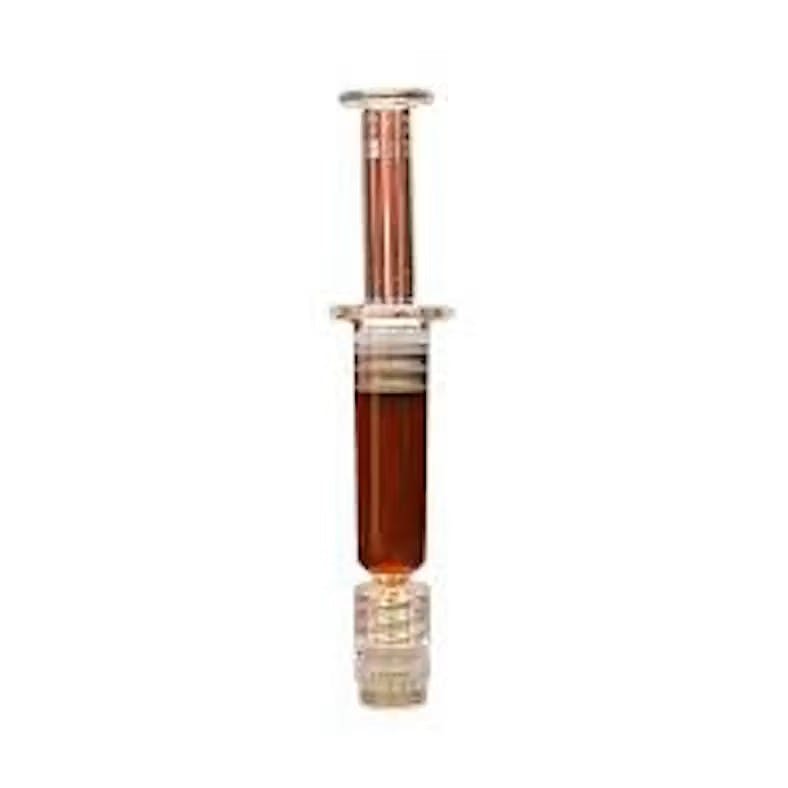
THC 66.28%·CBD 0.13%Hybrid
Veteran's Choice CreationsFECO | Full Extract Cannabis Oil · 1g
$39.82
$45after tax
On sale· 20% OFF
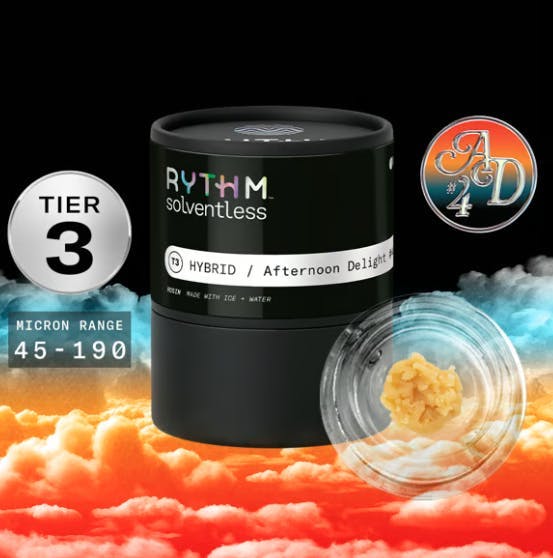
THC 38.36%Hybrid
RYTHMRythm | Afternoon Delight #4 Live Resin Concentrate · 2g
$70.80$88.50
$82after tax
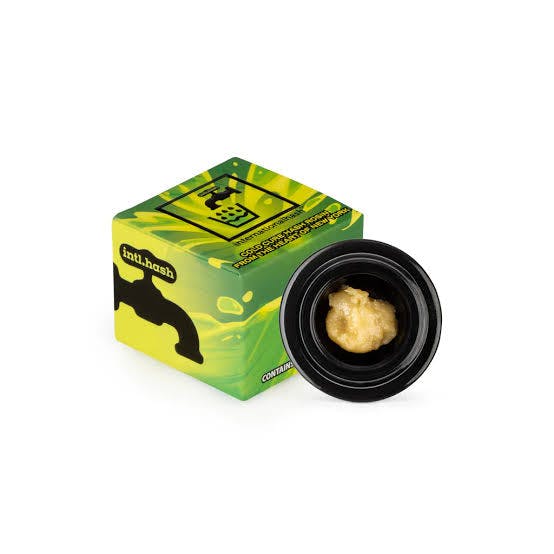
THC 75.73%Hybrid
INTERNATIONAL HASHInternational Hash | Cold Cure Hash Rosin | Grapefruit Hybrid · 1g
$66.37
$75after tax
Concentrates in Whitestone — answers
What is the difference between live resin and live rosin concentrates available through licensed New York dispensaries?+
Live resin is produced using hydrocarbon solvents — most commonly butane or propane — applied to fresh-frozen cannabis plant material, capturing a wide terpene profile before the plant has dried or cured. Live rosin, by contrast, is solventless: fresh-frozen or fresh flower is processed through ice-water agitation, filtered into bubble hash, then gently pressed with heat to yield an oil. Both preserve volatile terpenes more effectively than cured-resin methods, but rosin's solventless process is generally associated with a cleaner flavor and commands a higher price point in New York's licensed market.
Are cannabis concentrate cartridges reliable in cold weather, which can be a factor for Whitestone residents near the waterfront?+
Cold temperatures can thicken the oil in vaporizer cartridges, slowing flow and occasionally producing weaker vapor on the first draw. Most 510-thread and pod cartridges sold through licensed New York dispensaries perform adequately at typical outdoor temperatures, but a brief warm-up period — keeping the cartridge in an interior pocket rather than a bag left in the cold — helps. Live resin oils, which tend to have a slightly lower viscosity than thick distillates, may flow more readily in winter conditions. If cold-weather use near the Throgs Neck Bridge waterfront is a primary scenario, discussing oil viscosity with dispensary staff is worthwhile.
What THC percentage range should a first-time concentrate consumer in Whitestone expect from licensed products?+
Licensed New York concentrates span roughly 60 to 92 percent total THC depending on format and production method. Live rosins often sit in the 65 to 80 percent range, where terpenes occupy a meaningful portion of the product's total mass. Distillate cartridges commonly read between 80 and 92 percent. For anyone new to concentrates — even experienced flower consumers — starting with smaller amounts than one might initially anticipate is the standard guidance, as the onset and intensity of concentrates differ meaningfully from flower. A single controlled draw on a cartridge is a sensible starting point.
What does 'full-spectrum' mean on a concentrate label at a licensed New York dispensary?+
Full-spectrum refers to an extract that retains a broad range of the source plant's natural compounds beyond just THC and CBD — including minor cannabinoids such as CBG, CBN, and CBC, as well as the complete terpene and flavonoid profile present in the original cultivar. The term is distinguished from broad-spectrum (which typically removes THC) and isolate (a single purified compound). In the concentrate category, full-spectrum live resin and live rosin are considered premium formats because they deliver the most complete chemical portrait of the plant, which many consumers associate with a more layered experience.
Can cannabis concentrates be legally delivered to a Whitestone address in ZIP code 11357?+
Yes. New York State's adult-use regulations permit licensed dispensaries to offer delivery to qualifying residential addresses for consumers 21 and older. Whitestone's 11357 ZIP code is eligible for delivery through ZenZest's same-day program on qualifying orders. Delivery requires valid government-issued ID confirming age upon receipt, and orders must meet the dispensary's minimum threshold — in ZenZest's case, orders over $100 qualify for free same-day delivery. Cannabis may only be delivered to a private residence, not to a public location.
How should concentrates such as wax or rosin be stored to maintain quality in a Whitestone home?+
Proper storage slows terpene degradation and maintains consistency in texture and potency. For wax, budder, and rosin, an airtight, opaque, food-grade silicone or glass container kept in a cool, dark location is ideal — away from direct sunlight and heat sources. Refrigeration is an option for longer-term storage of solventless rosins, though condensation upon removal can introduce moisture; allowing the container to return to room temperature before opening helps. Vaporizer cartridges store best upright, away from heat and light, and should not be left in a warm car — a consideration in Whitestone's full-sun summer months.
What terpenes are most common in the concentrate products found at licensed Queens dispensaries, and what do they indicate?+
The terpene profiles displayed on licensed New York concentrate packaging provide meaningful guidance. Myrcene, one of the most prevalent terpenes in cannabis, carries an earthy, slightly herbal quality often associated with a more relaxing character. Limonene offers a citrus brightness frequently linked to a lifted, upbeat quality. Caryophyllene, with its peppery note, is the only terpene known to interact with the endocannabinoid system's CB2 receptors. Pinene reads as clean and piney, and terpinolene tends toward a floral, slightly resinous character. Reading terpene percentages on the label is among the most reliable ways to anticipate flavor and select a product aligned with a particular intention.
Is dabbing equipment required to use all cannabis concentrates, or are there more accessible formats for Whitestone residents new to the category?+
Dabbing equipment is not required for every concentrate format. Vaporizer cartridges — which attach to a standard 510-thread battery or a proprietary device — are the most accessible entry point and require only a charged power source. Disposable all-in-one vaporizer pens, which include the oil and battery in a single sealed unit, require no equipment at all beyond removing the packaging. Wax, shatter, budder, and rosin do call for a dab rig or a purpose-built electronic device for optimal results. For someone new to concentrates in Whitestone, cartridges or disposable pens from licensed New York producers represent the lowest barrier to entry.
How does the concentrate category at licensed dispensaries differ from what was available in the unlicensed market?+
The fundamental difference is verified safety and accountability. Licensed New York concentrates undergo mandatory third-party laboratory testing for potency, residual solvents, pesticides, heavy metals, and microbial contaminants, with results available on product packaging or through COA documentation. Unlicensed market products carry none of these guarantees, and the 2019 nationwide outbreak of vaping-related lung injuries — linked largely to vitamin E acetate used as a cutting agent in unlicensed cartridges — underscored the specific risks in the concentrate category. Licensed dispensary products sold in New York must meet OCM standards, providing a verifiable baseline that the unlicensed market cannot offer.
What is a reasonable budget range for premium concentrates at a licensed Queens dispensary, and what factors drive price differences?+
In New York's licensed adult-use concentrate market, prices generally range from approximately $30 to $45 for a standard 0.5-gram distillate or live resin cartridge, $50 to $65 for a full gram cartridge, and $60 to $90 or more for a gram of premium solventless live rosin in a jar. Price is driven primarily by production method — solventless extraction is more labor-intensive and lower-yield than hydrocarbon extraction — as well as cultivar sourcing and terpene content. For Whitestone consumers exploring the category, starting with a mid-range live resin cartridge is often a practical way to assess the format before committing to a higher investment in rosin or rig-ready formats.