
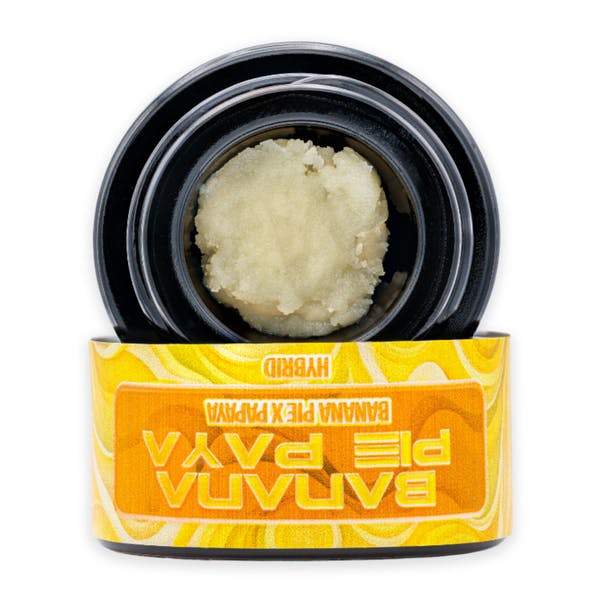
Nassau County · Rosin
Best Rosin in Valley Stream, Nassau County
Valley Stream sits at the southwestern edge of Nassau County, where Rockaway Avenue hums with commuters and Merrick Road anchors a village that moves with quiet, suburban confidence. For adults 21 and older who appreciate craft cannabis, solventless rosin has become the category of choice — a clean, terpene-forward concentrate that rewards patience and discernment in equal measure.
About Rosin
Rosin occupies a singular position in the New York licensed cannabis market. Unlike hydrocarbon extracts that rely on butane or propane to strip cannabinoids from plant material, rosin is produced through the direct application of heat and pressure — nothing more. The result is a concentrate that carries the full chemical signature of the source material: its cannabinoids, its terpenes, and the subtle interplay between them that experienced consumers call the entourage effect. New York's Office of Cannabis Management licenses a growing roster of cultivators and processors whose solventless offerings now reach dispensary shelves in meaningful variety. Shoppers in the adult-use market will encounter several distinct rosin subtypes. Fresh-press rosin is made from freshly frozen flower and carries vivid, almost volatile aromatic profiles. Cured rosin, derived from dried and aged flower, tends toward deeper, earthier complexity. Hash rosin — the prestige tier — begins with ice-water-extracted bubble hash before the press, concentrating resin heads into a product of exceptional clarity and potency. Each subtype suits a different palate and a different occasion. Potency in rosin typically runs higher than in flower, with total THC figures commonly ranging from the mid-fifties to the low eighties on a percentage basis, though solventless extracts often punch above their labeled numbers in terms of perceptible effect owing to preserved minor cannabinoids. New York–licensed products carry mandated third-party testing labels, so shoppers can verify cannabinoid percentages, terpene totals, and the absence of residual solvents — though with true rosin, that last data point is a formality. Format matters here as well. Rosin is sold in glass jars measured in grams, often in half-gram or full-gram increments. Texture varies from a glossy, sappy pull-and-snap consistency to a more stable, matte badder that is easier to handle with a dab tool. The texture difference is largely aesthetic, though badder tends to preserve terpenes slightly longer once opened. For adults new to concentrates, the general principle is to start with a smaller amount and allow sufficient time to assess the experience before proceeding further.
Rosin for Valley Stream shoppers
Valley Stream's ZIP codes — 11580 and 11581 — place residents squarely in a commuter corridor where the Long Island Rail Road's Valley Stream station on the Babylon and Far Rockaway branches makes Manhattan a short ride away. That daily transit rhythm shapes how many residents think about their leisure hours. Evenings and weekends carry a particular weight here: the end of a long commute through Penn Station or Atlantic Terminal is an occasion that calls for something deliberate, something worth savoring. Rosin, with its slow-burn ritual of precise temperature and intentional preparation, aligns naturally with that sensibility. The village itself is defined by stretches of Central Avenue and Rockaway Avenue lined with family-owned businesses, fast-casual restaurants, and the unhurried pace of a community that has roots several generations deep. Green Acres Mall draws regional traffic, but the residential blocks just off Merrick Road retain a quieter character. Nassau County's suburban density means that most adults 21 and older are consuming at home rather than on the go — living rooms, backyard patios in warmer months, finished basements in the colder seasons — and rosin suits that domestic setting well. It is a concentrate built for a controlled environment, where a clean rig or a high-quality electronic dab device can be set up properly and the full aromatic experience is not wasted. Seasonal considerations matter, too. Nassau County winters can push toward genuinely cold, and the shift from November through February encourages indoor rituals. A jar of warm, myrcene-forward hash rosin with a woody, almost incense-like character is a very different proposition on a January evening in Valley Stream than it is on a humid July afternoon — and that breadth of occasion is part of what makes the category so durable.
What to look for
Selecting a quality rosin begins with reading the label, not just the THC percentage. Total terpene content is the more telling figure for most experienced shoppers: a rosin with a terpene total above two percent typically carries a more expressive, complex character than one sitting below that threshold. Among the terpenes to look for, myrcene contributes a grounding, herbal quality that many find conducive to evening unwinding, while limonene adds citrus brightness and a more energetic edge. Caryophyllene, with its peppery warmth, is increasingly recognized for adding depth to the overall profile. For Valley Stream residents whose evenings often follow a long commute, a myrcene-dominant or caryophyllene-forward rosin may offer the kind of settled, unhurried quality that the moment calls for. THC range is worth contextualizing. Hash rosin at seventy-five percent THC is not inherently superior to a well-made fresh-press at fifty-eight percent — the terpene matrix, the source cultivar, and the care taken during the press all shape the final experience as much as raw potency. Adults new to concentrates should be particularly attentive to the start-low, go-slow principle, treating their first sessions as calibration exercises rather than benchmarks. Format trade-offs deserve consideration for Nassau County shoppers specifically. A sappy, pull-and-snap rosin is visually striking but can be challenging to portion in cooler indoor temperatures where it may stiffen. A badder or sauce-consistency rosin is generally easier to work with and portions cleanly with a standard dab tool. Storage is straightforward: keep the jar in a cool, dark location — a cabinet away from cooking heat works well — and reseal tightly after each use to preserve the terpene profile over time. Glass jars with silicone-lined lids, which many New York processors now use, help maintain freshness through multiple sessions.
Why ZenZest for rosin in Valley Stream
ZenZest Cannabis Dispensary's Queens location at 272-06 Union Tpke, Bellerose, NY 11004 sits approximately 5.1 miles from Valley Stream's center — a straightforward drive through the Floral Park corridor that takes most residents well under fifteen minutes outside peak hours. The store's curation of licensed New York concentrates includes a rotating selection of solventless rosin across multiple subtypes and cultivar profiles, making it a practical destination for shoppers who want to compare fresh-press against cured or hash rosin side by side and speak with staff who can articulate the differences with genuine specificity. For Valley Stream adults in ZIP codes 11580 and 11581 who prefer not to make the trip, ZenZest offers free same-day delivery on orders over one hundred dollars to more than eighty New York ZIP codes — a service that covers this area of Nassau County and brings licensed, lab-tested rosin directly to the door. Orders placed through ZenZest's platform arrive the same day within delivery windows, which suits the kind of weekday evening routine that defines life along the Merrick Road and Rockaway Avenue corridor.
ZenZest Queens · 272-06 Union Tpke, Bellerose, NY 11004 · 5.1 miles from Valley Stream.
Live rosin for Valley Stream
Full rosin menu →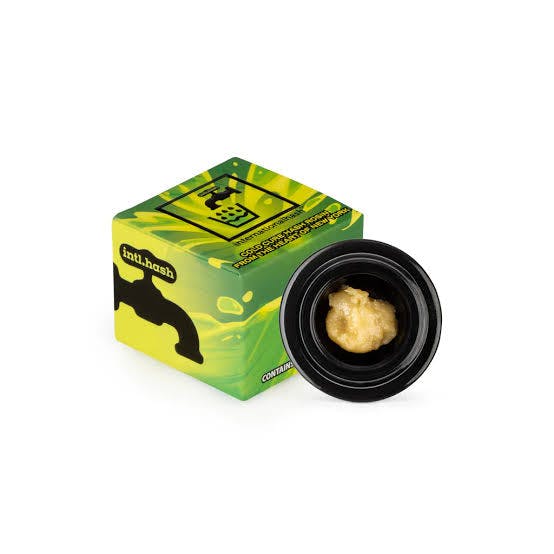
THC 75.73%Hybrid
INTERNATIONAL HASHInternational Hash | Cold Cure Hash Rosin | Grapefruit Hybrid · 1g
$66.37
$75after tax
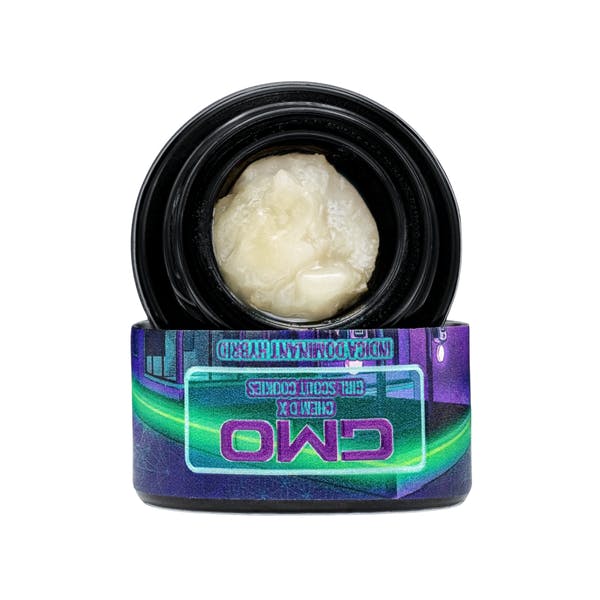
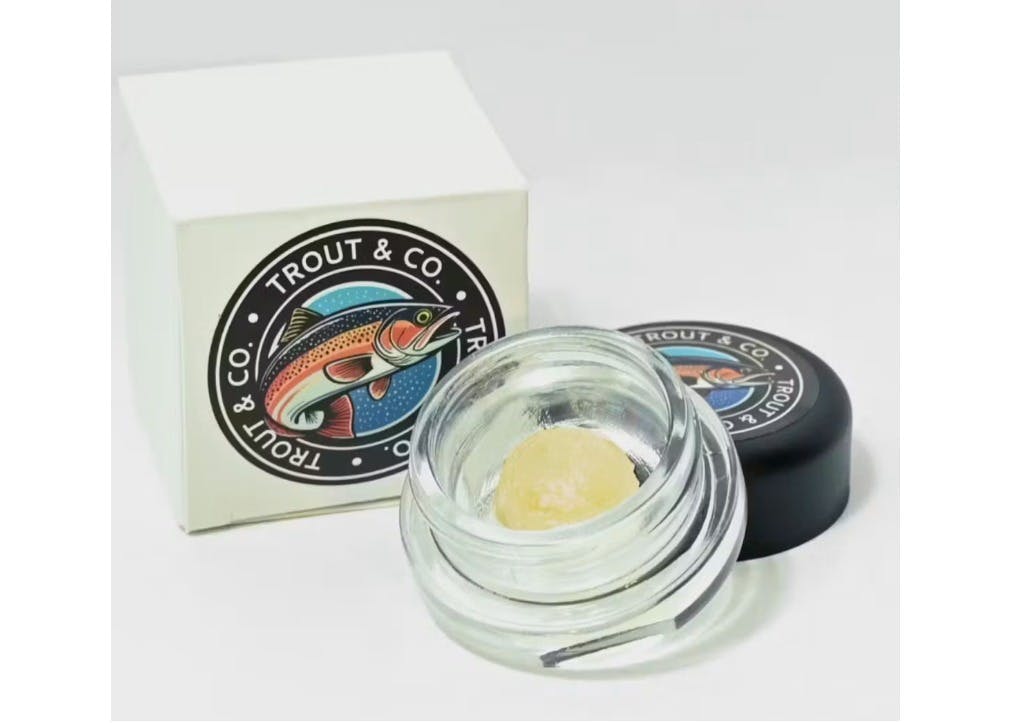
THC 77.52%Hybrid
Trout & Co.Trout & Co. | Super Funk | Live Rosin Private Reserve · 1g
$88.50
$100after tax
Rosin in Valley Stream — answers
What exactly makes rosin a solventless concentrate, and why does that matter for adult-use shoppers in Valley Stream?+
Rosin is produced using only heat and mechanical pressure — no butane, propane, ethanol, or CO2 is introduced at any point in production. For adult-use shoppers in Valley Stream and greater Nassau County who read product labels carefully and prefer to minimize what they are consuming alongside their cannabinoids, the solventless designation means the final product contains only what was present in the original plant material: cannabinoids, terpenes, lipids, and waxes. New York–licensed rosin still carries third-party testing documentation, so consumers can verify the absence of residual solvents as a matter of record, even though the process makes contamination functionally impossible.
How does hash rosin differ from flower rosin, and is the price difference justified?+
Flower rosin is pressed directly from dried and cured cannabis flower or trim. Hash rosin introduces an intermediate step: the starting material is first washed in ice water to separate resin heads into bubble hash, which is then dried and pressed. That additional step dramatically concentrates the resin glands before the press, resulting in a product with higher terpene retention and a cleaner, more refined character. The yield from hash rosin production is lower, which accounts for its higher retail price. Whether the premium is justified depends on the consumer — experienced solventless enthusiasts in Valley Stream and surrounding Nassau County communities generally consider hash rosin the standard-setting tier, while fresh-press flower rosin offers a more accessible entry point with its own expressive qualities.
What equipment do I need to consume rosin at home in Valley Stream?+
The two most common setups are a traditional glass dab rig paired with a quartz banger and a butane torch, or an electronic dab device — sometimes called an e-rig or electronic nail — that maintains a precise temperature electronically. The electronic route is generally recommended for beginners and for apartment dwellers along the Rockaway Avenue and Merrick Road corridors where an open flame may be inconvenient. A quality dab tool for portioning the rosin from its jar and a silicone or glass storage dish for working surfaces are modest but worthwhile additions. Temperature control matters significantly: lower temperatures, generally in the 450–550°F range on a quartz banger, preserve terpene character far better than higher-heat approaches.
Is rosin appropriate for someone who primarily uses cannabis flower but wants to try a concentrate?+
Rosin can be a thoughtful first concentrate for adults 21 and older who are familiar with flower but curious about concentrates, precisely because the product's character is recognizably connected to its source plant. A fresh-press or cured flower rosin from a cultivar the consumer already knows in flower form offers a reference point. The critical consideration is potency: rosin's cannabinoid concentration is meaningfully higher than flower, and even a small amount produces a more pronounced experience. The standard guidance — start with a modest amount, wait to assess the full effect, and proceed slowly — is especially relevant for first-time concentrate users stepping up from flower.
How should I store rosin purchased in Valley Stream to maintain its quality over time?+
Rosin is sensitive to heat, light, and air exposure, all of which accelerate terpene degradation and can alter the product's texture toward a darker, more oxidized consistency. Keep the jar sealed and stored in a cool, dark location — a kitchen cabinet away from the stove or a dedicated drawer works well in most Valley Stream homes. For storage beyond a week or two, some consumers place the sealed jar in the refrigerator, though returning it to room temperature before opening reduces condensation that could introduce moisture. Avoid freezing unless the product is intended for long-term storage, as repeated freeze-thaw cycles can compromise texture and terpene integrity.
What terpenes should I look for on a rosin label if I want something suited to a relaxing evening at home in Nassau County?+
For a settled, evening-oriented experience, myrcene is the terpene most commonly associated with a grounding, physical quality — it is abundant in many indica-leaning cultivars and carries an earthy, slightly musky character. Caryophyllene, with its warm, peppery note, is another terpene worth seeking and is notable for also interacting with the body's CB2 receptors, adding a dimension beyond pure aroma. Linalool, with its subtle floral quality, appears in smaller amounts in many rosin profiles and contributes to an overall sense of calm. These are general observations about terpene character, not medical claims, and individual responses vary — personal exploration across a few different profiles is the most reliable way to identify what works for any given adult consumer.
Can I order rosin for same-day delivery to 11580 or 11581?+
ZenZest Cannabis Dispensary offers free same-day delivery on orders over one hundred dollars to more than eighty New York ZIP codes, and Valley Stream's 11580 and 11581 ZIP codes fall within that delivery footprint. Orders are placed through ZenZest's platform and arrive the same day within the available delivery windows. This service is particularly convenient for Valley Stream residents who work in Manhattan and return home on the LIRR, since an order placed during the morning or early afternoon can be waiting for them by the time they arrive back along the Rockaway Avenue corridor.
Is there a difference in experience between consuming rosin at a lower temperature versus a higher temperature?+
Temperature has a direct impact on the character of a rosin session. At lower temperatures — roughly in the 450–530°F range for a quartz banger — terpenes vaporize more fully before combustion alters them, producing vapor that is more flavorful, aromatic, and representative of the product's terpene profile. At higher temperatures, the session may feel more intense in terms of cannabinoid delivery but the terpene expression becomes less distinct and the vapor harsher. Most solventless enthusiasts, including those in the Valley Stream and Nassau County community who invest in quality rosin, prefer lower-temperature approaches precisely because the terpene experience is central to why they chose the format in the first place.
How does the quality of New York–licensed rosin compare to what was available in the pre-licensing market?+
Licensed New York rosin arrives with documentation that was absent from the pre-licensing market: third-party lab certificates verifying cannabinoid percentages, terpene totals, and contaminant screenings for pesticides, heavy metals, and microbials. The cultivar sourcing for licensed processors is also increasingly transparent, with many producers naming the specific genetics used in each batch. For Valley Stream adults who previously relied on informal channels, the licensed market offers both the safety assurance of regulated testing and, increasingly, a product quality that competes with — and in many instances surpasses — what was available before adult-use licensing took hold in New York.
Are there rosin products designed for consumers who want a lower-THC or more balanced cannabinoid experience?+
The rosin category is primarily associated with high-THC cultivars, but New York's licensed market is expanding to include CBD-forward and mixed-ratio hemp-derived rosin products, as well as cultivars that are naturally lower in total THC while retaining expressive terpene profiles. For Valley Stream adults who are mindful of potency — whether because of personal preference, lower tolerance, or simply a desire for a more subtle experience — selecting a flower rosin from a cultivar listed at the lower end of the potency range, and applying the start-low, go-slow approach diligently, is a practical strategy. Staff at ZenZest Queens can help identify which products in their current inventory align with a more measured approach.