
Manhattan · Tinctures
Best Tinctures in Upper East Side, Manhattan
Along the refined corridors of Madison Avenue and the cultural sweep of Museum Mile, Upper East Side residents have discovered a category that matches their measured, considered approach to wellness: cannabis tinctures. Precise, discreet, and elegantly dosed, tinctures offer a thoughtful entry point — or a sophisticated daily ritual — for the 10021, 10028, 10065, and 10075 ZIP codes.
About Tinctures
Cannabis tinctures occupy a singular place in the adult-use landscape of New York State. Unlike flower or vaporizers, which announce themselves through scent and smoke, tinctures are a liquid extract — typically suspended in MCT oil, hemp seed oil, or alcohol — that is absorbed sublingually, beneath the tongue, or stirred quietly into a beverage. The effect arrives more gradually than inhalation, usually within fifteen minutes to an hour, and tends to last longer, making the format well-suited to those who prefer predictability over immediacy. New York's Office of Cannabis Management licenses a growing number of cultivators and processors who produce tinctures under rigorous testing protocols. Every legal product on the shelf must carry a certificate of analysis confirming cannabinoid percentages, residual solvent levels, and microbial safety. Shoppers in New York County can therefore approach licensed tinctures with real confidence — the regulatory framework that governs them is among the most exacting in the country. Tinctures in the licensed New York market typically express their cannabinoid content in milligrams per milliliter, alongside a total bottle volume. Ratios matter here: a balanced 1:1 THC-to-CBD product behaves quite differently from a high-THC isolate-forward formula. Broad-spectrum tinctures, which preserve a wider array of minor cannabinoids and terpenes from the original plant, are increasingly available from New York processors and are often discussed as providing a more nuanced character than distillate-only options. For first-time tincture users in New York, the standard guidance is to start low and go slow — a phrase that is more than a cliché when working with a format whose onset window can catch newcomers off-guard. New York adult-use products are legal for consumers 21 and older, and no medical claims accompany them. Tinctures simply offer a format that many experienced consumers find easier to incorporate into a structured day.
Tinctures for Upper East Side shoppers
The Upper East Side has always prized discretion. From the limestone-facade townhouses between Park and Fifth Avenues to the pre-war cooperatives lining Lexington Avenue, the neighborhood's residents tend to favor products that are quiet, effective, and free of ceremony. A tincture slipped into a tote bag before a morning walk through Carl Schurz Park fits that sensibility precisely — there is no hardware to maintain, no odor to manage, and no ritual that draws attention in a lobby or elevator. The Museum Mile corridor — stretching along Fifth Avenue from the Metropolitan Museum of Art northward through the Guggenheim and beyond — draws an intellectually engaged population that includes long-term residents, gallery professionals, and a significant number of people whose days involve sustained focus and equally sustained social obligation. Tinctures, particularly those formulated with calming terpene profiles, have found a natural audience among people whose evenings might move from a gallery opening to a quiet dinner without much transition time. A measured sublingual dose taken before leaving the apartment on East 86th Street or East 72nd Street allows for a degree of intentionality that other formats simply do not offer. Seasonal rhythms on the Upper East Side also shape how residents use cannabis. Winter commutes along the Lexington Avenue subway corridor — the 4, 5, and 6 trains that define so much of daily life in the 10028 and 10065 ZIPs — can be taxing. A tincture that supports a wind-down routine after a cold-weather commute, taken consistently, becomes part of the household rhythm in a way that more occasion-specific formats rarely do.
What to look for
Selecting a tincture requires attention to several variables that are more nuanced than those governing flower or pre-rolls. The first is the cannabinoid ratio. High-THC tinctures in the 20–30 mg/mL range are available from multiple New York licensed processors and are appropriate for experienced consumers comfortable with psychoactive effects. For those newer to cannabis or seeking a subtler experience, products in the 5–10 mg/mL THC range — often paired with CBD in a 1:1 or 2:1 ratio — offer a gentler introduction. Start low and go slow remains the operative principle regardless of prior experience with other formats. Terpenes, though present in smaller concentrations in tinctures than in flower, still contribute meaningfully to the character of full-spectrum and broad-spectrum products. Myrcene-forward profiles tend toward relaxing, body-oriented experiences; limonene and pinene often appear in products marketed toward daytime clarity; linalool, which is also found in lavender, is common in tinctures positioned for evening use. Ask any licensed retailer for the terpene analysis alongside the cannabinoid certificate — reputable operators will have both. For Upper East Side shoppers specifically, format trade-offs are worth considering. Sublingual application — holding the oil under the tongue for sixty to ninety seconds — produces faster absorption than simply swallowing the liquid. Alcohol-based tinctures absorb particularly quickly this way, though oil-based formulas are gentler on the palate and are often preferred for evening use. Dropper precision matters too: look for bottles marked in 0.25 or 0.5 mL increments rather than vague full-dropper instructions. The ability to be precise is, ultimately, what distinguishes a tincture from nearly every other cannabis format on the market.
Why ZenZest for tinctures in Upper East Side
ZenZest Cannabis Dispensary serves Upper East Side residents primarily through its Queens location at 272-06 Union Tpke in Bellerose — approximately 12.7 miles from the heart of the neighborhood. The store carries a curated selection of New York State licensed tinctures, and the staff are trained to walk shoppers through cannabinoid ratios and terpene profiles with the unhurried attention that the format deserves. For residents who prefer to shop on their own schedule, in-store visits can be paired with a conversation that guides selection without pressure. For those who prefer the tincture to arrive at their door, ZenZest offers free same-day delivery on orders over $100, covering more than 80 ZIP codes across New York — including the 10021, 10028, 10065, and 10075 ZIP codes of the Upper East Side. Ordering online and having a selection of tinctures delivered to a Park Avenue or Lexington Avenue address before the evening begins is entirely consistent with the neighborhood's premium service expectations. ZenZest's delivery model is built for that rhythm.
ZenZest Queens · 272-06 Union Tpke, Bellerose, NY 11004 · 12.7 miles from Upper East Side.
Live tinctures for Upper East Side
Full tinctures menu →
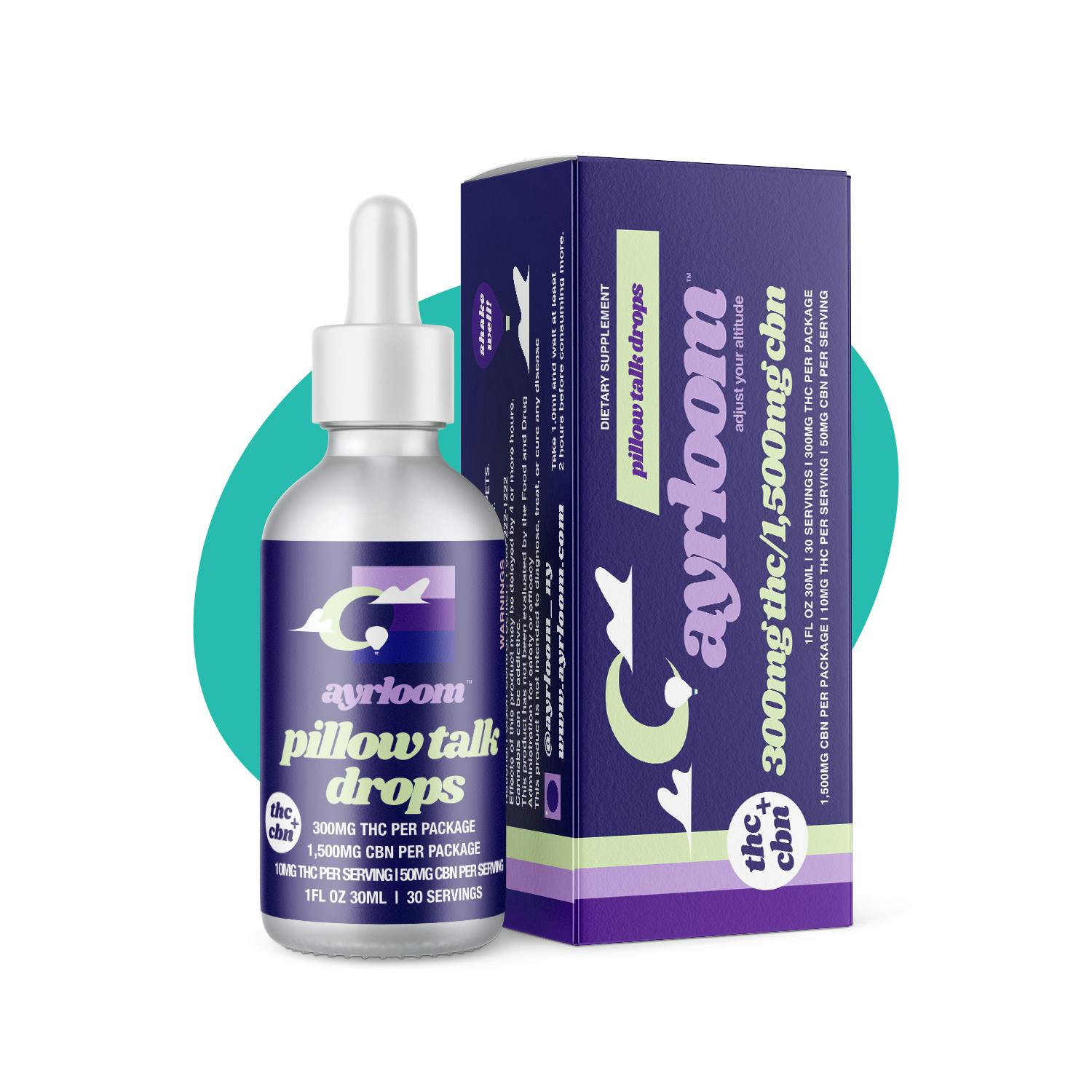
THC 0.93%Indica
ayrloomAyrloom | Pillow Talk Drops | 1:5 | 300MG THC : 1500MG CBN · .1g
$44.25
$50after tax
THC 0.53%·CBD 1.61%Hybrid
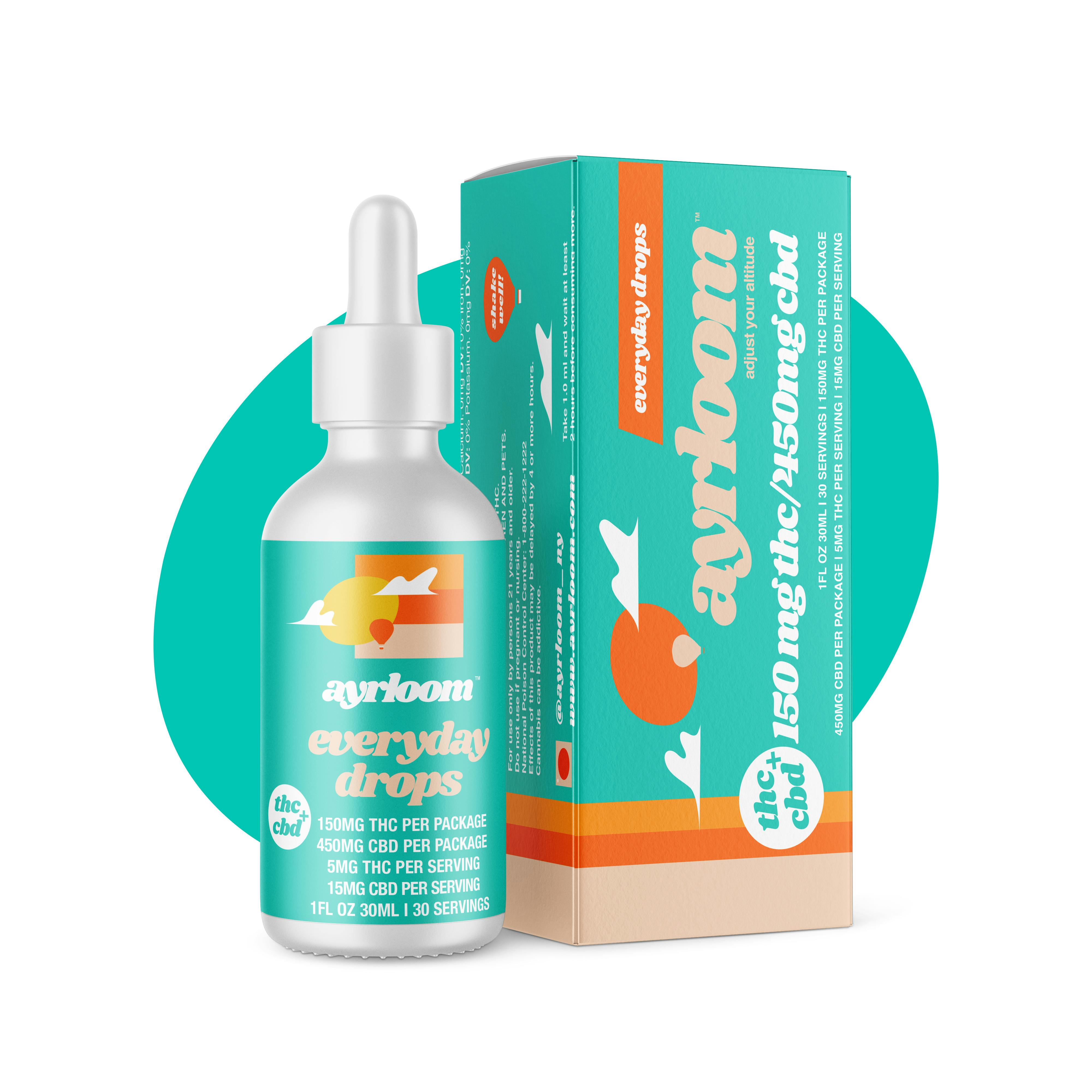
ayrloomayrloom | Low Dose Everyday Drops | 1:3 | 150MG THC : 450MG CBD · .1g
$30.00
$34after tax
Tinctures in Upper East Side — answers
What makes tinctures a good fit for Upper East Side residents compared to other cannabis formats?+
Tinctures are odorless, portable, and require no equipment — attributes that align naturally with the Upper East Side's preference for discretion. Whether kept in a kitchen cabinet in a 10065 cooperative or carried in a bag to the Met, a tincture integrates into daily life without drawing attention. The format also rewards consistency, which suits residents who tend to approach wellness with the same deliberate sensibility they bring to other parts of their lives.
How long does it take for a cannabis tincture to take effect when used sublingually?+
When held under the tongue for sixty to ninety seconds before swallowing, most tinctures begin producing noticeable effects within fifteen to forty-five minutes. This is faster than an edible but slower than inhalation. The onset window varies by individual metabolism, the specific cannabinoid ratio, and whether the consumer has eaten recently. First-time users are advised to wait the full ninety minutes before considering an additional dose.
Are all tinctures sold at licensed New York dispensaries third-party tested?+
Yes. New York State's adult-use regulations require that all licensed cannabis products — tinctures included — undergo third-party laboratory testing before they reach the retail shelf. This testing covers THC and CBD potency, residual solvents, pesticides, heavy metals, and microbial contaminants. Shoppers at any licensed dispensary, including ZenZest, can request the certificate of analysis for any product they are considering.
What is the difference between a full-spectrum, broad-spectrum, and isolate tincture?+
Full-spectrum tinctures contain a wide range of cannabinoids and terpenes as they appear in the original plant, including trace amounts of THC even in CBD-dominant products. Broad-spectrum products have been processed to remove THC while retaining other minor cannabinoids and terpenes. Isolate tinctures contain a single purified cannabinoid — typically THC or CBD — without supporting compounds. Many experienced consumers and researchers find that full and broad-spectrum products feel more complex and balanced than isolate-only formulations.
Can I add a tincture to food or drink, and does that change how it works?+
Tinctures can be stirred into warm tea or incorporated into a recipe, which some Upper East Side residents prefer for the seamless integration into an evening ritual. However, consuming a tincture this way converts it functionally into an edible, slowing absorption significantly — onset may extend to one to two hours, and the experience can feel more intense and prolonged than sublingual use. The difference is meaningful, and consumers should adjust their expectations and starting dose accordingly.
What THC-to-CBD ratios are most commonly available in New York licensed tinctures?+
New York licensed processors produce tinctures across a wide spectrum of ratios. Common configurations include 1:1 THC-to-CBD, which many consumers describe as balanced and approachable; high-CBD formulas such as 10:1 or 20:1 CBD-to-THC for those seeking minimal psychoactivity; and high-THC options for experienced consumers. The right ratio depends on the individual's goals, prior experience, and tolerance, and is best discussed with a knowledgeable dispensary associate.
How should I store a cannabis tincture purchased from a dispensary near the Upper East Side?+
Most tinctures are best stored in a cool, dark location away from direct sunlight — a kitchen cabinet or bathroom drawer works well in a Manhattan apartment. Heat and UV exposure can degrade cannabinoids and terpenes over time, reducing both potency and character. Alcohol-based tinctures have a relatively long shelf life when stored properly; oil-based formulas should be checked for the manufacturer's recommended use-by date and kept away from heat sources.
Is same-day delivery of tinctures available to addresses in the 10021 or 10028 ZIP codes?+
Yes. ZenZest Cannabis Dispensary offers free same-day delivery on orders over $100, including to the 10021, 10028, 10065, and 10075 ZIP codes that cover the Upper East Side. Delivery is available to residential and — where permitted — commercial addresses. Orders are fulfilled by licensed drivers and handled with the discretion and professionalism consistent with the neighborhood's expectations.
What terpenes should I look for in a tincture intended for evening use after a long commute?+
For a wind-down occasion — returning home after a demanding day on the Lexington Avenue corridor — terpenes associated with relaxing effects are worth seeking out. Myrcene, common in many indica-leaning cultivars, is widely associated with body ease. Linalool appears frequently in evening-oriented formulations. Beta-caryophyllene, which also occurs in black pepper, is noted by many consumers for its grounding quality. Full-spectrum tinctures labeled for evening use will often reflect these profiles in their published terpene analysis.
How do tinctures compare to edibles for someone who wants a predictable, measured experience?+
Tinctures offer more dosing precision than most edibles, largely because the dropper delivery mechanism allows for incremental adjustments in a way that pre-portioned gummies or chocolates do not. Sublingual absorption also produces a faster and somewhat more consistent onset than edibles processed through digestion, which are subject to greater variability based on metabolism and food intake. For residents of the Upper East Side who value predictability and control, tinctures are frequently the category that experienced cannabis consumers gravitate toward after exploring other formats.