Manhattan · Rosin
Best Rosin in Upper East Side, Manhattan
The Upper East Side has long cultivated a taste for the refined — from the gallery-lined stretch of Museum Mile along Fifth Avenue to the quiet elegance of Lexington Avenue's boutiques. That same discernment now extends to cannabis concentrates. Rosin, the solventless extract prized for its purity and full-spectrum expression, is finding a natural home among the 10021, 10028, 10065, and 10075 ZIP codes of one of Manhattan's most storied neighborhoods.
About Rosin
Rosin occupies a distinct tier in the New York licensed cannabis market. Unlike hydrocarbon-extracted concentrates, rosin is produced entirely without chemical solvents — heat and pressure are applied to flower, hash, or kief, coaxing out a resinous oil that retains the plant's original terpene and cannabinoid profile with exceptional fidelity. The result is a product that many connoisseurs regard as the clearest expression of a given cultivar's character. New York's Office of Cannabis Management licenses a growing roster of processors producing rosin under strict testing requirements. Every batch sold through a licensed adult-use dispensary must pass laboratory analysis for potency, residual solvents, pesticides, heavy metals, and microbials. Because rosin is inherently solvent-free, it consistently clears those residual-solvent panels — a detail worth noting for shoppers who prioritize clean inputs. The category itself breaks into several formats. Flower rosin is pressed directly from cured or fresh-frozen cannabis and tends to be the most accessible entry point, with a slightly higher moisture content and a texture ranging from budder to sauce depending on post-press handling. Hash rosin — pressed from ice-water-extracted bubble hash — represents the upper tier, concentrating the trichome heads that carry the densest cannabinoid and terpene load. Live rosin, pressed from fresh-frozen material, preserves volatile aromatics that cure and dry would otherwise diminish. For New York adult-use shoppers, rosin typically presents THC concentrations between 60 and 85 percent, occasionally higher in premium hash rosin expressions. That potency range demands respect. New York licensed retailers are required to provide general responsible-use guidance, and the adult-use standard — start low, go slow — is especially pertinent with any concentrate format, rosin included.
Rosin for Upper East Side shoppers
The Upper East Side is a neighborhood of considered choices. Residents navigating the 86th Street subway corridor, pausing along Madison Avenue between appointments, or winding down after an evening at the Metropolitan Museum of Art or the Guggenheim tend to approach leisure with the same intentionality they bring to everything else. Cannabis rosin fits that sensibility precisely: it rewards attention, delivers a controlled and nuanced experience when approached thoughtfully, and carries none of the artificial additives associated with lower-grade extract categories. The neighborhood's density of cultural institutions along Museum Mile — the Met, the Neue Galerie, the Jewish Museum, the Cooper Hewitt — attracts a resident and visitor demographic that appreciates provenance and craft. In the same way that a shopper on Lexington Avenue distinguishes between a single-origin coffee and a commodity blend, the rosin consumer in this ZIP code is likely to parse the difference between a broad-spectrum flower rosin and a meticulously washed six-star hash rosin. That curiosity is an asset: it drives better purchasing decisions and, ultimately, more satisfying experiences. Seasonally, the Upper East Side's urban microclimate matters. Manhattan winters push social occasions indoors, making lower-temperature dab rigs and electric nectar collectors practical choices for at-home use, while the neighborhood's milder spring and fall invite more portable rosin formats — single-use rosin-filled cartridges or small-batch rosin badder packaged in screw-top glass jars that travel discreetly. For the commuter heading downtown via the 4, 5, or 6 train, a small-format rosin vape pen provides familiar discretion without the formulation compromises often found in distillate-based alternatives.
What to look for
Selecting rosin in a licensed New York dispensary begins with understanding the source material. Flower rosin offers approachability and value; hash rosin — particularly that pressed from full-melt or six-star bubble hash — delivers the category's ceiling for terpene density and cannabinoid complexity. When reviewing a product's certificate of analysis, look not only at total THC but at the terpene panel. Rosin produced from cultivars high in myrcene will present a heavier, more sedative character, while limonene- and terpinolene-dominant expressions lean brighter and more cerebral. Beta-caryophyllene, a terpene with notable prevalence in several New York-licensed cultivars, contributes a warm, spiced quality and interacts with the body's endocannabinoid system in ways distinct from THC alone. Texture is a reliable proxy for processing quality and storage conditions. Fresh, properly handled rosin should be pliable but not runny at room temperature — a budder or sugar consistency indicates good terpene retention and careful curing after the press. Overly wet or separated rosin (where oil pools around a waxy solid) may signal temperature mishandling in the supply chain, a concern worth raising with your budtender. Amber to golden coloration generally reflects lighter-colored, high-quality source material; darker hues are not automatically disqualifying but warrant a closer look at the COA. For Upper East Side shoppers balancing a considered lifestyle with genuine curiosity about the category, format trade-offs deserve attention. A dab rig setup at home allows precise temperature control — lower temperatures, around 450 to 520 degrees Fahrenheit, preserve terpene integrity far better than the high-heat approach — but requires investment in equipment. Rosin cartridges and rosin-based all-in-one vape devices occupy a middle ground: less of the full-spectrum expression of a live dab, but significantly more convenient for the resident whose evenings move from a Madison Avenue dinner reservation to a quiet apartment on East 79th Street.
Why ZenZest for rosin in Upper East Side
ZenZest Cannabis Dispensary maintains a curated selection of New York-licensed rosin and rosin-adjacent concentrates sourced from state-compliant processors. The nearest physical location for Upper East Side shoppers is ZenZest Queens at 272-06 Union Tpke, Bellerose, NY 11004 — approximately 12.7 miles from the heart of the 10021 ZIP code. The Queens store operates with the full adult-use inventory one would expect from a premium-tier New York dispensary, including hash rosin, live rosin, and flower rosin from rotating licensed cultivators across the state. For residents who prefer not to make the trip to Bellerose, ZenZest's same-day delivery program serves more than 80 New York ZIP codes — including 10021, 10028, 10065, and 10075 — on orders exceeding $100. That threshold is easily met with a single premium rosin purchase, making delivery a practical and unhurried way to explore the category from a Madison Avenue co-op or a Yorkville townhouse. Orders are handled discreetly and in full compliance with New York adult-use regulations, with age verification conducted at the door.
ZenZest Queens · 272-06 Union Tpke, Bellerose, NY 11004 · 12.7 miles from Upper East Side.
Live rosin for Upper East Side
Full rosin menu →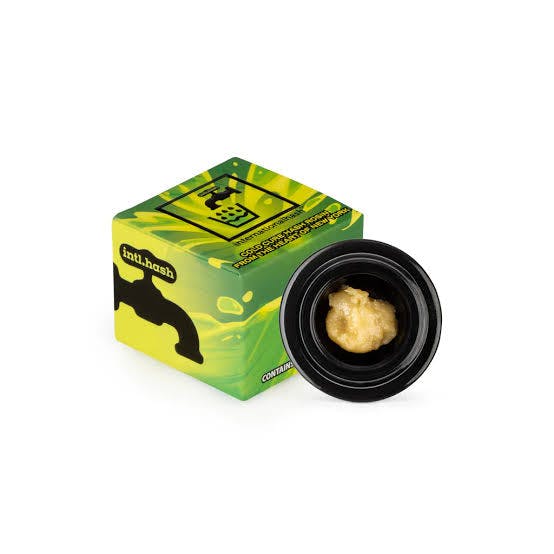
THC 75.73%Hybrid
INTERNATIONAL HASHInternational Hash | Cold Cure Hash Rosin | Grapefruit Hybrid · 1g
$66.37
$75after tax
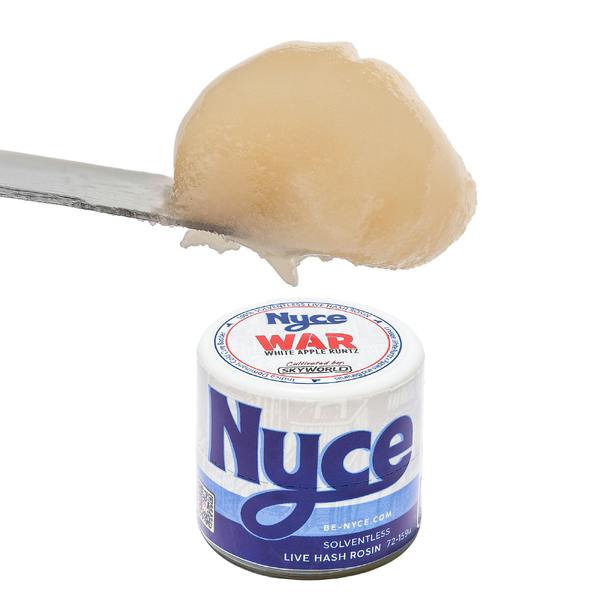
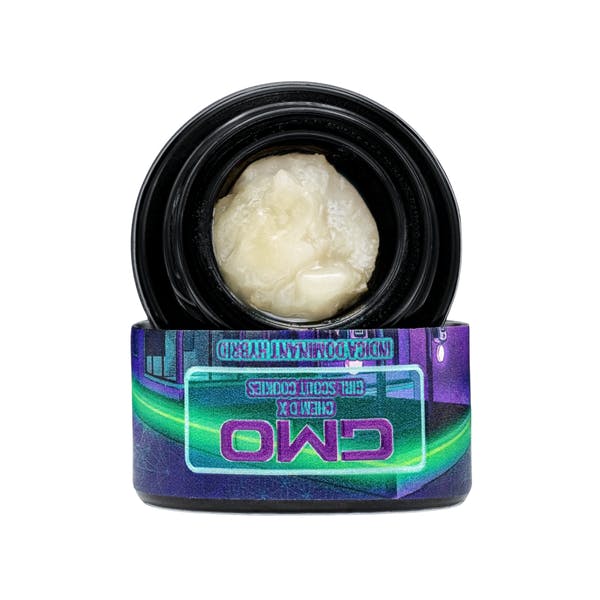
THC 77.52%Hybrid
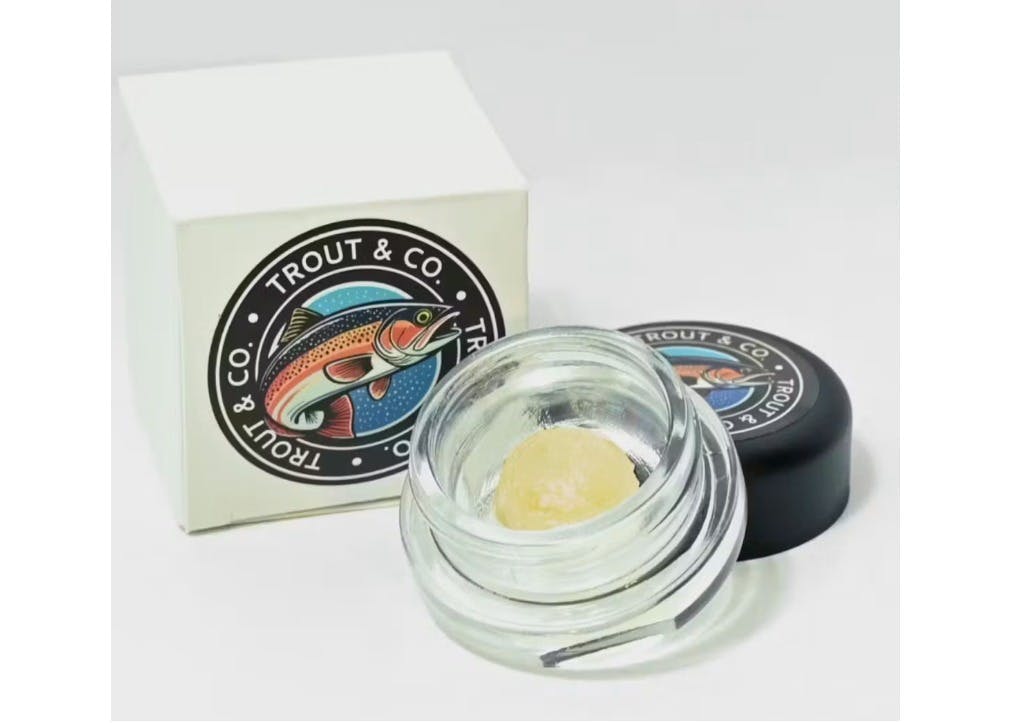
Trout & Co.Trout & Co. | Super Funk | Live Rosin Private Reserve · 1g
$88.50
$100after tax
Rosin in Upper East Side — answers
What makes rosin different from other concentrates available at New York licensed dispensaries?+
Rosin is produced using only heat and pressure — no hydrocarbon solvents such as butane or propane, and no ethanol. Every other major concentrate category in the New York licensed market involves at least one chemical extraction step. That solventless process means rosin passes residual-solvent testing with a structurally cleaner result, and it preserves a wider range of the original plant's terpenes and minor cannabinoids. For shoppers on the Upper East Side who scrutinize ingredient lists, that distinction is meaningful.
Is hash rosin worth the price premium over flower rosin for someone new to concentrates?+
For a first-time concentrate buyer, flower rosin is the more sensible starting point. It is less expensive, still solventless, and delivers a genuinely representative experience of the category. Hash rosin — pressed from ice-water-extracted bubble hash — represents a significant step up in terpene density and overall complexity, but that nuance is most apparent to palates that have already developed a reference point. Start with a well-reviewed flower rosin, and let curiosity drive you toward hash rosin once the baseline is established.
What terpenes should I look for in a rosin if I want a calm, unwinding experience after a long day?+
This is not medical guidance, but as a general framework for adult-use consumers: cultivars dominant in myrcene and linalool tend to be associated with heavier, more relaxing character profiles. Beta-caryophyllene, common in several New York-licensed strains, adds a warm, grounding quality. Rosin preserves these terpenes more fully than solvent-extracted concentrates, so a COA showing meaningful myrcene content is a reasonable starting signal for the Upper East Side resident looking to decompress after a demanding day in Midtown or along Park Avenue.
How should I store rosin purchased from a New York dispensary?+
Rosin is sensitive to heat, light, and oxygen. At room temperature in a Manhattan apartment — particularly during summer months when interior temperatures can climb — rosin will begin to degrade more quickly than in cooler conditions. Store your rosin in an airtight, opaque glass container in the refrigerator for medium-term storage, or the freezer for anything held longer than two weeks. Allow it to return fully to room temperature before opening to prevent condensation from introducing moisture into the product.
Can I use rosin with a standard vape pen, or do I need specialized equipment?+
Not all vape hardware is compatible with rosin. Standard 510-thread cartridges designed for distillate will not perform well with raw rosin, which is too viscous and resinous for those wicking systems. Purpose-built rosin cartridges — where a licensed processor has already loaded the rosin into compatible hardware — work with standard batteries. For home dabbing, an e-nail or electronic dab rig with adjustable temperature settings is the most versatile option, allowing the low-temperature technique that best preserves rosin's terpene profile.
Does ZenZest deliver rosin to Upper East Side ZIP codes, and how does the delivery process work?+
Yes. ZenZest's same-day delivery program covers the 10021, 10028, 10065, and 10075 ZIP codes on qualifying orders over $100. Customers browse the licensed inventory, place an order through ZenZest's platform, and receive delivery to their residence or building. Age verification — government-issued ID confirming the recipient is 21 or older — is conducted at the door. All products are New York adult-use licensed and arrive in compliant, discreet packaging.
What THC potency range is typical for rosin sold in New York licensed dispensaries?+
Most flower rosin available in New York's adult-use market falls between 60 and 75 percent total THC. Hash rosin, particularly from high-quality bubble hash source material, can exceed 80 percent. These figures are meaningfully higher than even the strongest licensed flower, which typically ranges from 20 to 30 percent. The start-low, go-slow principle applies with particular weight here — a dab the size of a grain of rice is a practical starting quantity for those new to the format.
Is live rosin different from regular rosin, and is it available through New York licensed channels?+
Live rosin is pressed from fresh-frozen cannabis — plant material that was frozen immediately after harvest rather than dried and cured. Freezing preserves a class of volatile terpenes that the drying process would otherwise diminish, resulting in a more aromatic and often more nuanced product. New York licensed processors do produce live rosin, and availability through compliant dispensaries has expanded as the state's cannabis supply chain matures. It typically commands a higher price point than cured-material rosin.
Are there any New York regulations I should be aware of when purchasing or possessing rosin?+
Under New York's adult-use cannabis law, individuals 21 and older may purchase and possess up to three ounces of cannabis or its concentrate equivalent. Concentrates including rosin are included within that framework. Consumption is permitted in private residences and in designated outdoor spaces where tobacco smoking is allowed, but not in vehicles, workplaces, or within 100 feet of schools and playgrounds. Purchasing exclusively from licensed New York dispensaries — like ZenZest — ensures the product has met state testing and safety requirements.
What should I ask a budtender when selecting a rosin at a New York dispensary?+
Three questions anchor a productive conversation: What is the source material — flower, dry sift, or bubble hash? What is the dominant terpene profile, and does the store have the COA available? And how was the rosin handled after pressing — was it jar-cured, whipped into a budder, or left as a raw press? Those answers will tell you more about likely experience than the THC number alone. A knowledgeable budtender at a premium dispensary will welcome those questions without hesitation.