
Manhattan · Concentrates
Best Concentrates in Upper East Side, Manhattan
The Upper East Side has long set the standard for discerning taste — from the gallery openings along Museum Mile to the quiet confidence of Madison Avenue's side streets. For adults 21 and over who bring that same exacting eye to cannabis, concentrates represent the category where craft, potency, and refinement converge in a single, considered purchase.
About Concentrates
Concentrates occupy a distinct tier within New York's licensed adult-use cannabis market. Produced through solvent-based or solventless extraction methods — butane hash oil, rosin, live resin, and ice-water hash among the most recognized — these products strip the cannabis plant down to its most essential compounds: cannabinoids and terpenes. The result is a form factor that rewards knowledge and intentionality over impulse. Potency typically ranges from 60 to 95 percent total cannabinoids depending on the extraction method and the source cultivar, which means a measured, low-and-slow approach is particularly well-suited for those new to the category. New York's Office of Cannabis Management licenses a growing number of processors whose concentrate lines reflect genuine craft. Solventless expressions such as live rosin — pressed from fresh-frozen flower rather than dried and cured material — have become a benchmark for connoisseurs who prioritize terpene fidelity. Hydrocarbon-extracted products like live resin and badder offer a different texture profile and often a slightly broader cannabinoid spectrum. Both categories are widely available through licensed New York retailers, and the distinction matters when you are spending thoughtfully rather than simply seeking high THC numbers. Format diversity is another hallmark of the concentrates category. Wax and shatter tend toward accessibility and affordability. Sauce and diamonds — a combination of isolated cannabinoid crystals suspended in terpene-rich liquid — lean into flavor complexity. Distillate, nearly odorless and highly purified, suits those who prefer discretion. Each format pairs with specific consumption hardware, from electronic dab rigs and e-nails to portable concentrate vaporizers, all of which are carried by well-stocked licensed New York dispensaries. Understanding the interplay between format, hardware, and personal preference is the foundation of a satisfying concentrates experience.
Concentrates for Upper East Side shoppers
The Upper East Side carries an atmosphere of unhurried sophistication — the kind of neighborhood where a Saturday afternoon might move from the Neue Galerie on Fifth Avenue to a quiet table at a Lexington Avenue bistro without a moment of friction. Cannabis concentrates fit naturally into that rhythm. Their compact format and high efficiency mean that a single, small session can be complete and satisfying without requiring the extended setup or social theater that other categories sometimes demand. For residents in ZIP codes 10021, 10065, 10075, and 10028, that efficiency is genuinely practical: Upper East Side apartments, whether prewar co-ops on Park Avenue or newer condos near the 96th Street Q train stop, often reward products that leave minimal residual odor, and concentrates consumed through a quality portable vaporizer offer exactly that kind of controlled, considerate experience. The neighborhood's commuter pattern also plays a role. Many Upper East Side residents ride the 4, 5, or 6 trains or the Q line, moving between Midtown offices and home with little tolerance for complexity at either end of the day. A small concentrate vaporizer fits in a jacket pocket; a cartridge of high-terpene live resin requires almost no preparation. The elevated level of cannabis literacy on the Upper East Side — driven in part by proximity to world-class cultural institutions and a demographic that tends to research purchases carefully — means that concentrates' learning curve is less of a barrier here than it might be elsewhere. Shoppers along this corridor are accustomed to asking questions and expecting precise answers, which aligns well with the specificity that reputable licensed concentrate producers bring to their labeling and certificates of analysis.
What to look for
When evaluating concentrates in any licensed New York dispensary, the certificate of analysis — commonly called a COA — is your most reliable guide. Look for full-panel testing that covers total cannabinoids, residual solvents (for hydrocarbon extracts), microbial contaminants, and heavy metals. A well-run processor will make these documents readily available. Beyond safety, focus on the terpene profile listed on the label. Myrcene imparts an earthy, relaxed quality; limonene tends toward brightness and uplift; caryophyllene contributes a peppery, grounding note. Terpene percentages between one and four percent in a concentrate are generally considered expressive; anything significantly below that threshold may indicate older or improperly stored material. For Upper East Side shoppers accustomed to seasonal nuance — the sharp cold of a February walk along the East River Esplanade versus the warmth of a July evening near Carl Schurz Park — it is worth noting that concentrate consistency changes with temperature. Rosin and sauce can become runny in summer heat and stiff in winter cold; store your concentrate in a small, airtight glass jar away from direct light. Portable electronic vaporizers with precise temperature controls, typically set between 315 and 450 degrees Fahrenheit, allow you to preserve delicate terpenes at the lower end and extract fuller cannabinoid expression at the higher end. THC potency should inform your session size, not your purchasing decision. A beautifully crafted 70 percent live rosin from a cultivar with a rich terpene profile will almost always outperform a 90 percent distillate with minimal secondary compounds — at least for those seeking a full, complex experience. For newcomers to concentrates, starting with a quantity no larger than a grain of rice per session remains the broadly recommended baseline before gradually adjusting based on personal response.
Why ZenZest for concentrates in Upper East Side
ZenZest Cannabis Dispensary serves Upper East Side residents through its Queens location at 272-06 Union Tpke, Bellerose, NY 11004 — approximately 12.7 miles from the neighborhood. The drive or rideshare is straightforward via the Midtown Tunnel or the Queensboro Bridge, but for many residents the more practical option is same-day delivery, available on orders over $100 to more than 80 New York ZIP codes including those across the Upper East Side. That threshold is easily reached within the concentrates category, where premium live rosin or a curated multi-unit selection can assemble a thoughtful order without effort. ZenZest curates its concentrate selection with the same editorial restraint that Upper East Side shoppers bring to any considered purchase. The staff can speak to specific extraction methods, terpene profiles, and hardware compatibility — the kind of informed conversation that makes the difference between a purposeful addition to your routine and an impulsive choice you revisit later. Whether you are ordering ahead from a 10065 address near the Frick Collection or browsing from a 10028 ZIP a block off Museum Mile, ZenZest's delivery infrastructure and licensed product range make it a reliable resource for the concentrate-curious and the concentrate-committed alike.
ZenZest Queens · 272-06 Union Tpke, Bellerose, NY 11004 · 12.7 miles from Upper East Side.
Live concentrates for Upper East Side
Full concentrates menu →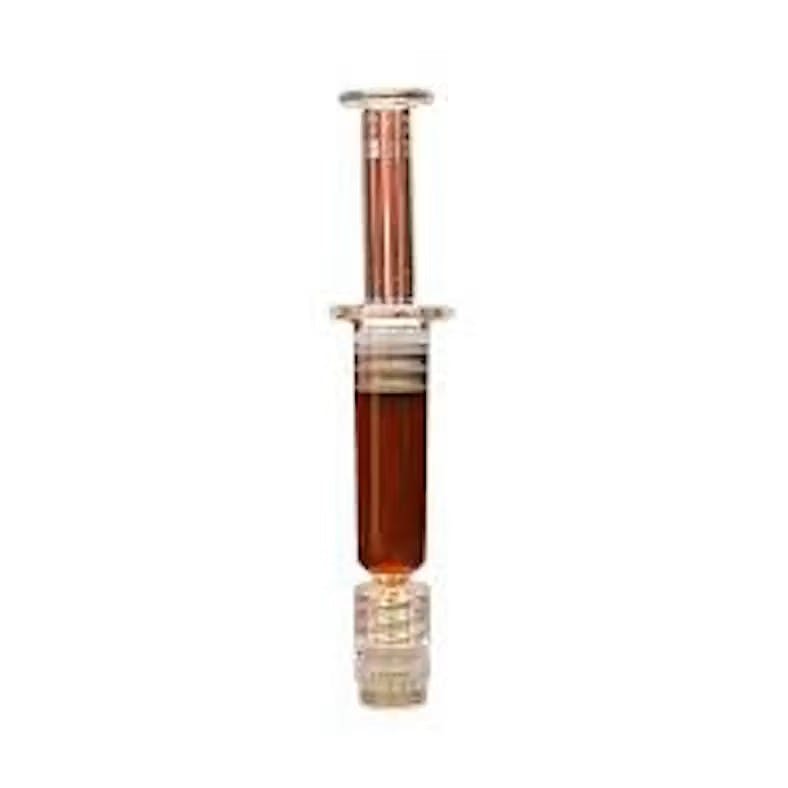
THC 66.28%·CBD 0.13%Hybrid
Veteran's Choice CreationsFECO | Full Extract Cannabis Oil · 1g
$39.82
$45after tax
On sale· 20% OFF
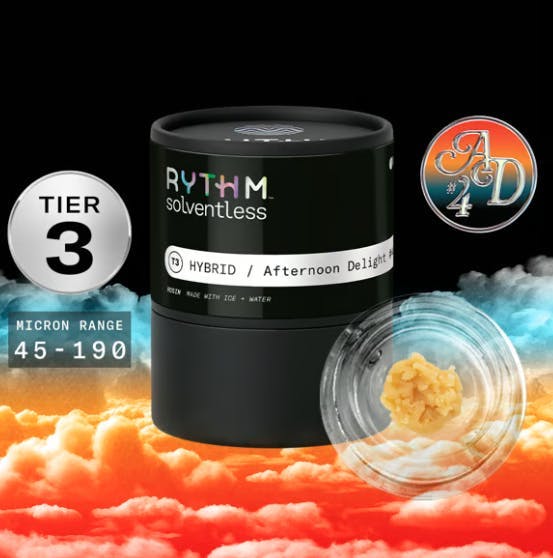
THC 38.36%Hybrid
RYTHMRythm | Afternoon Delight #4 Live Resin Concentrate · 2g
$70.80$88.50
$82after tax
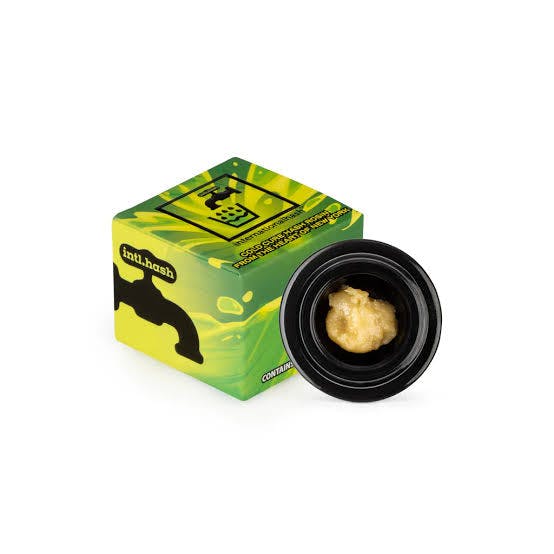
THC 75.73%Hybrid
INTERNATIONAL HASHInternational Hash | Cold Cure Hash Rosin | Grapefruit Hybrid · 1g
$66.37
$75after tax
Concentrates in Upper East Side — answers
What types of cannabis concentrates are typically available at licensed New York dispensaries?+
Licensed New York adult-use dispensaries carry a range of concentrate formats including live rosin, live resin, wax, badder, shatter, sauce and diamonds, and distillate. Solventless options like rosin are pressed from fresh or cured flower without chemical solvents, while hydrocarbon extracts such as live resin and badder use butane or propane under controlled conditions. Each format has a distinct texture, terpene expression, and potency range. The selection at any given retailer reflects the licensed processors operating within New York State.
Are concentrates appropriate for someone who is new to cannabis and lives on the Upper East Side?+
Concentrates are a high-potency category and are generally recommended for adults who have some prior experience with cannabis. That said, new users who are drawn to concentrates for reasons such as odor discretion or format convenience can approach the category responsibly by starting with extremely small amounts — no larger than a grain of rice — and waiting an appropriate period before reassessing. Consulting with a knowledgeable licensed dispensary staff member before purchasing is always a sound first step. No medical claims or dosing prescriptions should be inferred from general guidance.
How does live rosin differ from live resin, and which might suit an Upper East Side lifestyle better?+
Live rosin is produced through a solventless process — heat and pressure are applied to fresh-frozen or ice-water hash material, yielding a product prized for its terpene transparency and clean extraction. Live resin uses hydrocarbon solvents applied to fresh-frozen flower, producing a product with comparable terpene richness and often slightly higher cannabinoid percentages. For Upper East Side consumers who prioritize craft and minimal processing, live rosin tends to align with that sensibility. Those seeking maximum potency at a potentially lower price point may find live resin a strong alternative.
What hardware do I need to consume concentrates purchased in New York?+
Consuming cannabis concentrates requires specialized hardware not typically included with the product. Options range from portable electronic concentrate vaporizers — often called e-pens or wax pens — to desktop e-nails and full dab rigs. Portable devices suit the Upper East Side context well given apartment living and on-the-go lifestyles. When selecting hardware, look for precise temperature control, which allows you to preserve terpenes at lower settings and achieve fuller vaporization at higher ones. Licensed dispensary staff can often advise on compatible hardware brands and settings.
How should I store cannabis concentrates in an Upper East Side apartment?+
Proper storage extends both the shelf life and the quality of a concentrate. Use small, airtight glass jars or the original sealed packaging and keep them away from direct light and heat sources. In an Upper East Side apartment, avoid windowsills and radiator-adjacent surfaces — both common in prewar buildings along Park or Lexington avenues. A cool, dark drawer or cabinet is ideal. Temperature fluctuations between seasons can affect consistency: rosin in particular becomes more fluid in summer and firmer in winter, neither of which diminishes quality if storage conditions are otherwise sound.
Can I order concentrates for same-day delivery to my Upper East Side address?+
Yes. ZenZest Cannabis Dispensary offers same-day delivery on orders exceeding $100 to more than 80 New York ZIP codes, including addresses throughout the Upper East Side — ZIP codes 10021, 10028, 10065, and 10075. Concentrates, particularly premium live rosin or multi-unit orders, can easily meet that order threshold. Delivery provides a practical alternative to the 12.7-mile trip to ZenZest's Queens location at 272-06 Union Tpke, Bellerose, making the category accessible without disrupting a packed Manhattan schedule.
What terpenes should I look for if I want a concentrate suited to unwinding after an evening along Museum Mile?+
For an evening context — perhaps after a opening at the Metropolitan Museum of Art or a quiet dinner near 80th Street and Lexington Avenue — terpene profiles dominated by myrcene, linalool, or beta-caryophyllene tend to be associated with a more settled, grounding character. These compounds appear naturally in certain cannabis cultivars and are preserved most effectively in high-quality solventless extracts. Look for these terpenes listed on the product label or certificate of analysis, and ask dispensary staff for cultivars known to express them prominently. Personal response will always vary.
What is the typical THC potency range for concentrates sold in New York, and how does that compare to flower?+
Cannabis flower sold in New York typically tests between 15 and 30 percent total THC. Concentrates range considerably higher: wax and shatter commonly fall between 60 and 80 percent, while distillate and some hydrocarbon extracts can approach 90 percent or above. Solventless products like live rosin often land between 65 and 80 percent with a richer secondary terpene profile. This potency gap is the primary reason the start-low, go-slow principle is especially relevant for anyone shifting from flower to concentrates for the first time.
Are all cannabis concentrates sold in New York tested for safety?+
All concentrates sold through licensed New York adult-use dispensaries are required to undergo third-party laboratory testing as a condition of licensure under the Office of Cannabis Management. Testing panels cover total cannabinoids, residual solvents, pesticides, microbial contaminants, and heavy metals. Certificates of analysis documenting these results should be accessible either on product packaging or through the retailer. Purchasing exclusively through licensed dispensaries is the only way to ensure your product has passed this regulatory standard. Unlicensed market products carry no such guarantees.
How do concentrate prices in New York compare to other cannabis product categories, and what represents good value?+
Concentrates generally occupy the higher end of the New York adult-use price spectrum given the equipment, expertise, and source material required for quality extraction. Gram prices for live rosin from well-regarded processors can range from roughly $60 to over $100, while hydrocarbon extracts and wax tend to be more accessible. Value is best assessed not by price per gram alone but by terpene percentage, extraction method, cultivar origin, and the producer's track record on safety testing. A thoughtfully extracted, lower-potency rosin with a compelling terpene profile can deliver a more satisfying experience than a cheaper, higher-THC product with minimal secondary compounds.