
Bronx · Rosin
Best Rosin in University Heights, Bronx
University Heights sits at the intellectual crossroads of the Bronx, where Fordham Road's steady commerce meets the quieter corridors around Bronx Community College. For adults 21 and older seeking solventless cannabis concentrates, rosin has emerged as the category that rewards curiosity — clean, expressive, and crafted without a single drop of chemical solvent.
About Rosin
Rosin is, at its core, a study in elegant simplicity. Unlike hydrocarbon extracts that require butane or propane to strip cannabinoids and terpenes from plant material, rosin is made exclusively through applied heat and pressure. The result is a full-spectrum concentrate that retains the plant's original terpene profile with a fidelity that processed extracts rarely match. For consumers who prize transparency — in both ingredients and effects — rosin represents a logical endpoint. Within New York's licensed adult-use market, rosin products now appear in several distinct forms. Fresh-press rosin, made from recently harvested and uncured flower, delivers a vivid, sometimes almost savory aromatic profile. Cold-cure rosin undergoes a controlled aging process that converts it into a smooth, budder-like consistency prized for its workability and depth of flavor. Live rosin, produced from flash-frozen fresh plant material rather than dried flower, sits at the premium tier — capturing volatile terpenes that would otherwise be lost during the drying and curing stages. Hash rosin, pressed from ice-water-extracted bubble hash, offers exceptional purity and is widely considered the connoisseur's benchmark. New York's Office of Cannabis Management licenses all concentrate products sold through adult-use dispensaries, meaning every gram of rosin on a legal shelf has been tested for residual solvents (none are permitted in true rosin), pesticides, heavy metals, and potency. That regulatory framework matters: it distinguishes a licensed rosin from anything circulating informally, and it gives shoppers in every borough a meaningful baseline of safety. Potency in rosin typically ranges from roughly 60 percent to 85 percent total cannabinoids, though numbers alone tell an incomplete story. Because rosin preserves a broader array of minor cannabinoids and terpenes, the experiential profile often feels more nuanced — less blunt, more textured — than a comparably potent distillate. First-time concentrate users are consistently advised to start low and go slow, allowing ample time between small sessions to assess their response.
Rosin for University Heights shoppers
University Heights carries a particular kind of energy — purposeful and unpretentious. The streets around University Avenue see students from Bronx Community College moving between classes, longtime Bronx residents running daily errands along Fordham Road, and a broader community that values quality without performance. The ZIP code 10453 is dense and walkable, which means most residents spend meaningful time in transit — on the B and D trains, on local buses threading through Washington Heights connections — before reaching their own front doors. For that kind of commuter, rosin's format flexibility is genuinely practical. A sealed, licensed rosin cartridge or pod fits discreetly in a jacket pocket and requires no additional equipment during the day. But the same neighborhood that moves efficiently on weekdays tends to slow down on weekends: the weekend rhythm around Fordham Road, with its record shops, Dominican restaurants, and corner bodegas, invites a more deliberate, at-home pace. That is precisely the occasion where a small jar of cold-cure or live rosin, handled with a proper dab tool at home, rewards patience. The academic presence of Bronx Community College also means University Heights skews toward a consumer who asks questions and reads labels. Rosin, with its transparent production method and full-spectrum character, suits a label-literate buyer well. There is nothing to decode or explain away — the process is heat, pressure, and plant material, and that straightforwardness resonates in a neighborhood that tends to be skeptical of marketing language it cannot verify.
What to look for
Shopping for rosin in a licensed New York dispensary begins with understanding that format and source material are at least as important as the THC percentage printed on the label. Live rosin, made from fresh-frozen plant matter, will generally command a higher price point than flower rosin pressed from dried and cured material — and that premium is defensible. The terpene preservation in live rosin is measurably superior, which translates to flavor complexity and, for many consumers, a more layered experience. If budget is a consideration, cold-cure flower rosin from a reputable licensed producer is a strong middle-ground choice that still outperforms most distillate products on aromatic authenticity. Terpenes are the most useful purchase signal in the rosin category. Myrcene-dominant profiles tend toward earthier, more relaxing character. Limonene and pinene express brighter, more uplifting qualities. Terpinolene and ocimene appear frequently in cultivars associated with social and creative occasions. A knowledgeable budtender at any licensed dispensary can walk through a product's terpene lab report — ask for it. In the University Heights context, where residents deal with long commutes and urban environmental stressors, many shoppers find that terpene profile matters more than raw potency when selecting an evening wind-down product versus a weekend afternoon option. On equipment: rosin can be consumed via a traditional dab rig, an electronic dab device (often called an e-rig or e-nail), or in rosin-filled vape cartridges where the format is available. E-rigs allow precise temperature control, which protects terpene expression better than high-heat dab rigs. For University Heights residents new to concentrates, a low-temperature electronic device is the most forgiving entry point — and, once again, starting with a portion no larger than a grain of rice is sound general guidance.
Why ZenZest for rosin in University Heights
ZenZest Cannabis Dispensary maintains two licensed adult-use locations in the New York metro area. For residents of University Heights and the broader 10453 ZIP code, the closest physical location is ZenZest Queens at 272-06 Union Tpke, Bellerose, NY 11004 — approximately 13.4 miles from the neighborhood, accessible via a combination of the D train and connecting service into Queens. For those who prefer to shop from home, ZenZest offers free same-day delivery on orders over $100, reaching more than 80 eligible New York ZIP codes. University Heights is among the delivery-eligible areas, which means a curated selection of licensed rosin products — live rosin, hash rosin, cold-cure formats, and rosin cartridges — can arrive at a Fordham Road-area address without requiring a trip to the store. The ZenZest menu is updated to reflect current licensed inventory, and the dispensary's staff are available to answer questions about specific products, terpene profiles, and format considerations before any order is placed.
ZenZest Queens · 272-06 Union Tpke, Bellerose, NY 11004 · 13.4 miles from University Heights.
Live rosin for University Heights
Full rosin menu →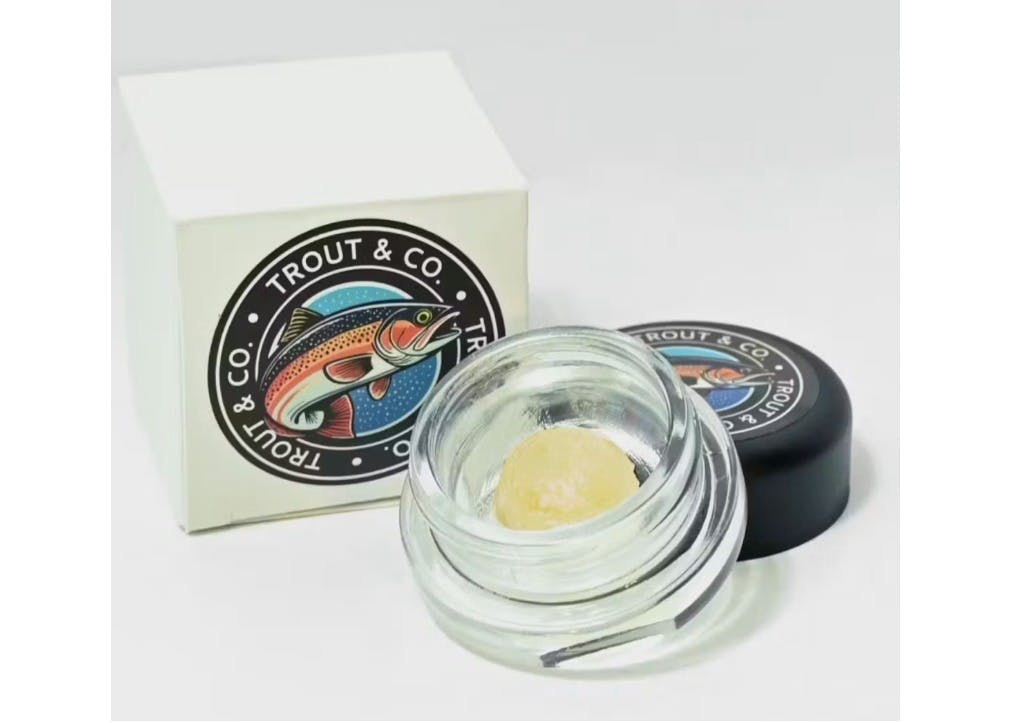
THC 77.52%Hybrid
Trout & Co.Trout & Co. | Super Funk | Live Rosin Private Reserve · 1g
$88.50
$100after tax

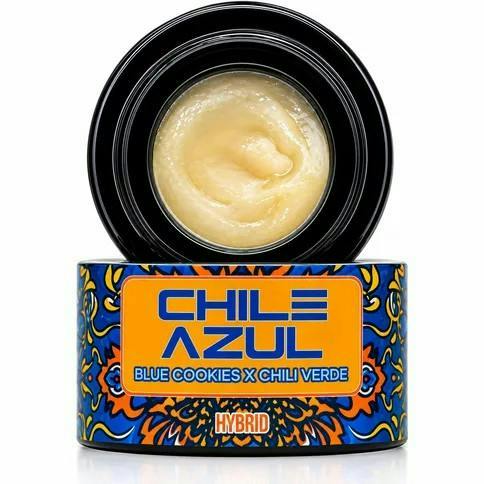
THC 76.28%Hybrid
Trout & Co.Trout & Co. | Sweet Vidalia | Live Rosin Private Reserve · 1g
$88.50
$100after tax
Rosin in University Heights — answers
What exactly makes rosin different from other cannabis concentrates sold at New York dispensaries?+
Rosin is the only major concentrate category produced entirely without chemical solvents. Heat and pressure are applied to cannabis flower or hash, causing the resin to separate from plant material. Every other extraction method — BHO, PHO, CO2, distillate — uses a solvent at some stage of production. Because New York's licensed market requires testing for residual solvents, rosin consistently reads at non-detectable levels, which is one reason concentrate-focused consumers in University Heights and across the Bronx increasingly prefer it.
Is rosin appropriate for someone in University Heights who has only used flower before?+
Rosin can be a meaningful step up for an experienced flower consumer who wants more expressive terpene character and a smaller physical volume of product. That said, the potency difference is substantial — rosin typically tests between 60 and 85 percent total cannabinoids compared to flower in the 18 to 28 percent range. Adults 21 and older making this transition are strongly encouraged to start with the smallest usable amount and allow significant time before reassessing. A licensed dispensary budtender can help identify a rosin product whose cultivar profile aligns with what you already enjoy in flower.
What is the difference between live rosin and fresh-press rosin?+
Both terms indicate minimal processing, but the source material differs. Fresh-press rosin is made from recently harvested but uncured flower — the pressing happens before the plant material goes through a full drying and curing cycle. Live rosin is made from material that was flash-frozen immediately after harvest, preserving volatile terpenes that would otherwise be lost during any drying process. Live rosin tends to carry brighter, more pronounced aromatic profiles and is generally positioned at a higher price point in New York's licensed adult-use market.
How should rosin be stored if I purchase it from a dispensary near University Heights?+
Rosin is sensitive to heat, light, and air exposure. For short-term storage of a week or less, a sealed, opaque container kept at room temperature away from direct sunlight is adequate. For longer storage, refrigeration in an airtight, food-safe silicone or glass container will help preserve terpene integrity and prevent the product from separating or oxidizing. Avoid plastic containers for extended storage, as terpenes can interact with certain plastics over time. Any rosin purchased through a licensed New York dispensary will arrive in compliant, sealed packaging.
Can ZenZest deliver rosin to my apartment in the 10453 ZIP code?+
University Heights, covered under ZIP code 10453, is within ZenZest's same-day delivery zone. Orders over $100 qualify for free same-day delivery. Rosin products — including live rosin, hash rosin, and any available rosin cartridges — may be included in a delivery order subject to current inventory. All deliveries are made to adults 21 and older with valid ID verification at the door, in compliance with New York adult-use regulations.
What consumption equipment do I need to use rosin at home in a Bronx apartment?+
The most accessible entry point for rosin consumption is an electronic dab device, sometimes called an e-rig or portable dab pen designed for concentrates. These devices allow temperature-controlled heating, which protects the terpene profile and reduces harshness. Traditional glass dab rigs with a quartz banger and a torch are also common but require more technique to use at optimal low temperatures. Some rosin is also available in pre-filled vape cartridge format where offered by licensed producers. All necessary hardware is separate from cannabis product purchases under New York regulations.
How do terpenes in rosin affect the experience, and how should a University Heights shopper think about selecting a profile?+
Terpenes are aromatic compounds that influence both flavor and, through their interaction with cannabinoids, the character of the experience. A University Heights resident commuting long hours on the B or D train might prioritize a myrcene-dominant rosin for evening decompression — myrcene is associated with earthy, grounding qualities. Someone looking for a more social or creative weekend occasion might seek out a limonene or terpinolene-forward profile. Licensed dispensaries in New York are required to provide lab data that includes terpene percentages, so asking to see that report is both your right and a practical shopping tool.
Is hash rosin the same as regular rosin, and is it worth the additional cost?+
Hash rosin begins with a different starting material — bubble hash, which is itself produced from cannabis trichomes using ice water and mechanical agitation before any heat or pressure is applied. Pressing high-quality bubble hash yields a concentrate with exceptional purity and terpene density. The additional production steps required to make quality bubble hash are reflected in the price. For University Heights consumers who approach rosin as a flavor and quality experience rather than purely a potency exercise, many find hash rosin a worthwhile premium. It is widely considered the benchmark of the solventless category.
Are there any New York regulations specific to rosin that University Heights shoppers should be aware of?+
All cannabis concentrates, including rosin, sold in New York must come through an OCM-licensed adult-use dispensary. Products are subject to mandatory testing for potency, pesticides, heavy metals, mycotoxins, and residual solvents. Rosin from a licensed source will carry a compliant label with a batch number traceable to those test results. Possession limits for concentrates under New York adult-use law mirror the general adult-use possession allowance — adults 21 and older may possess up to three ounces of cannabis, with concentrates converted to an equivalent weight. Public consumption of any cannabis product remains prohibited.
What price range should I expect for rosin at a licensed New York dispensary, and what drives the variation?+
Rosin pricing in New York's licensed adult-use market varies significantly based on format, source material, and producer. Flower rosin from dry-cured material typically represents the most accessible price point. Cold-cure and fresh-press formats sit in a mid-range tier. Live rosin and, especially, hash rosin from premium producers occupy the higher end of the concentrate market. Gram pricing can range from approximately $40 to well over $100 depending on these factors. When evaluating cost, it is worth considering that rosin's potency and terpene density mean that a smaller quantity per session is typical compared to flower consumption.