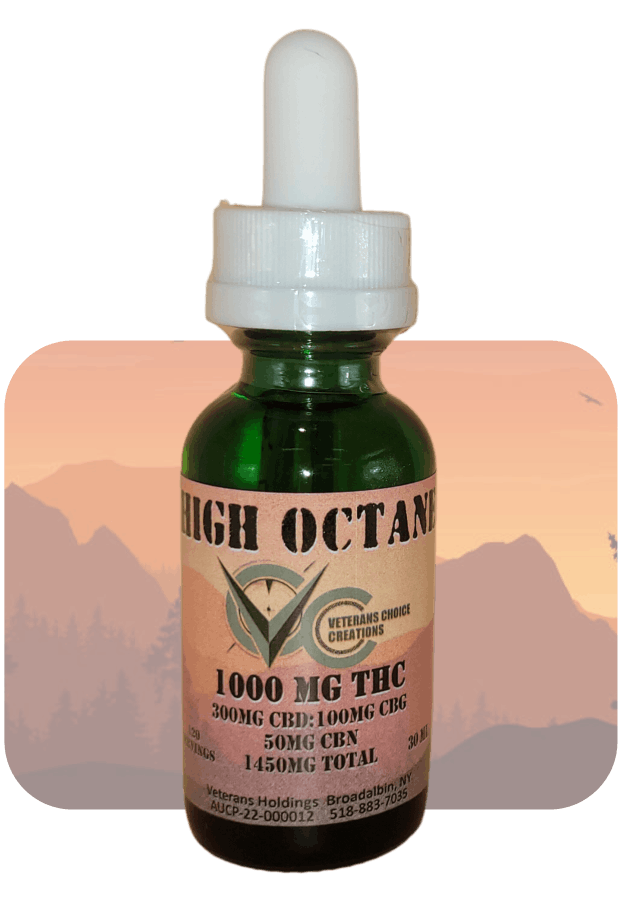
THC 4.41%·CBD 1.58%Hybrid
Veteran's Choice CreationsVETERANS CHOICE CREATIONS | 30ML | TINCTURE | HIGH OCTANE · .1g
$53.10
$60after tax
weeddispensarynearme.com
You must be 21 years or older to enter. By entering, you confirm you’re of legal age in your state to purchase cannabis.
For use only by adults 21+ • Keep out of reach of children
Two Bridges — the quietly layered Manhattan corridor where East Broadway meets the shadow of the Manhattan Bridge — has cultivated a discerning, unhurried culture of its own. For adults 21 and older seeking a precise, low-profile cannabis experience, tinctures have become the format of choice in this neighborhood: measured, refined, and entirely suited to the pace of life between the bridge and the river.
About Tinctures
Cannabis tinctures occupy a distinctive position in New York's licensed adult-use market. Unlike inhalation formats, tinctures are liquid extracts — typically alcohol-, oil-, or glycerin-based — that deliver cannabinoids sublingually (under the tongue) or, less commonly, by mixing into food and beverage. Sublingual absorption bypasses the digestive tract largely, allowing onset in roughly fifteen to forty-five minutes and a duration that tends to feel smoother and more graduated than combustion-based methods. For consumers who want intentionality over intensity, tinctures offer a quiet, measurable entry point. New York State's Office of Cannabis Management (OCM) licenses and regulates all retail tincture products sold through legal dispensaries. This means every bottle on a licensed shelf has been tested for potency, pesticides, residual solvents, and microbial contaminants. Labels display total cannabinoid content, serving size, and batch-level COA (Certificate of Analysis) information — a layer of transparency that the pre-legalization market never provided. Shoppers should look for this compliance data as a baseline expectation, not an exception. Tinctures in New York's licensed market span a meaningful range of cannabinoid profiles. Broad-spectrum and full-spectrum formulations preserve naturally occurring minor cannabinoids and terpenes alongside THC or CBD, while isolate-based products deliver a single compound in suspension. Ratio products — expressing CBD to THC balance, such as 1:1 or 20:1 — have found a particularly loyal following among adults who want the entourage effect of cannabis without the emphatic psychoactivity associated with high-THC flower or concentrates. As the category matures, New York brands are also expanding into terpene-forward tinctures that reflect the same terroir-consciousness found in small-batch spirits or single-origin olive oil. This is a category that rewards attention and patience — qualities that happen to align well with the character of the neighborhoods where New York's most thoughtful cannabis consumers tend to live.
Tinctures for Two Bridges shoppers
Two Bridges occupies one of Manhattan's most architecturally and culturally layered pockets, bounded by the East River to the east, Chinatown to the west, and the Financial District's northern edge to the south. Henry Street, with its mix of longtime residents and newer arrivals, and East Broadway, threading beneath the iconic steel geometry of the Manhattan Bridge, define a neighborhood that does not perform for outsiders. Life here is lived at a considered pace — morning dim sum, afternoons in Columbus Park, evenings with a direct view of the bridge's illuminated span over the water. For residents in ZIP codes 10002 and 10038, tinctures fit naturally into that rhythm. The commuter who boards the J, Z, or B/D subway lines at East Broadway or Grand Street has little interest in a session that arrives unpredictably or lingers past convenience. A sublingual tincture, taken on a timed schedule, offers the kind of reliability that a demanding work schedule or an early-morning start in the Financial District actually demands. The format produces no odor, no paraphernalia, and no combustion — considerations that matter in the dense residential buildings along Henry Street and Madison Street, where neighbors share walls and ventilation. The neighborhood also skews toward a population that has thought carefully about what enters the body. Two Bridges has long been home to communities with deep food culture traditions — Cantonese, Fujianese, Bangladeshi, and other culinary heritages that treat consumption as a deliberate, purposeful act. That same sensibility translates cleanly to a cannabis format defined by measured doses and transparent labeling. A tincture is, in many ways, the category that best mirrors Two Bridges' own ethos: intentional, understated, and quietly sophisticated.
What to look for
When evaluating tinctures at a licensed New York dispensary, the first variable to examine is the cannabinoid profile and ratio. High-THC tinctures (above 20mg per serving) are potent and suited to consumers with established tolerance; those new to the format or returning after a break should gravitate toward lower-potency options or balanced CBD:THC ratios. The general principle — start low, go slow — applies with particular emphasis here, because tincture effects, while smoother than inhalation, can still build gradually and catch an inattentive consumer off guard. Beyond cannabinoids, the terpene content of a full-spectrum or broad-spectrum tincture signals how that product is likely to feel. Myrcene-dominant profiles tend to read as relaxed and earthy; limonene lends a brighter, more uplifted quality; linalool, associated with lavender, carries a notably calming character. Isolate tinctures, by contrast, will not list terpenes because they contain only a purified cannabinoid in a carrier oil. Neither approach is superior — the right choice depends on what the consumer is looking for and how sensitive they are to the nuance of the entourage effect. For Two Bridges residents specifically, consider the carrier oil. MCT oil (fractionated coconut oil) absorbs readily and works well for sublingual use during a commute or a lunch break; olive oil carriers tend to be richer and better suited to deliberate home use before an evening walk to the waterfront at Pier 17 or a slow weekend in Seward Park. Glass bottles with calibrated droppers make dose management straightforward — always a sign that a brand has prioritized the consumer's experience over shelf appeal. And because summer humidity along the East River can affect storage, keep opened tinctures in a cool, dark drawer rather than a bag pocket.
Why ZenZest for tinctures in Two Bridges
ZenZest Cannabis Dispensary serves Two Bridges residents primarily through ZenZest Staten Island, located at 2343 Forest Ave, Staten Island, NY 10303 — approximately 10.4 miles from the neighborhood. That distance, which might feel prohibitive in another borough, is effectively dissolved by ZenZest's free same-day delivery service, available on orders over $100 to more than 80 eligible New York ZIP codes, including 10002 and 10038. Residents of Henry Street, East Broadway, and the tower complexes along the waterfront can browse a curated tincture selection and receive licensed, compliant products at their door without a trip across borough lines. ZenZest operates with the curatorial sensibility one would expect from a luxury-tier cannabis destination: the tincture shelf prioritizes brands with verifiable COA data, clear labeling, and cannabinoid profiles that reflect genuine craft. For Two Bridges shoppers who approach consumption the way they approach the neighborhood's best food — with deliberateness and a preference for quality over novelty — ZenZest's selection and delivery infrastructure represent the most frictionless path to a premium tincture experience in lower Manhattan.
ZenZest Staten Island · 2343 Forest Ave, Staten Island, NY 10303 · 10.4 miles from Two Bridges.
$60after tax

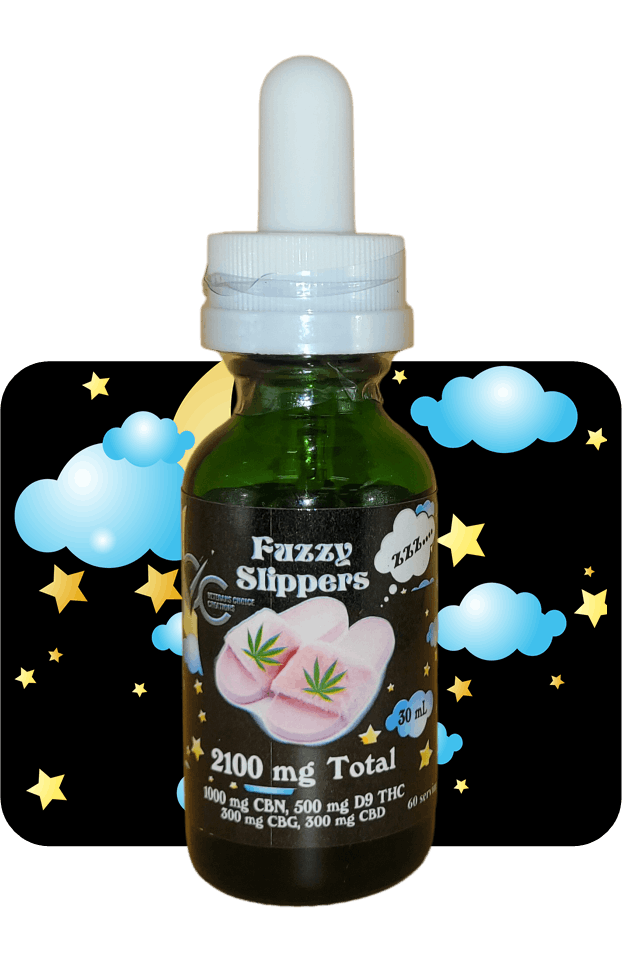
$50after tax
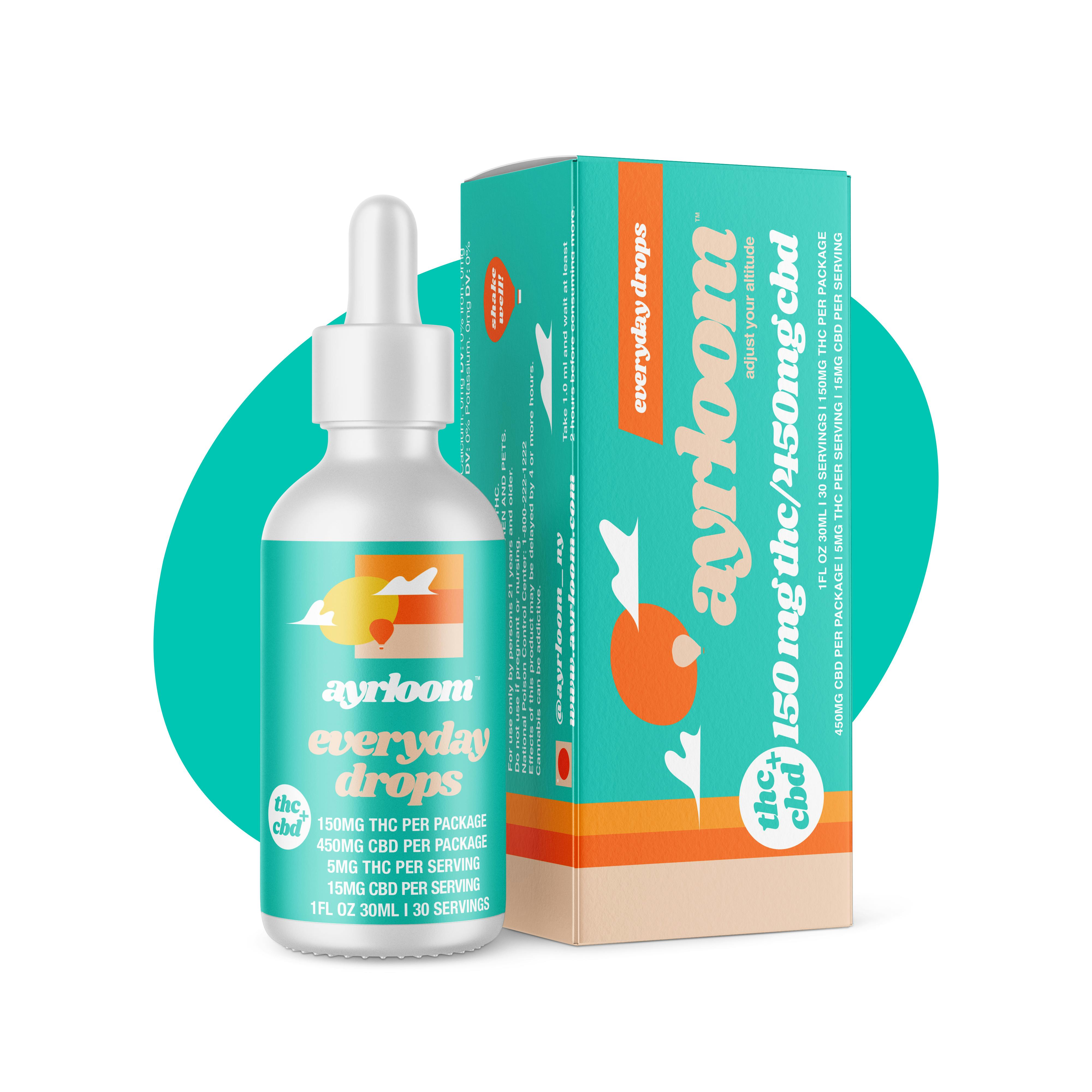
$34after tax
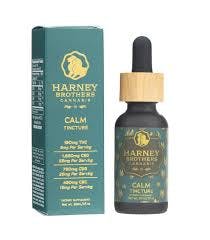
$49after tax
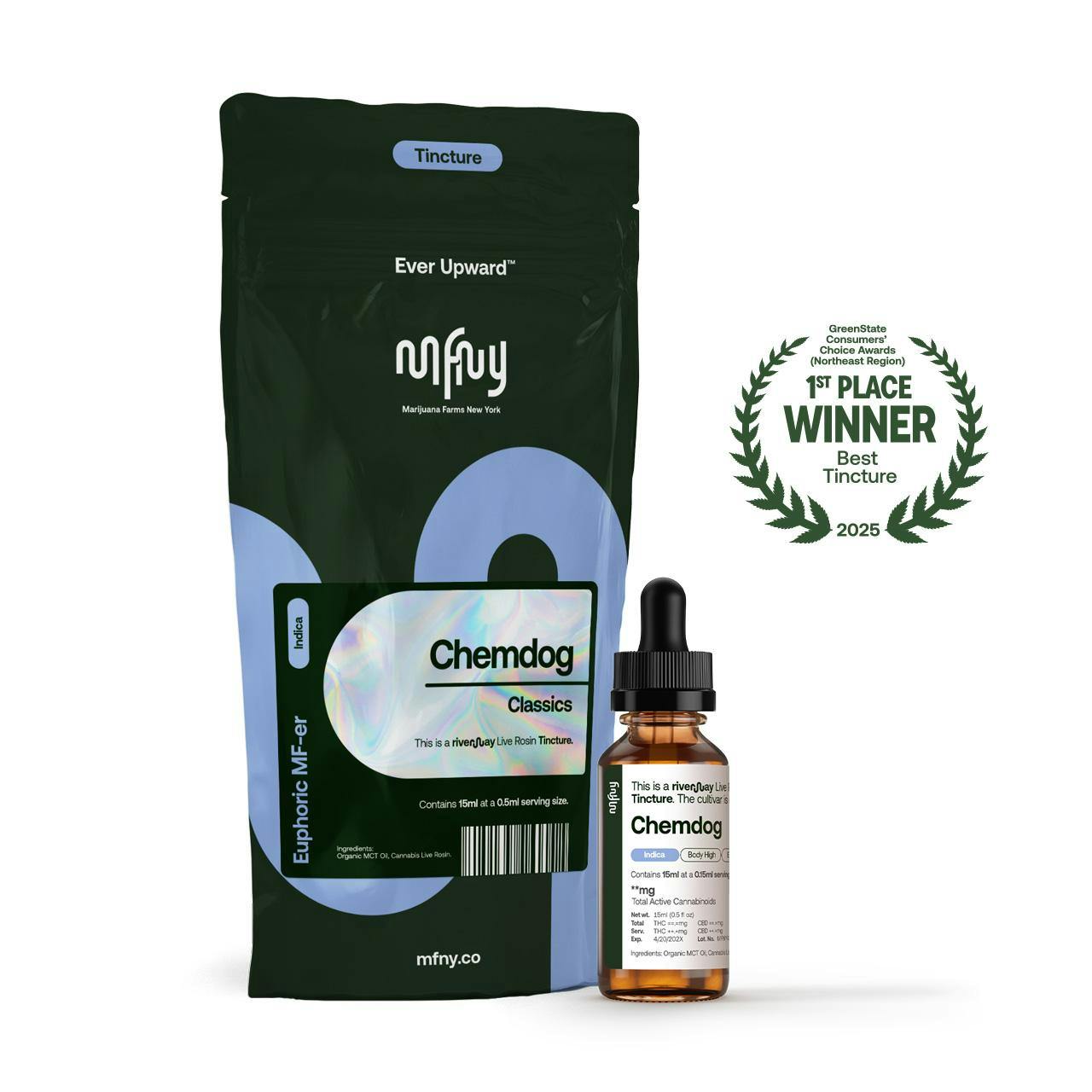
Yes. New York State's adult-use cannabis program, regulated by the Office of Cannabis Management, permits any adult 21 or older to purchase cannabis tinctures from a licensed dispensary. Two Bridges — spanning ZIP codes 10002 and 10038 — falls fully within New York County, where licensed retail and delivery operations are authorized. No medical card or prescription is required for adult-use purchase.
Both formats avoid inhalation, but the delivery mechanism differs meaningfully. A tincture administered sublingually — held under the tongue for sixty to ninety seconds — enters the bloodstream more directly, producing onset in roughly fifteen to forty-five minutes. An edible must pass through the digestive system and liver, which can extend onset to sixty to ninety minutes or more. Tinctures also allow consumers to adjust their dose drop by drop, whereas an edible's dose is fixed at the point of manufacture.
A balanced 1:1 ratio tincture tends to produce a notably softer psychoactive experience. CBD modulates the binding of THC at CB1 receptors, which many consumers describe as reducing the likelihood of anxious or overwhelming sensations. High-THC tinctures, above 20mg of THC per serving, produce a more pronounced effect. For Two Bridges residents who are new to tinctures or prefer to stay functional during an active Lower Manhattan day, a ratio product is often the more practical starting point.
Tinctures are among the most discreet cannabis formats available. There is no combustion, no vapor, and no meaningful odor associated with sublingual administration. A small glass dropper bottle fits easily in a coat pocket or bag. New York State law prohibits cannabis consumption in common areas, hallways, or workplaces, so use should be confined to private residential space — but within that context, tinctures create no impact on neighbors or shared ventilation systems.
Linalool and myrcene are the terpenes most frequently associated with a relaxed, winding-down quality. Linalool, found naturally in lavender, has been studied for its interaction with GABA receptors. Myrcene, earthy and slightly herbal, is one of the most prevalent terpenes in cannabis and tends to reinforce sedative character in higher concentrations. Full-spectrum tinctures will list dominant terpenes on the COA or label; isolate tinctures will not, as they contain no plant terpenes.
Heat, light, and humidity are the primary enemies of tincture stability. Summer in Two Bridges, with its river-adjacent humidity and small apartment footprints, can accelerate degradation if a bottle is left on a windowsill or countertop. Store opened tinctures in a cool, dark location — a drawer or cabinet away from the stove. Refrigeration is not required for most oil-based tinctures but will not harm them. Most licensed products carry a best-by date; respect it.
Yes. ZenZest Cannabis Dispensary offers free same-day delivery on orders over $100 to more than 80 New York ZIP codes, including 10002 and 10038, which cover Two Bridges and the adjacent Financial District edge. Orders are fulfilled from ZenZest Staten Island at 2343 Forest Ave. Delivery brings licensed, tested tincture products directly to residents of East Broadway, Henry Street, and the waterfront buildings — no subway or bridge crossing required.
Overconsumption is possible with any cannabis format, including tinctures. Because the dropper allows incremental dosing, the risk is lower than with edibles — but it is not zero, particularly if a consumer increases the dose before the first serving has fully taken effect. The standard guidance applies: start with the lowest suggested serving on the label, wait the full recommended onset window, and only consider an additional amount on a subsequent occasion rather than the same session.
Traditional herbal tinctures used high-proof alcohol as a solvent and preservative. Most cannabis tinctures in New York's licensed adult-use market, however, use a food-grade carrier oil — typically MCT (fractionated coconut) or hemp seed oil — rather than alcohol. Oil-based formulas are more palatable for most consumers, carry no alcohol-related considerations, and suspend cannabinoids effectively. Alcohol-based options exist but are less prevalent on dispensary shelves. Check the ingredient panel on any product to confirm the carrier medium.
Every cannabis product legally sold through a New York OCM-licensed dispensary must carry batch-level testing data, accessible via a Certificate of Analysis (COA). The COA details potency, terpene content where applicable, and results for pesticides, heavy metals, residual solvents, and microbial contaminants. A QR code on the label typically links directly to the COA. If a product lacks this traceability, it should not be on a licensed shelf — and its absence is a clear signal to shop elsewhere.
Pick your store
We'll show pricing, deals, and delivery zones for the store you pick. You can switch any time from the header.