On sale· 20% OFF
THC 70.7%Indica-Hybrid
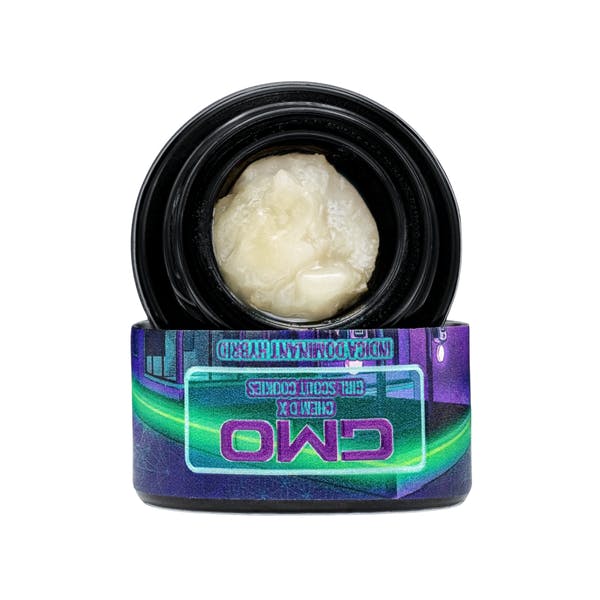
UmamiiUmamii | Live Rosin Jar | GMO · 2g
$80.00$100.00
$93after tax

weeddispensarynearme.com
You must be 21 years or older to enter. By entering, you confirm you’re of legal age in your state to purchase cannabis.
For use only by adults 21+ • Keep out of reach of children
Two Bridges sits beneath the steel cables of the Manhattan Bridge, a dense, quietly evolving pocket of Lower Manhattan where East Broadway meets the waterfront and the ZIP codes 10002 and 10038 converge. For adults 21 and over who appreciate craft extraction, rosin has become the solventless concentrate of choice here — a format that rewards discernment as much as the neighborhood itself does.
About Rosin
Rosin occupies a distinctive position in the New York licensed cannabis market. Unlike hydrocarbon or CO2 extracts, rosin is produced entirely through heat and pressure — no chemical solvents touch the plant material at any stage. The result is a concentrate that retains a fuller spectrum of the original cultivar's terpene profile, meaning the aromatic and sensory character of the flower is preserved rather than stripped. For adult consumers who prioritize knowing exactly what is in their product, solventless processing offers a compelling degree of transparency. New York's Office of Cannabis Management licenses a growing roster of processors who produce rosin in several distinct textures: fresh-press, which is soft and translucent with high moisture content; cold-cure, which is whipped to a badder or budder consistency; and live rosin, pressed from fresh-frozen biomass to capture an even more vivid terpene snapshot of the living plant. Each texture behaves differently on a dab nail or in a rosin cartridge, and each delivers a slightly different experiential character. Knowing the difference before you purchase is half the craft. Potency in licensed New York rosin products typically ranges from roughly 60 to 85 percent total cannabinoids, though the numbers vary by batch and cultivar. Unlike distillate, where THC percentage is often the single loudest data point, rosin invites consumers to look at the full panel — minor cannabinoids, total terpene percentage, and the specific terpene compounds present. A product with a robust terpene reading and a moderate cannabinoid percentage will often feel more nuanced than a high-THC isolate with little else on the label. For those newer to concentrates, the standard guidance applies: start low, go slow, and give any session adequate time before reassessing. Rosin is considerably more potent by volume than flower, and its effects can onset quickly, particularly when vaporized at temperature.
Rosin for Two Bridges shoppers
Two Bridges carries a particular kind of urban density. On Henry Street, the day begins early — residents commuting across the Manhattan Bridge on foot or by bike, delivery workers navigating the blocks between the East River Esplanade and the edges of Chinatown, and long-standing community members going about routines that predate the neighborhood's recent wave of attention. The pace here rewards efficiency, and rosin, with its compact form factor and high yield per session, fits neatly into a lifestyle that does not have room for excess ritual. The waterfront character of Two Bridges is also worth noting. The East River Esplanade stretches along the neighborhood's eastern edge, and the pedestrian walkway of the Manhattan Bridge draws residents toward Brooklyn and back. For adults who spend leisure time outdoors along the water, rosin's solventless profile appeals to those who read ingredient labels as carefully as they watch the tides. This is not a neighborhood that responds well to marketing noise; it responds to substance. Seasonally, the compressed winters that settle over Lower Manhattan — that particular damp cold that comes off the East River and funnels through the bridge pylons on Doughty Street — make the idea of a warm, unhurried evening at home feel especially appealing. Cold-cure rosin budder, with its easy scoopability and layered aroma, suits those interior moments well. In summer, when the esplanade fills and the rooftops open, lighter, terp-forward fresh-press varieties complement the more expansive social energy of the warmer months along the 10002 and 10038 waterfront.
What to look for
When evaluating rosin at a licensed New York dispensary, the first thing to examine is the source material designation. Rosin pressed from dried and cured flower will have a different terpene profile than live rosin, which is pressed from fresh-frozen plant material harvested at peak ripeness. Live rosin commands a higher price point, and it generally justifies that premium with a more expressive aromatic character — floral, citrus, and fuel notes tend to read more vividly. If you are new to concentrates, a well-made dry-sift or flower rosin is a reasonable and often more affordable entry point. Terpene composition matters at least as much as total THC percentage. Myrcene, which reads as earthy and slightly musky, appears frequently in indica-leaning cultivars and is associated with a more grounding quality. Limonene, bright and citrus-forward, appears in many sativa-leaning and hybrid profiles. Terpinolene can give a rosin a herbal, almost tea-like complexity. Caryophyllene, a spicy, peppery compound, is the only terpene known to interact with cannabinoid receptors directly. Reviewing the certificate of analysis for the terpene panel — not just the headline number — will tell you far more about what to expect from a specific batch. For Two Bridges residents commuting through dense transit corridors or spending time on the esplanade, format matters practically. Rosin in a vaporizer cartridge offers discretion and portability, though the experience is somewhat attenuated compared to dabbing fresh-press on a properly calibrated rig. Those with a home setup and the patience to dial in temperature will find that lower-temperature dabs — around 450 to 550 degrees Fahrenheit — preserve terpene complexity and produce a cleaner, more flavorful draw than high-heat methods.
Why ZenZest for rosin in Two Bridges
ZenZest Cannabis Dispensary serves Two Bridges through its Staten Island location at 2343 Forest Ave, Staten Island, NY 10303, approximately 10.4 miles from the heart of the neighborhood. The store's rosin selection reflects a curatorial approach that prioritizes licensed New York producers working with traceable, quality source material — relevant for a category where provenance directly affects the final product's character. For residents in ZIP codes 10002 and 10038 who prefer not to make the trip, ZenZest offers free same-day delivery on orders over $100 to more than 80 New York ZIP codes. Both Two Bridges ZIPs are eligible. Ordering online allows you to review the full product panel — including terpene percentages and batch-specific notes — before the order arrives. For a category like rosin, where small differences between batches can be meaningful, that access to information before purchase is a practical advantage worth using.
ZenZest Staten Island · 2343 Forest Ave, Staten Island, NY 10303 · 10.4 miles from Two Bridges.
$93after tax
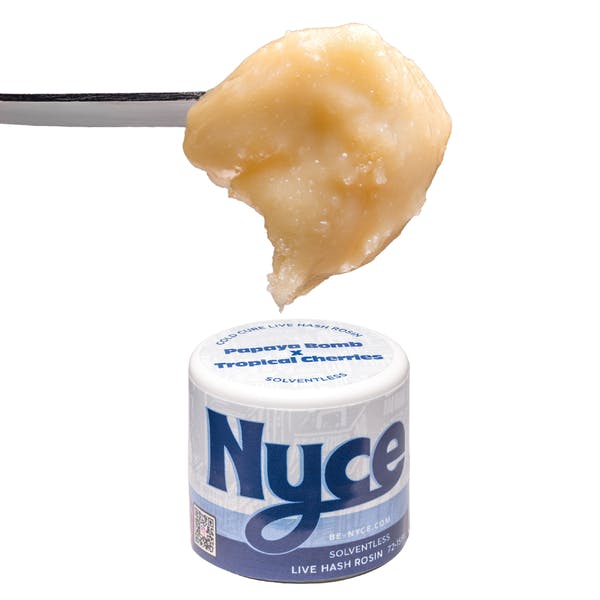
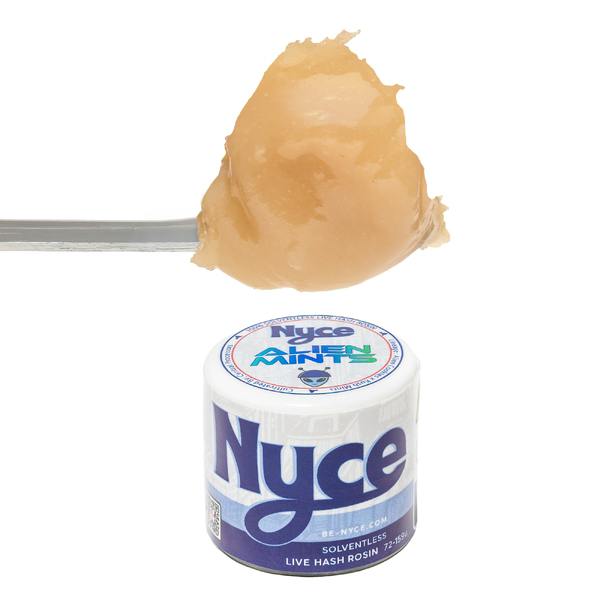
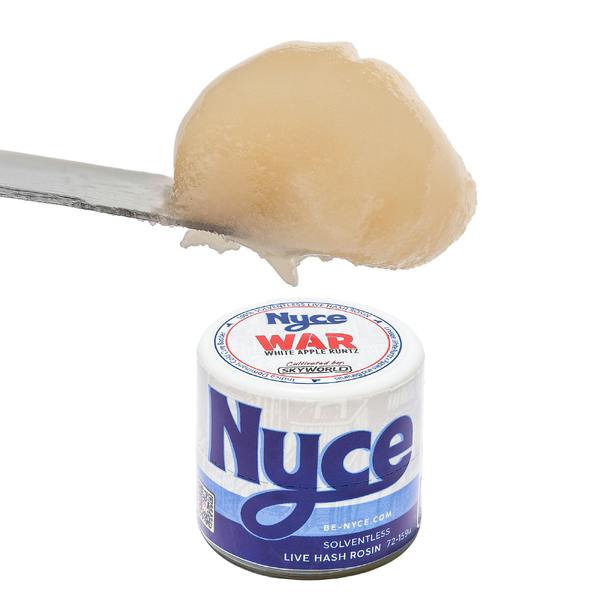
Rosin is the only major concentrate category produced entirely without chemical solvents. Heat and pressure are applied to cannabis flower, hash, or kief, and the resulting oil is mechanically separated from the plant material. Butane hash oil, CO2 extract, and similar products rely on chemical agents that must then be purged from the final product. For adult consumers in Two Bridges who want a concentrate with a verifiably clean input process, rosin's solventless designation carries real meaning on the label.
Live rosin is pressed from fresh-frozen cannabis — plant material that was harvested and immediately frozen rather than dried and cured. This preserves a broader range of volatile terpenes that would otherwise degrade during drying. The result is a more aromatic, often more complex product. If you are new to concentrates, starting with a quality flower rosin at a lower price point is a reasonable approach. Once you have a sense of the category, the difference live rosin offers becomes easier to appreciate and evaluate.
Rosin is sensitive to heat and light, both of which can degrade terpene content over time. The standard recommendation for short-term storage is a sealed, food-grade silicone or glass container kept in a cool, dark location. For longer-term storage — anything beyond two to three weeks — refrigeration in an airtight container slows oxidation and terpene loss meaningfully. Two Bridges apartments near the waterfront can experience humidity fluctuations, so a well-sealed container is particularly important in this neighborhood.
Lower temperatures generally produce a better result with rosin than with solvent-based concentrates, because rosin's terpene profile is richer and more fragile. A temperature range of roughly 450 to 550 degrees Fahrenheit on a quartz banger is a common starting point — this is warm enough to fully vaporize the material without scorching the terpenes. Higher temperatures above 600 degrees tend to diminish the flavor and can produce a harsher draw. Start low and adjust based on the specific texture and consistency of your rosin.
For a quiet, unwinding experience after a day navigating the commute through the Manhattan Bridge corridor or along the East River, terpene profiles weighted toward myrcene, linalool, and beta-caryophyllene tend to produce a more grounding, settled character. These appear commonly in indica-leaning and hybrid cultivars. Reviewing the certificate of analysis on the product, which licensed New York dispensaries are required to make available, will show you the specific terpene percentages so you can compare batches before purchasing.
Rosin is compatible with several device types. A dab rig with a heated banger is the traditional method and offers the most control over temperature and flavor. Rosin cartridges, which some New York processors produce from rosin-derived oil, work in standard 510-thread vaporizer batteries and are the most portable option. Some rosin can also be rolled into joints or placed on top of flower in a bowl, though this is an inefficient use of a concentrate. Cartridge format is the most practical for residents moving through Two Bridges and the broader Lower Manhattan corridor.
Texture is largely a function of post-press handling and temperature during the curing process. Fresh-press rosin is soft, oily, and closest in character to the source material — it tends to have the most expressive terpene aroma but can be difficult to handle at room temperature. Cold-cure budder and badder are whipped to a more stable, scoopable consistency and are easier to work with in practical settings. Texture does not necessarily indicate quality, but it does affect ease of use and, to a degree, how the terpene profile presents on the palate.
Yes. ZIP codes 10002 and 10038, which cover the Two Bridges neighborhood including East Broadway, Henry Street, and the blocks adjacent to the Manhattan Bridge anchorage, are both eligible for ZenZest Cannabis Dispensary's free same-day delivery on qualifying orders over $100. Orders can be placed through ZenZest's online menu, which includes batch-level product information for concentrate categories including rosin, allowing you to review the product panel before the order is dispatched.
New York's licensed adult-use market includes an expanding cohort of in-state cultivators, and a growing number of processors are sourcing biomass from New York-grown cannabis for rosin production. The state's cannabis licensing framework requires that products sold at licensed dispensaries come from compliant, licensed sources. When reviewing a product's certificate of analysis or label, the cultivator and processor information will generally indicate whether the input material was grown within New York State, which some Two Bridges consumers with a preference for regional provenance consider a meaningful distinction.
The most useful questions center on provenance and batch specifics rather than general category descriptions. Ask which cultivar the rosin was pressed from, what the total terpene percentage reads on the current batch's certificate of analysis, whether the product is a fresh-press or cold-cure format, and what the recommended handling and storage conditions are for that specific texture. Staff at well-run licensed dispensaries will have access to this information. Starting with a smaller quantity — a half-gram — is a sensible approach for a first purchase in the category.
Pick your store
We'll show pricing, deals, and delivery zones for the store you pick. You can switch any time from the header.