
Manhattan · Concentrates
Best Concentrates in Two Bridges, Manhattan
Two Bridges — the compact, quietly cosmopolitan pocket of lower Manhattan where East Broadway meets the shadow of the Manhattan Bridge — has cultivated a discerning adult-use cannabis culture. For residents and visitors seeking concentrates, this ZIP-10002-and-10038 corridor offers access to some of New York's most rigorously licensed, high-purity extracted products, worthy of the neighborhood's understated, intentional character.
About Concentrates
Concentrates represent the most refined tier of the New York adult-use cannabis market. Rather than consuming the whole flower, concentrate enthusiasts are working with extracted compounds — cannabinoids and terpenes separated from plant material through solvent-based or solventless methods — resulting in products that carry significantly elevated potency and, when produced with care, exceptional aromatic complexity. Licensed New York dispensaries carry a broad range of formats: live resin, live rosin, badder, sugar wax, shatter, distillate, and hash rosin, each with its own texture, flavor profile, and consumption method. Under New York's adult-use framework, all concentrates sold through licensed retailers must meet state-mandated testing thresholds for residual solvents, pesticides, heavy metals, and microbial contaminants. This regulatory rigor is not incidental — it is what separates the licensed market from legacy product and gives consumers genuine confidence in what they are purchasing. When you see a certificate of analysis attached to a batch of live rosin at a licensed retailer, that document carries legal weight enforced by the Office of Cannabis Management. Solventless concentrates — particularly ice water hash and pressed rosin — have emerged as the prestige category within concentrates nationally, and New York's licensed cultivators have followed that trajectory. These products use only mechanical separation and heat or cold to isolate trichomes, leaving no chemical residue by definition. Solvent-based options like live resin and BHO (butane hash oil) badder, when produced within licensed facilities with proper purging protocols, are equally safe and often more accessible in price point. For adults who are experienced with flower but concentrate-curious, the format diversity can feel overwhelming. The core distinction to internalize early is the difference between live and cured inputs: live resin and live rosin are made from fresh-frozen plant material, preserving a broader terpene spectrum and delivering more nuanced, strain-expressive flavor. Cured concentrates — made from dried, processed flower — tend toward a more muted, sometimes sweeter profile. Neither is superior; personal preference and intended occasion drive the choice.
Concentrates for Two Bridges shoppers
Two Bridges occupies a rare urban position: it is simultaneously one of lower Manhattan's most historically layered neighborhoods and one of its most quietly residential. The walk along Henry Street past tenement-era facades, or the pause beneath the Manhattan Bridge anchorage on a gray November afternoon, carries a particular atmospheric weight. Residents here — a multigenerational mix of long-established Chinese-American families, younger renters drawn by relative affordability, and professionals commuting toward the Financial District via the nearby Fulton Street subway complex — share a common appreciation for quality over spectacle. That sensibility maps naturally onto concentrates. This is not a category for impulsive, casual consumption — it rewards intention. Someone returning home to a Henry Street walk-up after a late shift downtown, looking for a precise, efficient evening wind-down, will find that a small amount of quality live rosin or a well-formulated distillate cartridge delivers what an entire bowl of flower might not replicate in economy or cleanliness. The absence of combustion is a genuine consideration in denser residential buildings where shared walls and ventilation are realities. The neighborhood's proximity to the East Broadway F train stop and the Brooklyn Bridge–City Hall area also means a steady population of commuters who value portability. Vaporizer cartridges filled with distillate or live resin are the most discreet, portable concentrate format available — a consideration for anyone navigating the 10002 and 10038 ZIP codes on foot between the bridge esplanades and Canal Street. The deliberate, low-footprint lifestyle that Two Bridges quietly embodies finds a natural product pairing in concentrates consumed thoughtfully at home.
What to look for
Selecting a concentrate begins with understanding the role terpenes play in shaping the experience. Terpenes are aromatic compounds that exist alongside cannabinoids in the plant; in concentrates, particularly live-process products, they are preserved in higher concentrations than in most flower. Myrcene tends toward earthiness and physical relaxation; limonene reads citrus-forward and is often associated with elevated mood; caryophyllene carries a spiced, peppery character and interacts with the body's endocannabinoid system in a structurally distinct way from other terpenes. When browsing concentrate menus, look for products that publish their terpene panel alongside the cannabinoid percentages — this transparency is a reliable marker of a quality producer. On potency: concentrates routinely test between 70% and 90% THC, with some rosin pressing closer to 80% total cannabinoids when minor cannabinoids are included. For adults new to this format, the OCM-aligned guidance of starting with a very small quantity — a portion no larger than a grain of rice for a dab, or a brief, single draw on a cartridge — and waiting to assess effect before consuming more is the responsible entry point. Experienced consumers can calibrate from there based on their own tolerance and history. For Two Bridges residents specifically, format trade-offs are worth thinking through carefully. Cartridges (510-thread or proprietary pod) are the most practical choice for those in multi-unit residential buildings — minimal odor, no additional hardware beyond a battery, and straightforward storage. For consumers who already own a dab rig or a quality electronic concentrate vaporizer, live rosin or hash rosin offers the fullest expression of the plant's aromatic profile. Shatter and wax occupy a middle tier — less complex than live rosin, more flavorful than plain distillate — and are often priced accessibly for everyday use.
Why ZenZest for concentrates in Two Bridges
ZenZest Cannabis Dispensary serves the Two Bridges community through its Staten Island location at 2343 Forest Ave, Staten Island, NY 10303 — approximately 10.4 miles from the heart of the neighborhood. While that distance might seem notable on a map, ZenZest's free same-day delivery service on orders over $100 effectively brings their curated concentrate selection directly to addresses within their covered New York delivery zone, which spans more than 80 eligible ZIPs — making it a genuinely practical option for residents of 10002 and 10038 who prefer to shop from home. The ZenZest approach prioritizes licensed, tested product and an editorial-quality selection process that aligns well with the discerning consumer profile Two Bridges tends to attract. Whether a shopper is sourcing a premium live rosin for a considered weekend session or replenishing a cartridge supply for daily portable use, ZenZest's menu reflects the breadth of New York's maturing licensed concentrate market. Delivery orders above the $100 threshold arrive same-day at no additional shipping cost, offering a level of convenience that matches the neighborhood's preference for quality without unnecessary friction.
ZenZest Staten Island · 2343 Forest Ave, Staten Island, NY 10303 · 10.4 miles from Two Bridges.
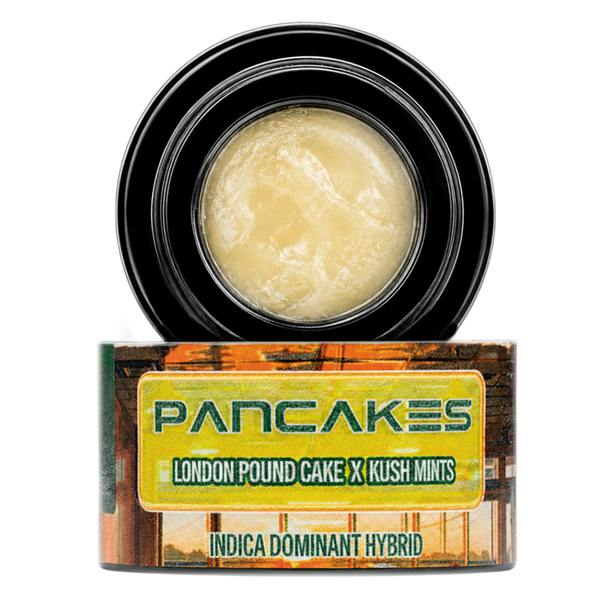
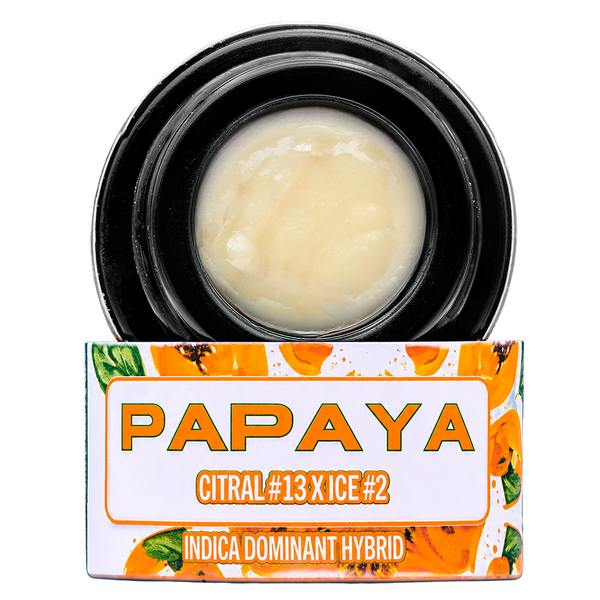
Live concentrates for Two Bridges
Full concentrates menu →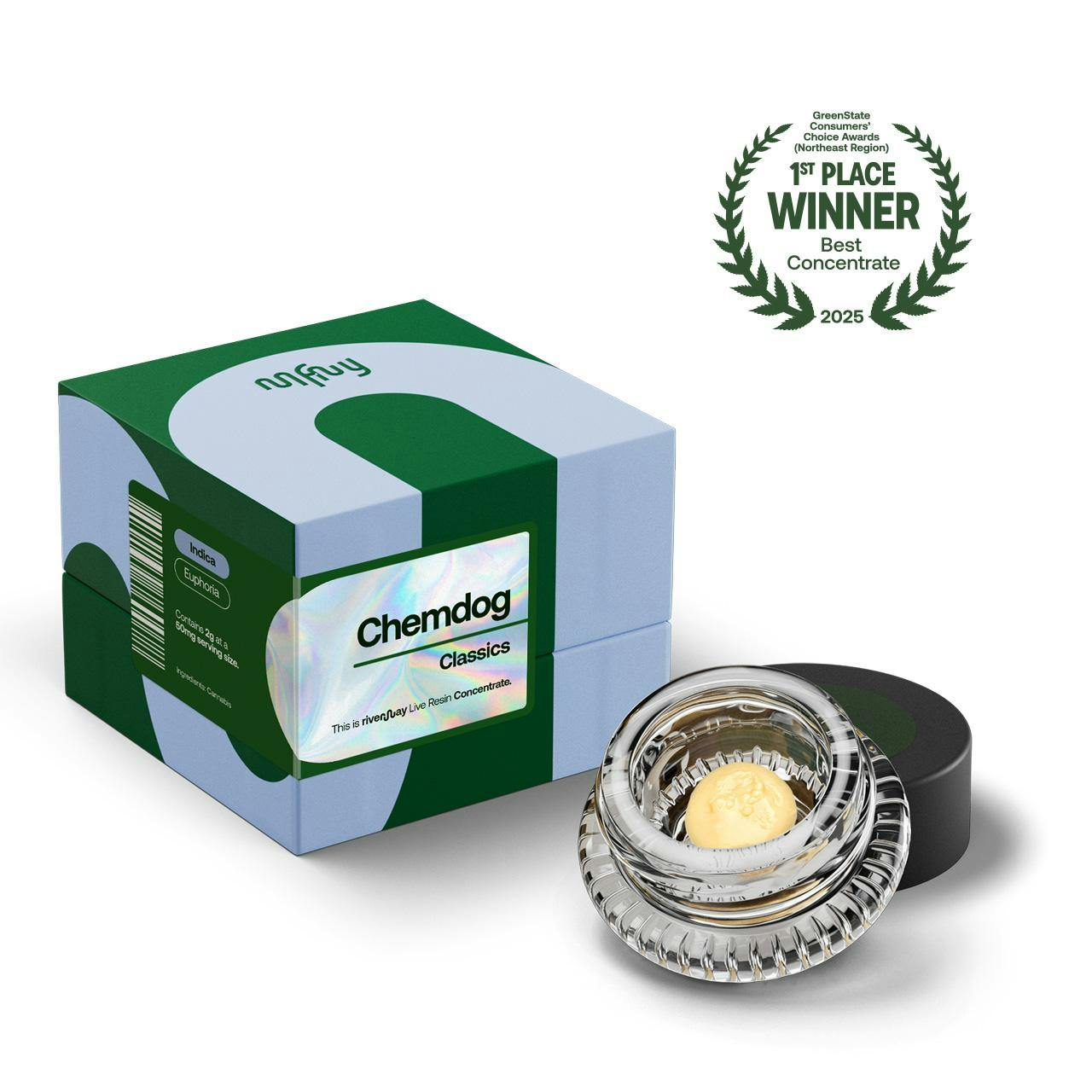
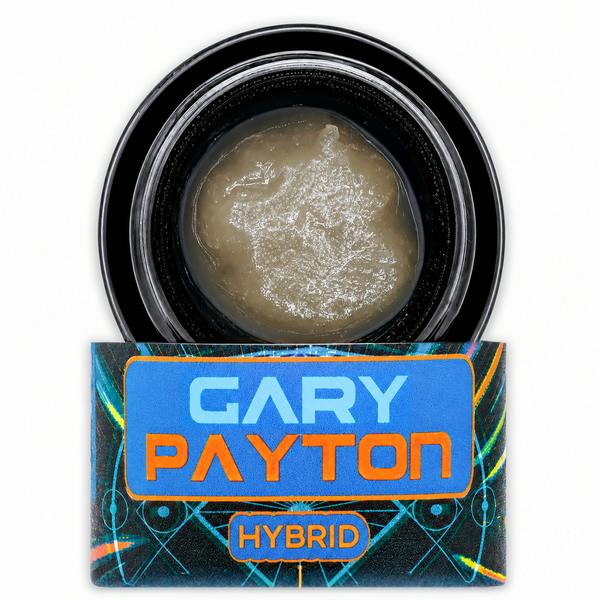
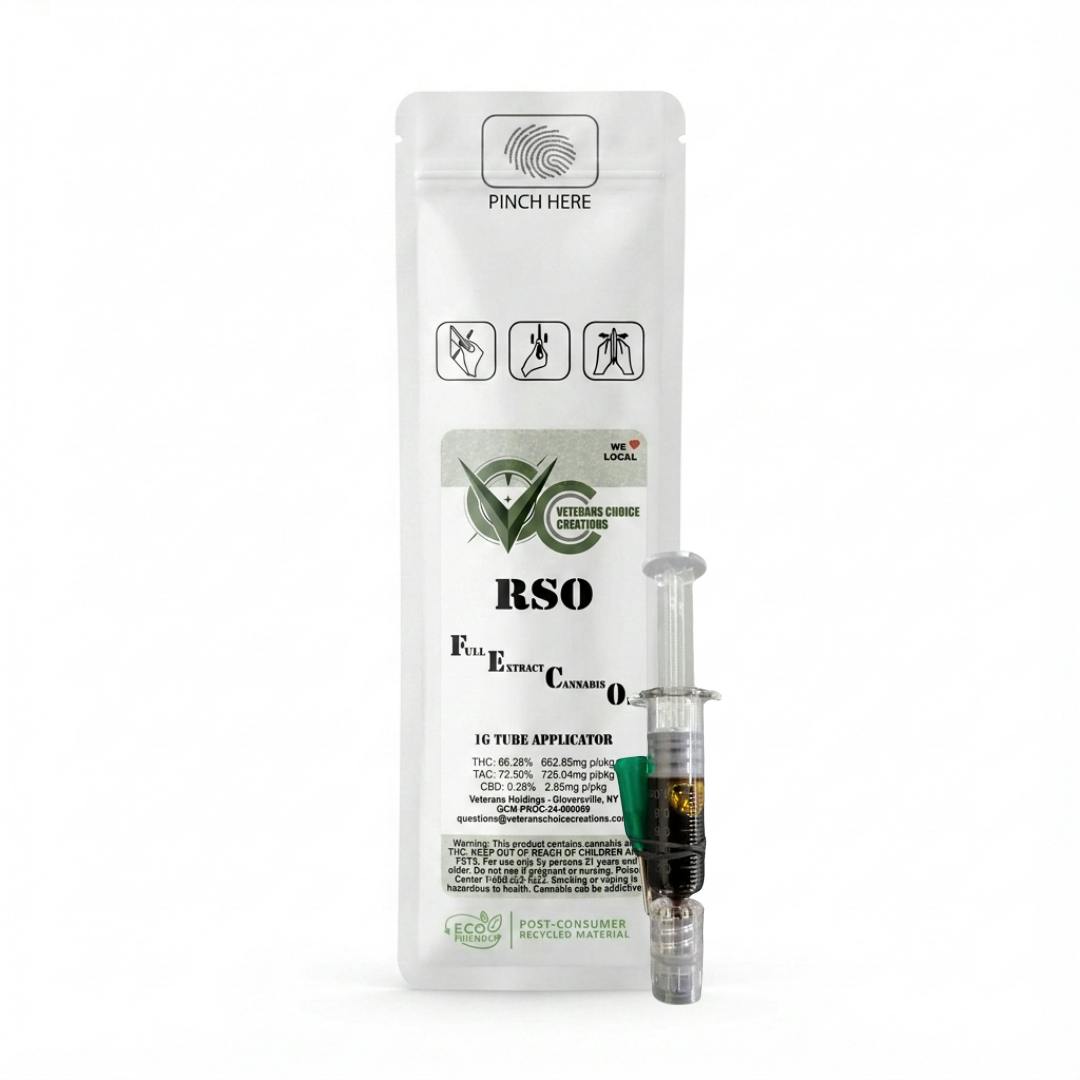
THC 66.28%·CBD 0.13%Hybrid
Veteran's Choice CreationsVETERANS CHOICE CREATIONS | 1G | RSO - FECO (FULL EXTRACT CANNABIS OIL) · 1g
$39.82
$45after tax
Concentrates in Two Bridges — answers
What types of concentrates are typically available at licensed New York dispensaries serving the Two Bridges area?+
Licensed New York retailers generally carry a range that includes vaporizer cartridges (distillate and live resin), live rosin, hash rosin, badder, sugar wax, shatter, and cured resin. The specific inventory rotates with licensed cultivator and processor batches, so menus shift seasonally. For Two Bridges residents in 10002 and 10038, ordering through a delivery-eligible licensed retailer gives access to a broader selection than any single walk-in footprint might stock at a given time.
How do live rosin and live resin differ, and which is better suited to an at-home session in a Two Bridges apartment?+
Live rosin is solventless — made by pressing fresh-frozen or ice-water-washed trichomes under controlled heat and pressure. Live resin uses a hydrocarbon solvent, typically butane, to extract cannabinoids and terpenes from fresh-frozen plant material before purging the solvent under vacuum. Both preserve a robust terpene profile relative to cured-input concentrates. For an at-home session in a smaller residential unit, live rosin's solventless nature and slightly softer, more expressive aroma profile tends to be the preferred choice among flavor-focused consumers.
Are there odor considerations specific to consuming concentrates in the Two Bridges residential context?+
Concentrates, particularly when vaporized rather than combusted, produce significantly less lingering odor than traditional flower smoking. Cartridges and pod systems are the lowest-odor format and are well-suited to multi-unit residential buildings common along Henry Street and the surrounding blocks. Dabbing at higher temperatures will produce more visible vapor and more pronounced aroma than low-temperature vaping. Adequate ventilation and a personal air filter device can further reduce any impact in shared-wall environments.
What should I look for on a concentrate's certificate of analysis before purchasing?+
A compliant New York concentrate COA should confirm: total THC and CBD percentages, a full terpene panel if the producer publishes one, residual solvent levels below state action limits, pesticide screening results showing no detectable regulated compounds, heavy metal screening within OCM thresholds, and a batch date. Products sold through licensed retailers in New York are required to have undergone this testing — if a COA is unavailable for a product, that is a meaningful signal about the retailer's compliance posture.
Is same-day delivery of concentrates to Two Bridges ZIP codes 10002 and 10038 available through licensed retailers?+
Yes. ZenZest Cannabis Dispensary offers free same-day delivery on orders over $100 to more than 80 New York ZIP codes, and Two Bridges falls within their covered delivery geography. Concentrates — including cartridges, live rosin, and other extracted formats — ship in compliant, sealed packaging. Delivery requires age verification at the door, consistent with New York adult-use regulations requiring the recipient to be 21 years of age or older.
What hardware do I need to consume concentrate formats other than vaporizer cartridges?+
For loose concentrates such as rosin, badder, or shatter, you will need either a traditional dab rig with a quartz banger and a torch, or an electronic concentrate vaporizer (commonly called an e-rig or dab pen). Dab pens are particularly practical for Two Bridges residents who prioritize portability and discretion — they require no open flame and are compact enough to use comfortably in a standard apartment setting. Cartridges require only a compatible battery, which is the simplest hardware investment.
How does the terpene profile of a concentrate influence the overall experience for an adult consumer?+
Terpenes contribute meaningfully to the sensory and subjective character of a cannabis product — the aromatic complexity, the flavor on the palate, and, according to emerging research, the way cannabinoids interact within the full-spectrum product. High-myrcene concentrates often carry an earthy, almost tropical note and are associated with a more physically settled effect. Limonene-forward products read brighter and more citrus-expressive. Pinene contributes a clean, resinous quality. Shoppers at licensed retailers can ask to see terpene panels and use those profiles as a navigation tool alongside THC percentages.
What is a reasonable THC potency range for someone exploring concentrates for the first time in New York?+
Most licensed New York concentrates test between 70% and 90% THC. For a first-time concentrate consumer, starting with the smallest measurable portion — a single, brief draw on a vaporizer cartridge, or a dab portion no larger than a grain of rice — and allowing adequate time to assess the effect before consuming more is the standard guidance consistent with New York's adult-use start-low, go-slow framework. Potency percentages alone do not fully predict subjective experience; terpene composition and individual tolerance both play significant roles.
How does the Manhattan Bridge corridor's seasonal weather affect concentrate storage and portability for Two Bridges residents?+
Lower Manhattan's winter months bring genuine cold, and concentrate products — particularly rosin and wax — can become brittle and difficult to handle at very low temperatures. Cartridges can also experience viscosity changes in cold weather that temporarily affect draw resistance. Storing concentrates at stable room temperature, away from direct light, is the general best practice. If transporting a cartridge during winter commutes, keeping it in an interior pocket close to body warmth will maintain optimal viscosity for the duration of a trip along the East Broadway or Brooklyn Bridge corridors.
What distinguishes solventless concentrates from solvent-based options, and does it affect safety in New York's licensed market?+
Solventless concentrates — ice water hash, bubble hash, and pressed rosin — use only mechanical separation, water, and controlled pressure or temperature, leaving no chemical residue by process design. Solvent-based products, including BHO and CO2 extracts, introduce a chemical agent during extraction that must then be purged to below state-mandated residual thresholds before the product can pass compliance testing. In New York's licensed market, both categories undergo mandatory residual solvent testing, meaning the safety distinction is largely eliminated at point of sale. The meaningful difference for consumers becomes price point, terpene preservation, and personal preference for production philosophy.